 Search


- Chinese ports have achieved stable growth in throughput despite the headwinds, paving a unique path for breakthrough
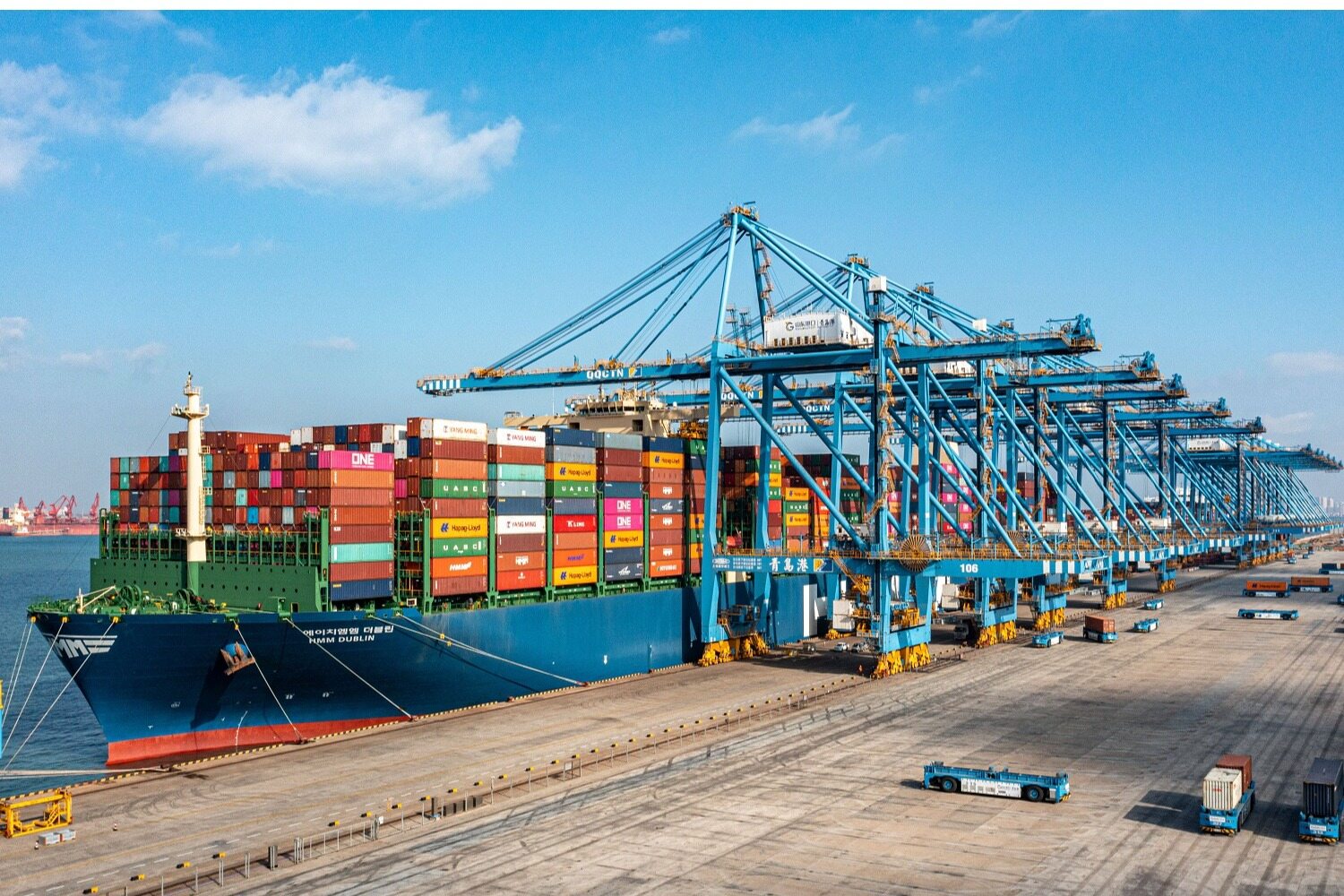
In 2026, the global port industry is facing the dual pressure of geopolitical conflicts and trade barriers, resulting in a significant decline in overall throughput growth. While most ports around the world are struggling with stagnant shipping volumes, Chinese ports have found a stable growth path through the continuous deepening of the dual circulation pattern, injecting rare certainty into the global shipping market.
Differentiation of goods types builds a solid foundation for growth
In the first half of 2026, the cumulative cargo throughput of ports in China reached 9.07 billion tons, a year-on-year increase of 2%. Among them, the foreign trade throughput increased by 4.3% year-on-year, becoming the core driving force for growth. Due to the adjustment of real estate and the weakening of traditional bulk demand, domestic trade only achieved a slight growth of 0.9%.
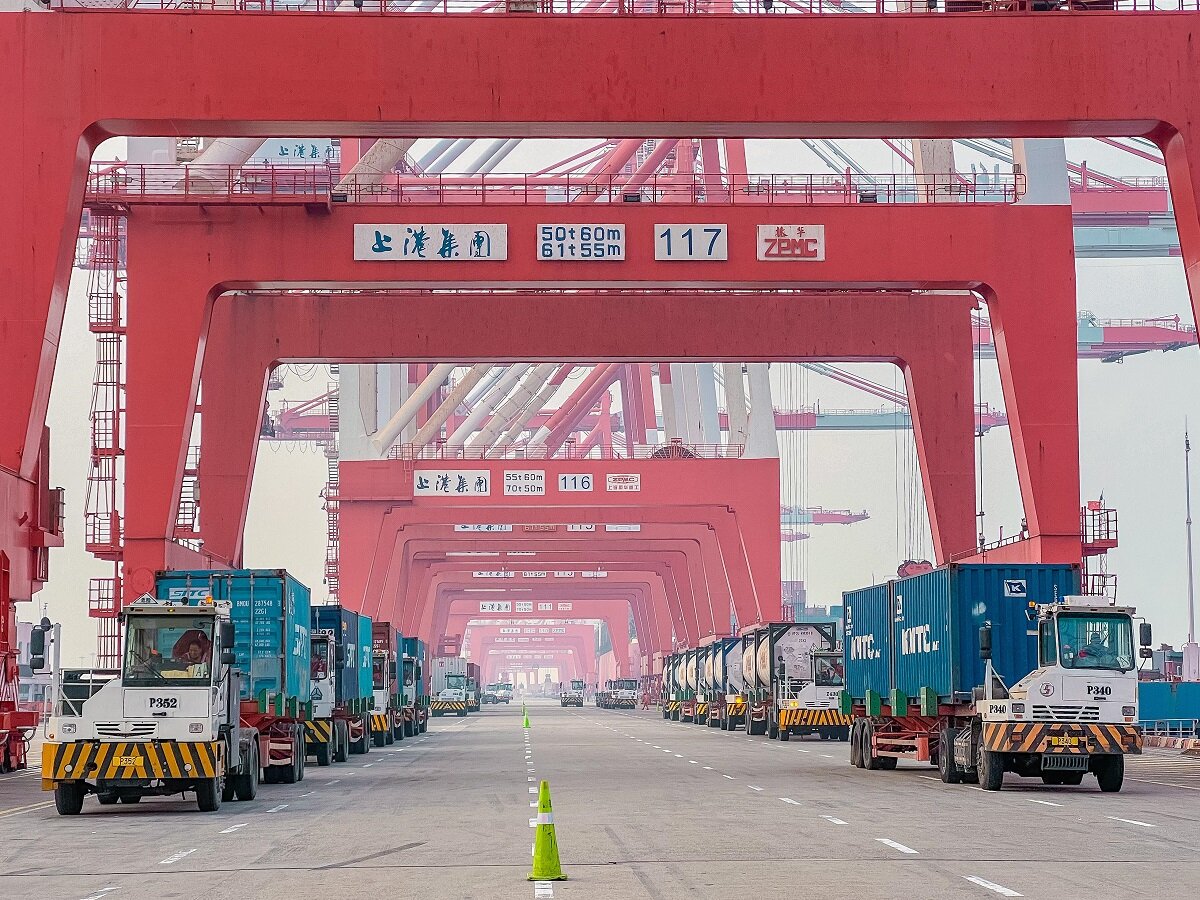
The performance of ports in different regions shows significant differentiation, with the growth rate of foreign trade throughput in ports such as Tangshan, Qingdao, and Yantai exceeding 7%. Nantong Port achieved a high growth of 15.4% relying on non coal business and foreign trade, while some regional ports experienced a slight decline due to the diversion of goods sources and the shrinkage of traditional cargo types. In terms of cargo structure, containers and liquid chemicals maintained high growth rates, while iron ore imports increased by 6.3% year-on-year, offsetting the continued weakness of coal transportation. High value-added export sources are replacing traditional bulk cargo and becoming the core support for port traffic volume.
Upgrading with digital intelligence to digest the increase in transportation volume
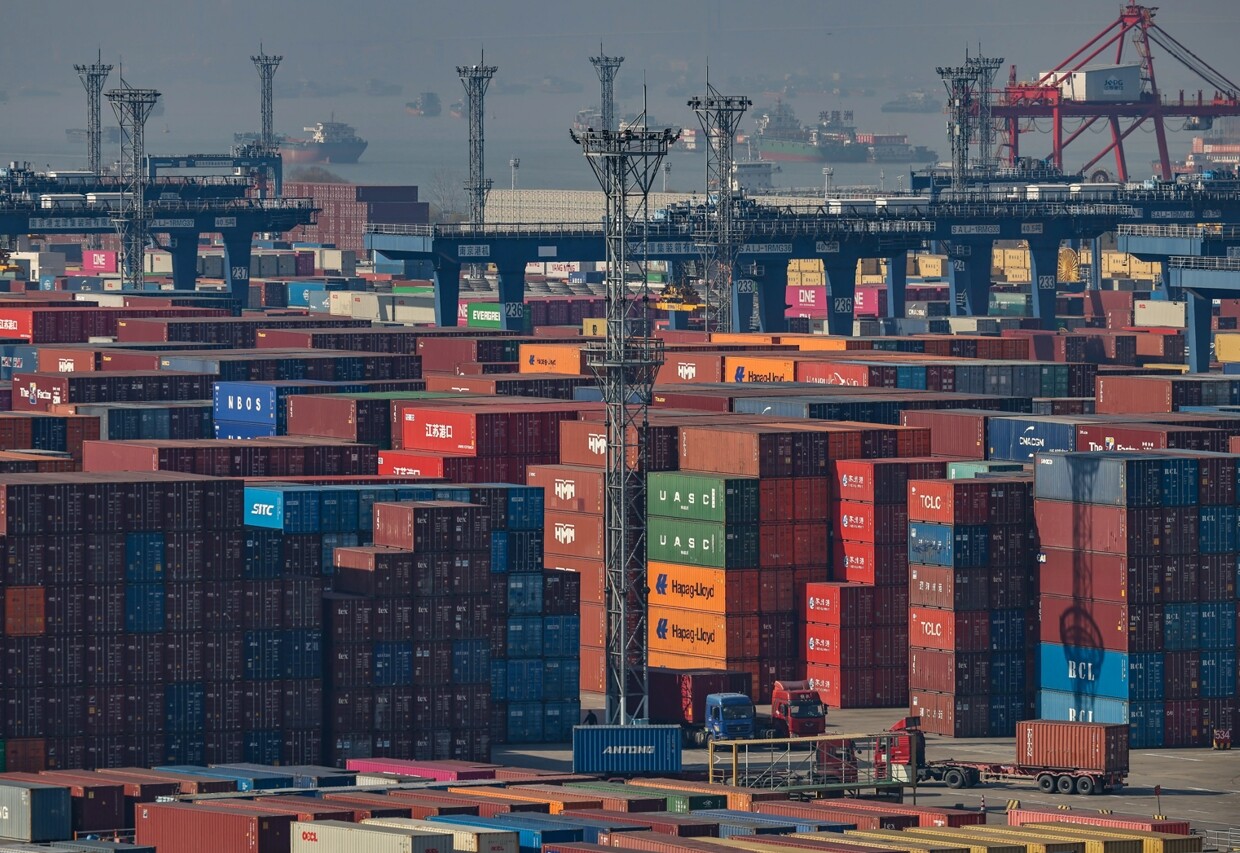
In the first half of the year, the container throughput of ports above designated size in China reached 180 million TEUs, a year-on-year increase of 5.9%, continuing the steady growth trend. All six major hub ports have achieved positive growth, and ports such as Tangshan Port and Huanghua Port have relied on inland port clusters and multimodal transport layouts to achieve double-digit growth in container throughput.
The Tianjin Port Smart Zero Carbon Terminal has achieved unmanned operation throughout the entire process through 5G, Beidou, and AI technologies, resulting in a 20% increase in operational efficiency compared to traditional terminals. Driven by multiple factors such as export rush and event stocking, the daily average number of waiting ships in ports across the country increased by 32.3% year-on-year, but the waiting time for ships actually decreased by 5.2% year-on-year. Through intelligent scheduling and capacity tapping, ports have fully absorbed the increase in traffic volume without systemic congestion.
Long term advantages of transition logic switching and anchoring
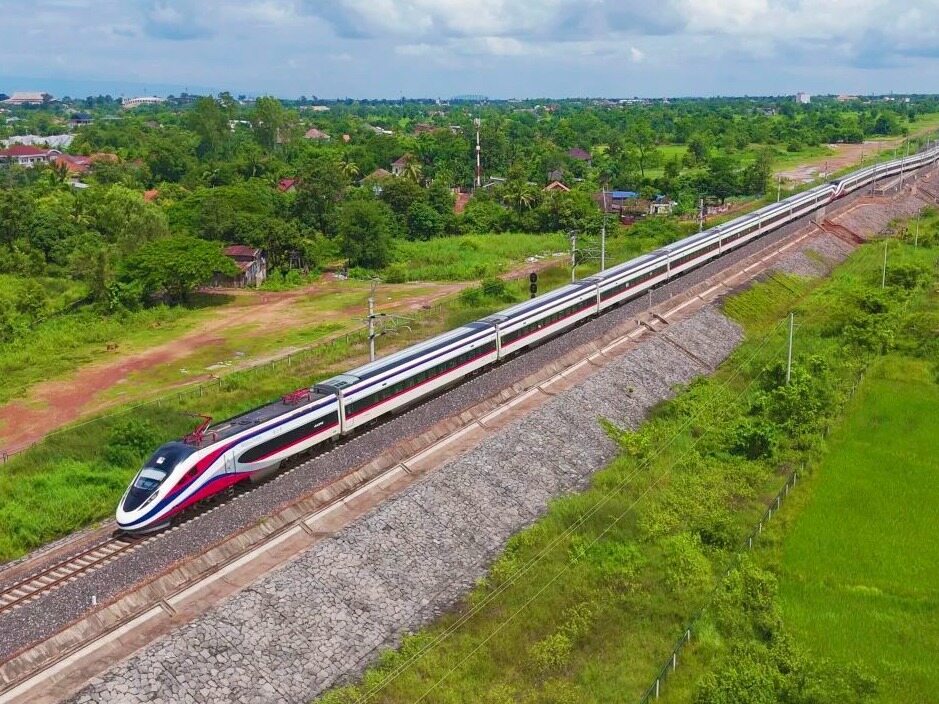
The growth rate of national port cargo throughput is expected to remain around 3% for the whole year of 2026, and the growth rate of containers will continue to be higher than that of bulk cargo. The industry's growth logic will completely shift from traditional bulk domestic demand to high value-added exports and emerging market expansion. In the future, the three major port clusters of Bohai Rim, Yangtze River Delta, and Guangdong Hong Kong Macao will focus on promoting cross regional rule exchange and business collaboration, and the integration of port clearance and multimodal transport will be fully implemented. Port big models, digital twins and other technologies will be replicated and promoted from benchmark ports to the entire industry, and green shipping corridors will also be expanded from pilot projects to standard international routes. In the current trend of oligopoly competition in the global terminal market, leading domestic port enterprises are accelerating their layout of overseas hubs, accumulating core chips for the global shipping landscape competition in the next decade. Keywords: Port Logistics, Chinese Ports
In the current uncertain global shipping market, the breakthrough of Chinese ports against the trend is essentially the result of the combined effects of industrial chain resilience and technological upgrading. This stable growth development path also provides a reference for the transformation of the global port industry.Editor/Cheng Liting
Comment






 Praise
 Collect
 Comment

 Share
Share


Write something~