 Search


- Long term shutdowns have caused damage to the project, and the well built pile foundation has been soaked and damaged by rainwater
Six years ago, Tanzania hastily halted the billion dollar Bagamoyo Port project and laid off more than 500 Chinese workers in order to align with Britain and Japan. Six years have passed, but there has been no substantial progress on this construction site. In 2025, Tanzania will pay 22 billion shillings and actively invite Chinese companies to return and continue the project. After such a big round, it is still Chinese companies that can truly implement the project.
In 2013, the two heads of state witnessed the signing and implementation of the Bagamoyo Port project, led by China Merchants Group. The total investment of this project is about 10 billion US dollars, with a planned construction of 28 professional berths and an annual container throughput of up to 20 million TEUs. It is also accompanied by the construction of an industrial park, which is a solid and large-scale project. At that time, Tanzania's national GDP was only 60 billion US dollars. This port was the core project they had been looking forward to for many years and could drive the country's turnaround. It was once known as Tanzania's "Shenzhen of Africa", and even the European Union praised it as a significant cooperation project in the 40 years since the establishment of diplomatic relations between China and Tanzania.
At the beginning of the project, the Chinese side advanced at a fast pace, and the preliminary work such as site leveling, geological exploration, and equipment entry was quickly implemented. Everything was steadily progressing. No one expected that in June 2019, the then President of Tanzania, Magufuli, suddenly announced the suspension of the project, claiming that the cooperation terms were too harsh, questioning that it was unreasonable for China to hold the 99 year operating rights, and even bluntly stating that "only drunkards would accept such terms". At that time, the West vigorously hyped up the "debt trap theory", and British and Japanese companies took the opportunity to constantly provoke and encourage Tanzania, which believed in empty promises, and ultimately insisted on sending away the Chinese construction team.
At that time, Britain promised to provide low interest loans, while Japan claimed to be able to customize financing plans and export cutting-edge technology, drawing a big cake. But when it comes to investing and promoting projects, countries are backing down one after another. The Japan International Cooperation Agency (JICA) was the first to shirk responsibility, admitting that its own capabilities can only undertake small and medium-sized projects and cannot support such a billion dollar project as a port. The UK is even more insincere, unable to come up with a formal implementation proposal from start to finish. Six years have been wasted, and the project has come to a standstill without any progress.
Long term shutdowns have caused severe damage to the project. The pile foundations that were built earlier were soaked and damaged by rainwater, and the steel structures that were constructed were all corroded and scrapped. Now, with the restart and reconstruction, the cost has increased by at least 30% compared to six years ago. Looking at other Chinese funded infrastructure projects in Africa, the gap is clear: the Mombasa Port in Kenya is built by China, with a cargo volume of over 45 million tons and a container throughput of over 2 million TEUs by 2025. Coupled with the Mombasa Nairobi Railway, it has opened up inland freight channels; Djibouti relies on the port transportation industry built by Chinese enterprises to achieve rapid economic development. Not only in Africa, but also in Europe, the port of Piraeus in Greece was once on the brink of decline and neglected. After Chinese companies took over the renovation, it quickly became a core port in the Mediterranean. The tangible construction achievements have already confirmed the hardcore strength of China's infrastructure.
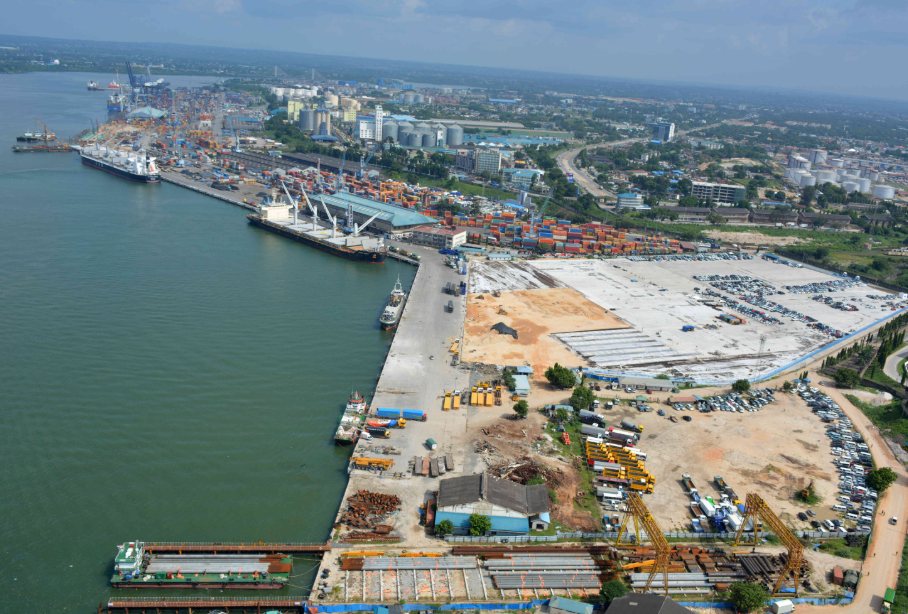
After President Hassan took office in 2021, the long-awaited Bagamoyo Port project was put back on the agenda. In February 2025, Tanzania signed a memorandum of understanding on cooperation with enterprises from China, Egypt, and Saudi Arabia; In October, a special allocation of 22 billion shillings was made as project start-up funds. Although this amount may seem huge, it is only enough to support preliminary work such as land acquisition compensation and site retesting in a billion dollar project. In November of the same year, Tanzania officially announced the resumption of work in December, and entrusted the construction and operation of the first three berths to professional enterprises.
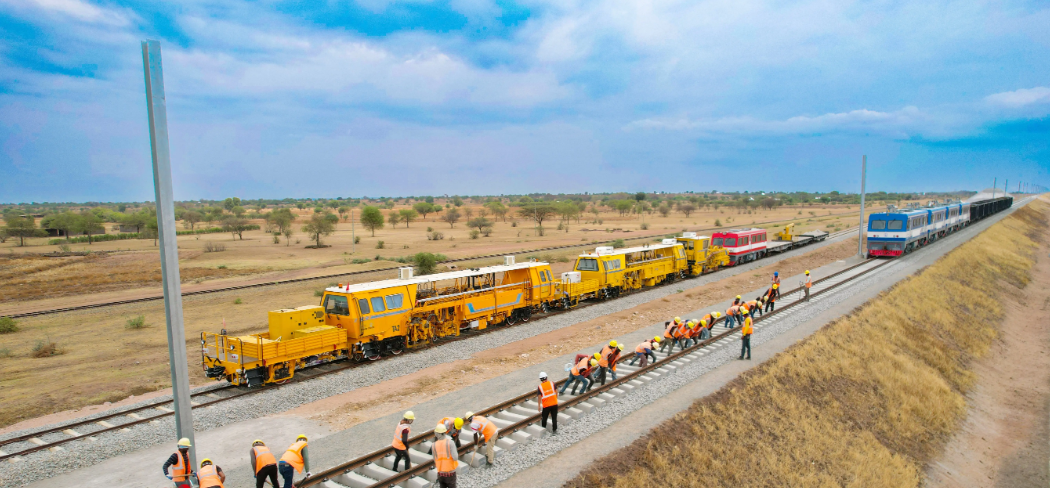
After six years of detours, Tanzania has become pragmatic and mature. In this restart of cooperation, both parties have optimized the cooperation terms, reducing the port operation period from 99 years to 33 years, increasing the Tanzanian shareholding ratio to 35%, and introducing multiple enterprises to participate in the project, clarifying rights and responsibilities in advance, clarifying rules, and avoiding potential disputes in the past. Not only port projects, but also China Tanzania cooperation continues to heat up, with the upgrading and renovation of the Tanzania Zambia railway. President Hassan personally attended the groundbreaking ceremony and publicly thanked the Chinese engineering team. Half a century ago, the Tanzania Zambia Railway, which China assisted in building, was hailed as the "Road to African Freedom". Today, the friendship between China and Tanzania continues, and a new chapter of cooperation has been written.
Throughout the ups and downs, it is not difficult to find that the competition for infrastructure cooperation has never been about fancy rhetoric and empty gimmicks, but about landing ability, performance reputation, and hardcore strength. Western countries are good at making empty promises and creating hype, while China has always adhered to practical actions and fulfilled every cooperation promise. Tanzania has spent six years and missed several years of development opportunities, finally realizing the core truth: national development cannot rely on attachment to other countries. Only by finding reliable partners and working hard can we seize development opportunities. This also serves as a reminder for Sino foreign cooperation that only by formulating fair terms and establishing a standardized cooperation system can the path of cooperation be stable and far-reaching. Unfulfilled verbal promises are ultimately worthless.Editor/Xuning
Comment




 Praise
 Collect
 Comment

 Share
Share


Write something~