 Search


- Innovative relay beam replacement technology, balancing railway traffic and engineering renovation needs
- Upgrading and renovating old bridges to achieve breakthroughs in non-stop construction of busy main roads
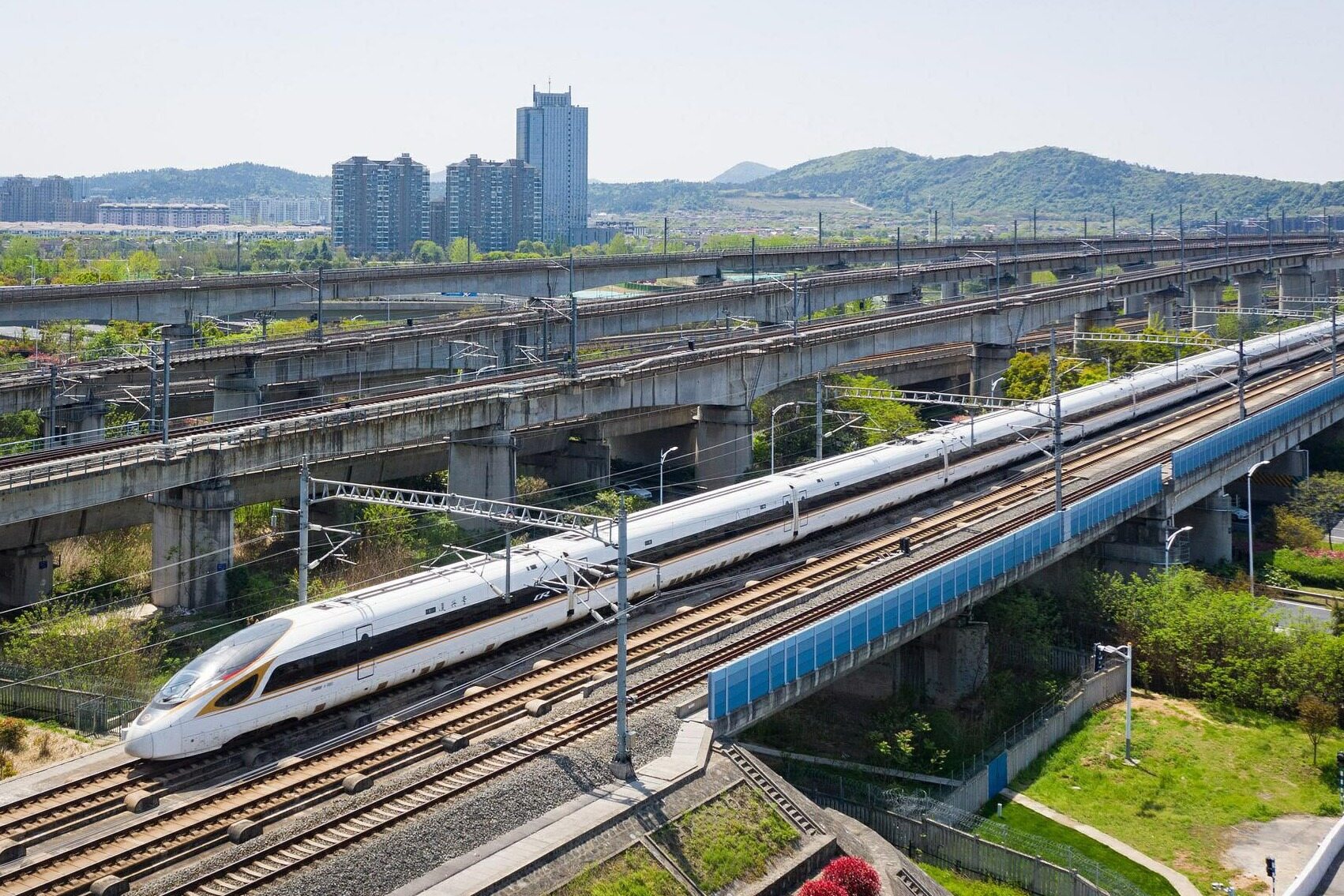
How long does a bridge have a lifespan? For the old bridge built in 1911 and spanning the Zaozhuang section of the Beijing Shanghai Railway, the answer is long enough - long enough to see the white smoke of steam locomotives, the roar of internal combustion locomotives, and now the speed of electric locomotives. But when the settlement of the bridge piers approaches the safety red line, this century old bridge must retire. The problem arises: it is impossible to press the pause button for the Beijing Shanghai artery, which has an average of 200 trains roaring by every day and an annual freight volume close to one-fifth of the country.
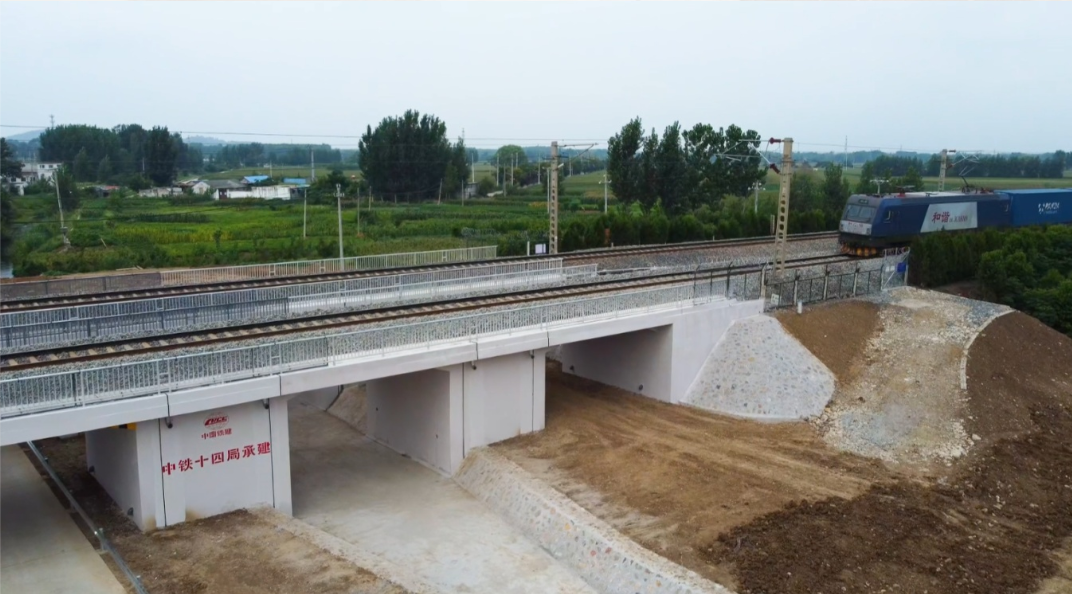
This is the question that China's infrastructure industry has repeatedly answered - how to complete high difficulty renovations on existing lines operating at ultra-high intensity, with zero downtime throughout the entire process. The conclusion of the beam replacement project in Zaozhuang section has given the answer. China Railway 14th Bureau did not choose to close the entire line, but instead used a relay beam replacement process to gradually transfer the load of the old bridge, pour the new bridge side synchronously, and smoothly switch the line. The whole process is like a heart bypass: the blood cannot stop, the incision must be accurate, and the time window is measured in minutes.
Leave certainty in the factory
The first key to surgical construction lies in the industrial capabilities of prefabrication and modularization. More than 90% of the processes are prefabricated off-site, and the construction site is more like a precision assembly workshop - leaving uncertainty in the factory and bringing certainty to the site. This is a microcosm of China's infrastructure shifting from human wave tactics to industrial manufacturing.
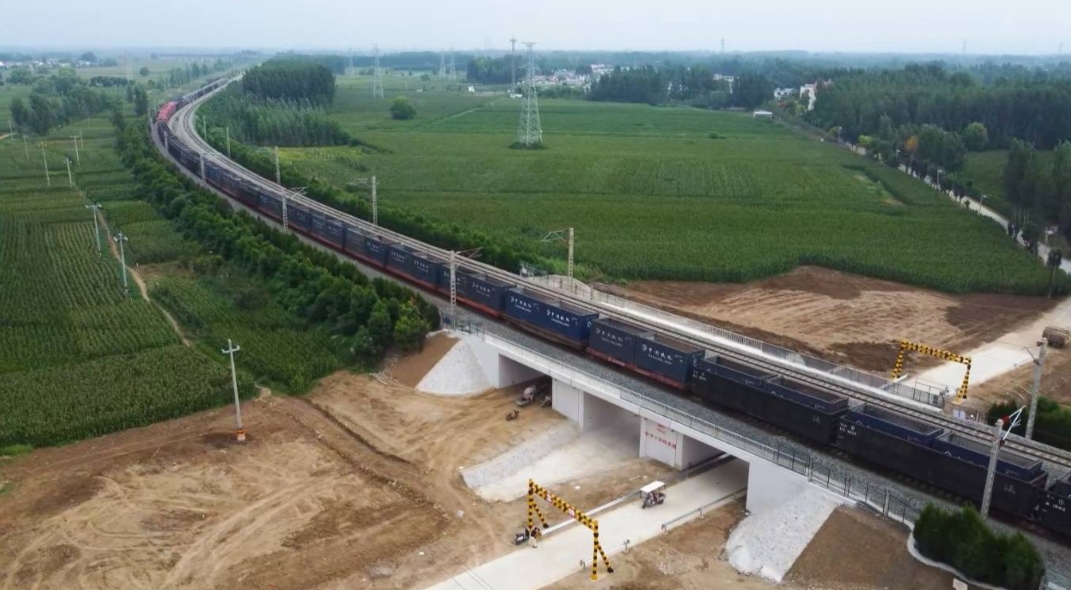
All key tasks are compressed and implemented during the window period between night trains, with each minute accurately assigned to a specific process. This granularity management reflects the deep transformation of construction organization from extensive to refined. On a global scale, there are only a few cases where non-stop beam replacement can be achieved on such busy main lines, which itself is a manifestation of technological discourse power.
Millimeter level protection of major arteries
The second layer of support comes from a dual safety net of security redundancy. The train approach warning and real-time monitoring system for bridge pier settlement are deployed in parallel, building a dual defense line of civil defense and technical defense. Under the continuous vibration of 200 trains per day, any millimeter level anomalies must be captured as soon as possible. This is not excessive caution, but a bottom line reverence for public safety. When a passenger train passes through a bridge area undergoing beam replacement at a speed of hundreds of kilometers per hour, the fluctuation of data from every sensor is related to the safety of hundreds or thousands of families. China's infrastructure has won public trust by instilling safety in every bolt.
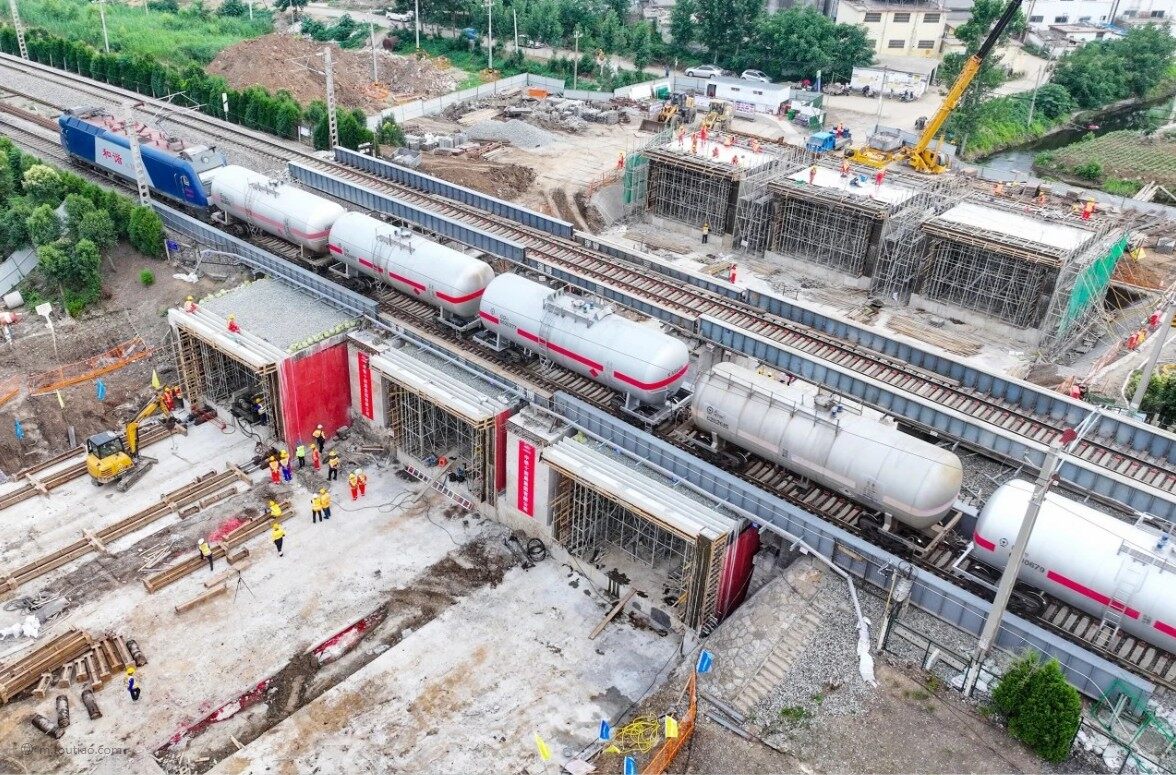
Construction and maintenance transformation from large to strong
This beam replacement project is far more than just the upgrading of a bridge. It is a landmark slice of China's railway network from large-scale construction to high-quality operation and maintenance. When the eight vertical and eight horizontal high-speed railway networks are basically formed and the existing trunk lines are approaching saturation, how to repair and replace them during use and operation will become the main battlefield of China's infrastructure construction in the next decade. Keywords: Beijing Shanghai Railway, China Railway 14th Bureau, Railway
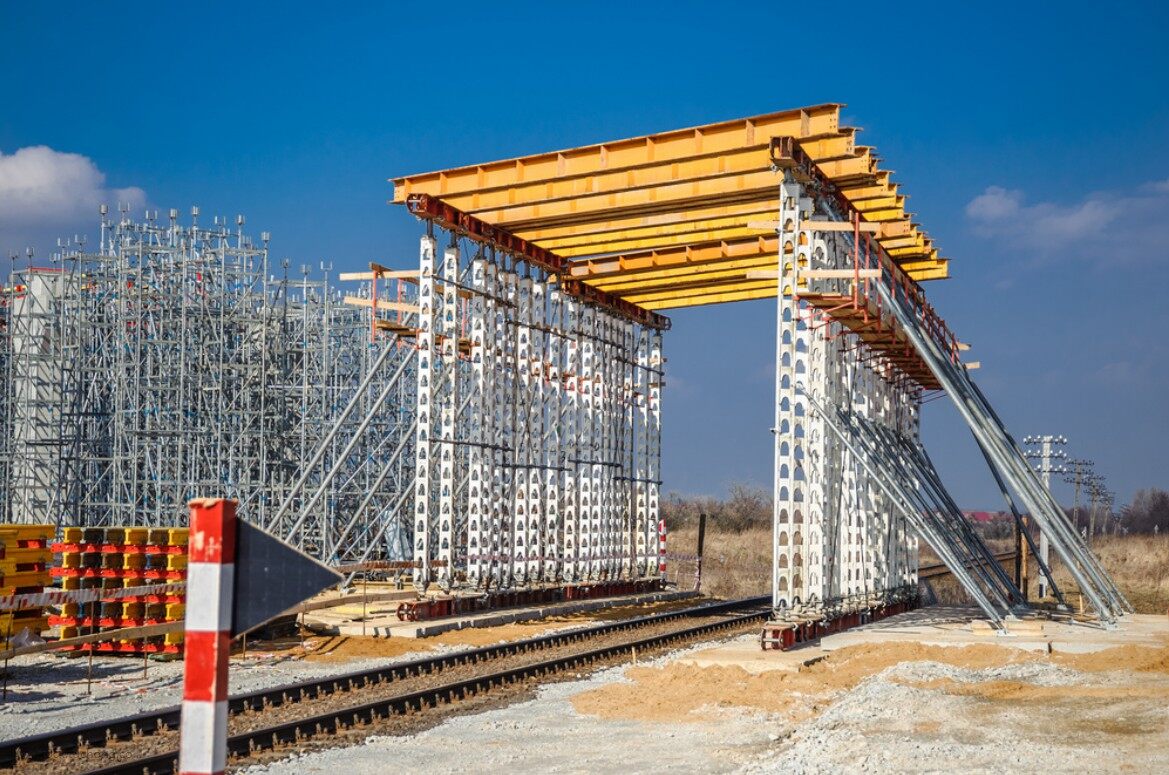
An old bridge from 1911 has been decommissioned, but every train of goods and every passenger it has carried will not notice this bone replacement. This may be the best project - it solves the problem but makes the world feel that the problem does not exist. This is precisely the necessary path for China's infrastructure to move from being large to strong: it is not necessary to declare its existence with force, but to use silent precision to keep the giant system running continuously.Editor/Gong Ziwei
Comment



 Praise
 Collect
 Comment

 Share
Share


Write something~