 Search


- Geopolitical situation disrupts energy market, completely rewriting the original rhythm of global LNG supply and demand
- The oversupply cycle is forced to be postponed, forcing countries to reconstruct their cross-border energy security systems
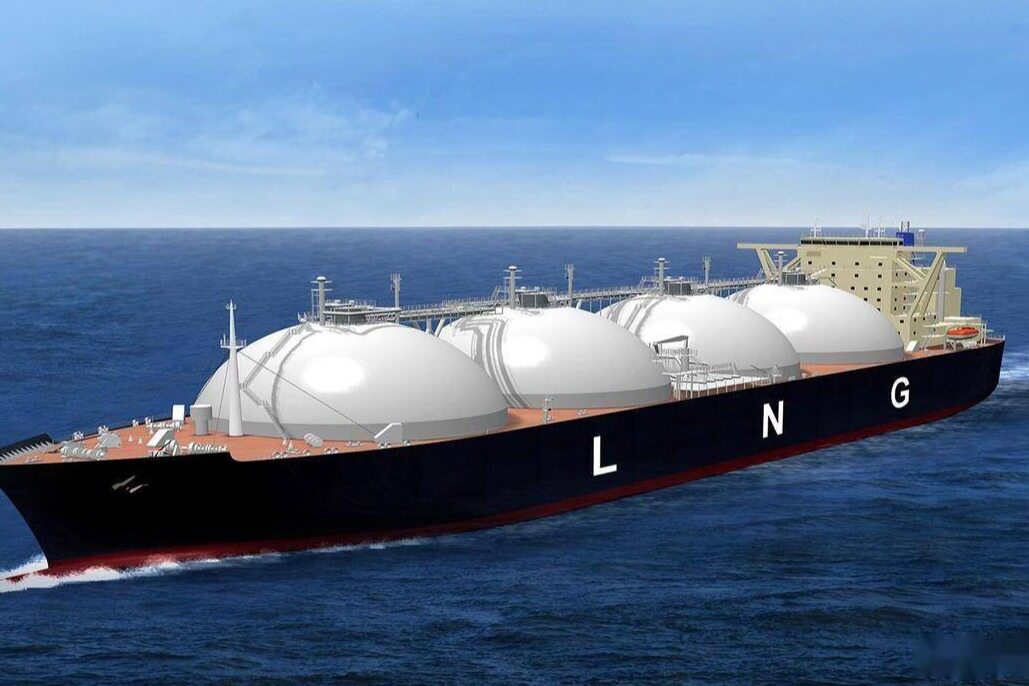
Before the outbreak of the conflict, the global LNG market was expected to see a large-scale release of production capacity, and massive new projects in the United States and Qatar were about to land. The industry generally predicted that the market would quickly enter a loose phase of oversupply. However, the sudden change in the situation in the Middle East has disrupted market expectations, highlighted the short-term supply gap, and temporarily postponed the expected surplus market, leading to a deep adjustment in the global energy trade pattern.
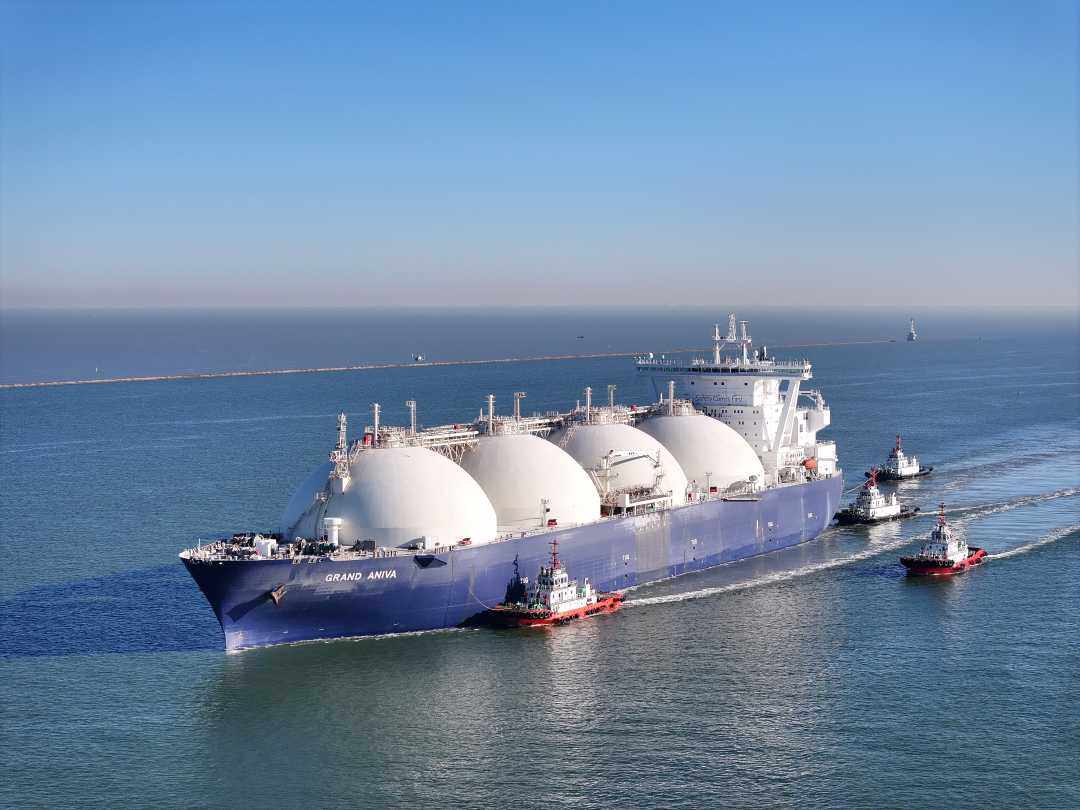
Expected surplus turning into short-term shortage
Previously, there was a clear imbalance in market supply and demand data, with global LNG supply expected to increase by 30-35 million tons in 2026 and another 60 million tons in 2027. The total increase in supply over the next two years far exceeds the total demand increase of 60 million tons. The Middle East conflict has completely reversed the short-term trend, with restricted navigation in the Strait of Hormuz and affecting 20% of global LNG trade. This will result in a loss of 40 million tons of supply this year, with an additional reduction of 20 to 25 million tons per year from 2027 to 2029. Increasing production in multiple countries and controlling demand at high prices have become the main ways to rebalance the current market.
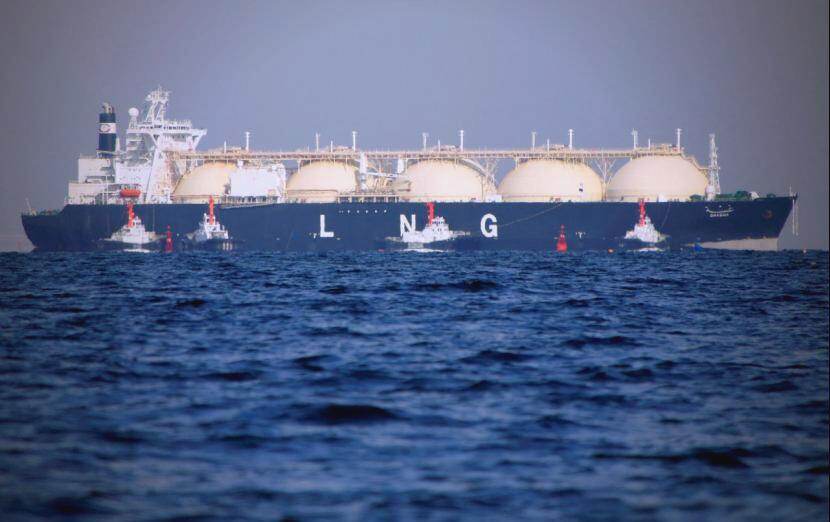
Excess delay has not completely disappeared
This round of supply shortage is only a temporary phenomenon, not a long-term pattern change. After the resumption of Middle Eastern shipping and facility repairs, Qatar expansion projects, and the continuous release of US production capacity, the trend of market overcapacity will eventually return. The export capacity of LNG in the United States is steadily increasing, reaching a historical high of 109 million tons in 2025. The production capacity is expected to double from 2025 to 215 million tons per year from 2029 to 2030. By 2030, the global LNG production capacity will increase by over 250 million tons, far exceeding the demand increase of 150 to 170 million tons, and the excess market will once again emerge. Keywords: LNG supply and demand pattern, energy market restructuring, geopolitical energy risks
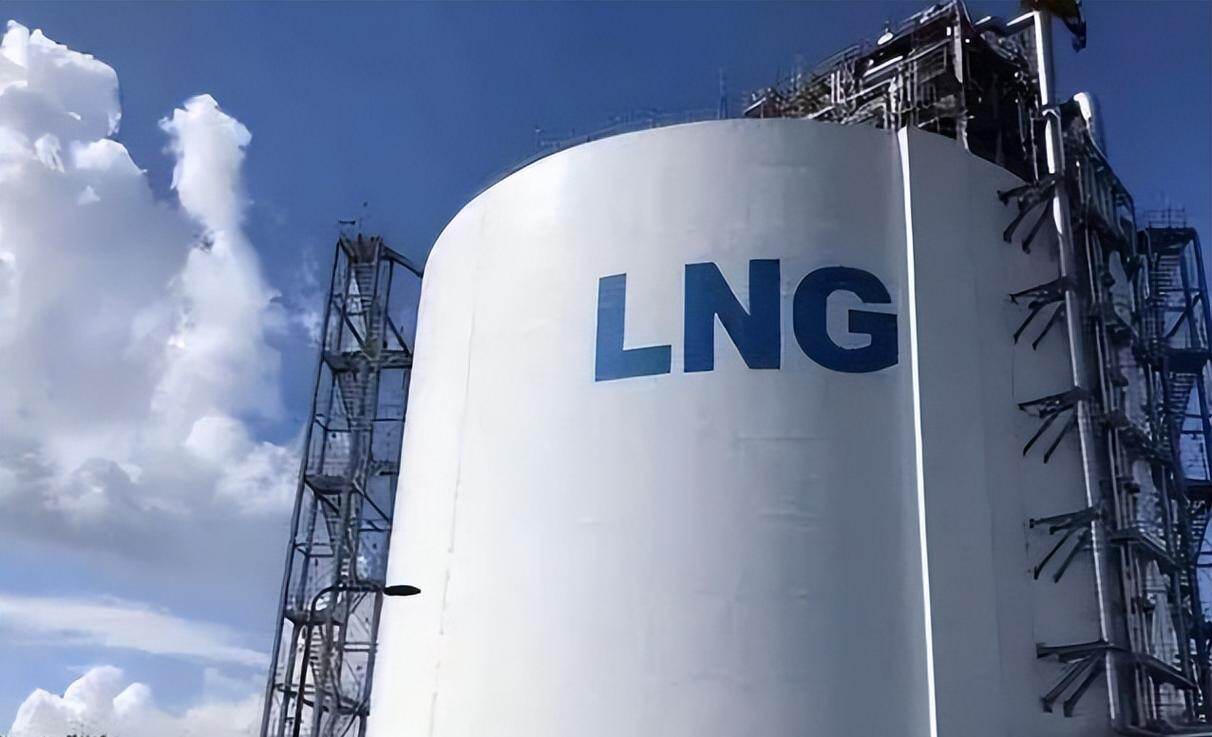
Market restructuring gives rise to new trends
Changes in supply and demand patterns reshape industry ecology and procurement strategies of various countries. The profitability of old LNG production capacity with high costs, weak guarantees, and distant markets is under pressure, and the operating rate continues to decline. Inefficient facilities are facing storage risks. At the same time, importing countries are paying more attention to energy security, prioritizing low geopolitical risk sources and transportation channels, and making procurement contracts more flexible and diverse. Various countries are accelerating the layout of gas storage facilities and pipeline gas projects. China's gas storage capacity has exceeded 50 billion cubic meters, and its future scale is expected to double, laying a solid foundation for energy supply. In the long run, the global LNG market will usher in a new investment window after 2035, filling the gap in long-term market demand.Editor/Min Jing
Comment

 Praise
 Collect
 Comment

 Share
Share


Write something~