 Search


- One order system and data connectivity promote the acceleration of multimodal transportation
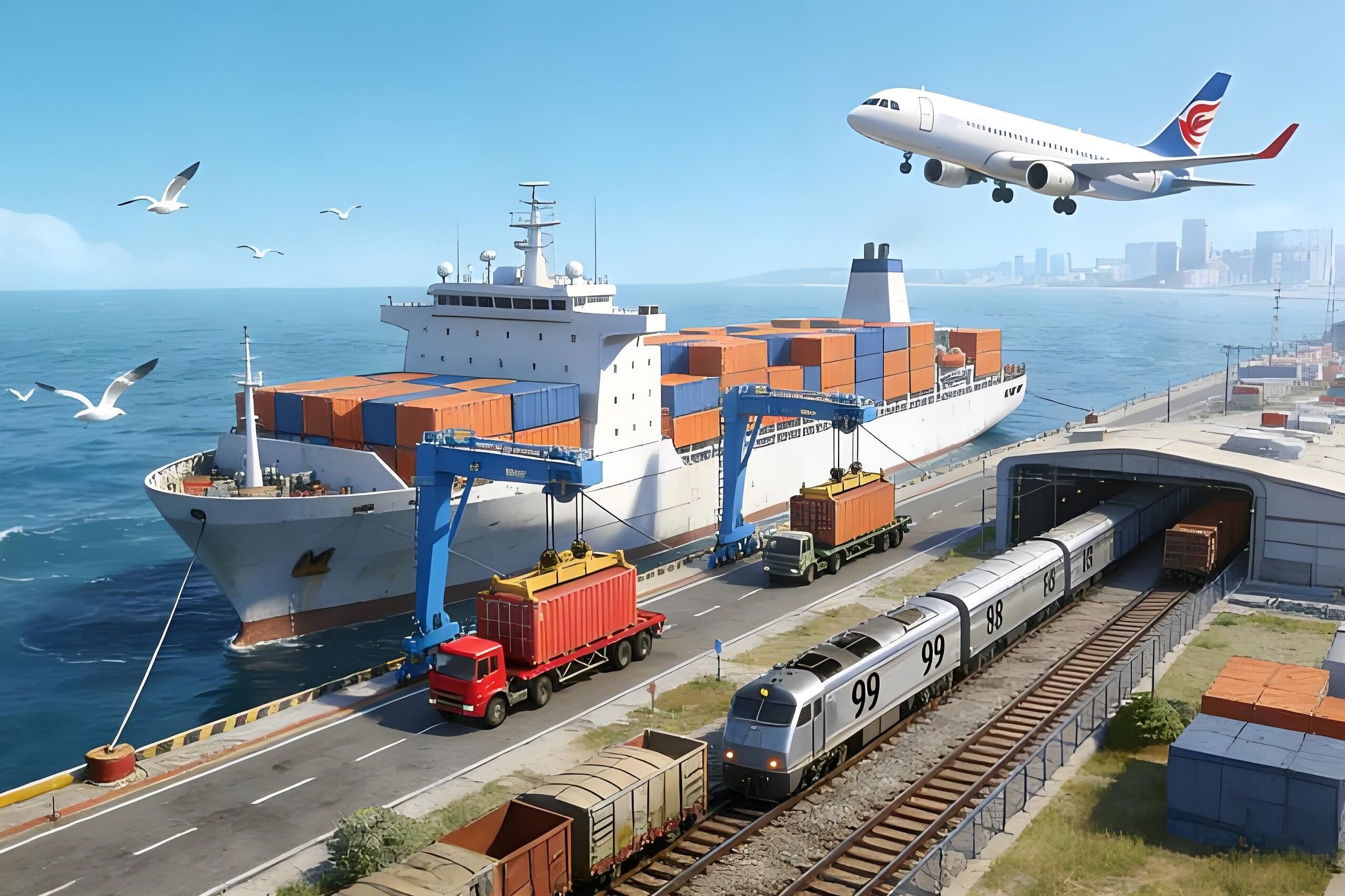
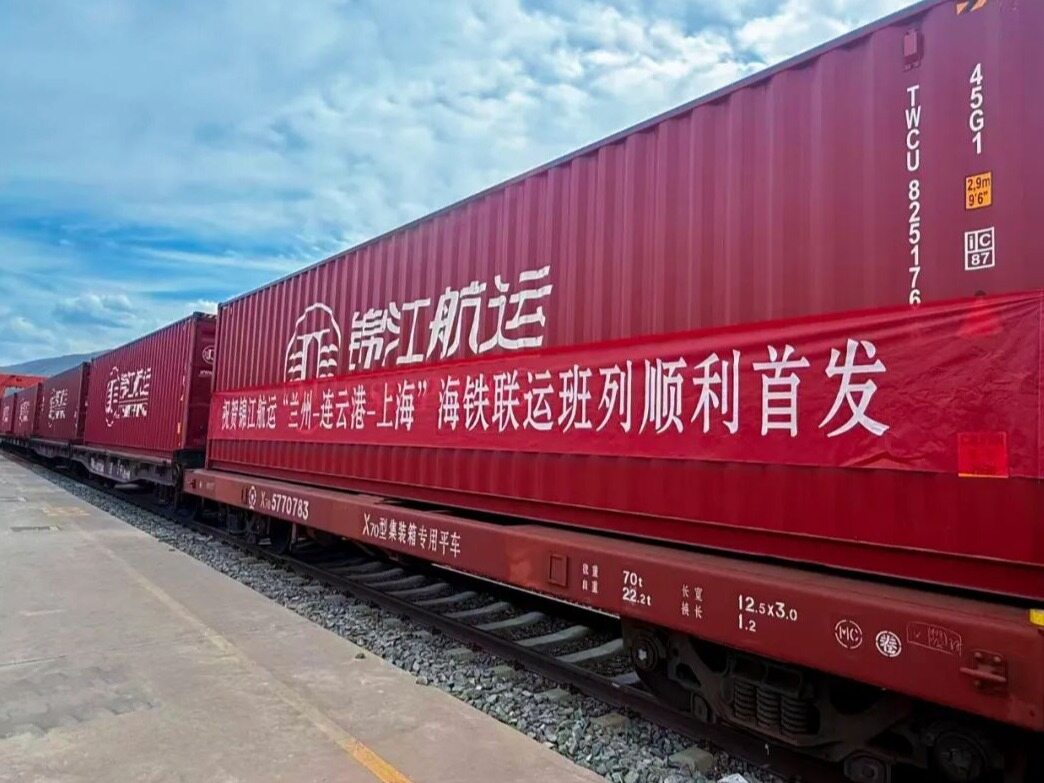
As summer transportation enters its peak period, the overall business volume index in the multimodal transport sector has reached 54%, with a month on month increase of 0.5 percentage points. From fresh fruits and vegetables to coal and steel, the transportation of goods and materials related to the national economy and the people's livelihood remained stable, although it was greatly affected by adverse weather such as rainstorm, typhoon and high temperature. From January to July 2026, the national railway has launched a total of 165 single unit products for iron rail intermodal transportation, with a year-on-year increase of 9.2% in container iron rail intermodal transportation volume and 294 million tons of railway public intermodal transportation volume, a year-on-year increase of 80.9%. From top loading containers in Jiujiang, Jiangxi to direct sea rail connections in Qingdao, Shandong, from the smart shipping platform in Jingjiang, Jiangsu to the trusted data space of the national logistics industry, multimodal transport is accelerating with data connectivity from one order to the end.
Jiujiang Iron and Steel Intermodal Transport connects the river and the sea
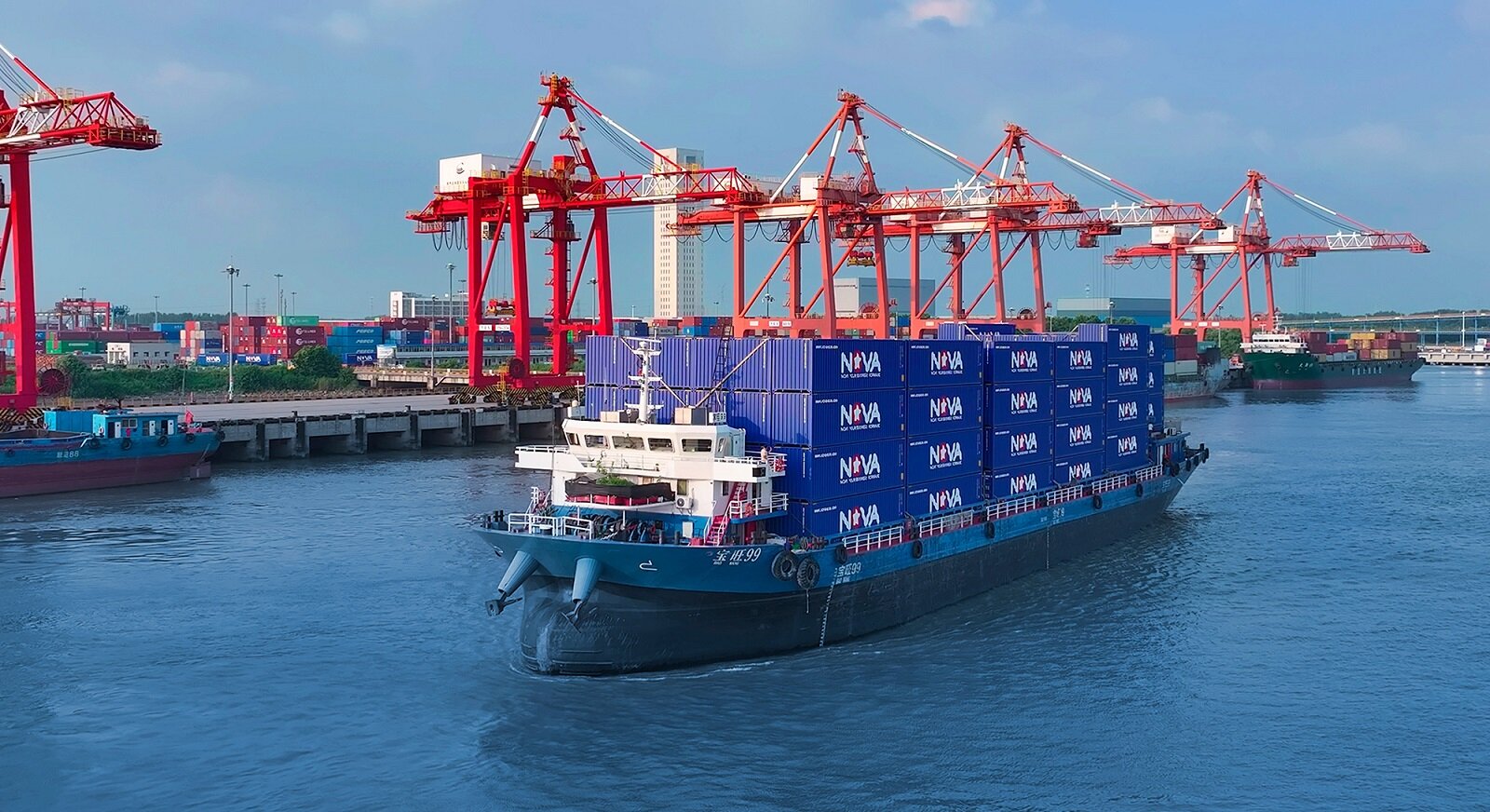
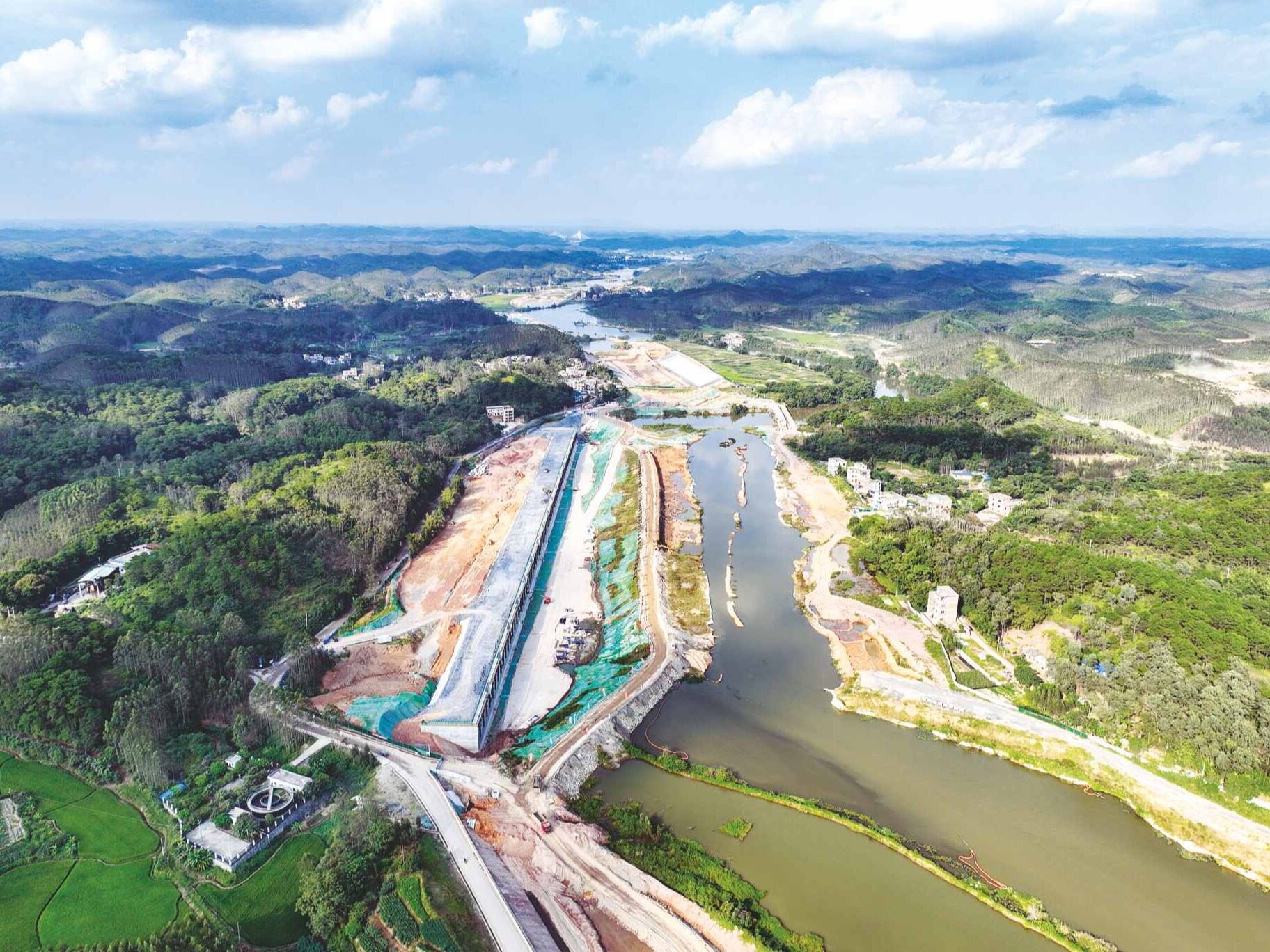
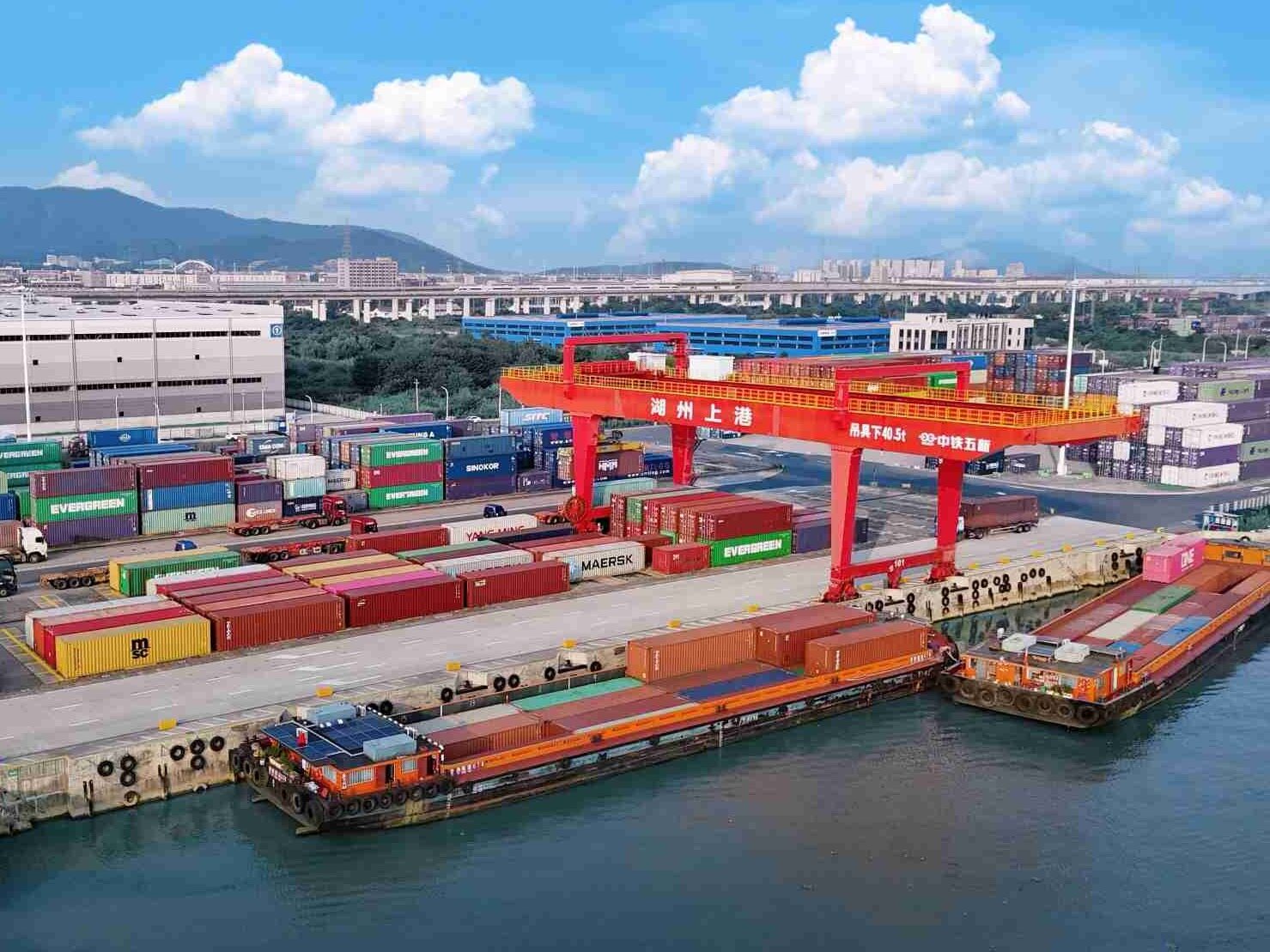
Jiangxi Jiujiang Chengxi Port is an important multimodal transportation hub in the middle reaches of the Yangtze River. During the summer transportation period, the railway freight frequency in Chengxi Port Area continued to increase, and the volume of multimodal transport business steadily increased. Top loading containers are widely used in the intermodal transportation of grain and iron from the north to the south. Grain is transported by water from the production areas of North China and Northeast China to Chengxi Port, filled into containers by conveyor belts, transported to the operation area by short haul trucks on site, and then transported to various railway stations within the province by dedicated railway lines, saving manpower and reducing cargo damage. Jiujiang Port has formed mature and stable intermodal logistics channels for transporting grain from the north to the south, coal from Shaanxi to Jiangxi, and timber to Jiangxi. Each container has a unique container number as its ID card, and the entire process is automatically identified and located, relying on different system platforms to achieve full tracking and collaborative scheduling.
Qingdao Port One Order to End Model
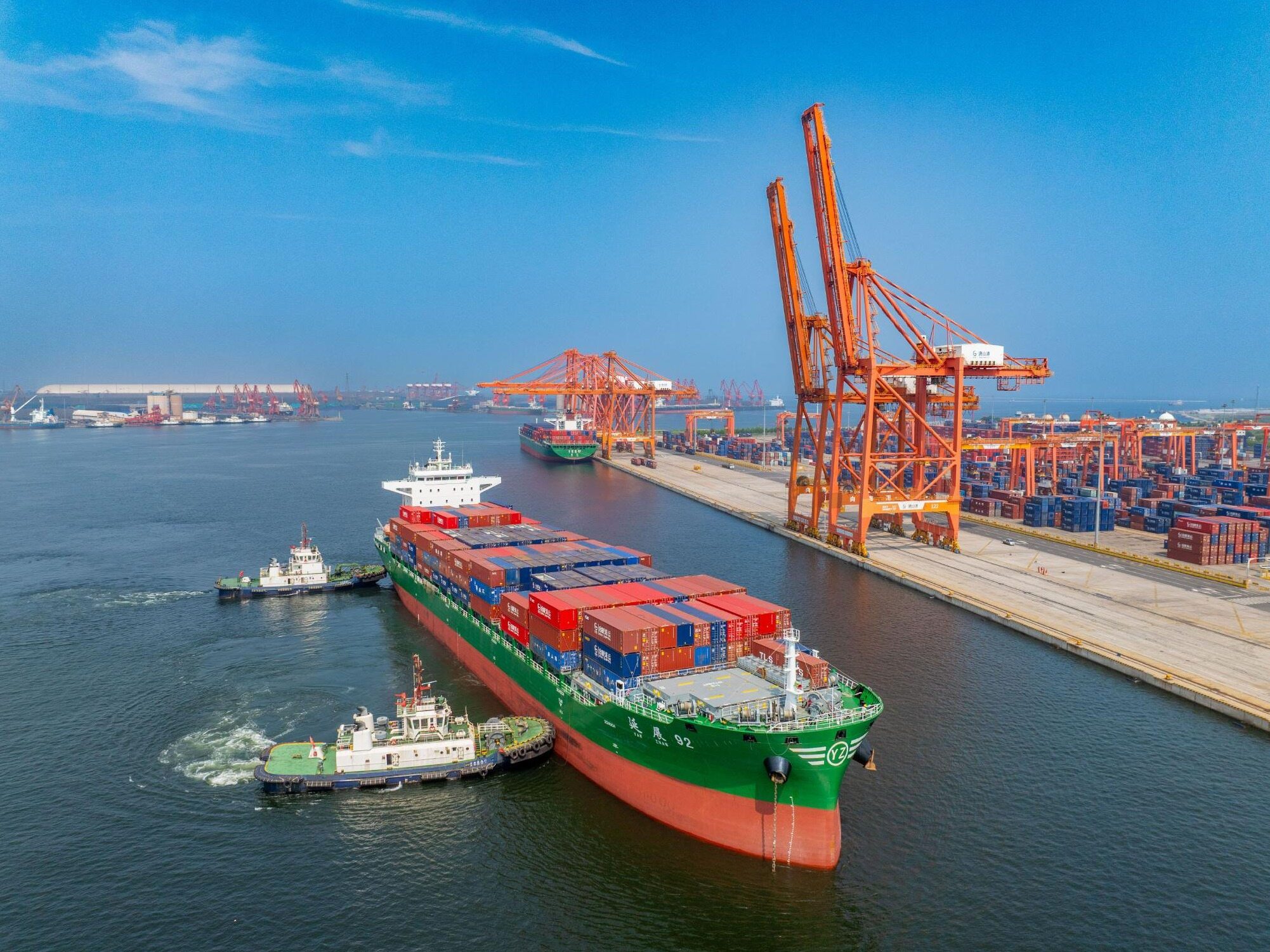
Recently, a batch of exported medical equipment took a train from Xinxiang International Land Port Railway Station in Henan Province to Qingdao Port. The carrier only needs to submit a multimodal transport application form to the customs to complete the entire process of sea and railway transportation in one go, which is equivalent to processing a sea bill for the goods inland. Qingdao Port has innovatively launched a full process intermodal bill of lading, upgraded the sea rail direct checkpoint, and directly lifted the goods onto the ship by train upon arrival at the port. Under the new mode, goods can be declared and inspected by customs at the inland port in one go, and there is no need for secondary declaration or unpacking inspection upon arrival at Qingdao Port, achieving one-time inspection and full area passage. Each box of goods saves 200 yuan in logistics costs, saves more than 1 day of waiting time in port storage, and increases efficiency by 30%. There are already 57 inland ports that have established rail sea linkage business with Qingdao Port. From January to July this year, Qingdao Port's sea rail intermodal export cargo containers increased by 23% year-on-year. Keywords: logistics news and information, multimodal transportation, smart platform, digitalization
Smart platform breaks down data barriers
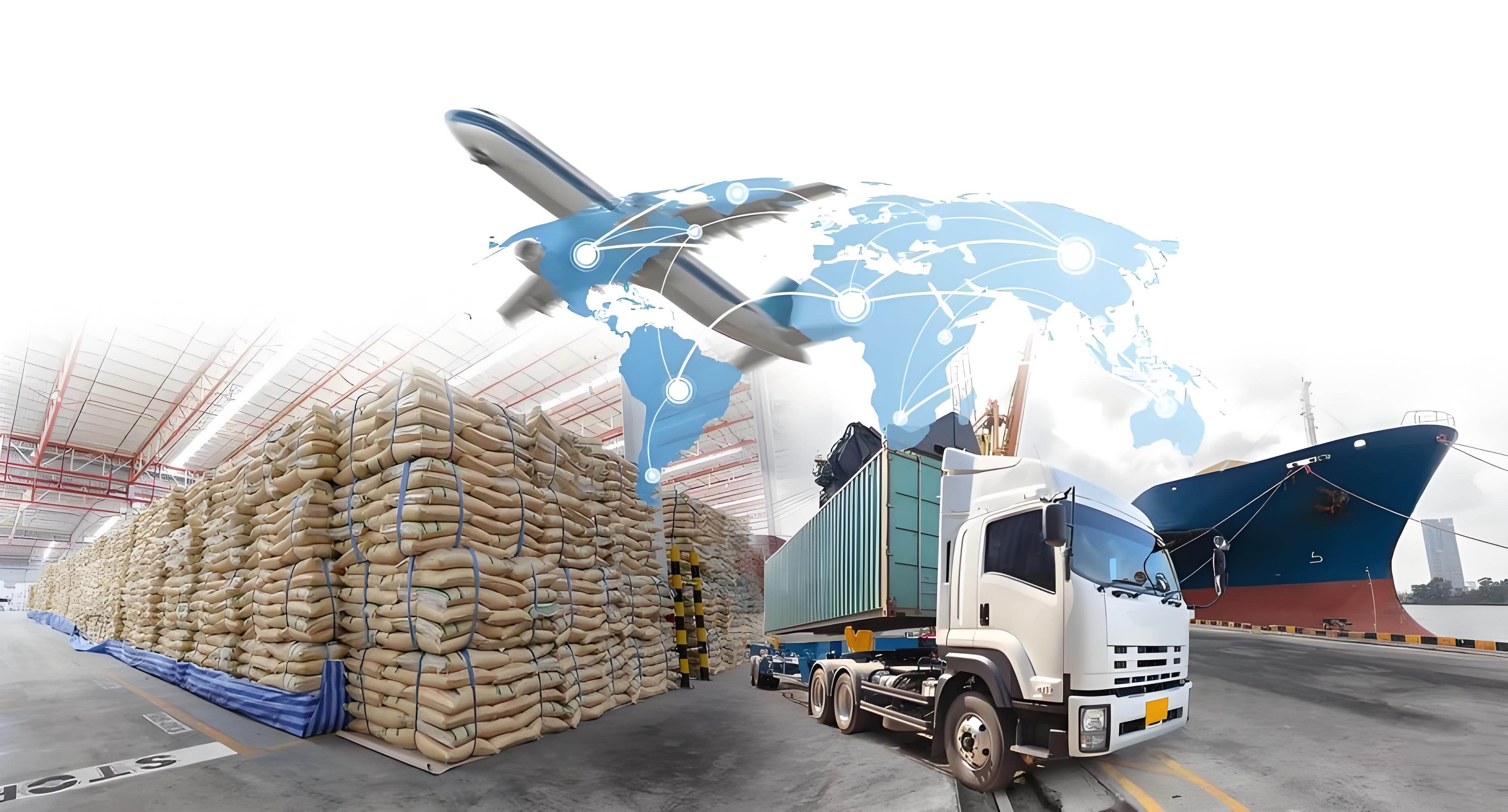
At the Jingjiang Port terminal in Jiangsu, several loading machines orderly transfer 50000 tons of coal from sea vessels to river ships, with one waybill covering multiple transportation routes such as river sea intermodal transportation and public water intermodal transportation. The smart shipping service platform is linking upstream and downstream ecosystems to create an industry data base, integrating business information such as cargo sources, ships, routes, and waybills, as well as hub services, loading and unloading scheduling, hydro meteorology, waterway gates, road transportation, and other cross regional and cross transport mode information, covering over 6000 shippers, more than 90000 ship owners, and hundreds of important logistics nodes upstream and downstream. In February of this year, the trusted data space for the logistics industry was officially launched for trial operation. By breaking down data barriers across entities and transportation modes, it securely and compliantly connects core logistics data such as railways, highways, and water transportation, serving multimodal transport scenarios. The new order index and inventory turnover index in the field of multimodal transportation have both rebounded month on month, reflecting the rapid growth of demand for goods intermodal transportation and the effective improvement of intermodal transportation efficiency.Editor/Gao Xue
Comment

 Praise
 Collect
 Comment

 Share
Share


Write something~