 Search


- Facing the extreme desert environment and solidifying the foundation of new energy construction through technological breakthroughs
- Relying on intelligent devices to reduce costs and increase efficiency, improve the quality and efficiency of operation and maintenance of new energy bases
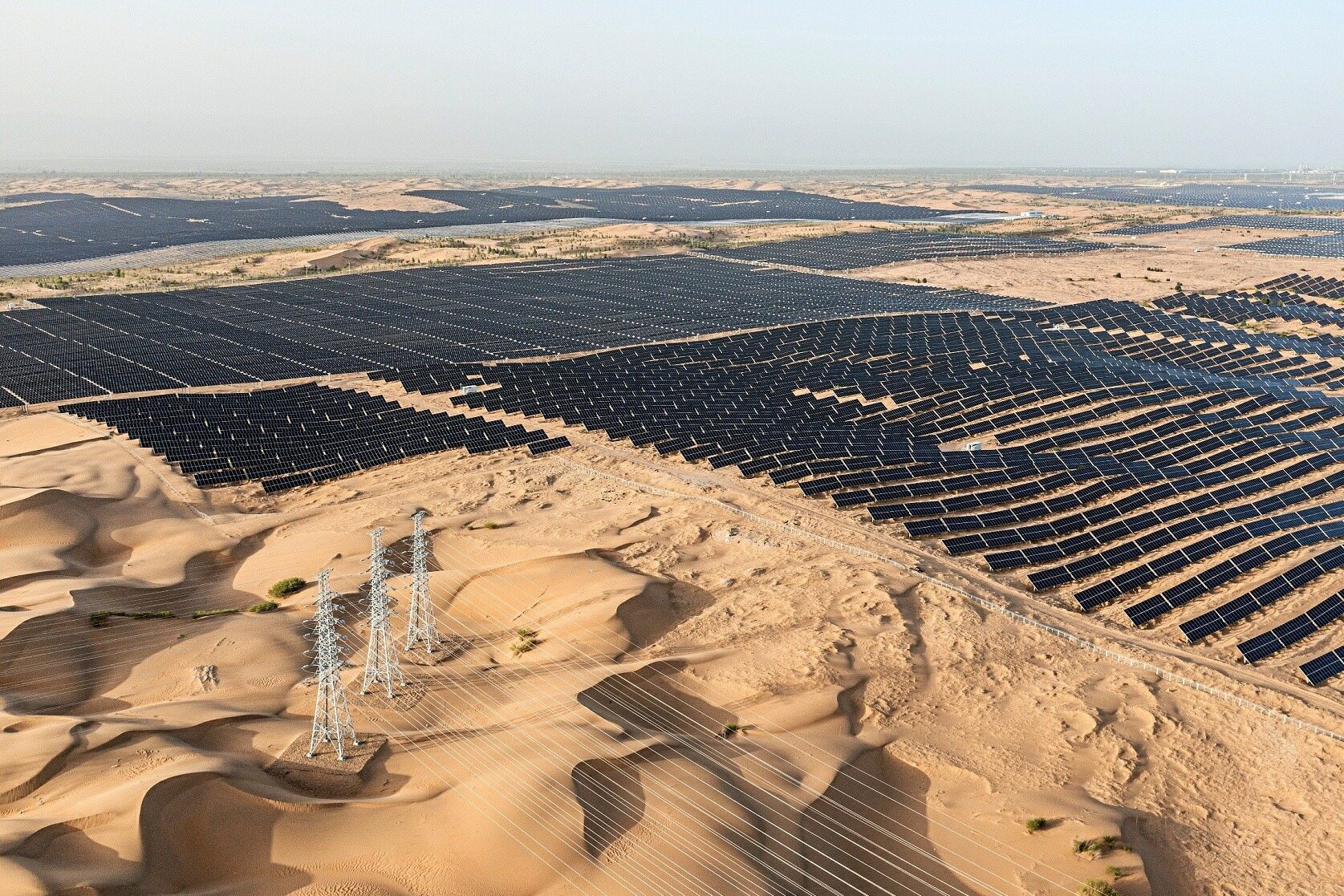
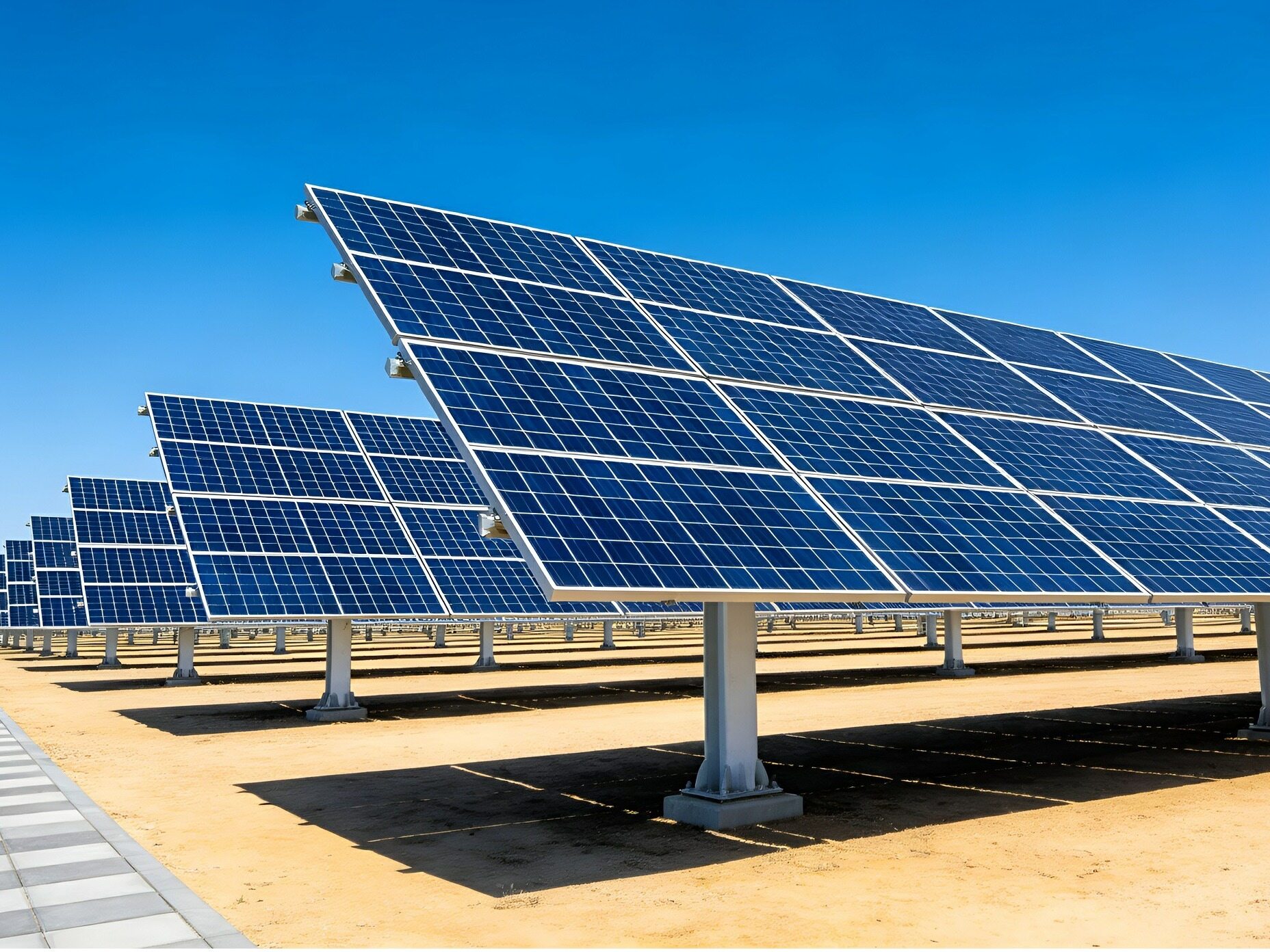
On the vast desert, photovoltaic panels and wind turbines are spread out in tandem. China is accelerating the construction of a large-scale new energy base in Shagehuang, connecting the entire chain of green power production, operation, and consumption, and exploring the path of energy development and ecological synergy. The reporter recently conducted on-site visits to Ningxia, Inner Mongolia, and Xinjiang.
Construction to overcome desertification
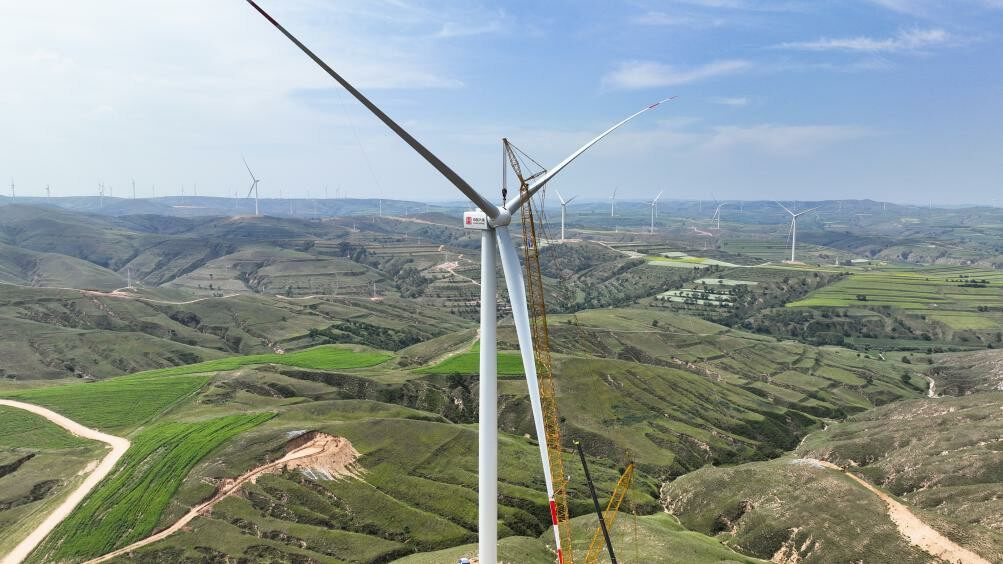
The desert environment places extremely high demands on equipment and construction. The 2 million kilowatt wind and solar power project in Monchito is located at an altitude of over 1500 meters, with strong gusts and extremely cold winters. The construction team completed the survey by stepping on snow and climbing hills, dismantled and transported the fan components, and closely monitored the weather window to grab the lifting. In response to harsh conditions such as mountainous areas, strong winds, and low temperatures, the optimization plan is tailored to local conditions: fixed and flexible supports are used in mountainous areas, components are reinforced in strong wind areas, and warm sheds are erected in low temperature environments to ensure concrete construction.
The Tengger Desert Base focuses on overcoming the problem of drift sand and hole collapse, innovates the technology of hole drawing, water injection and sand fixation to complete piling, and uses large tree type overhead support to make the photovoltaic panel more than two meters above the ground, creating a wind sand resistant photovoltaic forest.
Empowering intelligent operation and maintenance
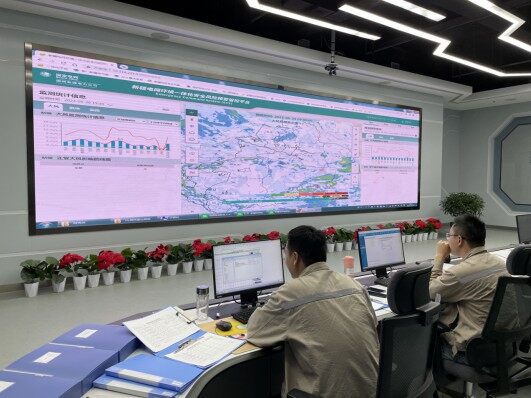
The operation and maintenance of desert bases are comprehensively moving towards intelligence. Only 7 operation and maintenance personnel can manage and maintain over 2 million photovoltaic panels at the 1 million kilowatt photovoltaic base in Kunyu, Xinjiang. The drone equipped with infrared equipment completes a formation inspection in 10 minutes, automatically identifies hidden dangers such as hot spots and dust accumulation, and generates work orders; Automatic cleaning robot high-frequency cleaning panel, reducing labor input by 80%. The Monchito project has deployed 6 drone nests to achieve regular autonomous inspections, which can detect hidden dangers that are not easily detected by humans.
Cracking the consumption problem
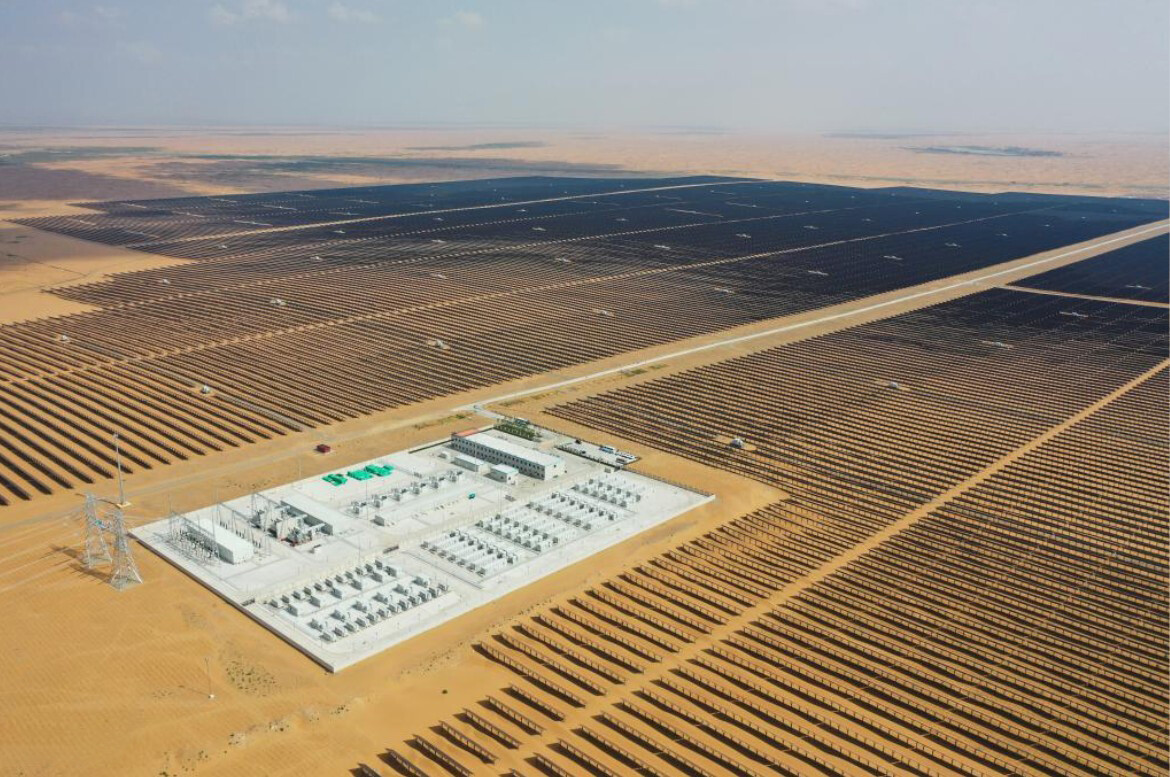
China's wind and solar resources are concentrated in the Three North regions, while electricity demand is concentrated in the eastern and central regions. There is a spatial and temporal contradiction in the consumption of green electricity. Various regions adopt a two-way path of external transmission and on-site utilization: Xinjiang has built multiple ultra-high voltage external transmission channels, sending green electricity to 23 provinces and regions, and plans to exceed 60 million kilowatts of external transmission capacity by 2030; Ningxia Zhongwei is promoting the coordination of computing and electricity, with photovoltaic direct supply data center clusters, outputting 2.29 billion kilowatt hours of green electricity annually. Keywords: desert, new energy, photovoltaic desertification control
Ecological integration is being promoted synchronously. Inner Mongolia promotes complementary grazing and photovoltaics, with grazing under photovoltaic panels reducing breeding costs; More than 1.2 million sand plants have been planted under the Tenggeliji floor, significantly increasing vegetation coverage and gradually transforming sand dunes into oases.Editor/Gong Ziwei
Comment


 Praise
 Collect
 Comment

 Share
Share


Write something~