 Search


- EU carbon tariffs extend to photovoltaics and energy storage, with carbon emissions declaration starting from October 2026
- The compliance cost of enterprises will directly fluctuate with their carbon footprint
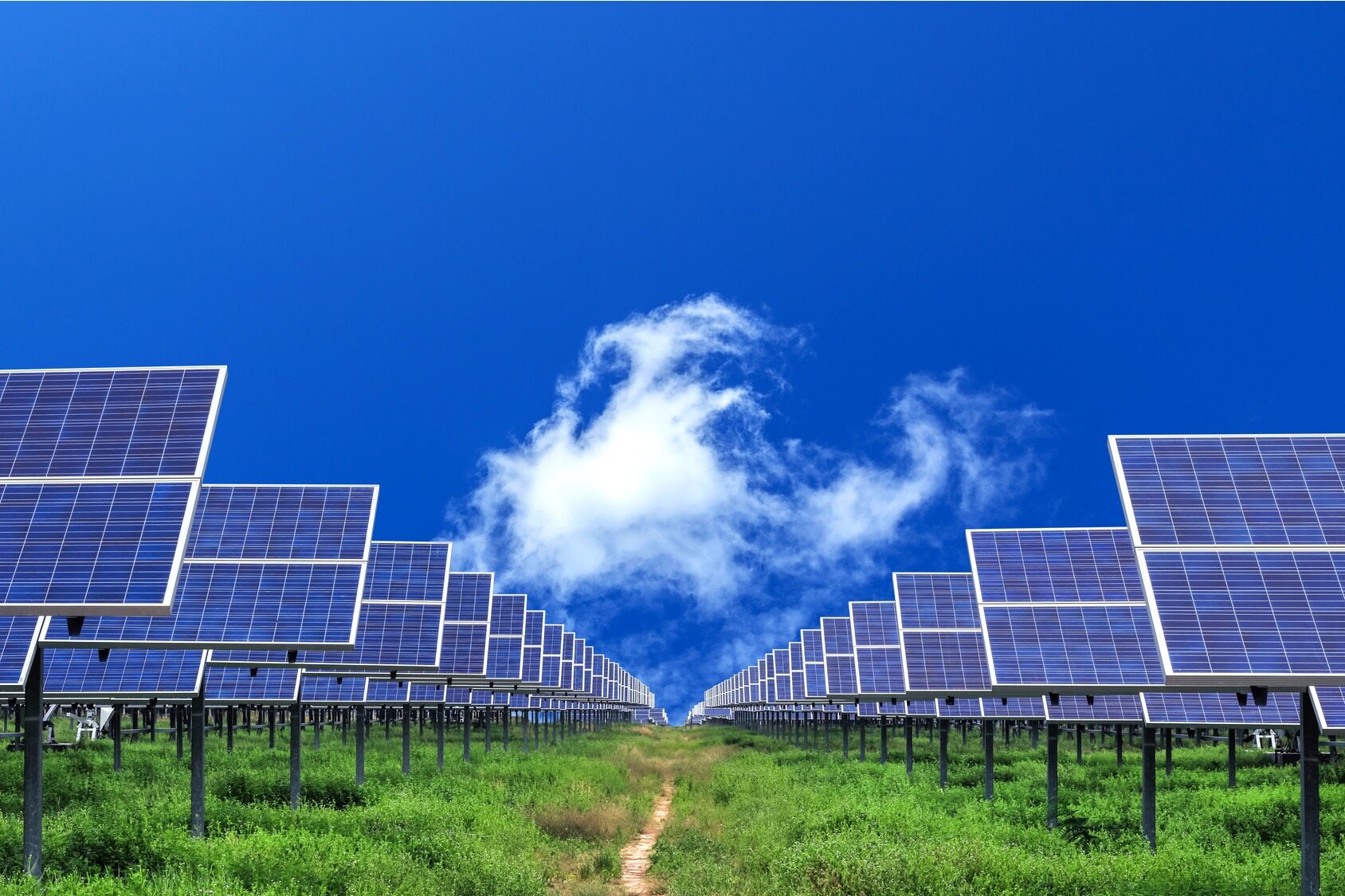
Lao Li is the overseas business director of a photovoltaic module company. Last Friday night, while he was still verifying the export data for the third quarter with his team, an industry group message suddenly popped up on his phone: the European Commission has released a revised draft of the carbon border regulation mechanism, and photovoltaic modules, battery energy storage systems, silicon materials, and cathode materials have been officially included in the control scope. The meeting room was instantly quiet, and everyone knew that this was not just a document, but the sword of Damocles hanging over their heads, which could change the cost structure of the company's overseas expansion at any time.
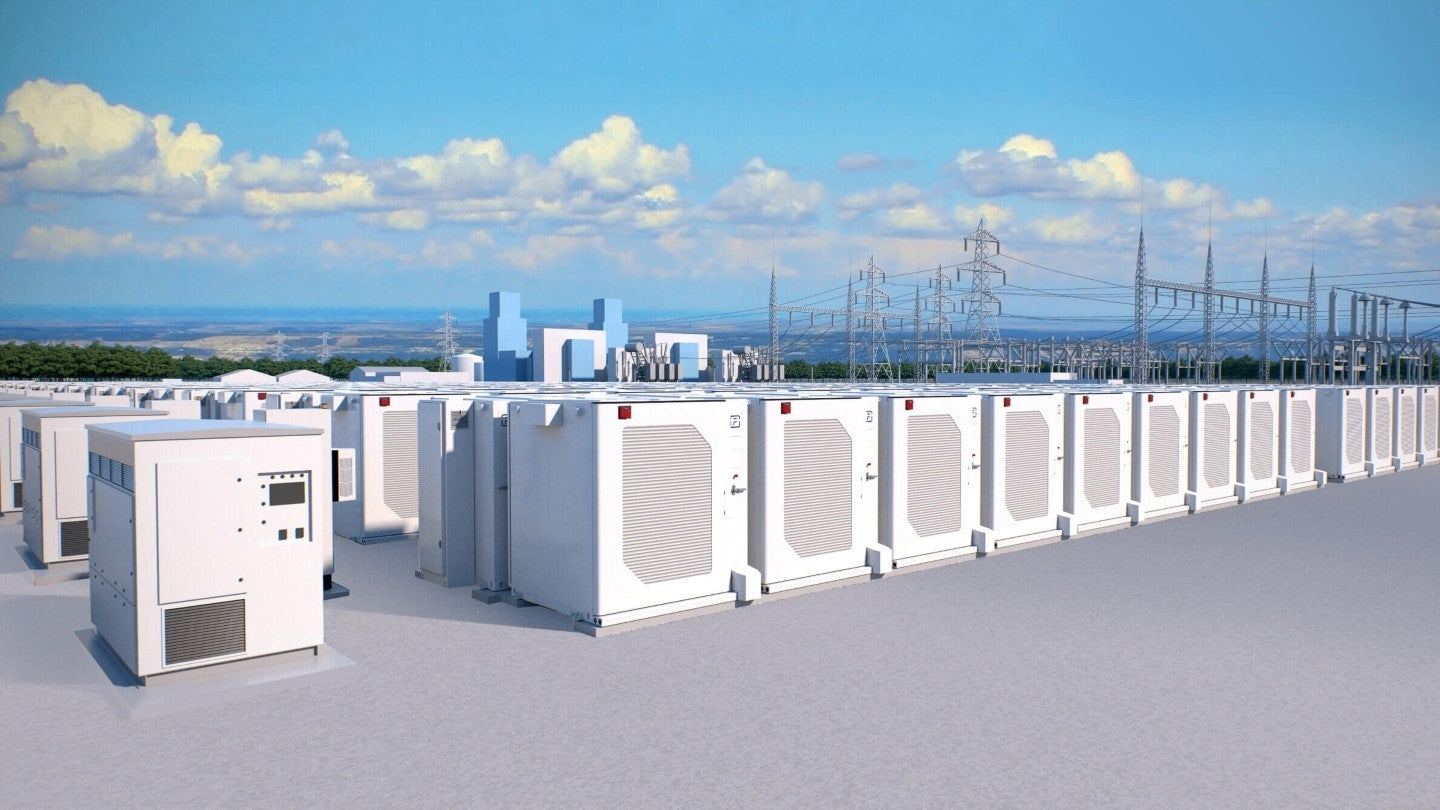
Countdown to Carbon Tariff Expansion
According to the draft, the new categories will be implemented in two stages. In October 2026, the quarterly declaration of carbon emission data will be officially launched, and enterprises must submit implicit carbon emission data for the entire product lifecycle. This means that from silicon mining to component assembly, the carbon emissions of every kilowatt hour of electricity and every process will be traced. In October 2027, one year later, the CBAM certificate clearance phase will begin, and importers will need to purchase and clear the corresponding number of certificates based on their actual carbon emissions. However, the EU has also left a loophole: companies can apply for equivalent deductions with official carbon price certificates from their country of origin. If the exporting country has already imposed a carbon price, this fee can be deducted from the CBAM fee payable. This rule directly turns carbon pricing into a new bargaining chip in international trade.
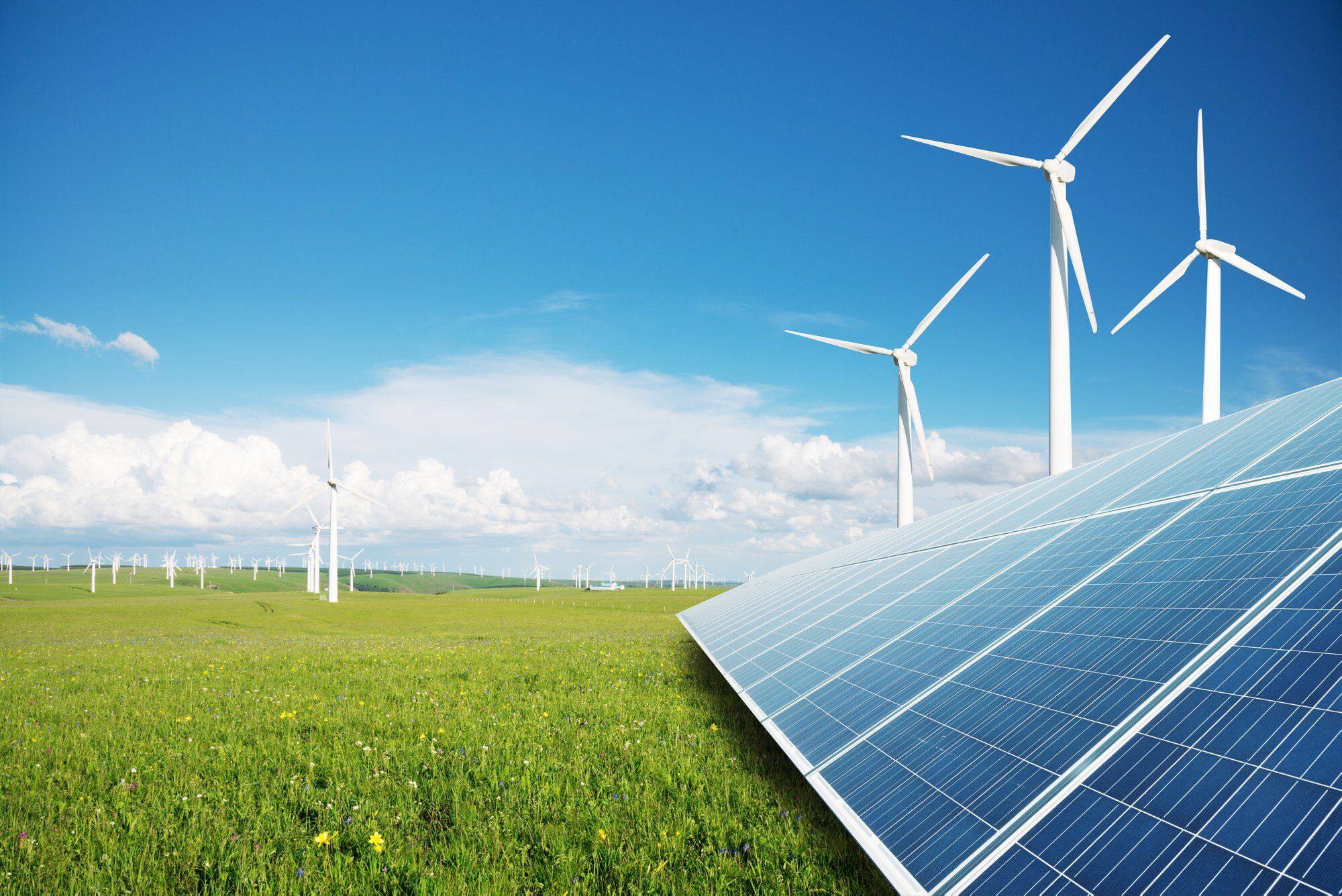
Full lifecycle carbon accounting
This expansion sends a clear signal that when photovoltaic and energy storage products enter the EU market, the level of carbon emissions will directly determine compliance costs. In the past, companies fought for price and efficiency; In the future, carbon footprint accounting capability will become a lifeline. Export enterprises must establish a product carbon footprint accounting system in advance to understand the emission base of each link in the supply chain. Enterprises that are still using high carbon emission processes and relying on non green electricity production will face enormous financial pressure from certificate purchases. Industry reshuffling is inevitable, and companies leading in low-carbon technology can actually gain new competitive advantages.
The double-edged sword of budget flexibility
At the same time as the revised draft of carbon tariffs was released, the European Commission also issued guidelines for flexibility in energy expenditure budgets. This guideline allows member states to use national budget flexibility to provide financial support for energy security and energy transition measures between 2026 and 2028. The eligible fields include renewable energy, batteries and energy storage, heat pumps, electric vehicle charging infrastructure, and building renovation. In terms of specific rules, the funding limit is 0.3% of GDP per year, and the cumulative amount over three years should not exceed 0.6% of GDP. Relevant measures must be passed after February 28, 2026 before they can be applied. This is a supporting measure introduced by the European Union to address the energy crisis caused by the Middle East conflict.keywords:New energy information network
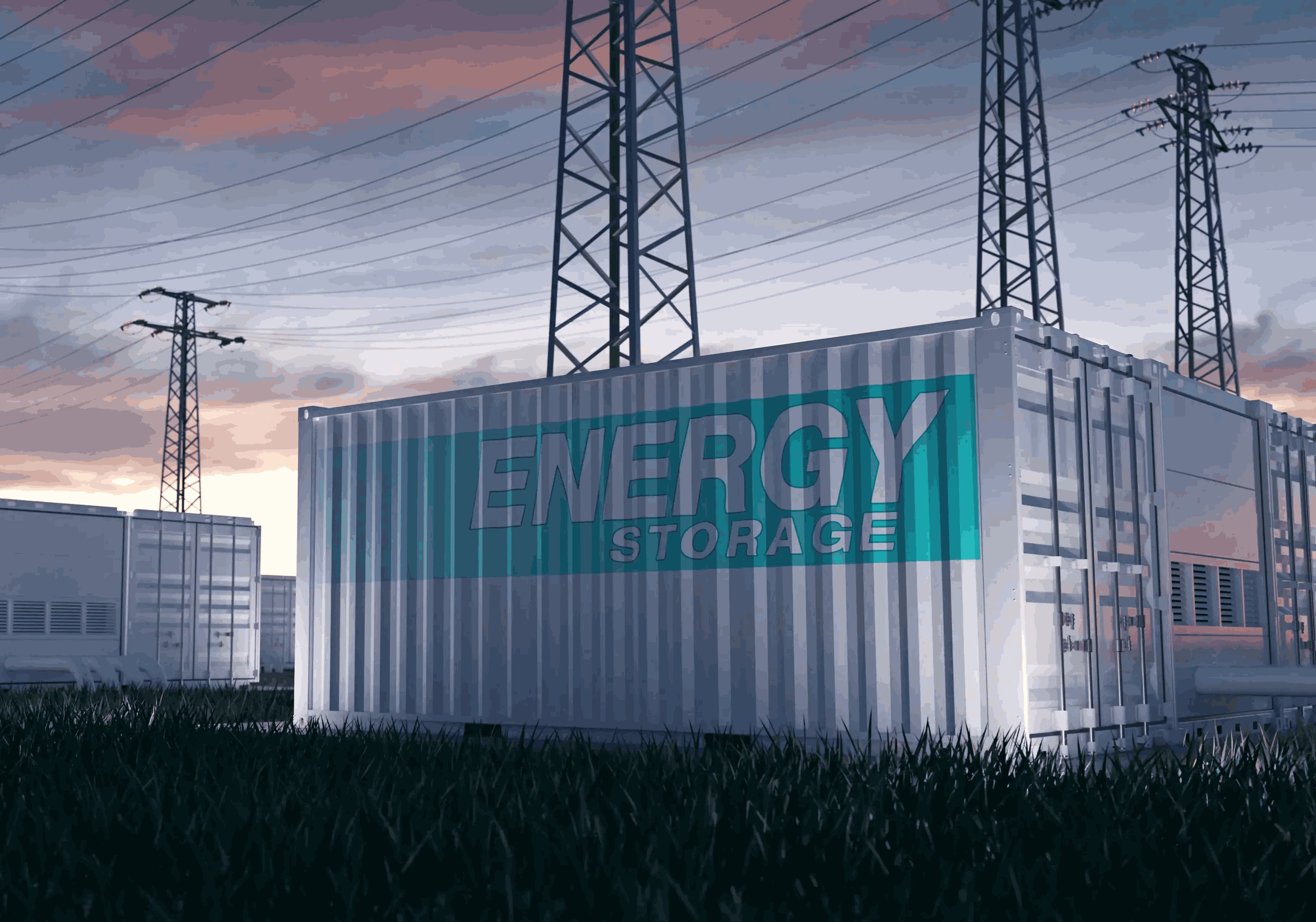
Two policies, one tight and one loose, jointly outline the complete logic of the EU's energy transition. Carbon tariffs force low-carbon supply chains externally, while budget flexibility provides fiscal space for member countries to deploy energy storage and renewable energy internally. For Chinese photovoltaic and energy storage companies, this is both a challenge and an opportunity. Only by laying out carbon accounting in advance, locking in green electricity supply, and optimizing production processes can we stand firm in this green trade transformation.Editor/Yang Meiling
Comment


 Praise
 Collect
 Comment

 Share
Share


Write something~