 Search


- Brazil's joint site energy storage regulation breaks ice, 1.25MW small project rewrites industry rules
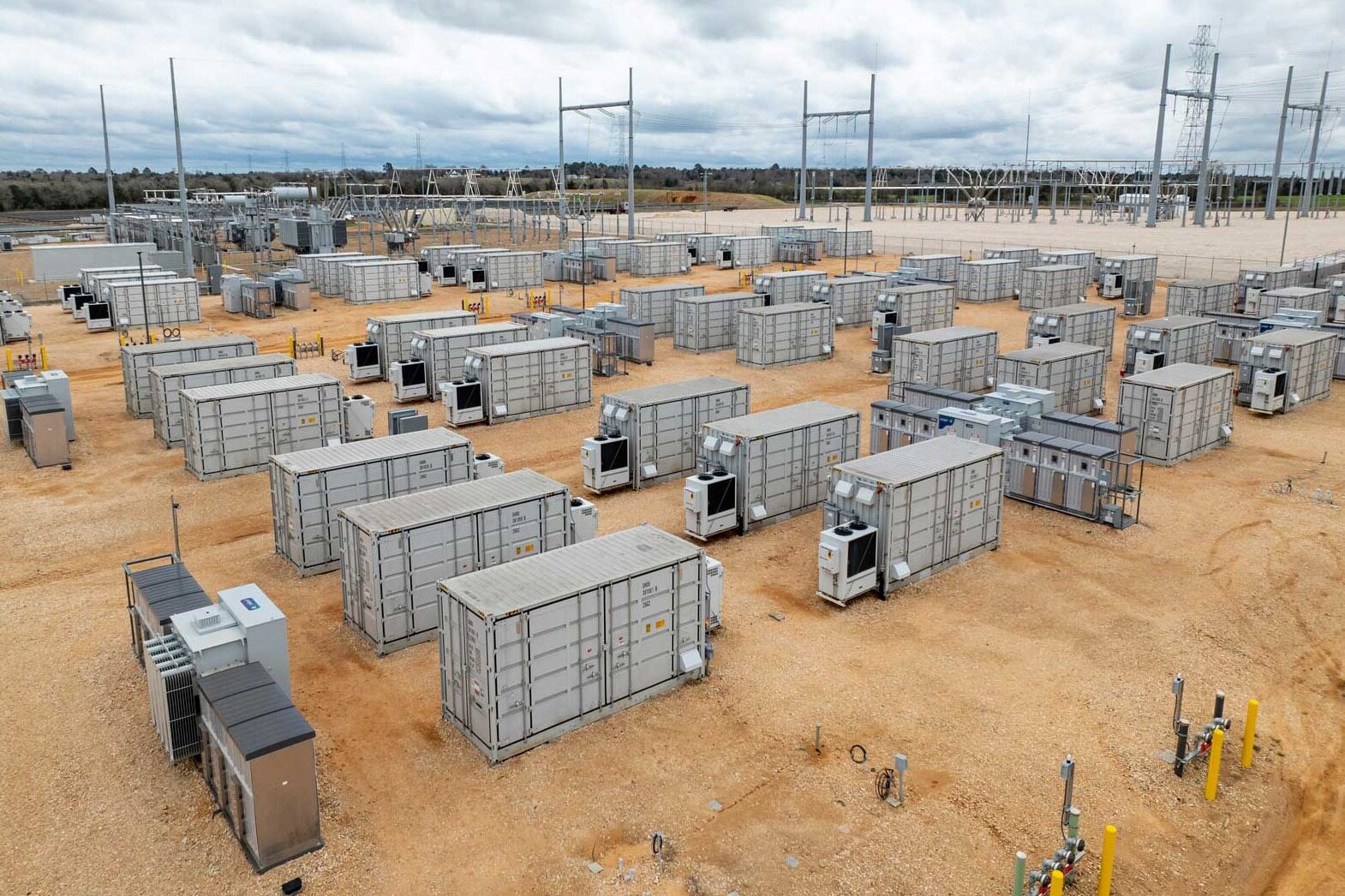
In August 2026, when the Brazilian power system operator launched its second midday energy surplus emergency management, a small co site energy storage project that had been approved as early as April suddenly became the focus of the entire Brazilian new energy industry. This 1.25MW/5.016MWh project located in Bahia state is not a conventional new energy storage power station, but the first national photovoltaic shared access energy storage authorization issued by the Brazilian Energy Agency ANEEL. It directly redefines energy storage from independent grid equipment as a technological extension of existing power generation assets.
Substantial breakthrough in regulatory rules
This project, developed by Statkraft Group in Norway, is located within the Sol de Brotas 7 photovoltaic power station. The core breakthrough lies not in the battery capacity scale, but in the regulatory approval of energy storage as a technology change for existing power generation assets for the first time.
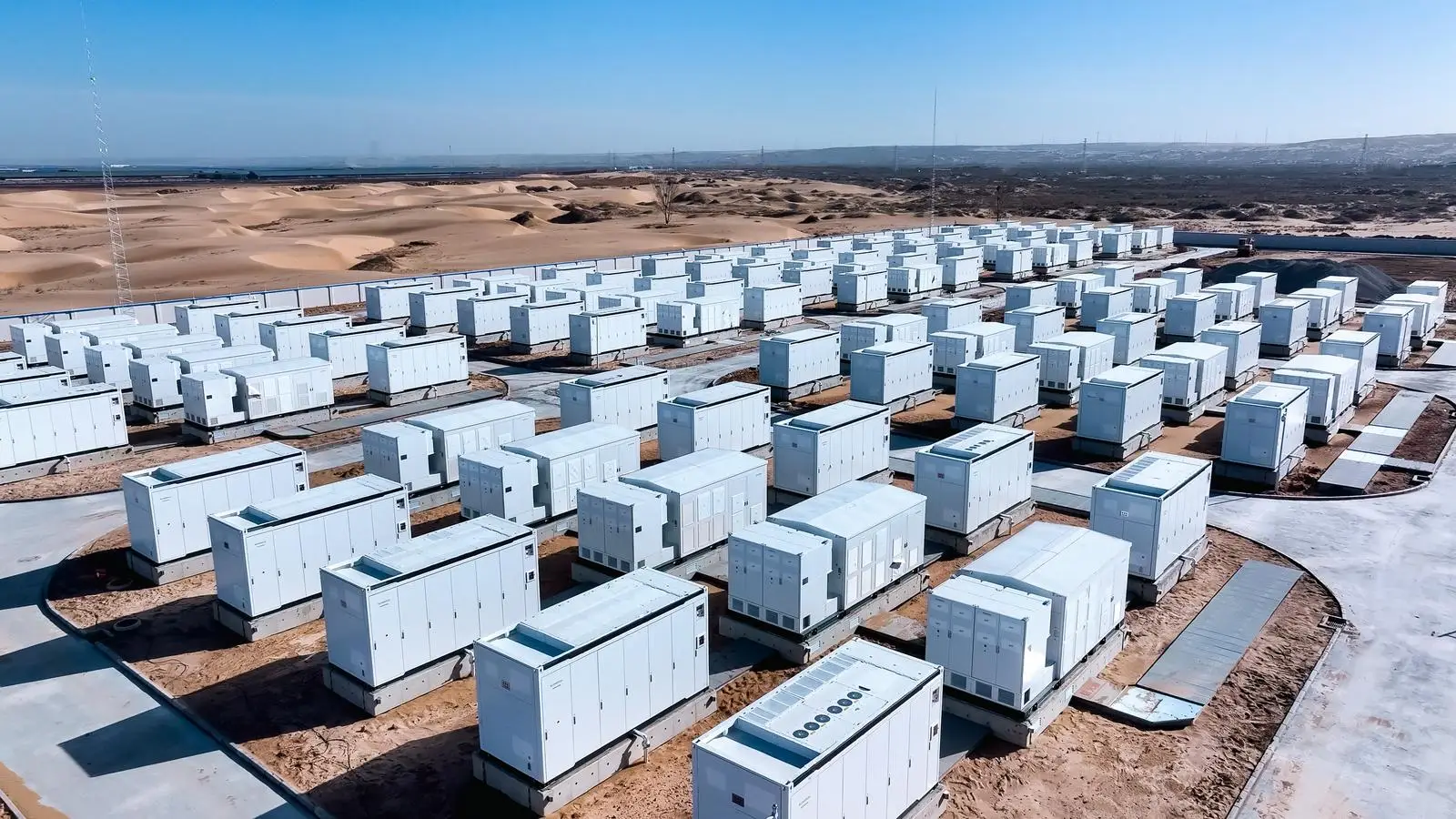
The energy storage system directly reuses all grid connected infrastructure of the photovoltaic power station, sharing the same measurement and settlement system, without the need to apply for a new grid connection point separately. Batteries can not only absorb the excess output of photovoltaic power plants during lunchtime, but also take electricity from the grid and send it to the grid during peak hours, opening up a flexible expansion path for existing new energy projects with scarce grid resources without the need to reapply for transmission capacity.
The project operation has clear energy boundary constraints. Energy storage can only be connected to the affiliated photovoltaic power station and the public power grid, and cannot be connected to other power generation assets across the complex. The electricity from different wind and solar power sources cannot be freely shared to the same battery, and all charging and discharging behaviors are still strictly constrained by authorization rules and independent metering systems.
Industry Shift and New Opportunities for Going Global
Since 2026, the Brazilian power grid has launched emergency management for excess midday power generation twice, marking a complete shift in the core contradiction of the local new energy industry. It has shifted from fully expanding the installed capacity in the past to improving the dispatchability of electricity under the existing grid connected capacity. Previously, the market generally focused on the development of large-scale independent energy storage power stations. This small project provides a completely different approach to implementation, by embedding energy storage into existing photovoltaic assets, directly improving the grid utilization and operational flexibility of the power station.
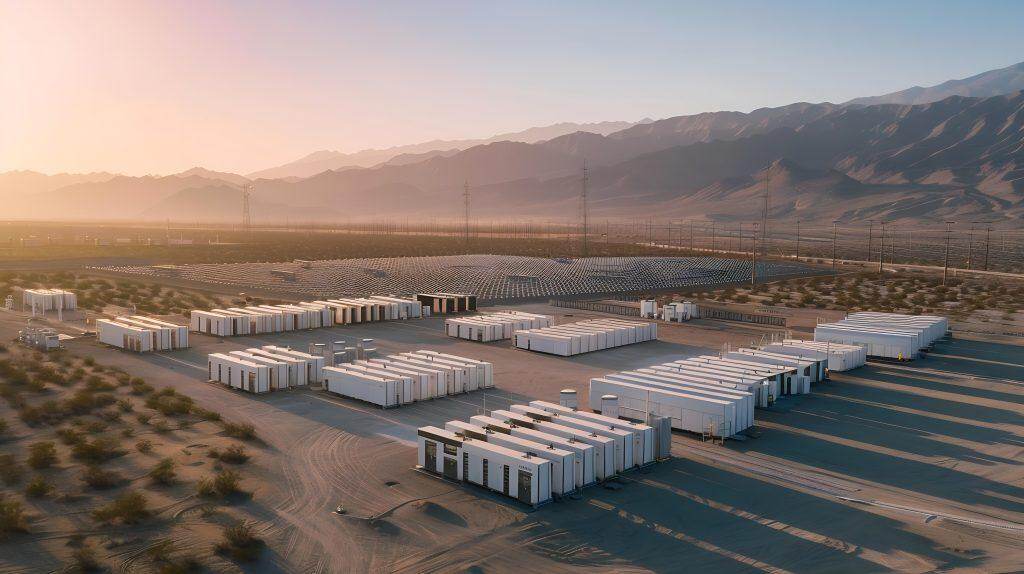
The economic feasibility of this model is not universal, and the final benefits highly depend on the grid connection capacity of the project location, the midday power limit ratio, battery procurement costs, auxiliary service revenue mechanism, and local financing conditions, which cannot be directly copied and applied.
For Chinese overseas enterprises, photovoltaic developers can prioritize screening existing projects with mature grid connection conditions and concentrated midday output, and compare the cost and cash flow differences between adding shared site energy storage and building independent energy storage. Equipment integrators cannot only output standardized energy storage containers, but also need to extend the full chain integration capabilities covering photovoltaic SCADA system transformation, measurement and settlement adaptation, grid protection debugging, remote dispatch docking, and local fire safety regulations adaptation. Project investors need to break down energy storage profits into multiple independent sectors such as hedging against issuance losses, arbitrage of peak valley price differences, and system auxiliary services, and cannot directly equate technical pilot projects with general stable commercial returns. Keywords: co located energy storage projects, new energy news
As the problem of midday electricity surplus in Brazil continues to intensify, the photovoltaic storage co location model that reuses existing grid connected resources and improves power generation controllability is becoming a new core track for Chinese new energy companies to layout in the Brazilian market.Editor/Cheng Liting
Comment


 Praise
 Collect
 Comment

 Share
Share


Write something~