 Search


- Southeast Asia's energy landscape is facing changes, and photovoltaics are reshaping Indonesia's new development momentum
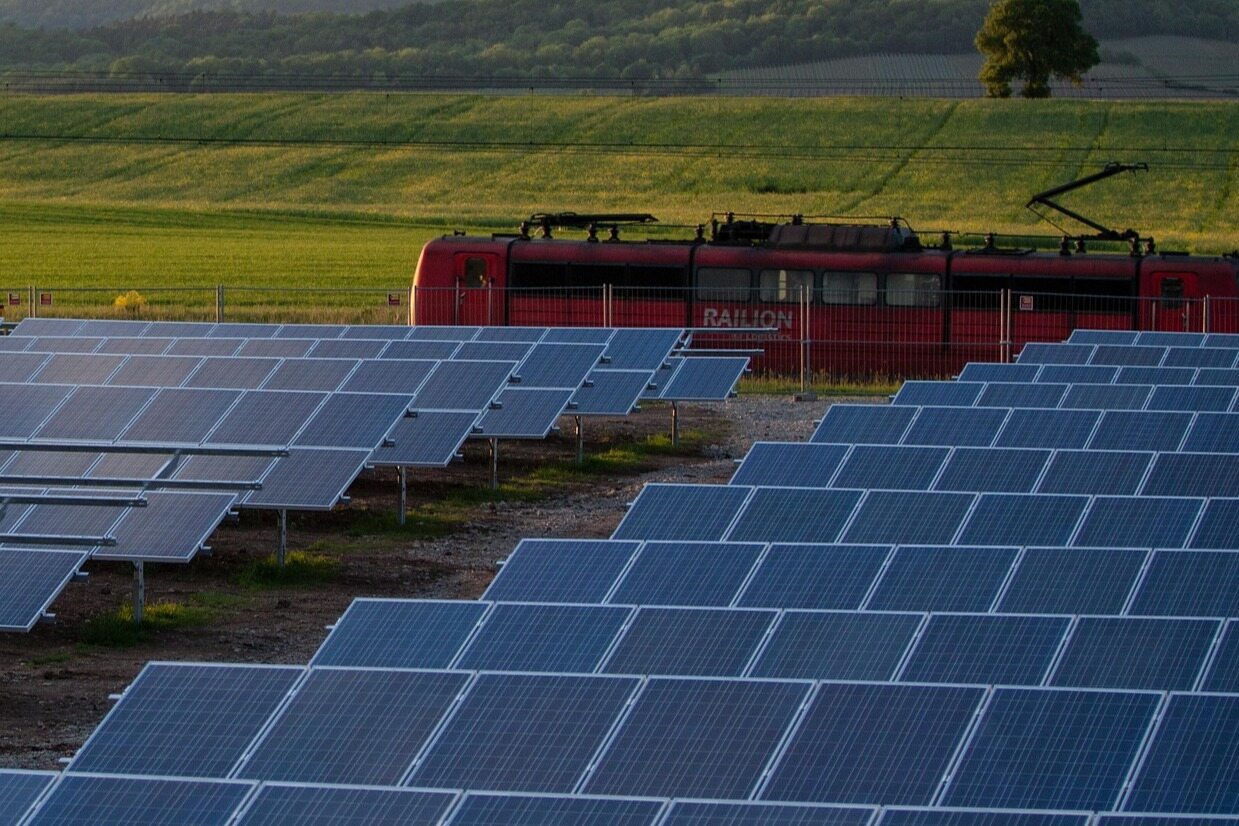
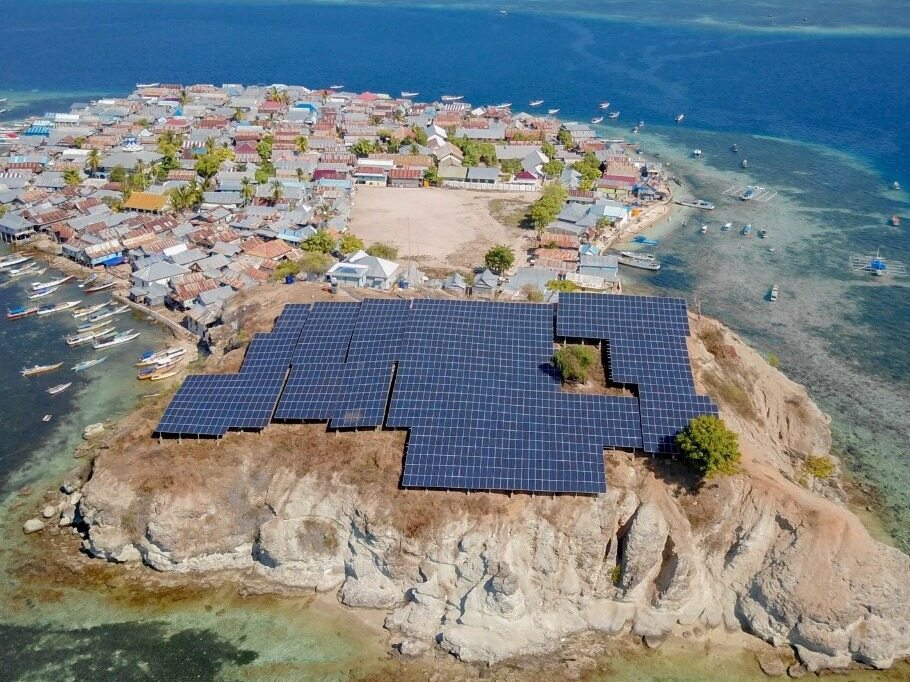
Many remote islands in Indonesia have experienced power shortages and high electricity prices in the past, and relying on diesel power generation can only provide short-term power supply. With the implementation of small-scale photovoltaic projects, the local area has achieved stable power supply around the clock. On August 25, 2026, Indonesia officially launched a three-year 100GW photovoltaic construction plan, leveraging Southeast Asia's largest photovoltaic project to comprehensively accelerate energy transformation and reshape the regional clean energy landscape.
Unprecedented scale and outstanding benefits of photovoltaic grand plan
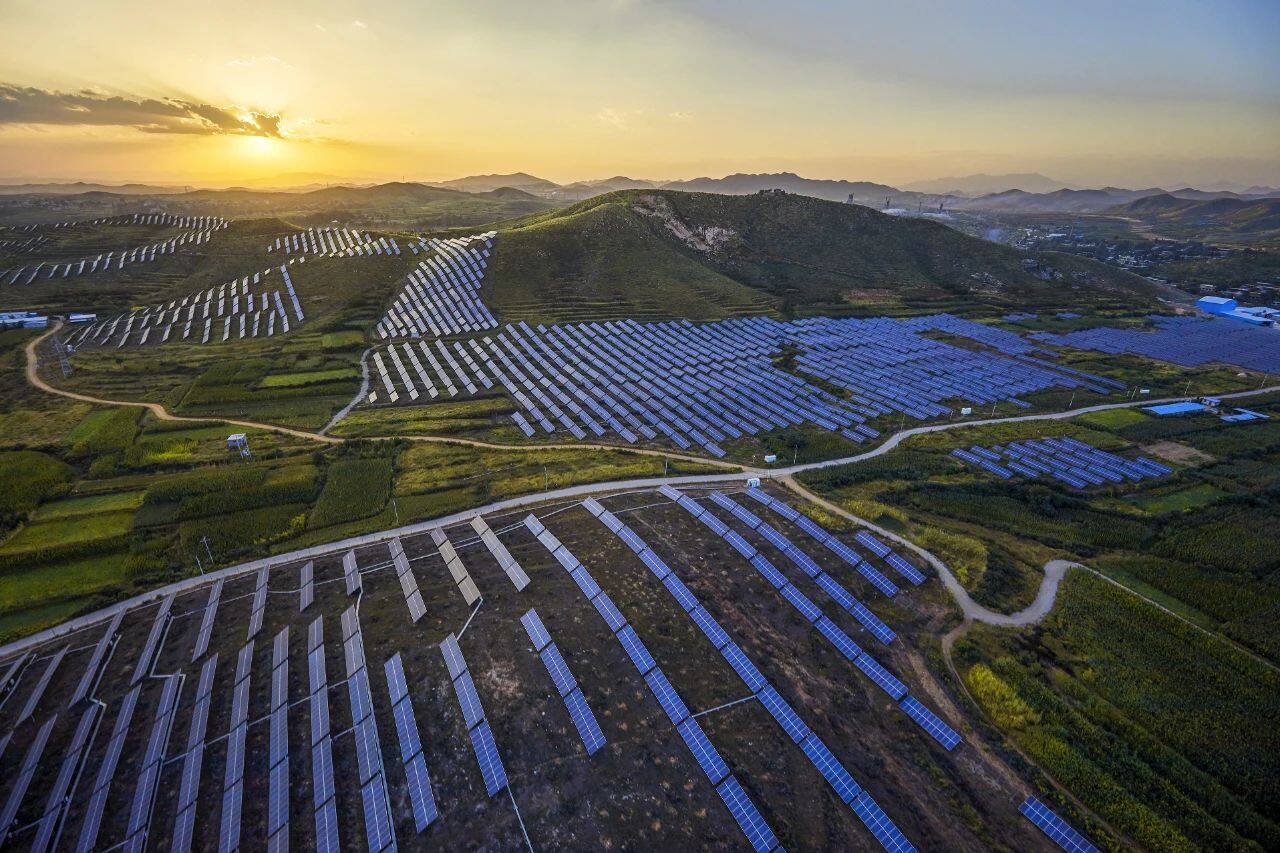
Indonesia's three-year 100GW photovoltaic plan is the largest new energy project in Southeast Asian history, which is rare in the world. By the end of 2025, only four countries in the world have installed more than 100GW of photovoltaic capacity, while Indonesia's photovoltaic capacity is only 1.49GW, with an expansion of nearly 70 times in three years, a huge increase. Relying on superior lighting conditions, Indonesia plans to develop 80GW of village level distributed photovoltaics and 20GW of centralized photovoltaics, along with 320GWh of energy storage, covering 80000 villages across the country. The total investment of the project is 73 billion US dollars. After completion, it can create 5.52 million job opportunities, save 4.7 billion US dollars in energy expenses, 6 billion liters of diesel, reduce 140 million tons of carbon dioxide emissions, and help the country achieve energy independence and get rid of dependence on oil and gas imports.
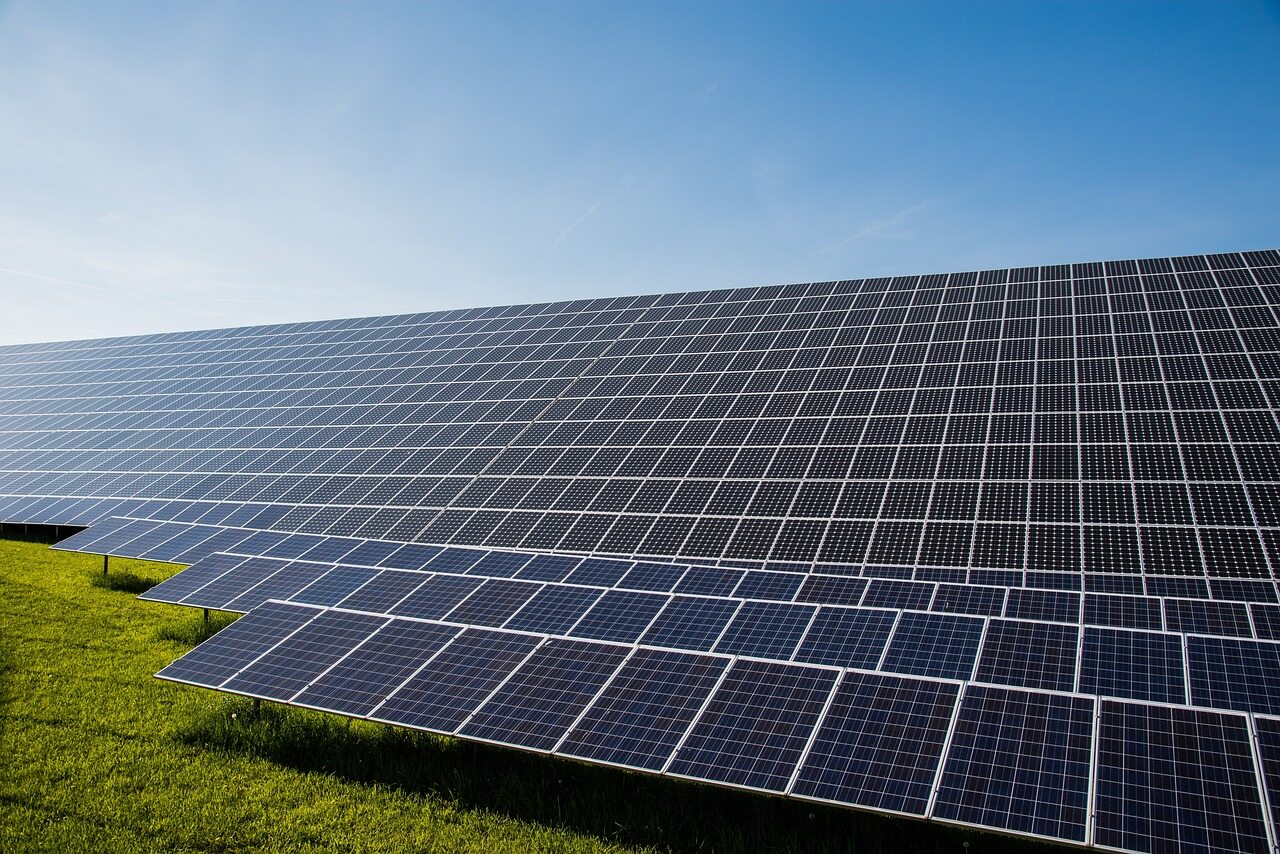
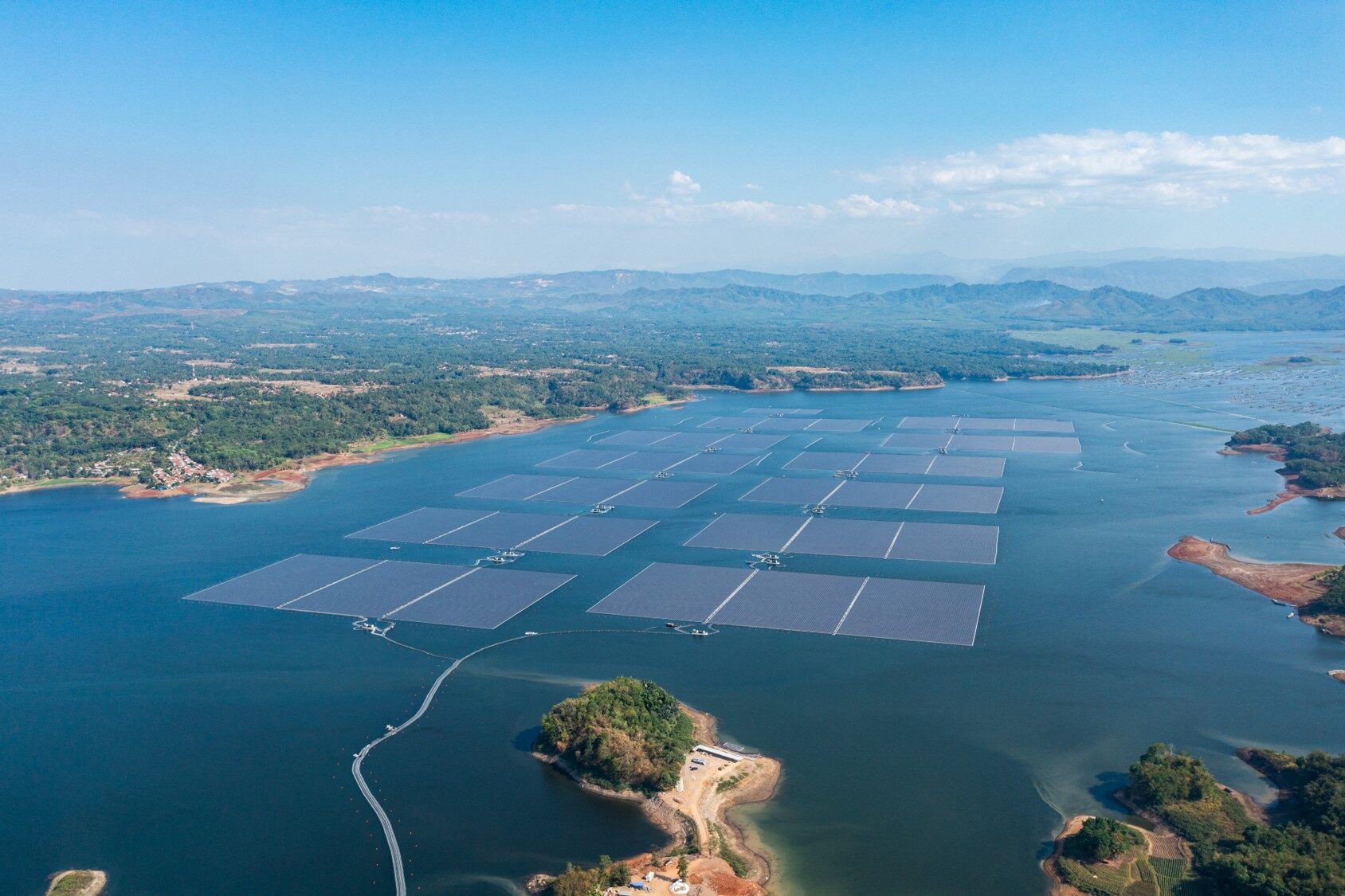
At present, the first batch of 14 photovoltaic projects are located in six provinces, with a total installed capacity of 5.3GW and an investment of 7.62 billion US dollars. Two projects have been put into operation, six are under construction, and six are awaiting bidding. Indonesia has reserved 9000 hectares of state-owned land to support the construction of 30GW projects and is simultaneously promoting the layout of 100MW floating photovoltaics.
Energy transition breaks through local development difficulties
Indonesia's islands are scattered, and remote islands have no main power grid coverage, relying on high priced diesel power generation for a long time. The focus of this photovoltaic plan is to sink to the grassroots level, with distributed photovoltaic projects in Senbul Village and Rengit Island, effectively ensuring fishery production, achieving all-weather power supply, and effectively solving the problem of electricity consumption in remote areas.
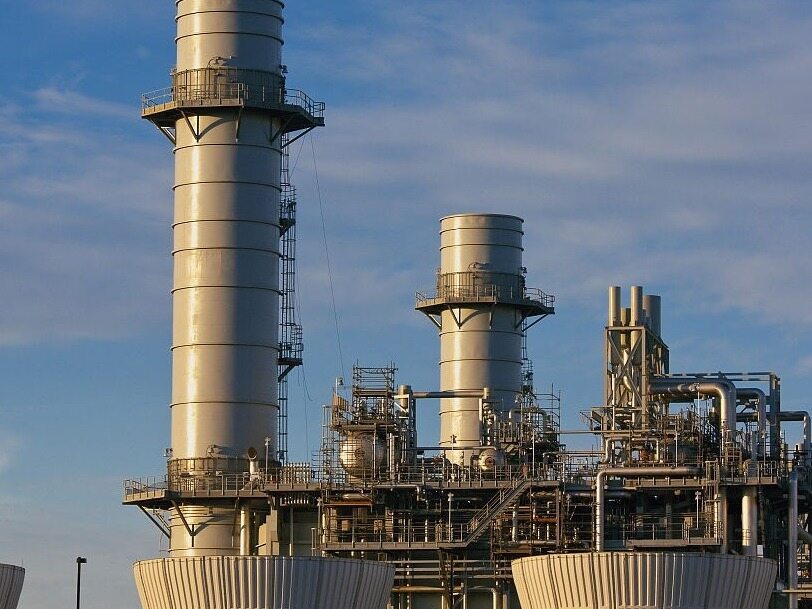
Indonesia has abundant oil and gas resources but insufficient oil production capacity, and is highly dependent on imports. In 2026, the geopolitical conflict between the central and eastern regions will push up oil prices, intensify domestic energy and fiscal pressures, and force the acceleration of new energy substitution. Currently, fossil fuels are the main source of electricity in Indonesia, with coal-fired power accounting for 67.6% and renewable energy accounting for only 15.9% by 2025. Photovoltaics has become the core driver for optimizing the energy structure.
The challenges of landing are severe, and industry opportunities coexist
The industry generally believes that the implementation difficulty of this plan is extremely high. In the past five years, Indonesia's renewable energy has added only 0.7GW to the grid annually, and local enterprises have undertaken less than 5GW of photovoltaic capacity per year, making it difficult for the industry's capacity to match aggressive targets. Rapid expansion will result in high dependence on imported components, revenue outflow, and constraints on the cultivation of local industrial chains. Industry organizations suggest that Indonesia improve its energy regulations and planning system, refine its construction list, attract social capital through market-oriented bidding, rely on sovereign funds to support inefficient projects, fill the gaps in power transmission and energy storage, cultivate diverse market entities, and steadily build a local photovoltaic supply chain. Keywords: Indonesia's photovoltaic transformation, 100 gigawatts of photovoltaic planning, Southeast Asian energy transformation
At present, the photovoltaic industry in Indonesia has begun to take shape, with an annual module production capacity of 14.6GW and a solar cell production capacity of 9.5GW by September 2025. Over 10GW of production capacity is in the expansion stage, and multiple Chinese photovoltaic leaders have already landed and laid out. From January to July 2026, China's exports of photovoltaic products to Indonesia reached 1.189 billion US dollars, which is ten times higher than the full year of 2022. Indonesia has become the largest export market for Chinese photovoltaic products in Southeast Asia.By the end of 2025, the total installed capacity of photovoltaics in eleven Southeast Asian countries will be 38.9GW. After the rise in oil prices in 2026, countries in the region will accelerate their photovoltaic layout. Indonesia's large-scale photovoltaic plan will completely rewrite the development pattern of clean energy in Southeast Asia.Editor/Huang jiali
Comment




 Praise
 Collect
 Comment

 Share
Share


Write something~