 Search


- Thailand raises its target for the proportion of renewable energy installed capacity to 50% by 2030
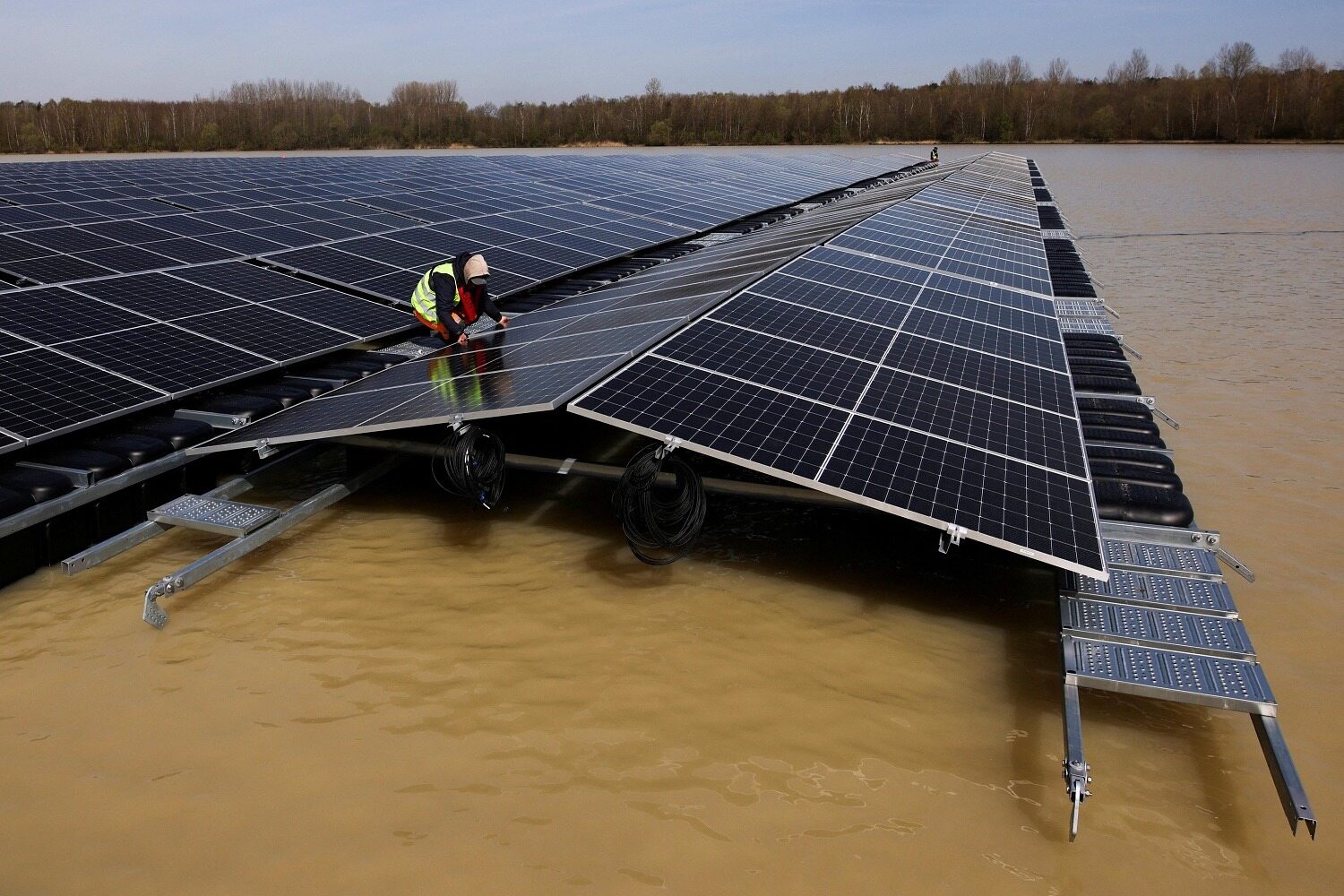
Standing at a critical juncture of Southeast Asia's energy transition in 2026, Thailand has become one of the most attractive investment destinations in the region's new energy sector with a renewable energy investment scale of 2.61 billion US dollars. The continuous influx of diversified capital, from distributed rooftop photovoltaics to floating power plants, from waste to biomass utilization, is reshaping the industrial landscape of this traditional energy market in Southeast Asia.
Photovoltaic projects dominate
According to the updated data from the Thai Energy Regulatory Commission in August 2026, 449 renewable energy projects in the development or construction stage have been approved nationwide since 2024, with a total installed capacity of 1607.58 megawatts and corresponding investment scales ranging from 2.1 billion to 2.61 billion US dollars.
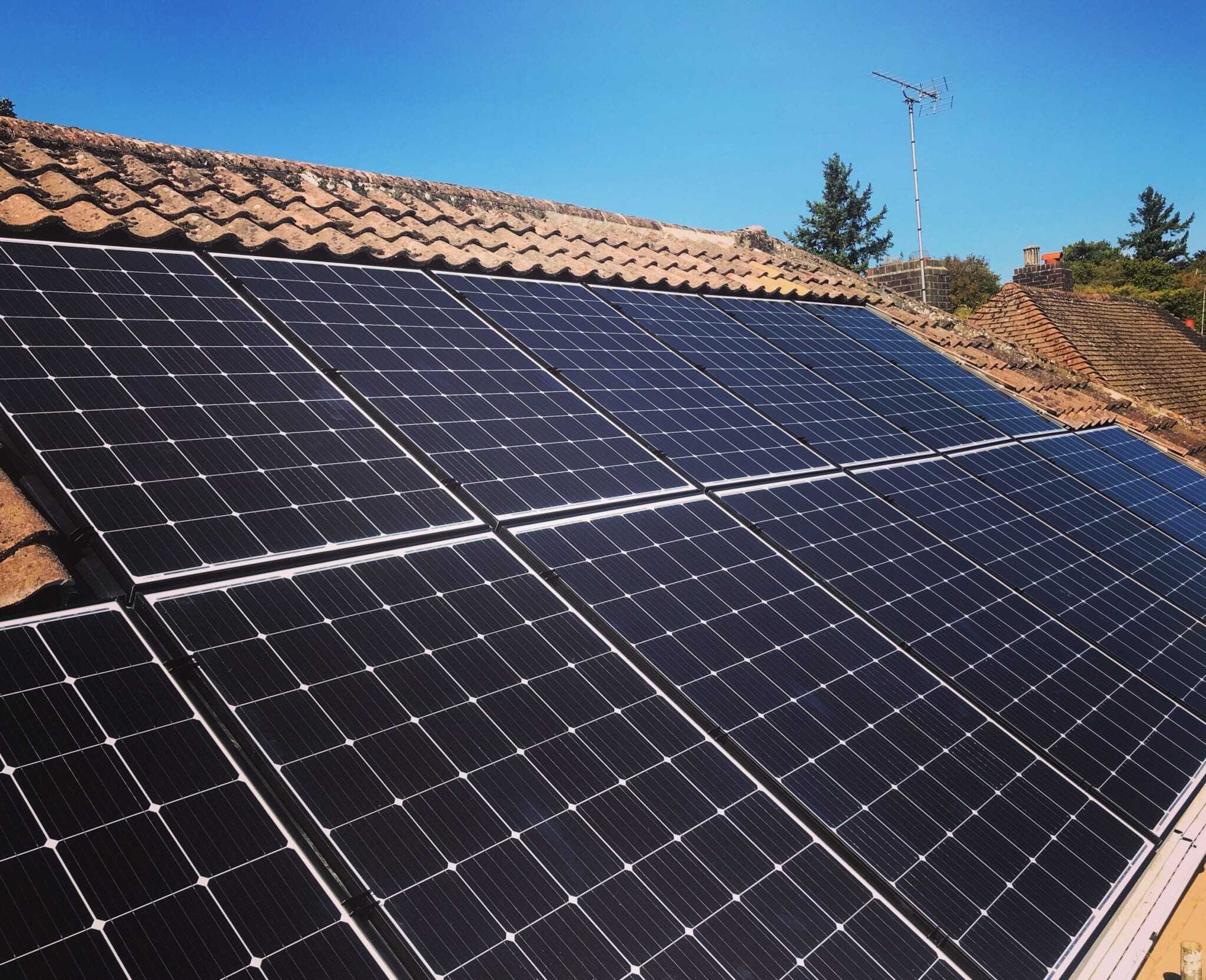
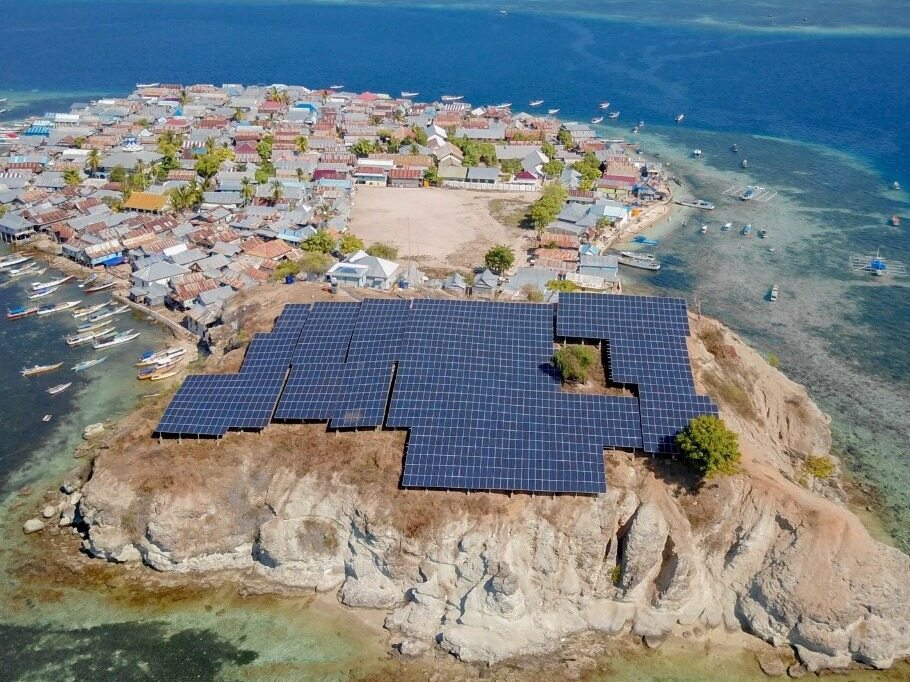
Among them, solar energy projects occupy an absolute dominant position, with a total of 400 approved projects, including 386 rooftop photovoltaic projects, 14 solar farms, and floating photovoltaic projects, with installed capacity of 587.30 MW and 562.83 MW respectively.
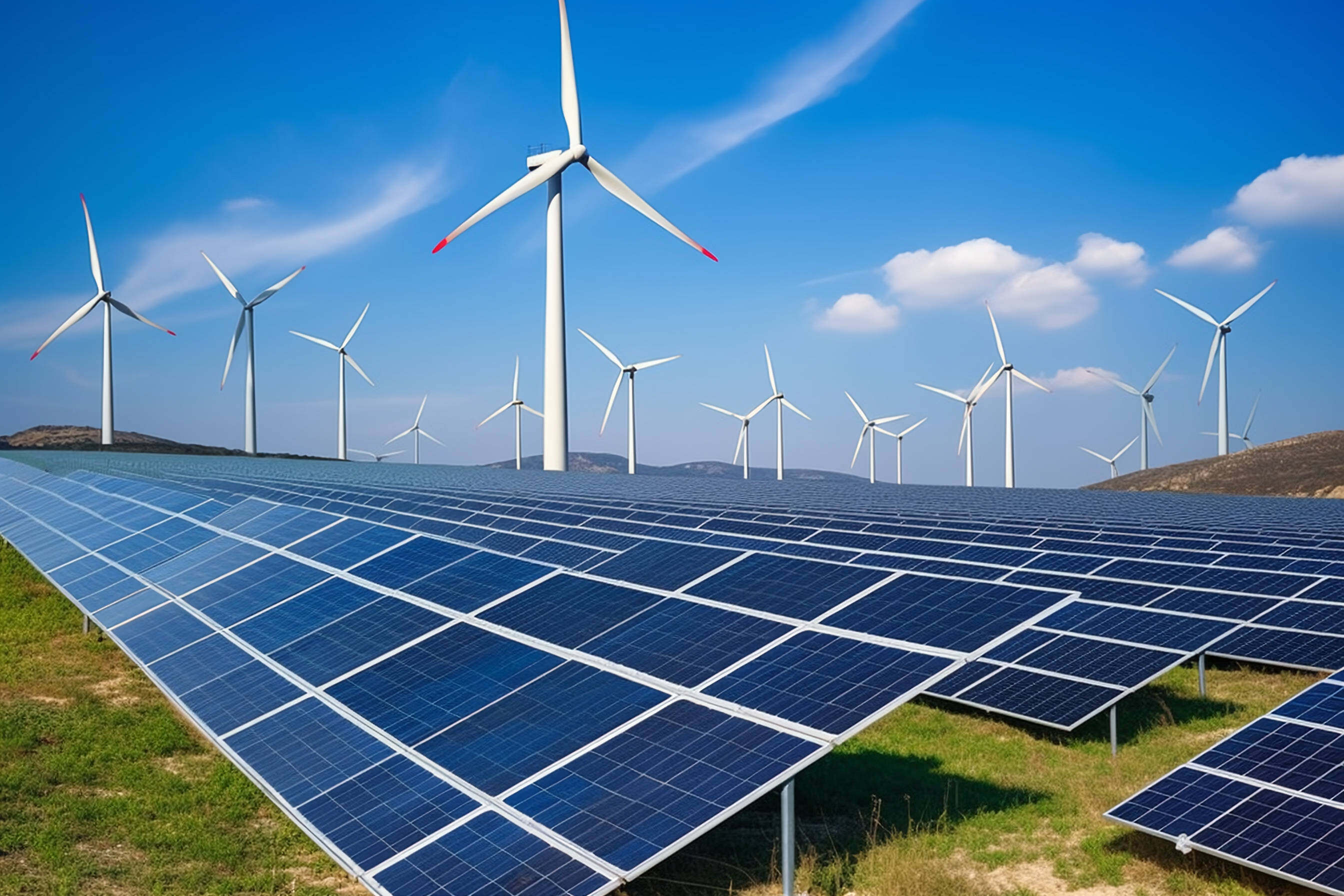
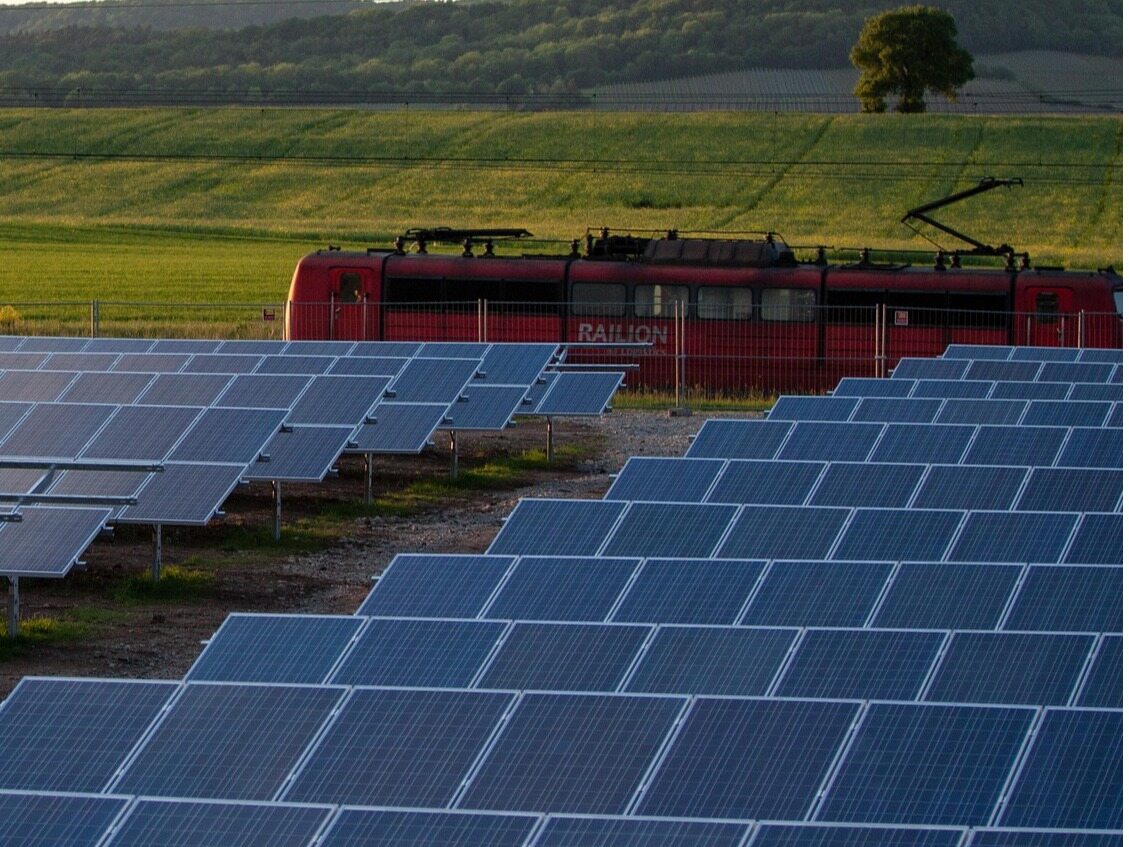
According to the latest industry data in 2026, the total potential of solar energy that can be developed at the current technological level in Thailand is close to 1000GW. The proportion of foreign investment in national photovoltaic projects has risen to 47%, and leading energy companies in Singapore and Japan are the core investment entities, focusing on the layout of distributed rooftop photovoltaics and offshore floating photovoltaics.
In March 2026, spot LNG prices in Asia surged to $24-25 per million British thermal units, almost twice the average price of the same period last year. This cost fluctuation further amplified the economic advantages of local photovoltaic projects.
Multi track collaborative expansion accelerates the pace of energy transformation
In addition to photovoltaics, Thailand's renewable energy sub sectors are advancing synchronously. Currently, 12 industrial waste to energy projects with an installed capacity of 118.8 megawatts have been approved; 12 urban waste to energy projects have been implemented, with an installed capacity of 99.8 megawatts.
The supporting tracks of biomass, biogas, and waste heat power generation are expanding synchronously. The total installed capacity of 9 biomass power generation projects is 130.16 MW, and the installed capacity of 4 waste heat power generation projects is 71.75 MW. Three small hydropower projects under the Thai Electricity Generating Authority are also under construction.
As of January 2026, Thailand has built 8595 DC fast charging piles and 5382 AC charging piles. The improvement of new energy supporting infrastructure further promotes the coordinated landing of photovoltaics, energy storage, and new energy vehicles. The 2026 draft of Thailand's electricity development plan clearly states that by 2030, the proportion of renewable energy in total installed power generation will exceed 50%, far exceeding the previously set transformation target. Keywords: Southeast Asian News, Photovoltaic News
As these renewable energy projects with a total installed capacity of over 1.6GW are gradually connected to the grid and put into operation, Thailand will not only steadily fulfill its commitment to transition more than half of its electricity from clean energy by 2030, but also rely on its location advantages to become a key hub in Southeast Asia's cross-border green power trade network, injecting sustained green power into the regional energy integration process.Editor/Cheng Liting
Comment




 Praise
 Collect
 Comment

 Share
Share


Write something~