 Search


- Kazakhstan and Azerbaijan's economic transformation empowers long-term development and industrial innovation in the Eurasian region
Kazakhstan and Azerbaijan, which have long relied on oil and gas resources to generate revenue, are facing the development shortcomings of a single industry and are stepping out of the comfort zone of resource development. The two countries are exploring differentiated transformation paths based on their own advantages, using financial reserves to support the economy, and expanding development space through two-way cooperation, completely rewriting the inherent development model of resource rich countries.
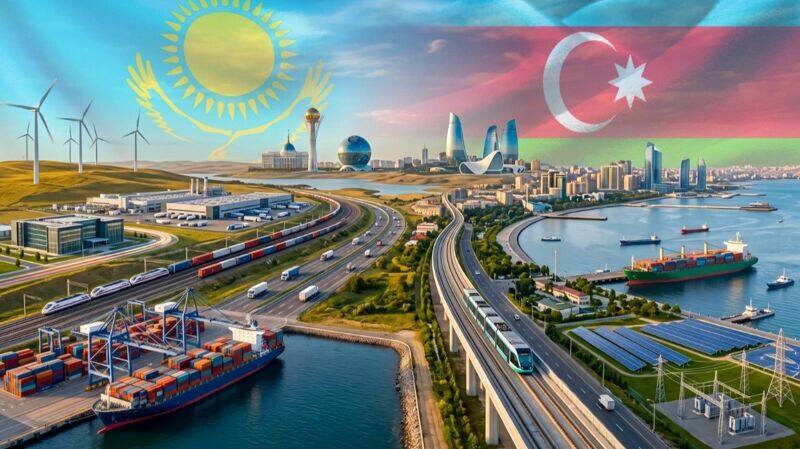
Transformation and breakthrough
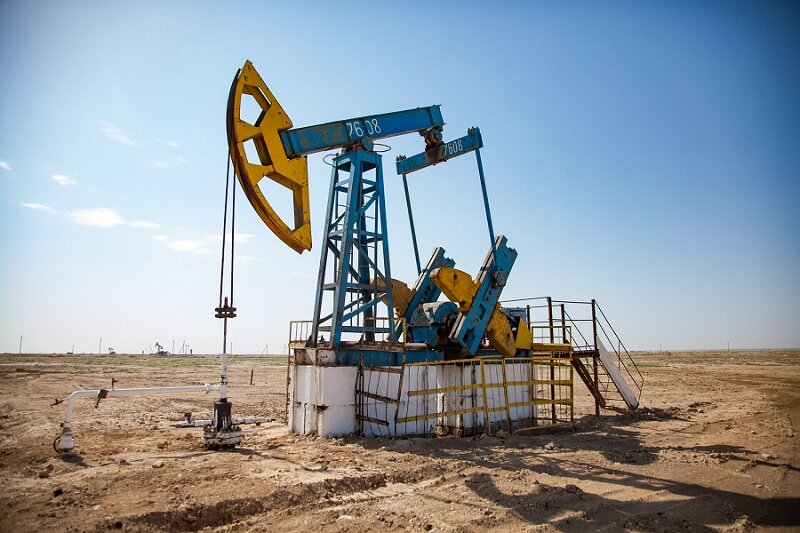
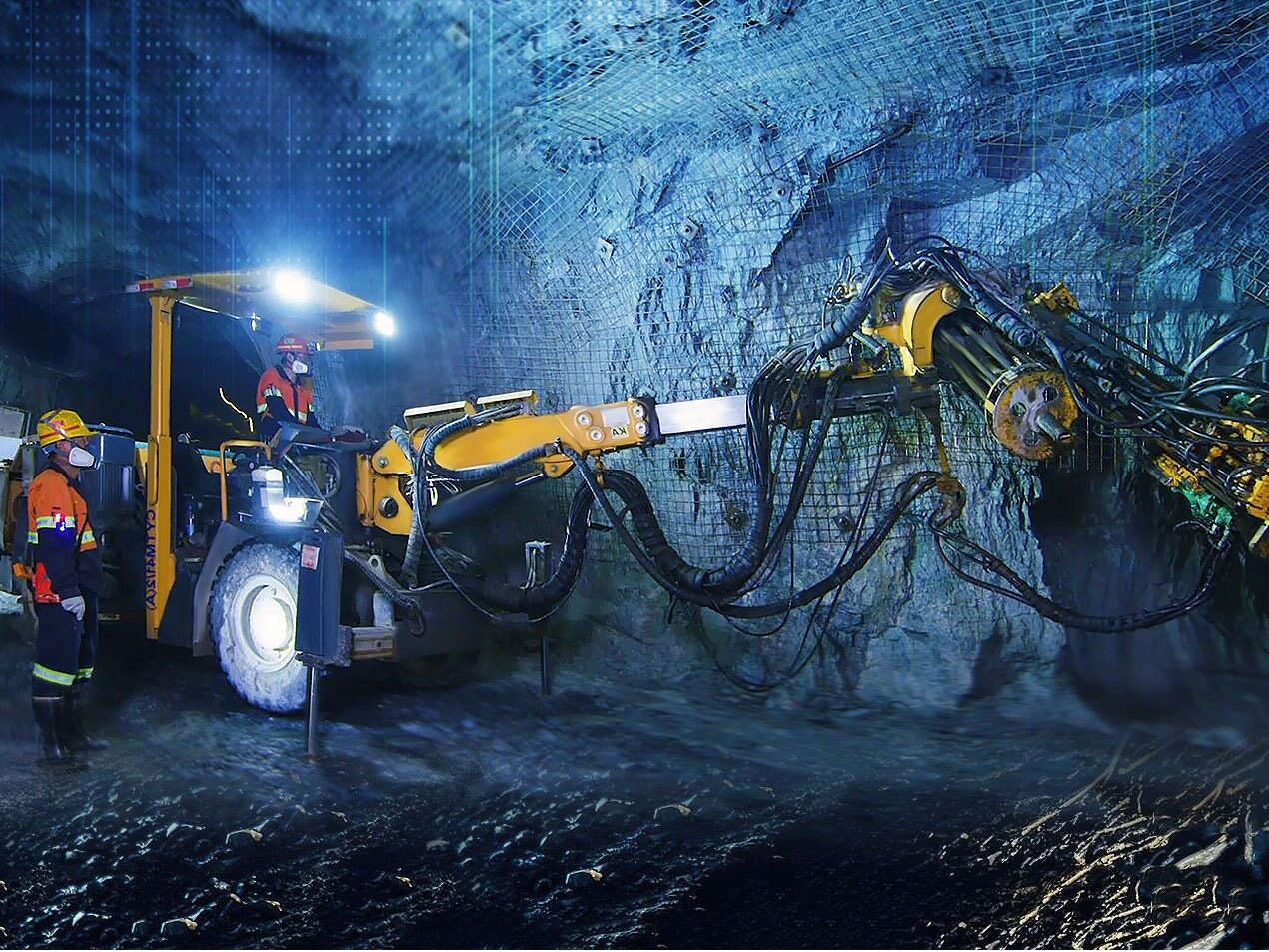
As resource-based economies, Kazakhstan and Azerbaijan have long been affected by fluctuations in the energy market, with a prominent problem of a single economic structure. Diversified transformation has become a strategic necessity. In 2022, over 15% of Kazakhstan's GDP and nearly 70% of its exports will come from the mineral industry, and its growth potential will continue to narrow. Therefore, the country has introduced the 2029 National Development Plan to diversify its industries. Azerbaijan's transformation has shown remarkable results, with a 1.6% decrease in the proportion of added value in the oil and gas sector and a 2.7% increase in the non oil and gas sector by 2025. The economic structure continues to be optimized. Based on their local advantages, the two countries have embarked on completely different paths of transformation.
Gold reserves support the bottom
Sovereign wealth funds have become a stable cornerstone for the transformation of the two countries, providing sufficient financial support for industrial upgrading and infrastructure investment. As of the end of 2025, the assets of Kazakhstan's national fund reached 73.8 billion US dollars, a year-on-year increase of 11.46%, with an annual investment return rate of 15.09% reaching a historical high, and a budget allocation of 10.5 billion US dollars for the whole year. The assets of the Azerbaijan National Oil Fund amounted to 73.54 billion US dollars, a year-on-year increase of 22.5%, with investment returns of 4.1 billion US dollars. 8.5 billion US dollars were contributed to the national budget, laying a solid financial foundation for economic modernization. Keywords: economic diversification, resource transformation, Eurasian regional cooperation
Joining hands for mutual benefit
The differentiated transformation model has enabled the two countries to form excellent complementary advantages, and bilateral cooperation continues to deepen. Relying on the central corridor, the two countries have jointly established intermodal transportation companies, built digital optical cables under the Caspian Sea, and connected the digital and logistics channels between Europe and Asia. In the industrial sector, Azerbaijani companies have established factories in Kazakhstan's special port zone, helping to upgrade the local manufacturing industry. At the same time, the three countries are jointly promoting the Green Corridor project, laying out new energy industries such as green electricity and hydrogen energy, gradually building a diversified cooperation system covering logistics, industry, and green energy, and activating new economic drivers in the Eurasian region.Editor/Min Jing
Comment



 Praise
 Collect
 Comment

 Share
Share


Write something~