 Search


- This project is the largest public-private partnership port project in the history of Bangladesh
- An additional 800000 TEUs throughput capacity will be added to accommodate large vessels and reduce logistics costs
- Create thousands of jobs to help upgrade export industries and decarbonize trade
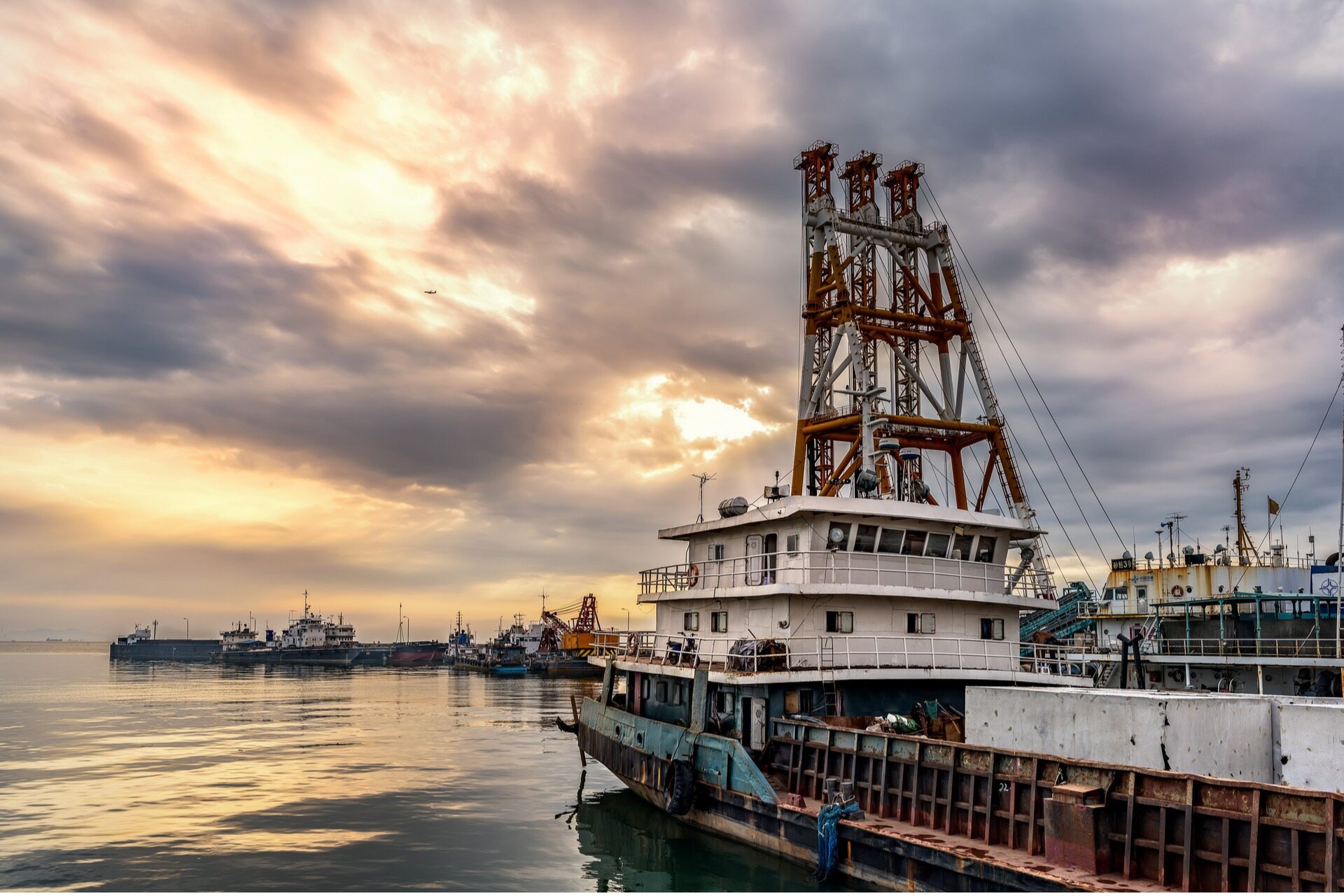
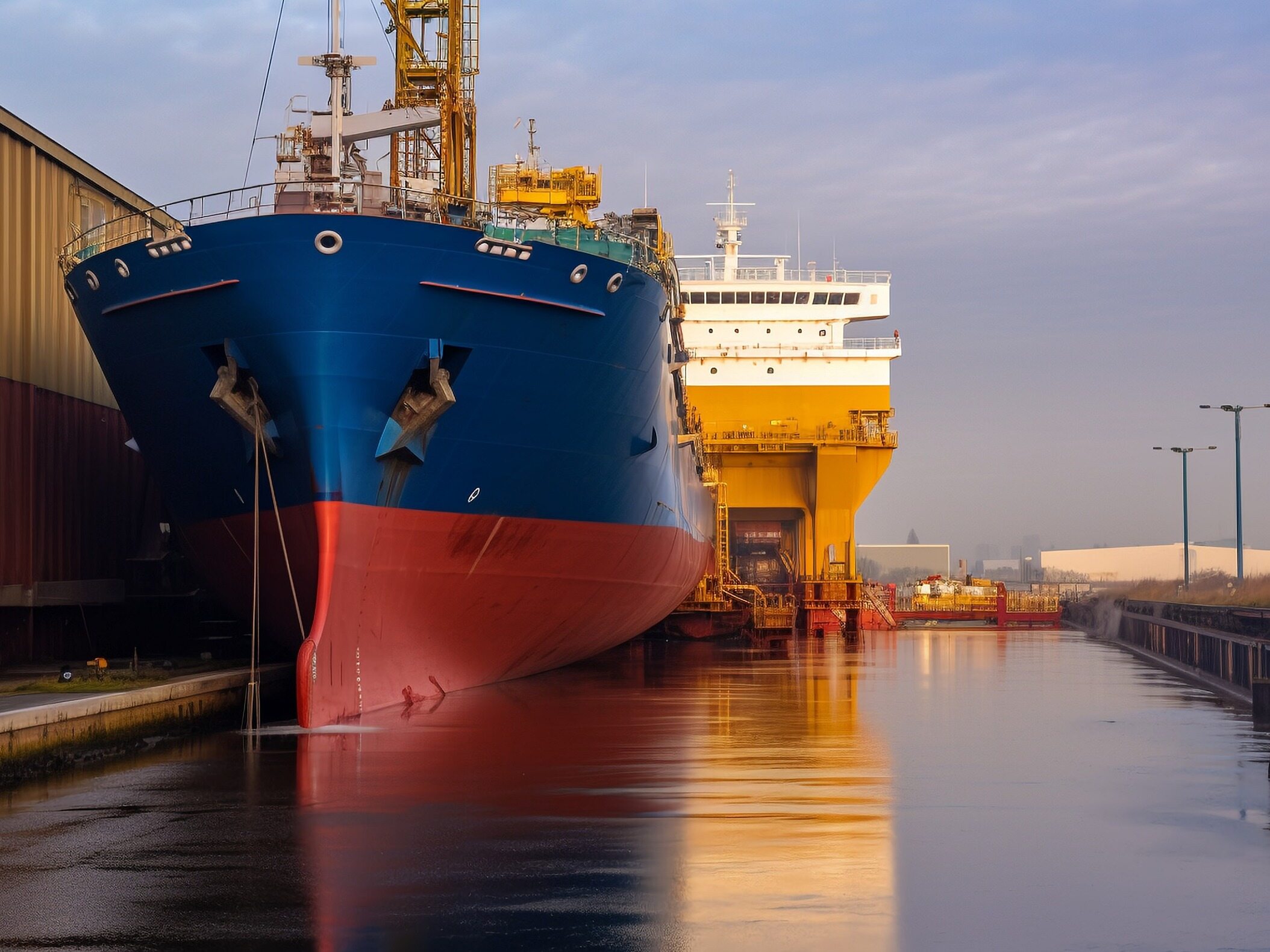
On the water surface of Jida Port, ships shuttle back and forth, but long queues often form due to insufficient berths and channel restrictions. For Bangladesh, a country with textile and clothing exports as its economic lifeline, port efficiency is directly related to the delivery of orders from countless factories and the livelihoods of workers.
On August 31, 2026, exciting news came from Chittagong - APM Terminal Company held a groundbreaking ceremony for the Lardia Container Terminal project. At this moment, one of the largest public-private joint venture port investment projects in Bangladesh's history has officially entered the construction phase from the blueprint.
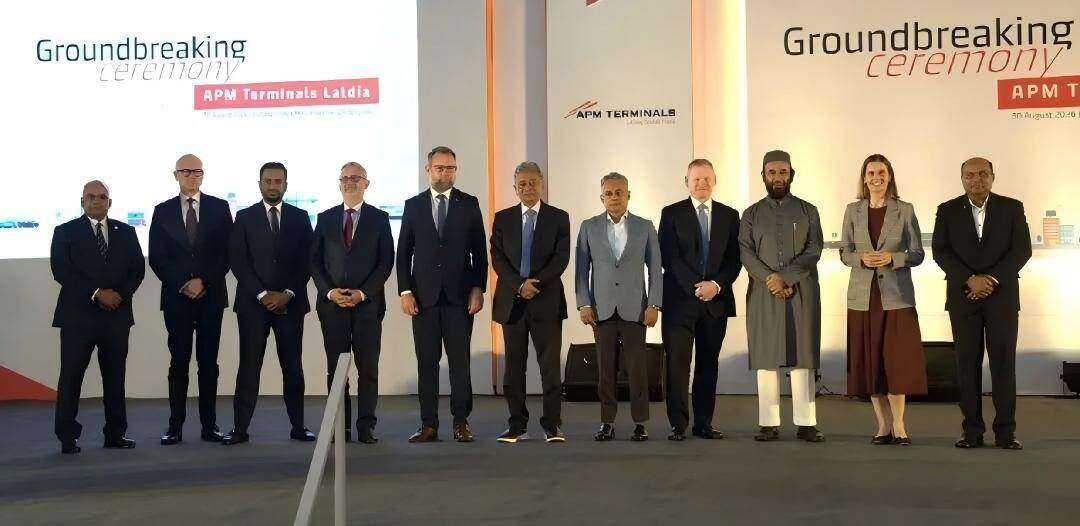
This project, with a total investment of up to 550 million US dollars, is the flagship achievement of cooperation between the governments of Bangladesh and Denmark. Bangladesh invites Danish shipping and logistics companies to export their professional capabilities and capital to modernize and upgrade its key trade infrastructure. The Lardia Terminal project is jointly promoted by APM Terminal Company, Chittagong Port Authority, and local partner QNS Container Services Limited. Senior officials from both governments attended the groundbreaking ceremony, demonstrating their joint commitment to investment driven economic growth.
Innovative models safeguard sovereignty
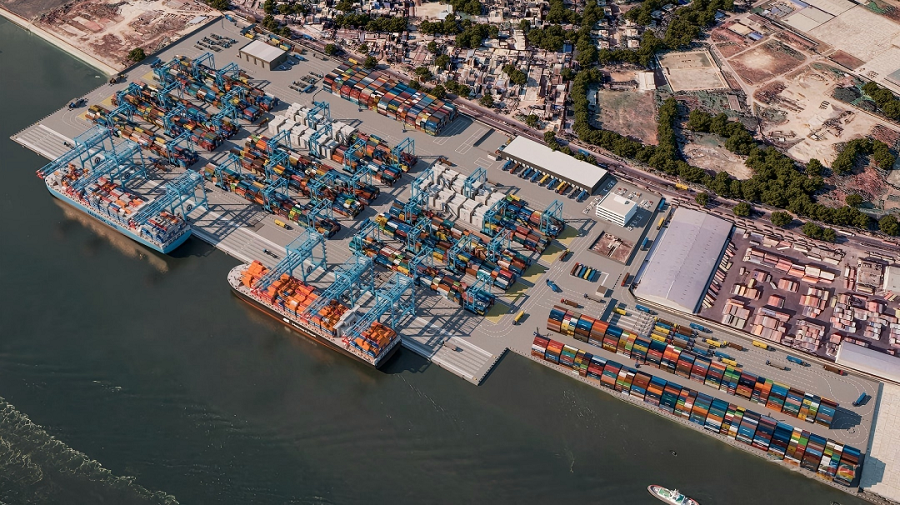
The design, financing, construction, and operation of the Laldia container terminal are all undertaken by APM and its partners, which is the first of its kind in the port industry in Bangladesh. It is crucial that the ownership of the terminal assets always belongs to Bangladesh. This South Asian country has successfully introduced world-class private capital and operational management experience while retaining strategic infrastructure sovereignty. APM Lardia Terminal CEO Romesh Davy said that the groundbreaking of Lardia has made the promise come true. The project not only creates a terminal, but also brings deep-water berths, large vessel berthing conditions, green operation mode, and world-class gateway hub to Bangladeshi export enterprises. This is a true embodiment of the partnership between the two countries: Denmark exports technology and capital, Bangladesh carries a development vision, and both sides are committed to a low-carbon and future oriented trade system.
Deepwater berth expansion capacity
The project is planned to be put into operation by 2030 and will add an annual processing capacity of over 800000 TEUs to the port system in Bangladesh. This increment will effectively alleviate the long-term congestion dilemma faced by Chittagong and enhance the supply chain stability of export pillar industries such as textiles, clothing, and manufacturing. The terminal design adopts greater water depth and extended shoreline, allowing Jida Port to accommodate container ships up to 6000 TEUs, which is more than twice the current navigation limit of about 2800 TEUs. The berthing of large vessels will shorten the turnover time of ships in port, reduce overall logistics costs, and improve operational efficiency.
Double harvest of green employment
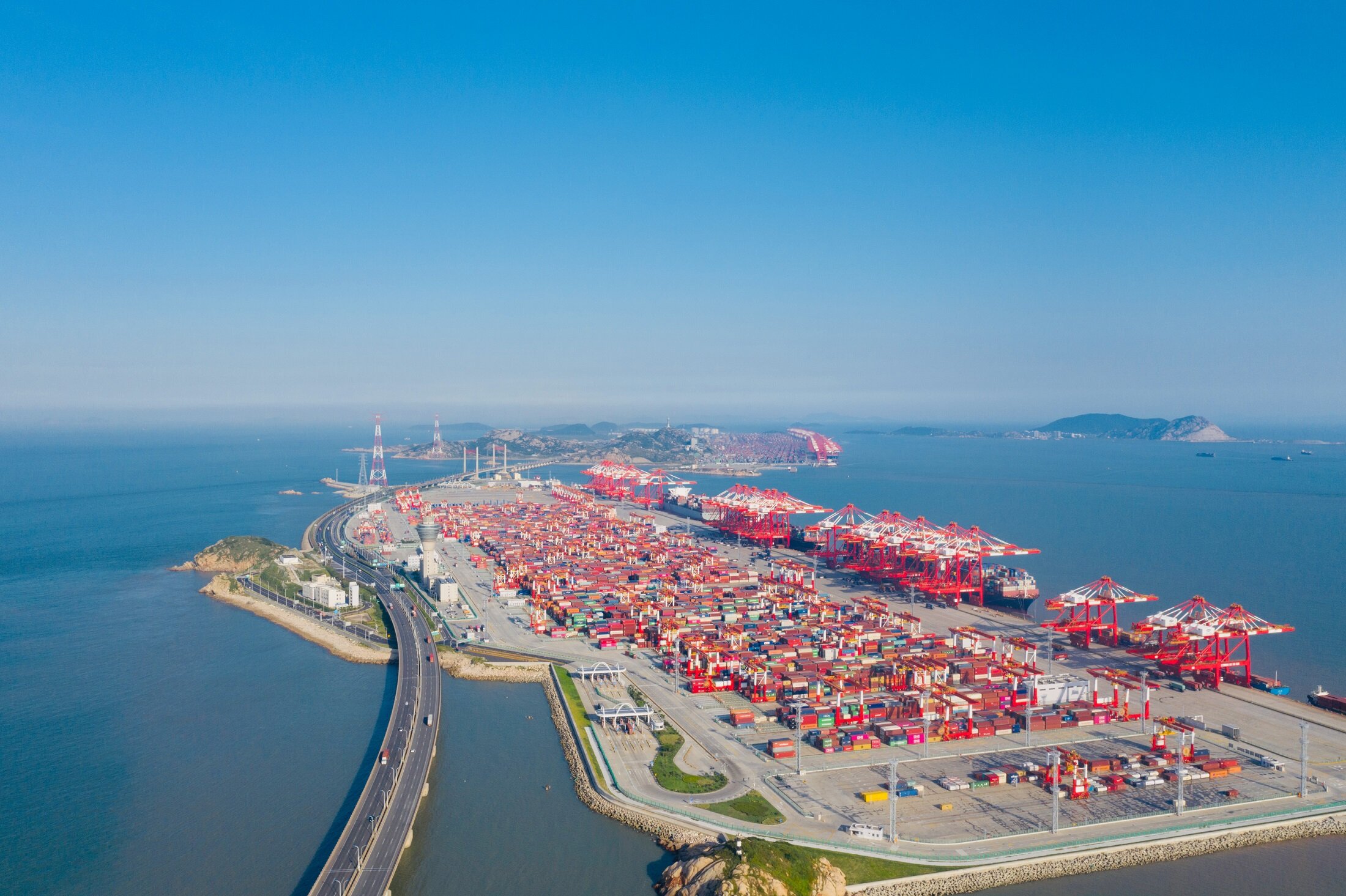
The project construction phase is expected to create over 1000 jobs, while the operation phase will provide more than 500 direct jobs, while driving a large number of indirect employment opportunities in the logistics, manufacturing, and service industries. To cultivate local talents, the project will establish a special training and apprenticeship program to train high-quality local maritime practitioners. Laldia Terminal is committed to building one of the first high-efficiency and low emission terminals in Bangladesh, in line with Bangladesh's long-term climate goals. The electrification of loading and unloading equipment, photovoltaic power stations, and shore power supporting systems are synchronously implemented to reduce greenhouse gas emissions, lower noise and air pollution in the factory area and surrounding areas. In addition to environmental benefits, low-carbon logistics will also bring tangible commercial value to Bangladesh. Overseas buyers in Europe, North America, and other regions are increasingly valuing low-carbon performance in their supply chains. Laldia Terminal will help Bangladesh's garment manufacturing and export enterprises meet the environmental requirements of overseas customers, making green a new competitive color.keywords:Engineering infrastructure
From the moment of groundbreaking, Laldia Port is not only the foundation of infrastructure, but also an important step for Bangladesh to move towards the era of deep-water ports and achieve trade upgrading. When the terminal is officially put into operation in 2030, Chittagong will usher in unprecedented vitality, injecting strong impetus into the country's economic development.Editor/Yang Meiling
Comment

 Praise
 Collect
 Comment

 Share
Share


Write something~