 Search


- This Sabah offshore project, which has gone through more than 20 years of twists and turns, has entered the development stage

The deep-water area near Sabah, which has been dormant for more than 20 years, has finally reached a critical turning point. The Malaysian National Petroleum Corporation has officially made the final investment decision for the Limbayong deepwater oil and gas project. This project, which has gone through four bidding twists and turns and has been put on hold multiple times, has ended its long gestation period and officially entered the physical development stage.
The first local deepwater project has landed
Limbayong is the first deepwater development project independently operated by Petronas in Malaysia, located 120 kilometers off the coast of Sabah and covering a water depth of 900 to 1200 meters. The oil field was discovered by Shell in 2002, with subsequent proven and estimated reserves of 139 million barrels of oil and 784 billion cubic feet of associated gas. In 2017, Shell fully returned the block to Petronas.
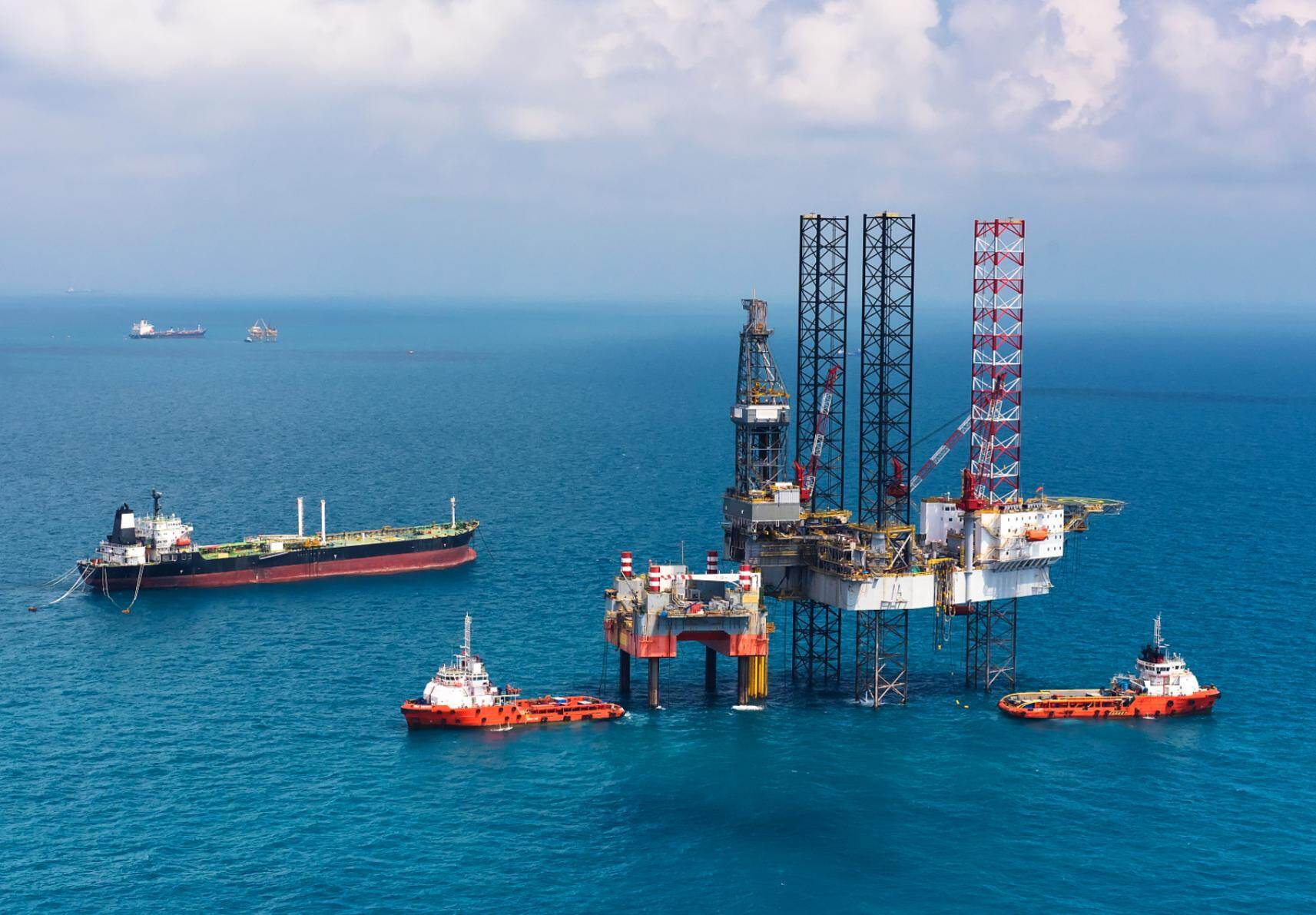
The project ultimately adopts a cylindrical floating production, storage, and unloading device as the core development carrier, and deploys 10 deep water wells to complete oil and gas return through an underwater production system. The FPSO is provided by MISC, a subsidiary of Petronas, with a daily liquid processing capacity of 60000 barrels, an oil storage capacity of 600000 barrels, a daily water injection processing capacity of 75000 barrels, and a lease period of 12 years. TechnipFMC has won the full chain EPCIC contract for subsea production systems, adopting Subsea 2.0 series compact equipment, which reduces the volume and weight of traditional equipment by 50%, significantly reducing the construction difficulty and overall cost of deepwater operations.
Reshaping Regional Deep Water Confidence
After the project is put into operation, the daily crude oil production capacity can reach 40000 barrels, which is a core component of Petronas' three pronged resource expansion strategy. Previously, the FPSO bidding for the project was cancelled three times due to high development costs, tight supply chains, and post pandemic inflationary pressures. The fourth bidding was put on hold again two weeks after its launch. Petronas attempted to bundle it with the surrounding Bestari satellite oil field for economic optimization, and ultimately determined a feasible commercial path under the latest market conditions.

This project will become the core platform for Petronas to accumulate full chain deepwater development capabilities, directly driving the rolling exploration of undeveloped traps within a range of 18 to 30 kilometers, creating a large number of new opportunities for Malaysia's local offshore supporting industries, and also boosting global investors' confidence in the development of Sabah deepwater blocks.Editor/Cheng Liting
Comment



 Praise
 Collect
 Comment

 Share
Share


Write something~