 Search


- Indonesia plans to expand its photovoltaic installed capacity nearly 70 times and equip it with 320GWh of energy storage in three years
- To break free from dependence on fuel imports and reconstruct the island's power grid, providing a huge sample for Southeast Asia's energy transformation
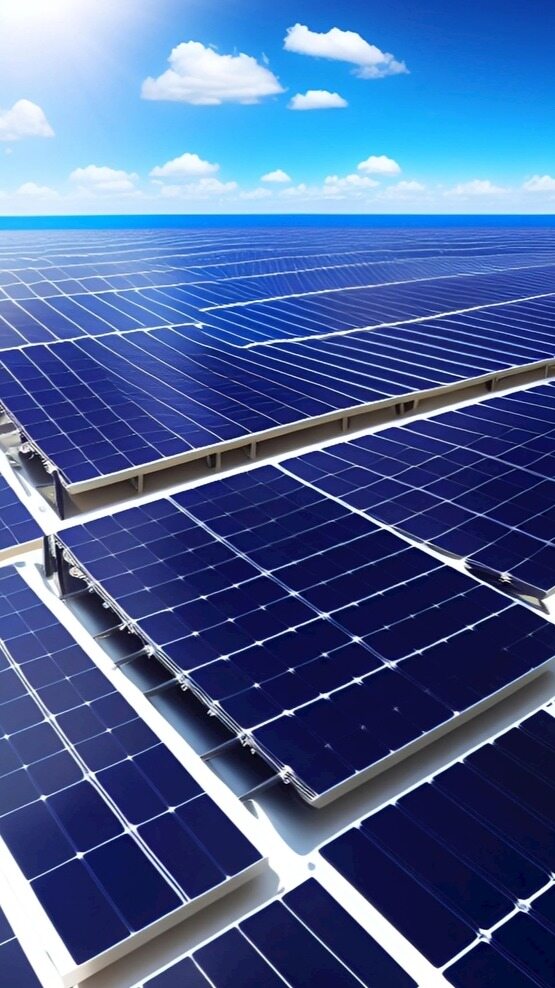
On August 25, 2026, excavators raised dust in the sea breeze of Jilimanuk, located at the western end of Bali. Indonesian President Prabowo stood in front of the crowd and announced something that no one dared to seriously mention in the past: to increase the country's photovoltaic installed capacity from about 1.5GW to 100GW within three years. The largest of the first 14 projects, the 305 MW photovoltaic power station in Gilimanuk, Bali, which is equipped with 1GWh of battery energy storage, was laid on site. Like a pathfinder stone, it was placed in this $73 billion national level gamble.

Expand 70 times in three years
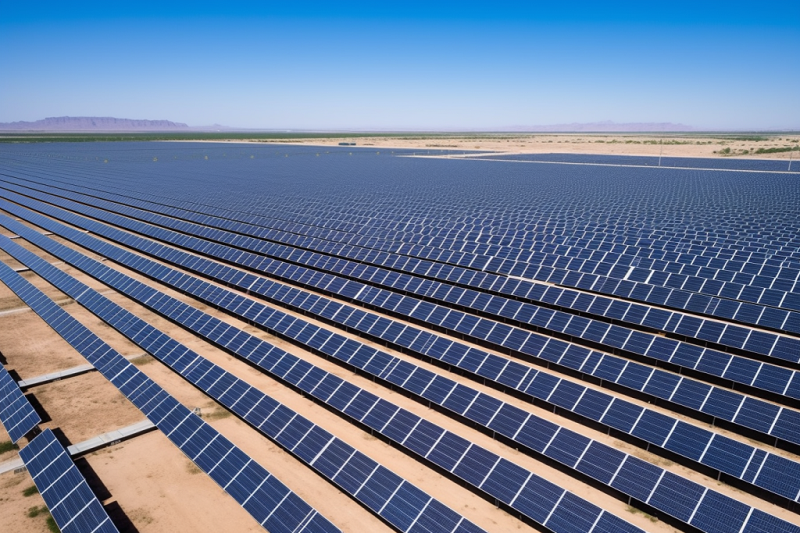
What is the concept of 100GW? By the end of 2025, only four countries in the world, China, the United States, India, and Germany, have accumulated photovoltaic power over this line, while Indonesia currently has less than 1.5GW of photovoltaic power. The new plan aims to enlarge the plate by nearly 70 times, with 80GW distributed in 80000 villages and 320GWh of energy storage; 20GW centralized ground power station, aiming to be completed before 2029.
Where does the money come from and who will build it? Indonesia has given a rough answer: priority should be given to attracting private capital such as independent power producers, and village projects with insignificant returns should be financed by the national sovereign fund Danantara. According to official estimates, the construction period can create about 5.52 million jobs, and after full operation, it can save about 4.7 billion US dollars in fossil fuel import expenses annually. It can also replace about 6 billion liters of diesel and reduce carbon dioxide emissions by over 140 million tons.
The first batch of project exploration
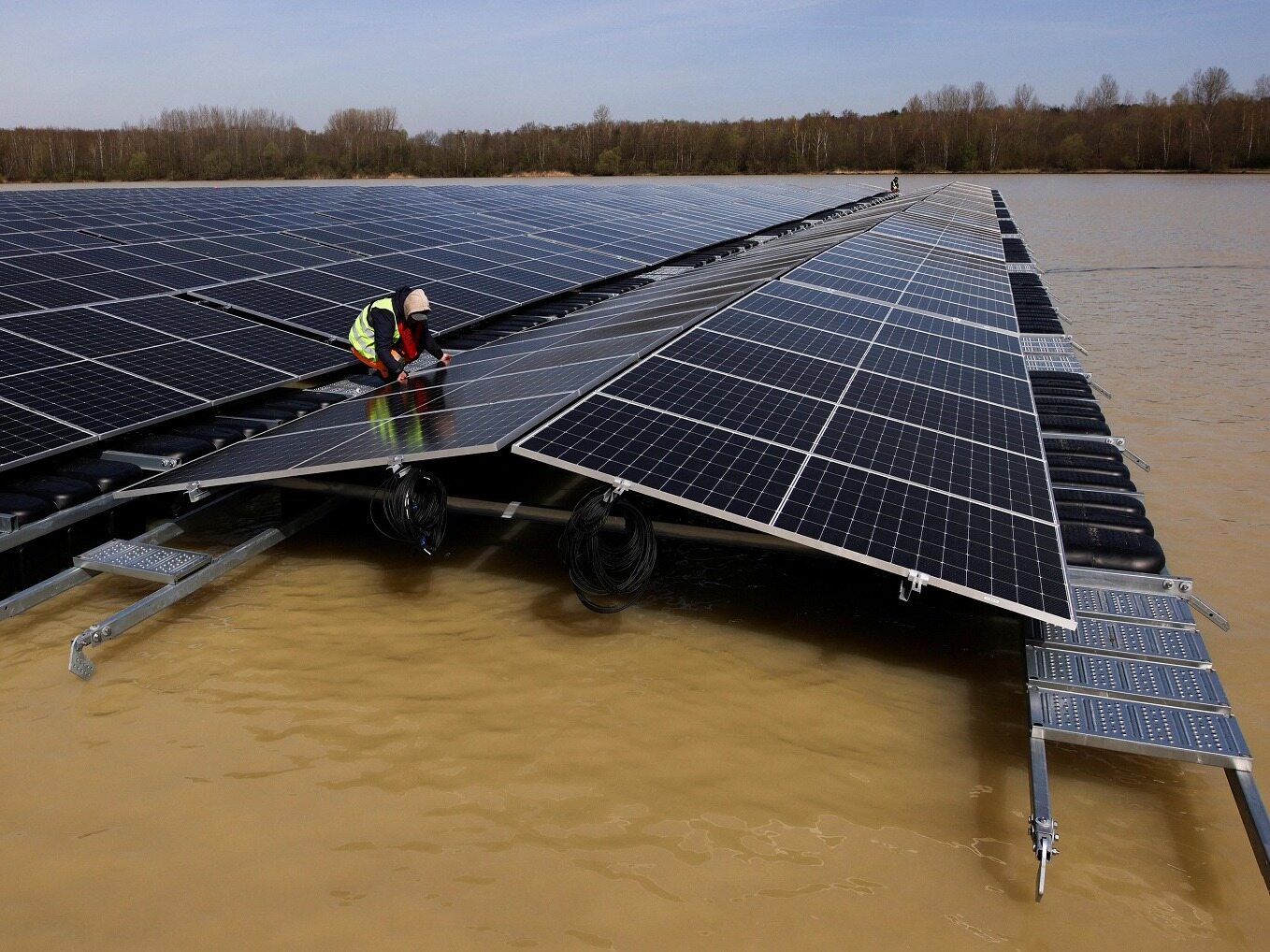
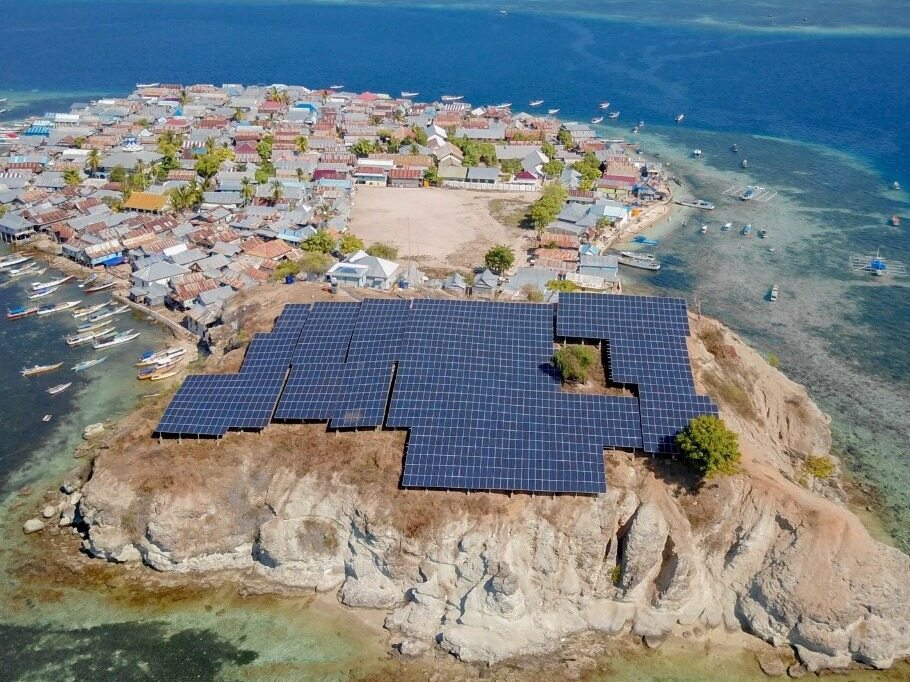
Accompanying the presidential decree are 14 initial projects distributed across 6 provinces, with a total of 5.3GW and an investment of approximately 7.7 billion US dollars. 0.92MW of power has been put into operation in Senbul Village, Liaonei Islands, and 0.078MW in Lungit Island, Bangka Belitung - the latter has changed the power supply on the island from 12 hours a day to 24 hours a day; 6 under construction, 6 awaiting bidding. There are two floating photovoltaics with a capacity of 1.25GW each, Jadiluhul and Chilata, on the list of bidders. Jili Manuk 305MW+1GWh energy storage serves as a benchmark and is expected to be put into operation in 2028, providing samples for subsequent village microgrids and cross island grid connections.
Shortcomings and Reality
The other side of the story is not as bright. The annual production capacity of photovoltaic modules in Indonesia is about 14GW, with an average annual grid connection of over 30GW, and the gap is filled by imports; 17000 islands do not have a unified main grid, and a large number of areas outside Java Bali rely on diesel isolated grids for power supply. 100GW of fluctuating power sources come in, and energy storage, distribution networks, and cross sea transmission are synchronously regenerated. In the past five years, Indonesia's renewable energy has added only about 0.7GW to the grid annually, and the EPC team, substations, land acquisition, and electricity pricing mechanisms all need to be re trained.
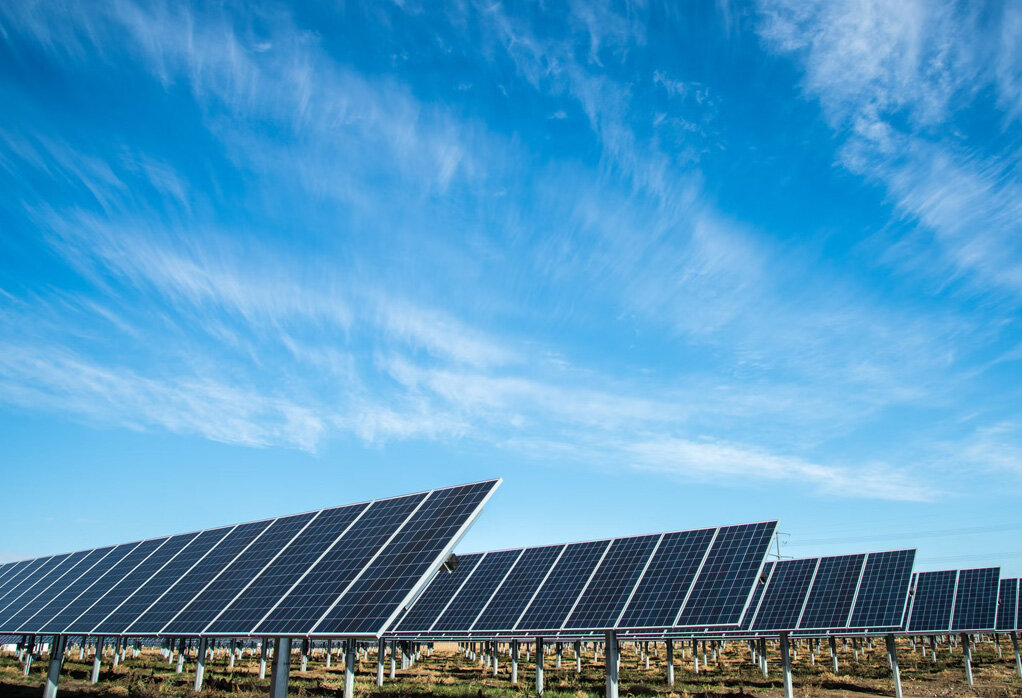
The Indonesian Solar Energy Association and IESR have bluntly stated that the three-year 100GW project is more like a political signal than an engineering schedule, but the signal itself has already stirred up the industry chain - Chinese module exports to Indonesia have doubled several times over the year, Longi and Tianhe have set up production lines locally, and State Grid Corporation of China, China Power Construction, and China Energy Construction have entered the first batch of projects; Danantara also took $1.4 billion to build a component factory with a maximum capacity of 50GW. Southeast Asian renewable energy investment has been pushed to the doorstep of a new round of activity.keywords:Southeast Asia engineering information network,New energy information network
It will take another two years for the electricity gates in Jilimanuk to close, but Indonesia has already recorded the switch from diesel barrels to photovoltaic panels in the national ledger. Whether it is possible to submit the exam on schedule or not, the electricity of the archipelago countries will have to take a different path from this day on.Editor/Yang Meiling
Comment


 Praise
 Collect
 Comment

 Share
Share


Write something~