 Search


- The annual investment in global AI data centers is expected to climb from $800 billion in 2026 to $1.8 trillion in 2050
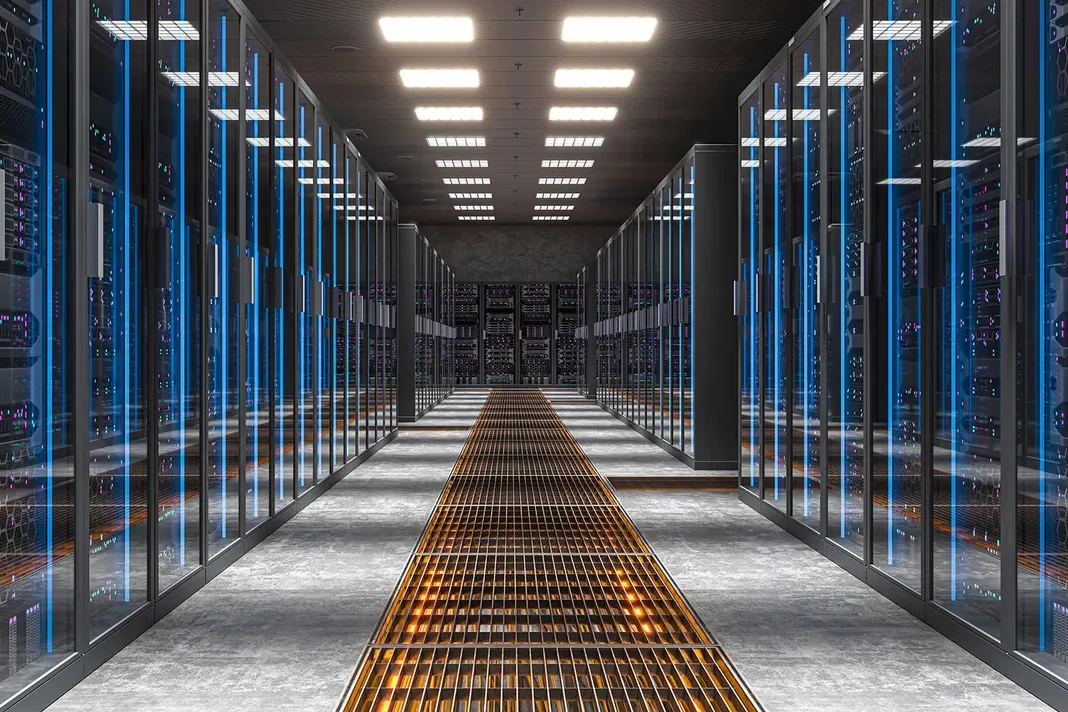
A global wave of AI infrastructure investment is rapidly spreading, from computing power clusters in Silicon Valley to emerging data hubs in the Asia Pacific region. The latest global data center outlook report released by PwC presents for the first time the complete investment panorama of global AI infrastructure in the next 20 years. With a cumulative investment scale of $31.6 trillion, it is completely rewriting the underlying logic of global infrastructure investment.
$31.6 trillion investment covers the world
The baseline forecast shows that by 2050, the cumulative investment in the global AI infrastructure sector will reach a historic high of $31.6 trillion. On an annual scale, the global investment in data centers is expected to climb from approximately $800 billion in 2026 to $1.8 trillion in 2050. As the core of the advanced chip ecosystem, the United States is expected to capture nearly 48% of the investment share, with a total scale of $15.1 trillion.
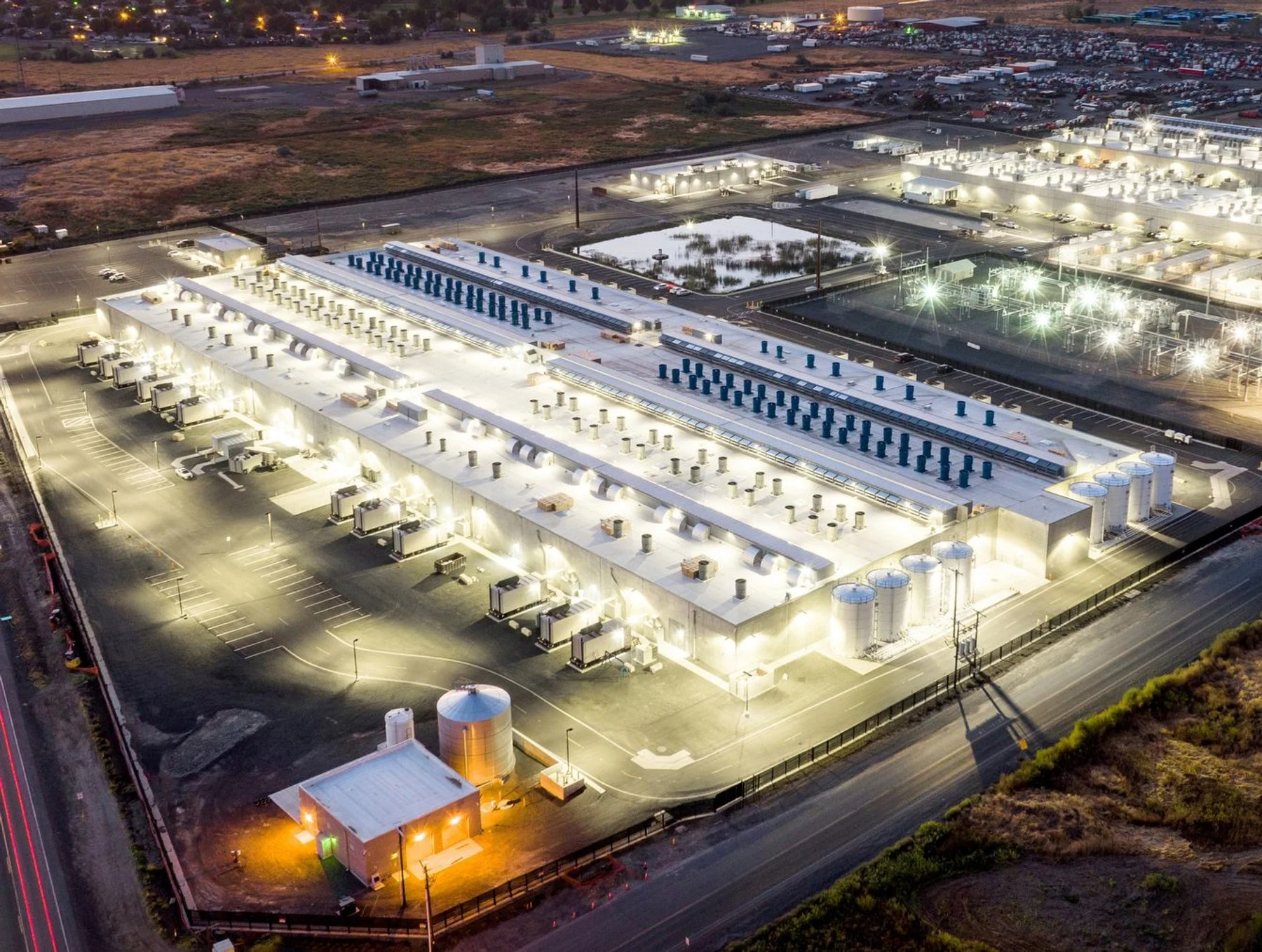
Driven by the Chinese and Indian markets, the cumulative capital expenditure in the Asia Pacific region will reach 8.2 trillion US dollars, while Europe and the Middle East will accelerate project implementation under the promotion of sovereign AI strategies. Based on the actual implementation data of global computing infrastructure in the first half of 2026, the actual construction volume of global AI data centers has increased by 127% compared to the same period in 2025, and the previous investment growth rate has exceeded the report baseline expectation.
Hardware iteration dominates capital flow
The report was commissioned by PwC and completed by Oxford Economics, covering the modeling of computing infrastructure capital expenditures in 46 countries and regions worldwide. Unlike the gradual slowdown in investment after the completion of traditional infrastructure and civil engineering, investment in AI infrastructure will continue to accelerate in the long term. The core driver is not construction, but the continuous technological iteration of chips and ICT hardware every few years. The proportion of such equipment in total investment will surge from 70% currently to 93% by 2050.
Clara Cutajar, Global Infrastructure Business Leader at PwC Australia, pointed out that AI infrastructure spans multiple dimensions such as technology, energy, real estate, and supply chains, fundamentally reshaping the capital allocation logic of infrastructure investors. The deterministic community license for data security policies in the interconnection of power supply networks, as well as the difficulty in obtaining GPU computing resources, will become the core criteria for determining the ultimate flow of trillions of dollars in global capital.

This AI infrastructure frenzy that has lasted for more than 20 years will not naturally benefit all market participants. Only those who have completed forward-looking layouts in advance can obtain core seats in this global capital redistribution wave.Editor/Cheng Liting
Comment





 Praise
 Collect
 Comment

 Share
Share


Write something~