 Search


- MTN data traffic increases by 22.8%, and the construction of data centers in Africa may enter an acceleration period

On August 24, 2026, MTN Group disclosed its first half performance, and its digital infrastructure business established a partnership with a data center investment platform supported by UAE capital to jointly establish Africa Data Hub Holdings Limited. South Africa and Nigeria have been identified as priority markets for the first phase. MTN has 317.7 million customers and 179.3 million active data users, with data traffic increasing by 22.8% year-on-year to 14.3 petabytes, while Africa's data center capacity accounts for only about 0.6% of the global total. From market evaluation to partner selection, MTN is advancing its data center strategy to a specialized investment platform stage, and the procurement entity for African data hubs may shift to project companies.
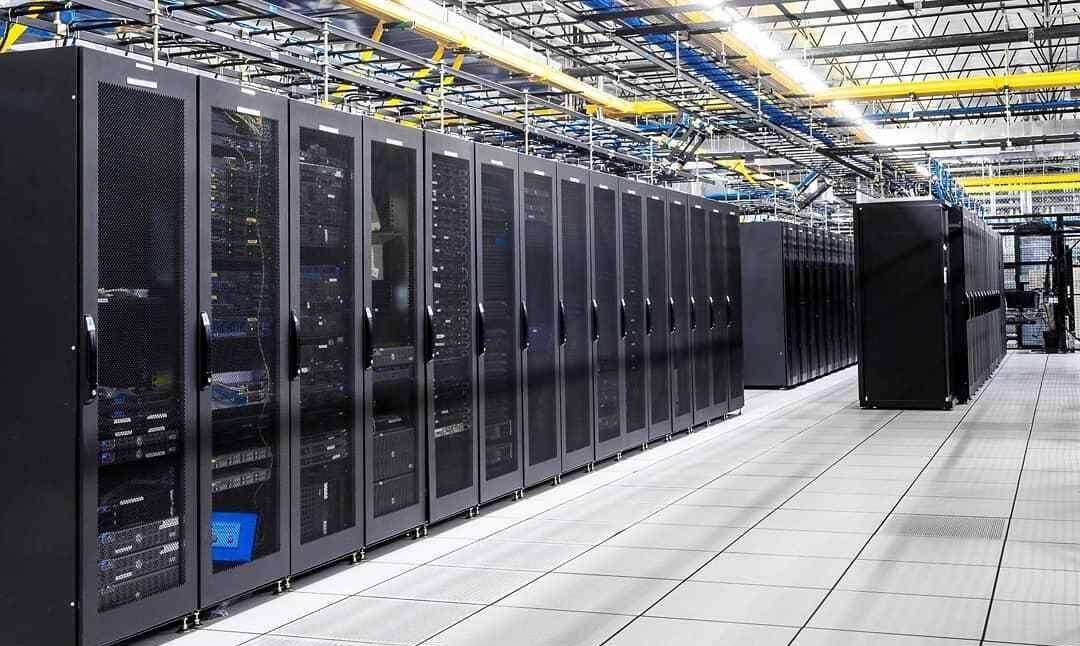
Data center investment platform established
MTN has provided a roadmap for the full year performance of 2025, completing market evaluation in the first quarter of that year and identifying South Africa and Nigeria as priority markets for new data center construction. Subsequently, select partners and advance negotiations on joint investment and operational models. By August 2026, negotiations will enter the stage of establishing a specialized company. The African data hub will connect MTN customers, networks, and infrastructure, introduce external long-term capital, and increase financing pathways for heavy asset projects. Previously, MTN Group formed a $250 million fund with multiple global and regional investors to invest in the construction of data centers in Africa.

Nigeria already has physical assets
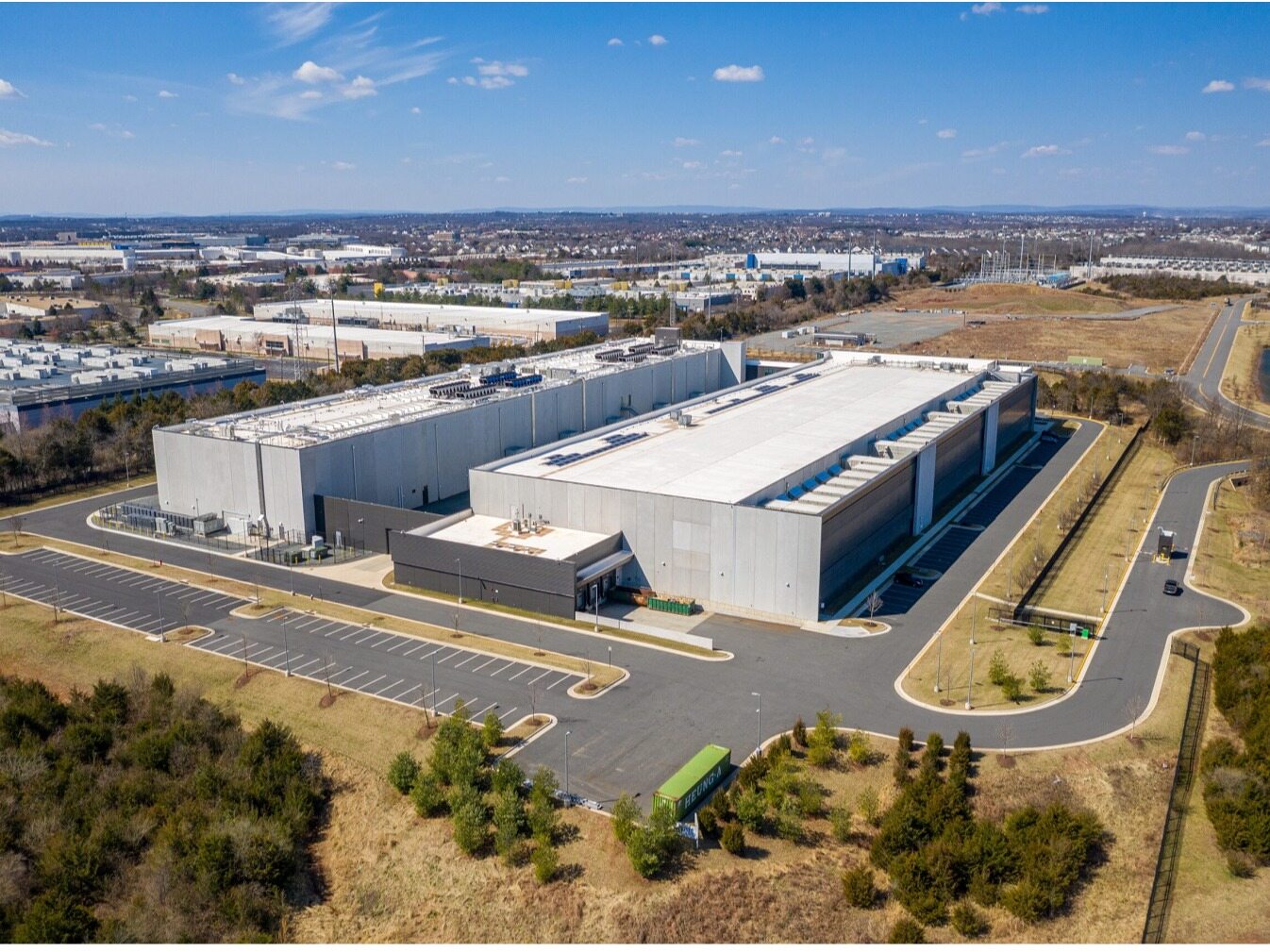
MTN Nigeria has launched the first phase of the Dabengua data center in July 2025, with a total planned capacity of 9MW and 4.5MW. The data center infrastructure is estimated to cost around $100 million, cloud infrastructure is estimated to cost around $20 million, and the total cabinet capacity is approximately 1500. On August 17, 2026, Nigeria released its national digital cloud policy, aiming to mobilize $250 million in private investment within 12 months and increase it to $750 million within 24 months, with plans to add at least 90000 kilometers of new fiber optic cables. Whether Dabengua Phase II will enter a new platform or build another high-density AI data center is the next focus of attention. Keywords: Computing News Network AI、 data center

Chinese enterprises focus on electromechanical and network interfaces
Huawei and MTN signed a strategic memorandum of cooperation in March 2026, which includes artificial intelligence ready data centers, fiber optic networks, and connectivity platforms. Chinese technology companies now have a direct foundation for cooperation. For Chinese enterprises, procurement packages for power supply and distribution, energy storage, refrigeration, prefabricated computer rooms, data center interconnection, and commissioning and operation are more likely to be formed first. High end computing equipment also requires separate verification of chip sources, export rules, and customer technical systems. The report from the African Data Center Association indicates that power infrastructure is a necessary condition for the scale expansion of data centers. McKinsey predicts that the demand for data centers in Africa will increase from about 0.4 gigawatts to 1.5 to 2.2 gigawatts by 2030, with an additional investment of $10 billion to $20 billion required for the building of data centers and infrastructure shells alone. The validation items for the next phase of the African data hub include whether signals such as cities and land parcels, megawatt capacity, power contracts, long-term customers, or formal bidding have begun to be made public. This can be seen as an important milestone for the platform to enter the engineering execution phase.Editor/Gao Xue
Comment






 Praise
 Collect
 Comment

 Share
Share


Write something~