 Search



- Spain forces data centers to shift from green power buyers to clean power co builders through hourly green power matching
- Provided a strict benchmark for global computing collaboration and digital sovereignty regulation
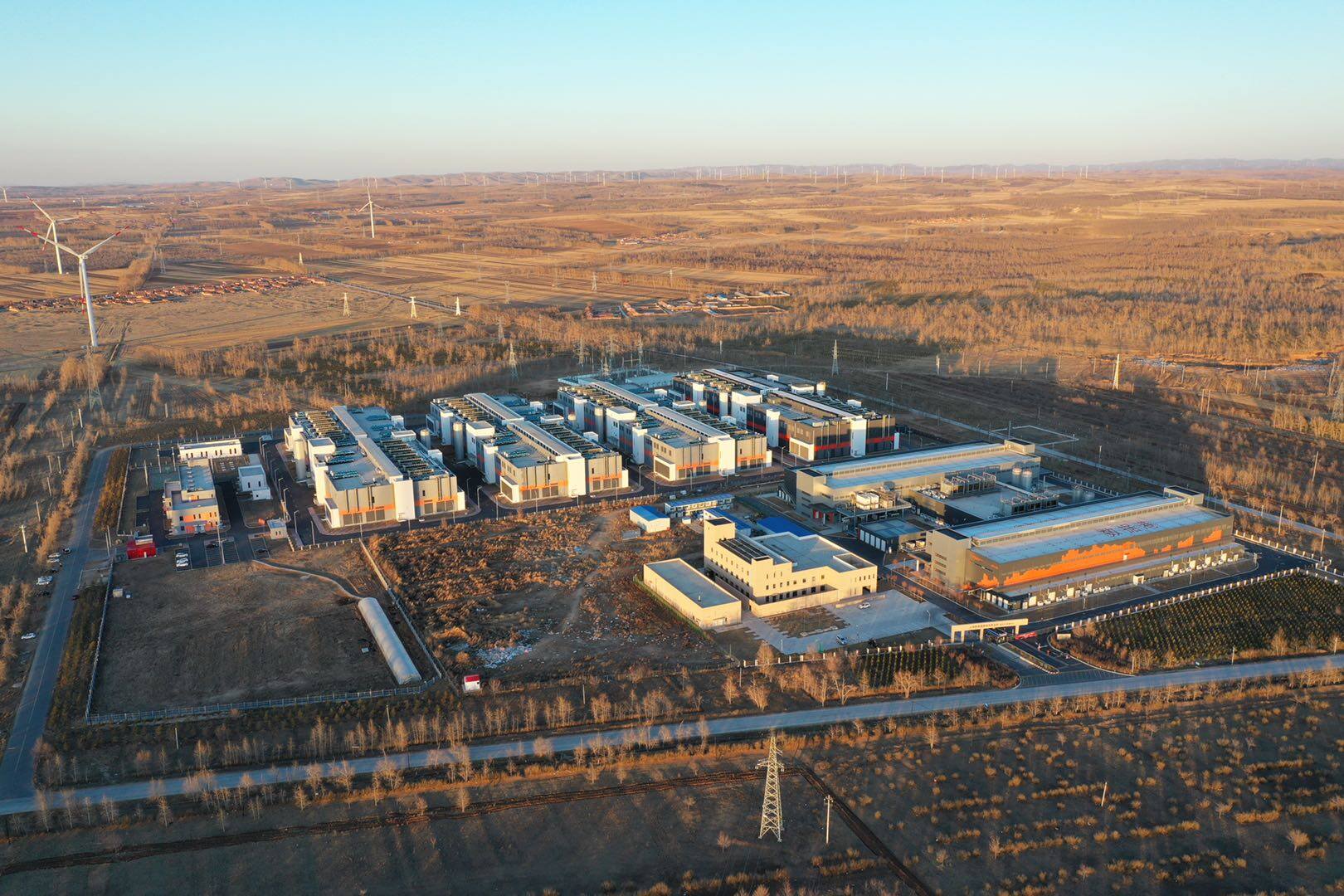
On a data center construction site in the suburbs of Madrid that is waiting to be connected to the grid, the developer used to only worry about chips and cooling systems, but now has a new anxiety: the electricity running in the data center at 3am must be generated by newly added wind turbines or photovoltaics in the same hour to count. The Royal Decree Draft released by the Spanish government in August 2026 includes this hourly verification as a mandatory provision.

Calculate accounts hourly
The draft is aimed at newly built data centers with an electrical capacity of 1MW or more that have not yet been connected to the grid. The core rule is only one: every hour of operation, at least 80% of electricity consumption must be covered by newly added renewable energy sources in the same hour. This puts an end to the old practice of offsetting with the annual total, using green electricity during the day and thermal power at night.
The principle of additivity in supporting facilities: for every additional 1MW of load, an additional 1MW of renewable installed capacity must be added within 18 months before the data center is put into operation. It can be self built or signed a long-term power purchase agreement, and the purchase of existing green certificates is not counted. This requirement will continue to apply until the renewable share of the Spanish power grid exceeds 90% before further discussion.
Water efficiency and sovereignty
In addition to energy, the draft links water efficiency, energy efficiency, and digital sovereignty together. New projects must meet the highest level of energy and water efficiency labels for data centers to be implemented by the European Union; Operators must establish entities within the European Union, store operations and metadata within the EU, and control access from third countries.
Punishment increases along the cost of the power grid: for non-compliance, additional fees and network rates will be raised first, and continued violations may result in disqualification from access. Exemption has been granted to the operational center; Projects under review will be given 6 months for rectification, while those awaiting grid connection bidding will only be given 3 months.
Global Same Question Answer
Spain dares to establish strict regulations, with confidence in both supply and demand: since 2021, over 12GW of data center grid connection rights have been approved, and the number of projects waiting to be connected still exceeds 10GW. Large scale facilities cause the greatest disturbance to land and water sources.

Oceania set off simultaneously: Australia is bundling AI data centers with grid reliability, and plans to require the addition of renewable matching, sharing of access costs, and becoming a net power generator. National legislation is expected to be promoted in early 2027.
The United States is taking a different path: the federal government is promoting natural gas as a backup, while companies are emerging as models of photovoltaic and energy storage. Google's Steel River project in Arkansas plans 2.5GW of photovoltaics and 2.9GWh of energy storage, which will be fully invested in 2029 to supply electricity to its own data centers.
When the expansion of computing power collides with grid capacity and climate targets, Spain's hourly threshold is like a yardstick: green electricity is no longer a percentage in year-end reports, but a clean current that must be on every second of the night.Editor/Yang Meiling
Comment




 Praise
 Collect
 Comment

 Share
Share


Write something~