 Search


- Danish capital technology helps upgrade Bangladesh ports and promote connectivity of the the Belt and Road
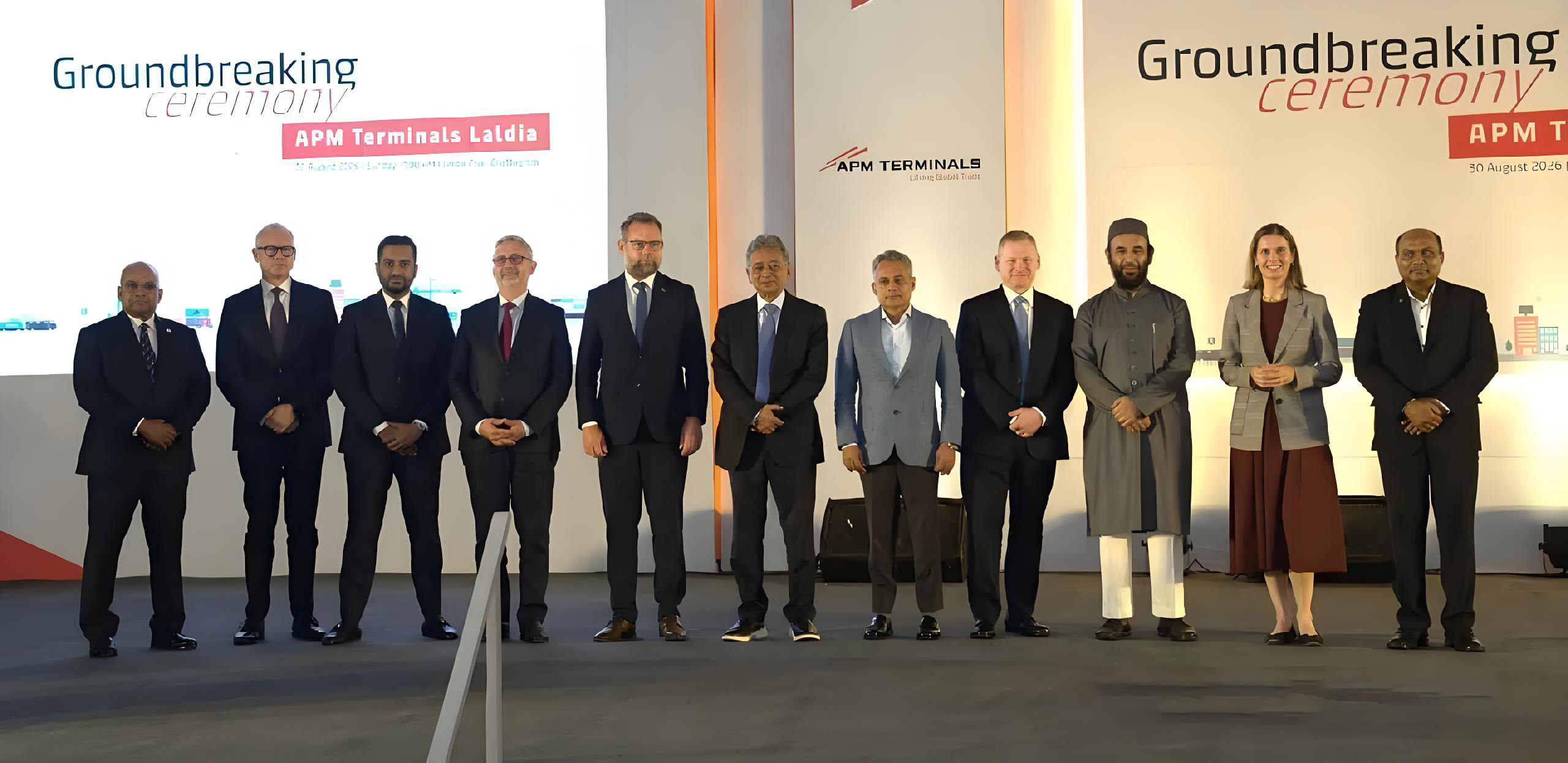
On August 31, 2026, by the side of Chittagong, the CEO of APM Terminals and the senior management of the Bangladeshi government jointly waved the shovel, and the construction of Lardia Container Terminal officially started. This new dock, with an investment of 550 million US dollars, is one of the largest public-private partnership investment projects in Bangladesh's history and a flagship achievement of cooperation between the governments of Bangladesh and Denmark. From signing to construction, the project is turning blueprints into reality - after being put into operation in 2030, it will reshape Bangladesh's maritime trade landscape.
Sovereignty in Hand, New Model of Foreign Investment Operation
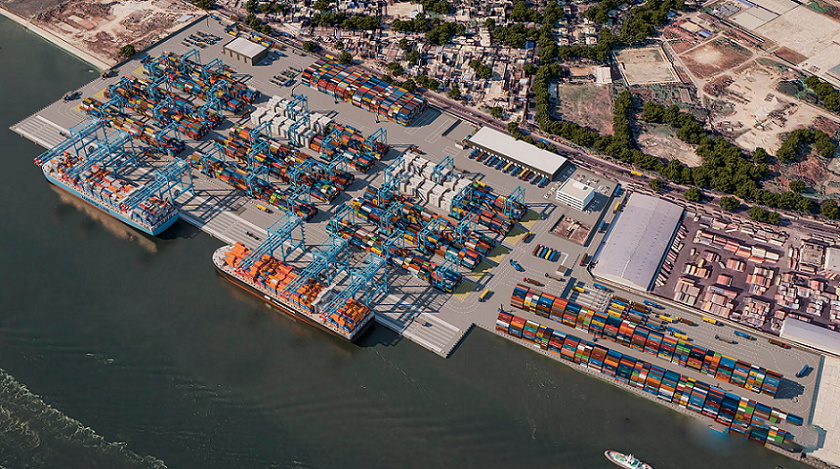
Lardia Terminal is jointly promoted by APM, Chittagong Port Authority, and local partner QNS. The design, financing, construction, and operation are all undertaken by APM and its partners, which is the first of its kind in the port industry in Bangladesh. The ownership of assets always belongs to Bangladesh. While retaining sovereignty over strategic infrastructure, the country has introduced world-class private capital and operational management experience, forming an innovative cooperation model that balances sovereignty security and professional efficiency.
Deepwater berths release dividends for large vessels
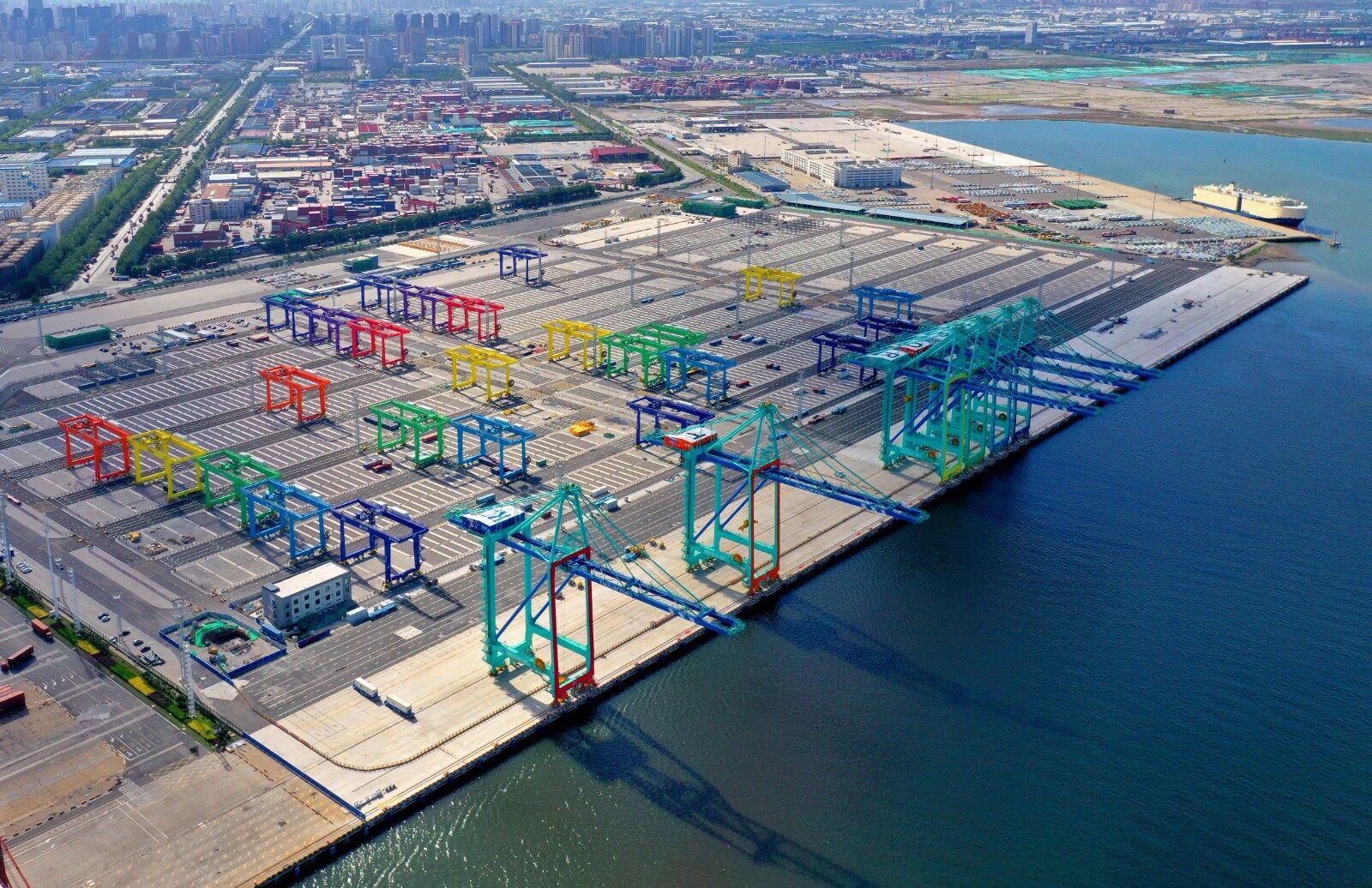
The project is planned to be put into operation by 2030, with an additional 800000 TEU throughput capacity and the ability to accommodate up to 6000 TEU container ships, which is more than twice the current navigation limit of approximately 2800 TEU. Deeper waterways and longer shorelines will shorten the turnover time of ships in the port, reduce logistics costs, effectively alleviate long-term congestion in Jida Port, and provide stable supply chain support for export pillar industries such as textiles, clothing, and manufacturing. Keywords: Infrastructure News Network, International, Wharf
Green docks drive employment and decarbonization
During the construction phase, it is expected to create over 1000 job opportunities, while during the operation phase, more than 500 direct positions will be provided, along with specialized training and apprenticeship programs to cultivate local maritime talents. The dock is committed to building the first batch of high-efficiency and low emission facilities in Bangladesh, with the simultaneous implementation of electrification of loading and unloading equipment, photovoltaic power stations, and shore power support. Low carbon logistics will help Bangladesh's garment manufacturing meet the environmental requirements of European and American buyers, empowering trade competitiveness with green operations.Editor/Gao Xue
Comment

 Praise
 Collect
 Comment

 Share
Share


Write something~