 Search


- The countdown to the official signing of the Nis 500 MW cogeneration gas power project
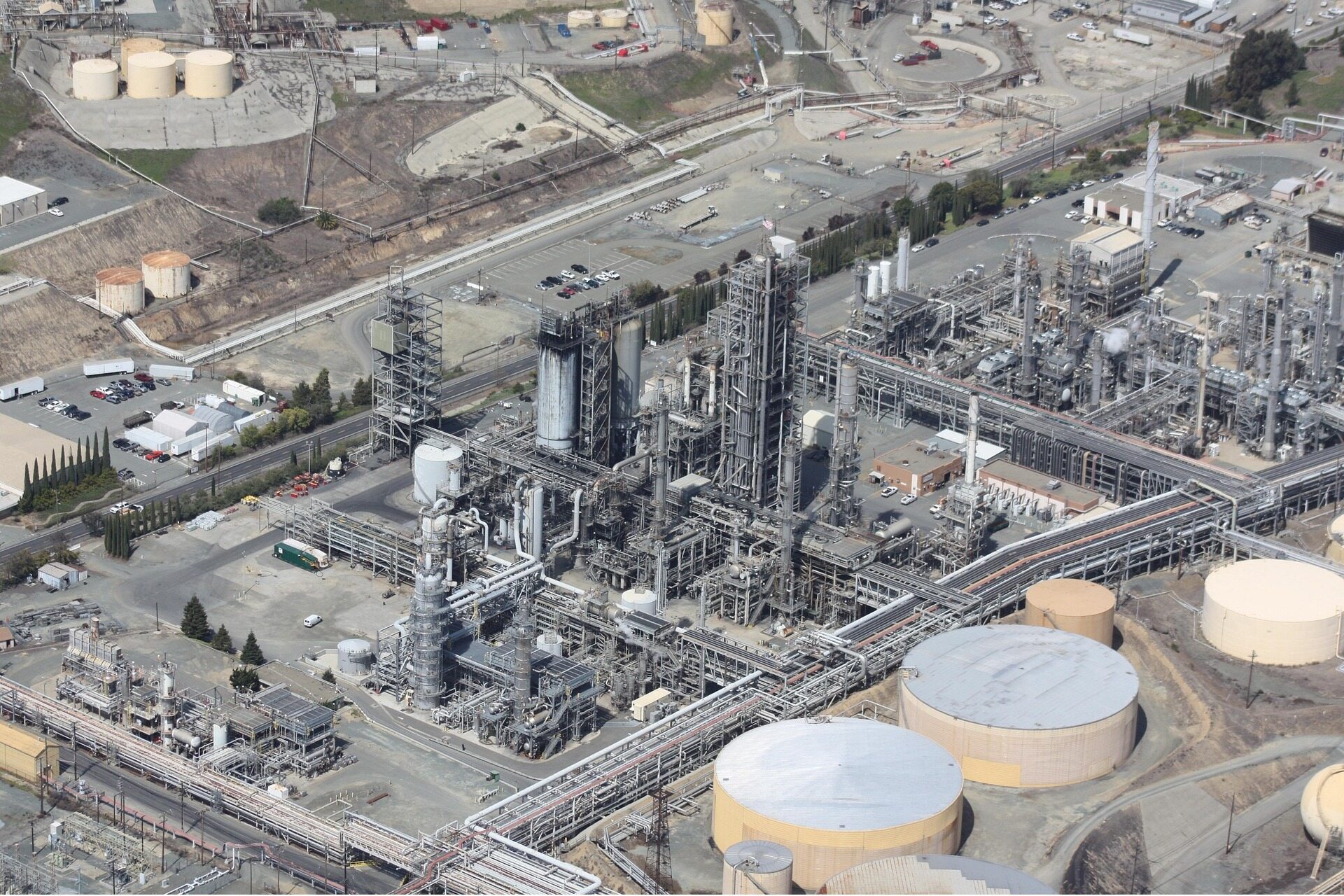
In the suburbs of Nis in the southern Balkans, as autumn winds sweep through the remnants of the Balkan Mountains, the landing of a 600 million euro cogeneration natural gas power plant has officially entered the final signing stage.
Energy companies from Serbia and Azerbaijan have completed all negotiations in Istanbul, and the coordination of shareholder contracts for the tripartite joint venture company has come to an end. It is expected that the official signing will be completed in Belgrade within a month. This 500 MW CHP power plant will become a landmark project for energy cooperation between the two countries.
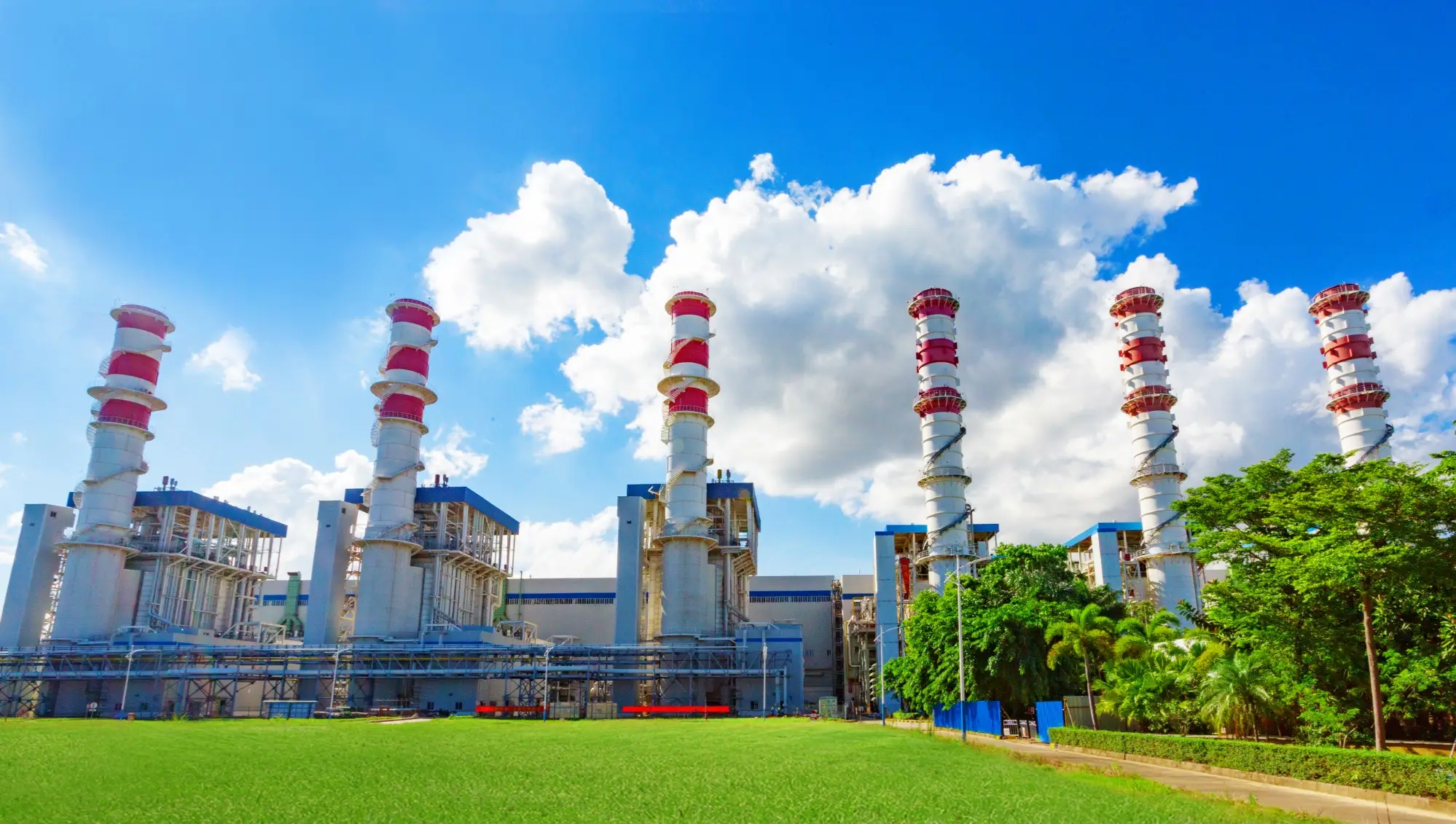
Three party joint venture to build a new energy node in the region
This joint venture project is jointly promoted by Serbian power company EPS, natural gas company Srbijagas, and Azerbaijan State Oil Company SOCAR. It is the first time that three leading energy companies have jointly landed a physical power generation project. The project has a planned construction period of 4 years and adopts gas combined cycle cogeneration technology. After being put into operation, it can simultaneously output stable electricity and civilian heating sources, directly covering the winter centralized heating demand in Nis and surrounding areas. At present, the specific shareholding ratio of the joint venture company has not been announced to the public, and the preliminary site selection and geological survey work of the project have been basically completed.
Ensure the safety of power supply in the supplementary area
In recent years, Serbia's domestic electricity consumption has continued to rise, with the national electricity gap expanding by 18% by 2025 compared to three years ago. The pressure on electricity and heat supply during the winter heating season continues to rise. After the new power plant is put into operation, the annual power generation is expected to reach 3 billion kilowatt hours, which can meet about 7% of the electricity demand of residents in Serbia and significantly reduce the local dependence on imported thermal power. The project relies on Azerbaijan's stable natural gas supply channel, which will further connect the direct link between the Caspian Sea oil and gas resources and the Balkan terminal market, and provide a key link for Serbia to build a more independent energy supply system. Keywords: energy news, power plants
From the signing of the framework agreement between the two governments in Ni š in February to the completion of all commercial negotiations in September, this energy project spanning the Caspian Sea and the Balkans is setting a new example for cross-border energy cooperation in Central and Eastern Europe in less than seven months.Editor/Cheng Liting
Comment




 Praise
 Collect
 Comment

 Share
Share


Write something~