 Search


- Finland is trying to rewrite the electricity map with wasteland and long summer sunshine
- Let high latitude countries also board the photovoltaic express train
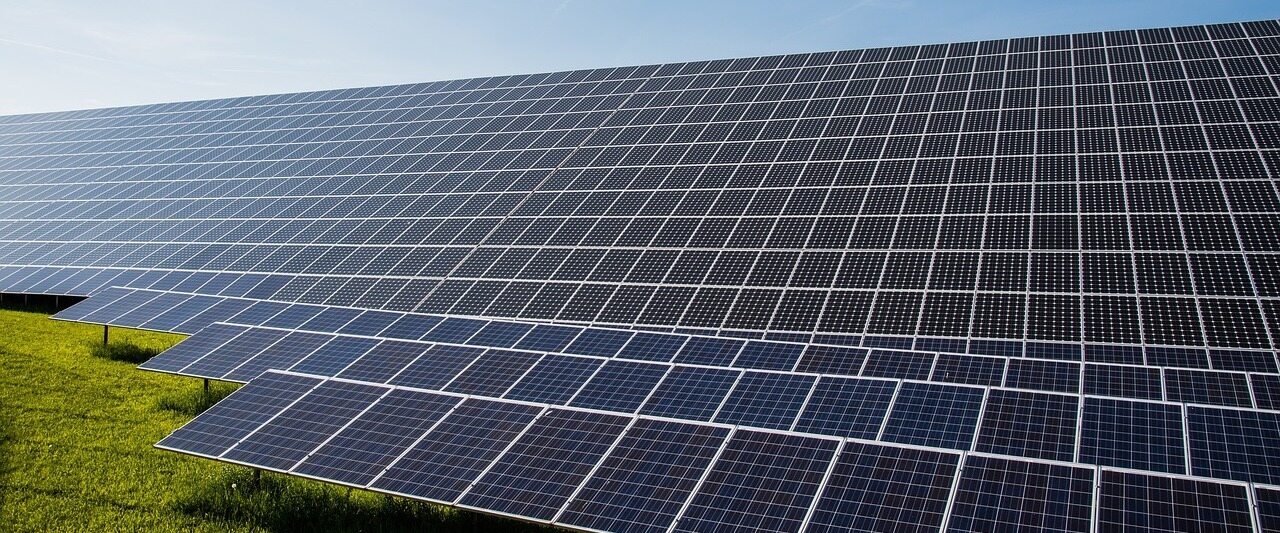
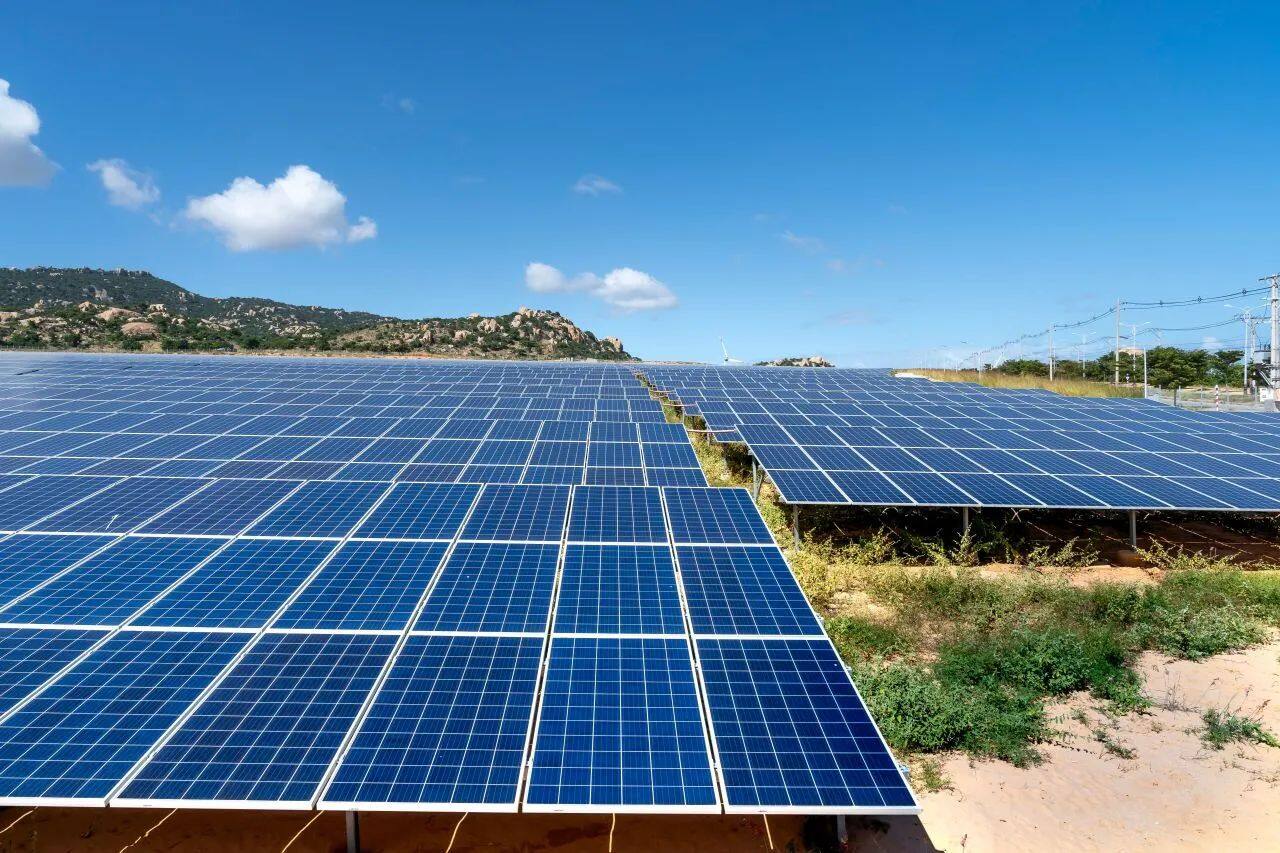
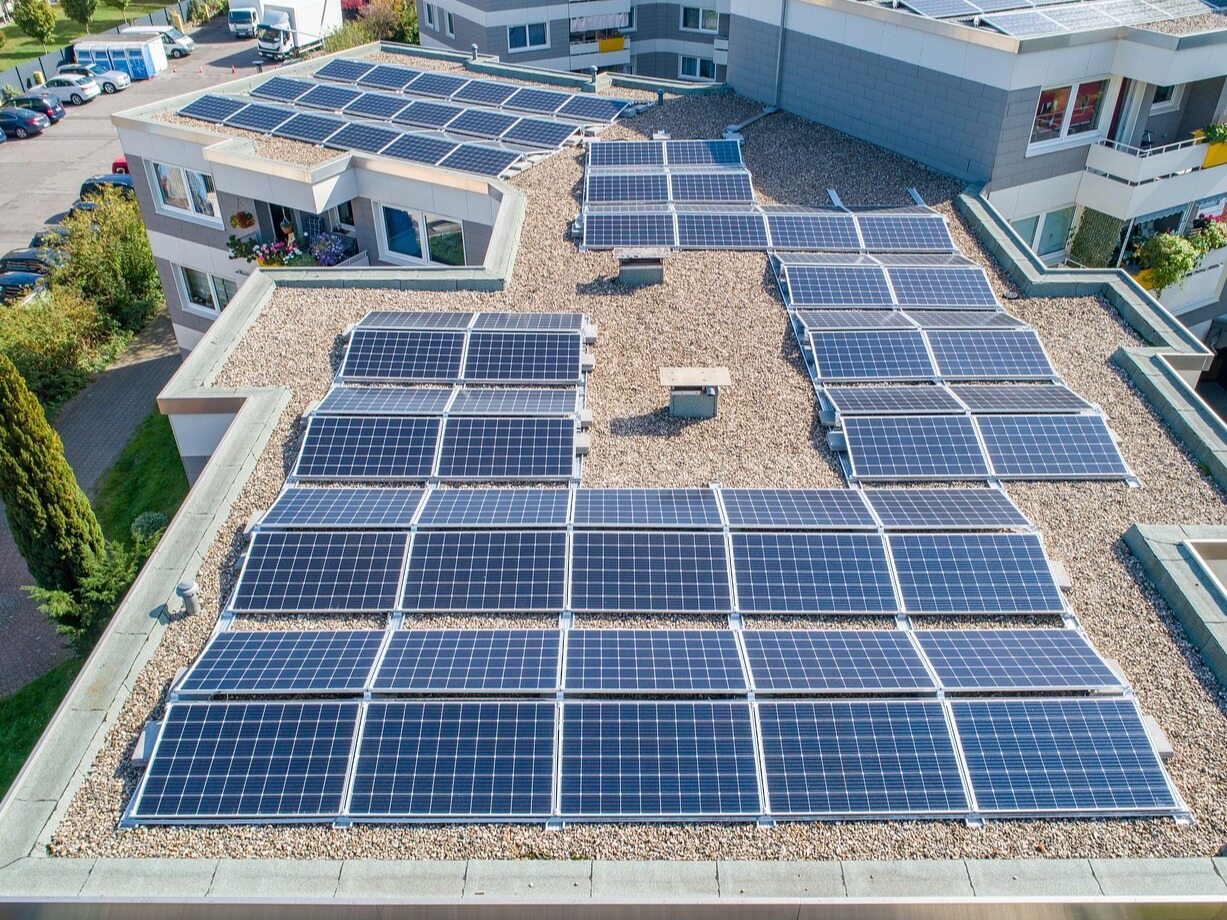
In western Finland in June, the midnight sun still lingers on the horizon and refuses to set, slanting across an abandoned peatland. A few years ago, peat was still being excavated here; Nowadays, the markers set by surveyors point to another future - patches of photovoltaic panels. This scene is quietly being replicated across Finland.
26.6GW reserve
Numbers have more impact than visuals. By the end of 2025, Finland's installed capacity of renewable energy is close to 18GW, including more than 9GW of wind power, 3.2GW of hydropower, and only 1.56GW of photovoltaic. In the pattern of wind power dominance, photovoltaic has long been a supporting role; While neighboring Nordic countries are rolling out components one after another, Finland seems to be slow.
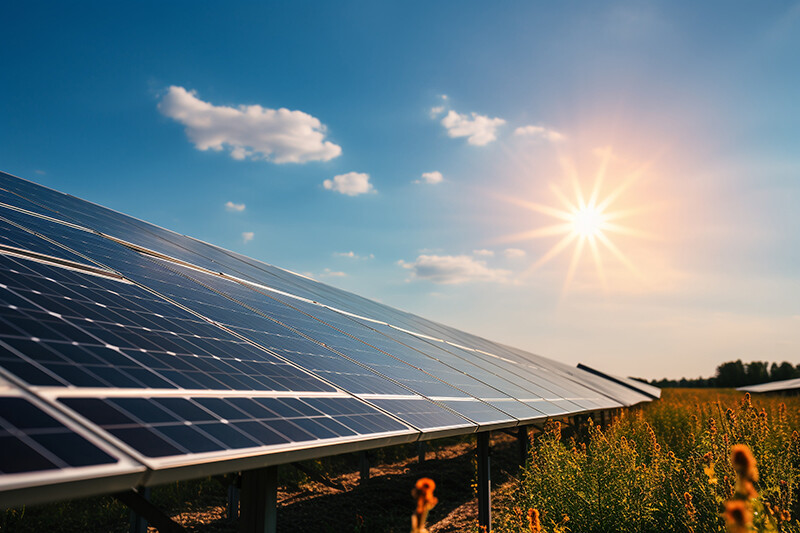
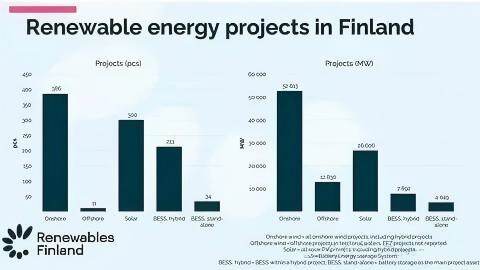
But a turning point is happening. According to the project database of Renewables Finland, as of June 2026, the reserve of large-scale photovoltaic projects in Finland has reached 26.6GW, covering 300 projects, with individual sizes ranging from 1.5MW to 770MW, averaging 87MW. This is already more than ten times the existing installed capacity.
More importantly, maturity. 77 projects totaling 4.67GW have obtained construction permits, and 7 projects totaling 320MW have entered construction; That is to say, about 5GW has truly reached the stage of obtaining the "birth permit", while the remaining 196 projects totaling 18.58GW are still in the licensing or research stage, and another 20 projects totaling 3.03GW are still in the early stages. The association mentioned that the licensed capacity has increased by over 1GW within six months - the pace is not slow. Of course, reserves do not equal completion, but a sufficiently thick project pool means that once conditions are met, installed capacity can jump in a short period of time.
A threshold of 50 hectares
Variables come from policies. With the revision of the Land Use Law submitted for parliamentary review, photovoltaic power plants covering an area of over 50 hectares may be required to undergo additional zoning planning.
Renewables Finland has criticized this, stating that this threshold will increase administrative workload, slow down progress, and particularly affect projects already planned to be built in remote wastelands and abandoned peat producing areas. Anni Mikkonen, CEO of the association, bluntly stated that increasing bureaucratic procedures will not accelerate renewable energy investment, and the proposed threshold runs counter to the direction of simplifying permits - the government hopes to promote the construction of photovoltaics on wasteland on the one hand, while also adding procedures, and conflicting requirements will only make investment planning more difficult. At present, the bill is still awaiting approval from the parliament.
For Finland, this is not a small matter. This country has promised to achieve carbon neutrality by 2035, but time is not abundant, and industrial electrification, data centers, and transportation electricity are still driving up demand.
No longer fighting alone
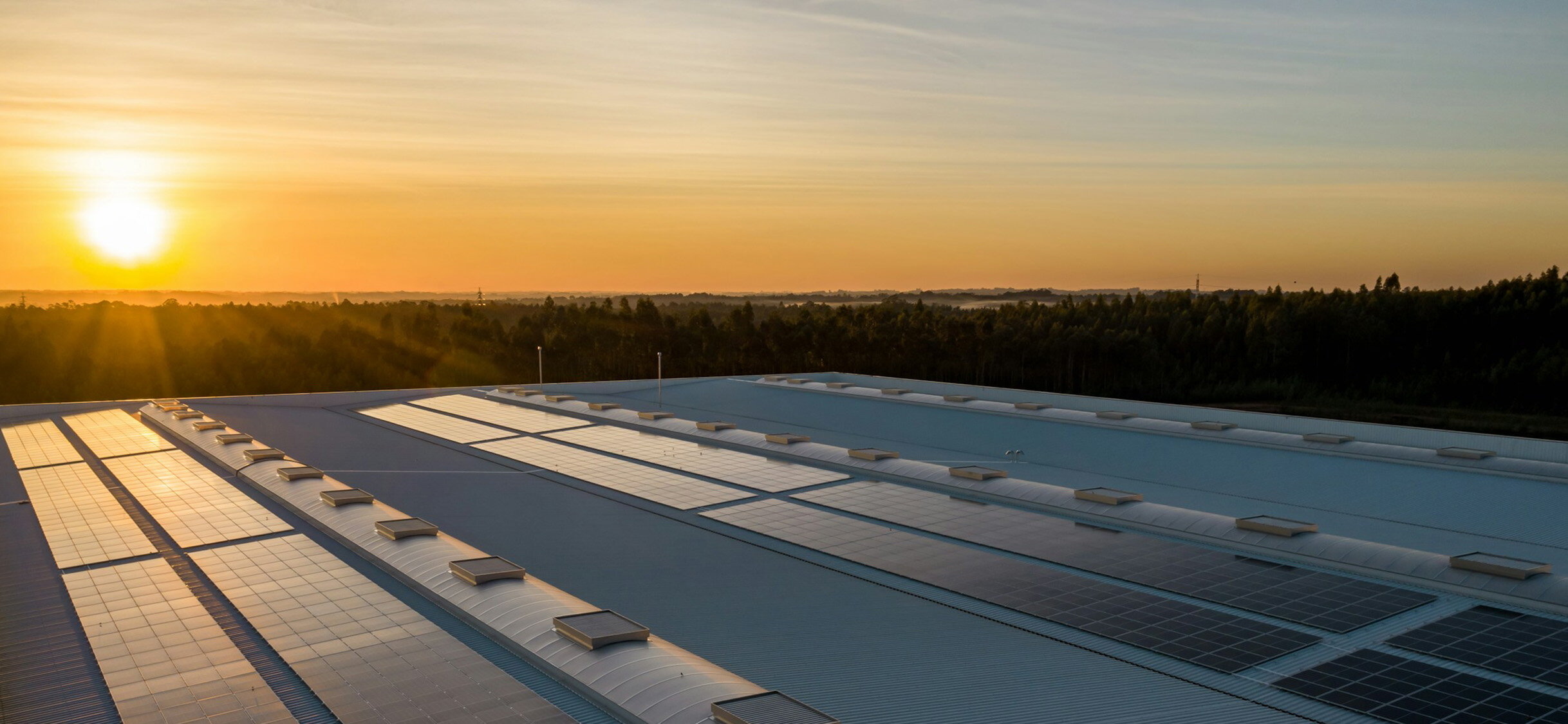
Another characteristic of Finnish photovoltaics is that they are increasingly appearing in a single form. In the database, photovoltaics are frequently partnering with battery energy storage and wind power: there are 67 wind power and energy storage projects, totaling 11.98GW; 111 photovoltaic and energy storage projects, totaling 15.05GW; 17 wind and solar projects, totaling 3.11GW; and 36 integrated wind solar energy storage projects, totaling 10.26GW. In high latitude areas, the summer sunshine is long and the winter output is weak, so wind power is complementary and energy storage is used to peak and fill valleys, which is exactly the right solution. Low temperature environments are also beneficial for component efficiency, while wasteland and abandoned peatlands provide low-cost land.
The developer landscape has also taken shape. Neoen Renewables Finland leads with a photovoltaic project capacity of 2.27GW, followed closely by Forus with 1.90GW, Ilmatar Energy with 1.39GW, OX2 and SAJM Holding with 1.24GW and 1.01GW, respectively.keywords:New energy information network
1.56GW is just the starting point, 26.6GW is imagination. The answer to this question is half written on the wasteland and half written in the parliamentary vote. Renewables Finland will update its database again in early 2027, and a new schedule will be submitted for this reserve list at that time.Editor/Yang Meiling
Comment

 Praise
 Collect
 Comment

 Share
Share


Write something~