 Search


- Hydrogen based energy quality and energy network concept, helping to solve the bottleneck of new energy
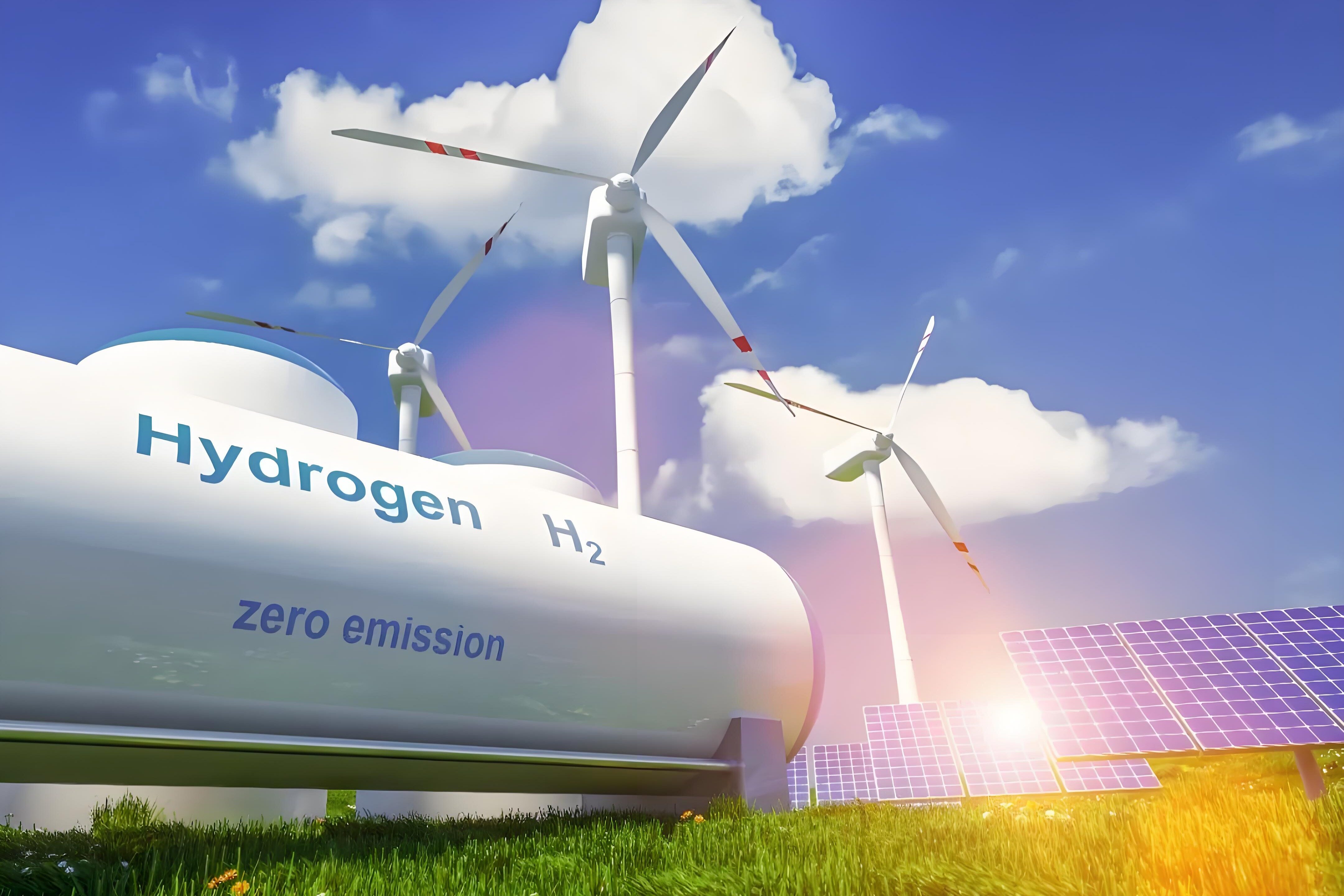
Recently, Zhang Wei, Chairman of the National Pipeline Network Group, positioned hydrogen based energy as a necessary path for the construction of a new energy system in a signed article. When China's total energy consumption reaches 6.17 billion tons of standard coal, accounting for 27.6% of the world's total, and the peak has not yet arrived, when wind and solar installed capacity continues to expand while consumption and supporting facilities lag, and when the idle production capacity in the west and the long-term electricity gap in the east coexist - the concept of hydrogen based energy and quality energy grid is trying to build a cross category collaborative bridge between the systems of electricity, oil, and gas that are fighting independently.
Rigid constraints of traditional energy systems
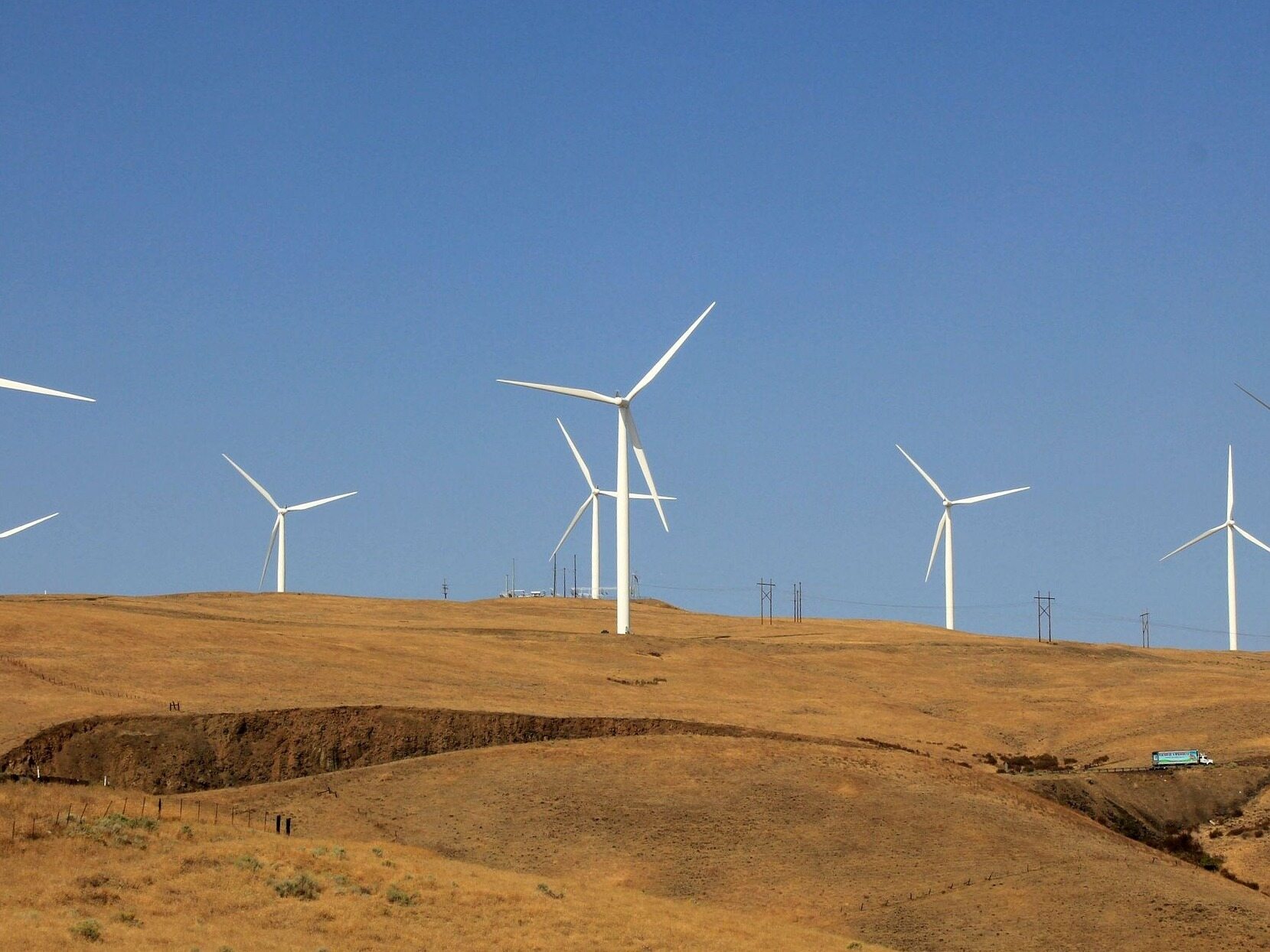
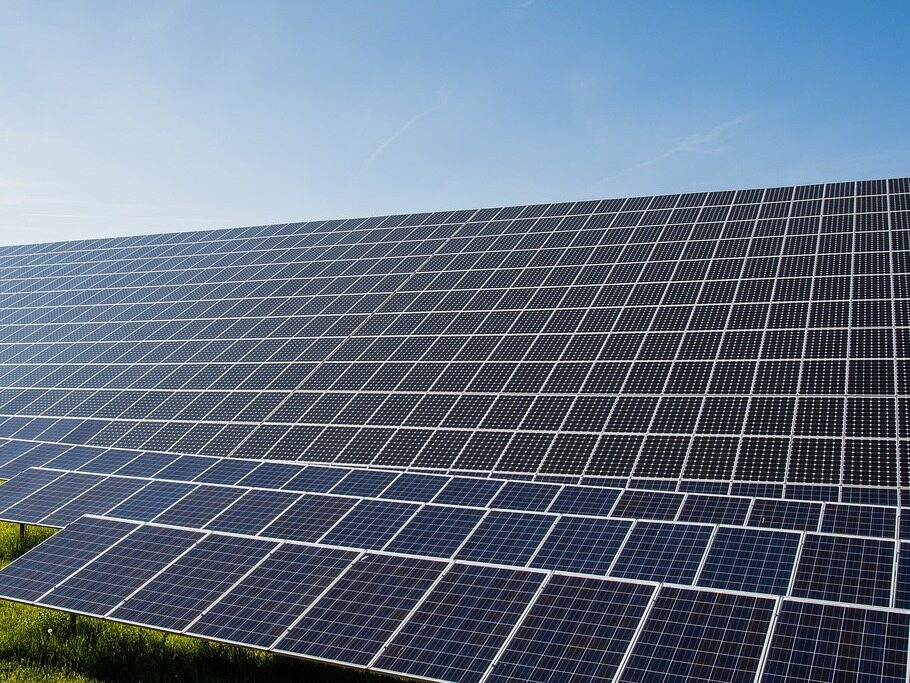
The large-scale integration of new energy into the grid has completely overturned the traditional operational logic. The intermittency and randomness of wind and solar power have shifted the energy system from load adapted power sources to passive modes of power adapted to wind and solar power, and the problem of wind and solar power curtailment continues to be prominent. The mismatch between energy supply and demand is deeply rooted, with core wind and solar resources concentrated to the west and north of the Hu Huanyong Line, and the central and eastern regions carrying more than 70% of the energy load. The bottleneck of cross regional channels has caused a long-term supply-demand imbalance between the east and west. The long-term independent planning and decentralized operation of the three major systems of electricity, oil, and gas have not yet formed mature cross category transformation and collaborative scheduling capabilities. A single power system cannot independently undertake a high proportion of new energy consumption - this is the core industry background proposed by the concept of quality energy grid.
The core value of Quality Energy Network
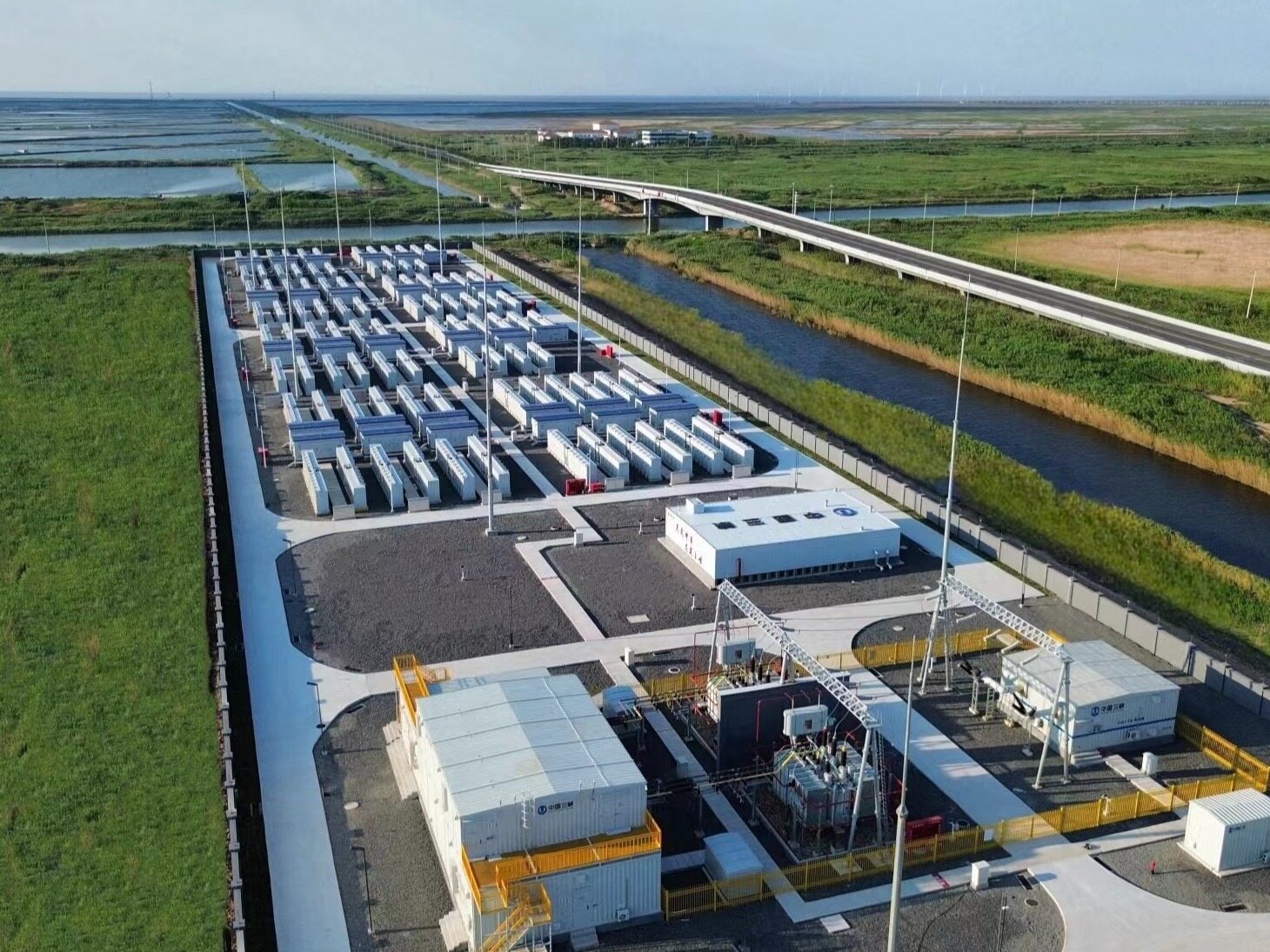
The core of the energy grid is to build a new infrastructure that synergizes and complements the flow of electronic energy and molecular matter, filling the gaps in pure power systems. By relying on surplus green electricity electrolysis for hydrogen production, the fluctuating and difficult to store electrical energy is converted into stable and transportable hydrogen energy, which is then synthesized into media such as methanol and liquid ammonia. Cross regional allocation is achieved through the national pipeline network. The industry predicts that the demand for green hydrogen, green alcohol, and green ammonia will reach 83 million, 95 million, and 82 million tons respectively by 2060, doubling compared to 2025. In June 2026, the 15th Five Year Plan for Energy will include hydrogen transmission pipelines as a national key project for the first time. The national pipeline network will rely on the 113000 kilometer oil and gas backbone pipeline network nationwide, and plan a three vertical and three horizontal hydrogen alcohol backbone pipeline network to build a pattern of west to east hydrogen transportation and north to south alcohol transportation. Keywords: New Energy News Network, Energy Transition, Hydrogen based Energy
Triple reality constraints for large-scale implementation
The industry is currently facing three constraints: engineering pace, core technology, and market-oriented economy. In the planning of over 5500 kilometers of pure hydrogen pipelines in China, only 350 kilometers were actually put into operation, resulting in a low industrialization conversion rate. At the technical level, the prevention and control of hydrogen embrittlement in pipes, the adaptation of hydrogen blending ratios in in-service pipelines, and the improvement of industry standard systems are the three major directions for tackling this issue. However, there is still a gap between the highest hydrogen blending ratio of 24% in China and large-scale standards. The biggest weakness lies in the closed loop of market-oriented economy - when the pipeline utilization rate drops to 20%, the cost advantage will completely disappear, the current production capacity of green ammonia and green alcohol is insufficient to plan 3%, the project yield is far lower than the traditional new energy standard, weak demand lowers utilization rate, high freight rates suppress consumption, and form a negative cycle in the industry. Whether hydrogen based energy can break through the bottlenecks of the new energy system depends on whether technological iteration, policy support, and market cultivation can achieve coordinated breakthroughs.Editor/Gao Xue
Comment

 Praise
 Collect
 Comment

 Share
Share


Write something~