 Search


- UAE accelerates alternative channel layout, enhances regional supply chain risk resistance capability
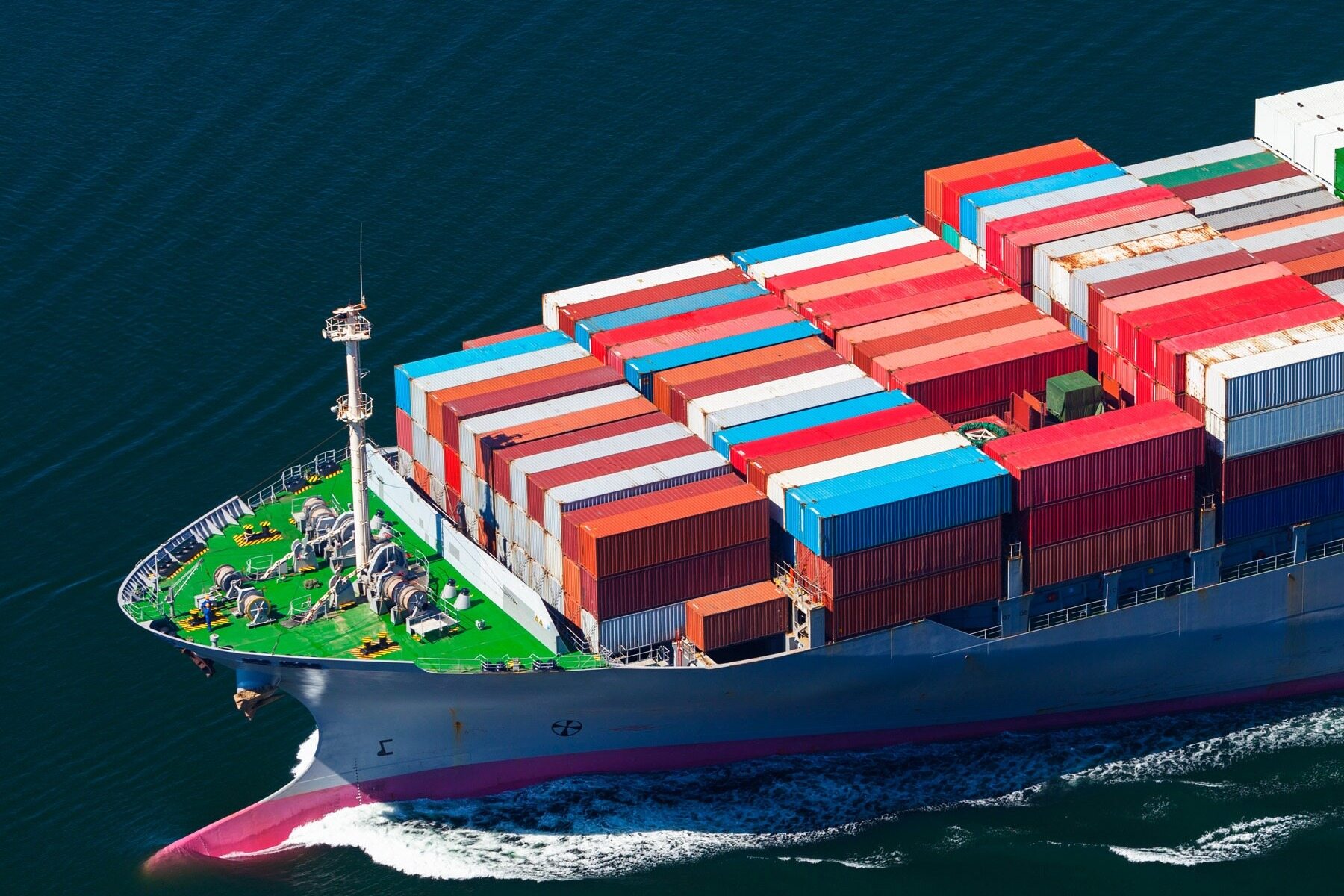
Recently, the United Arab Emirates is accelerating the construction of alternative energy exports and trade channels. From enhancing the carrying capacity of East Coast ports to improving pipeline facilities and trade corridors, this global trade hub, long known for efficiency, is recalibrating its development coordinates - shifting from pursuing efficiency to balancing efficiency and safety to cope with external environmental uncertainties.
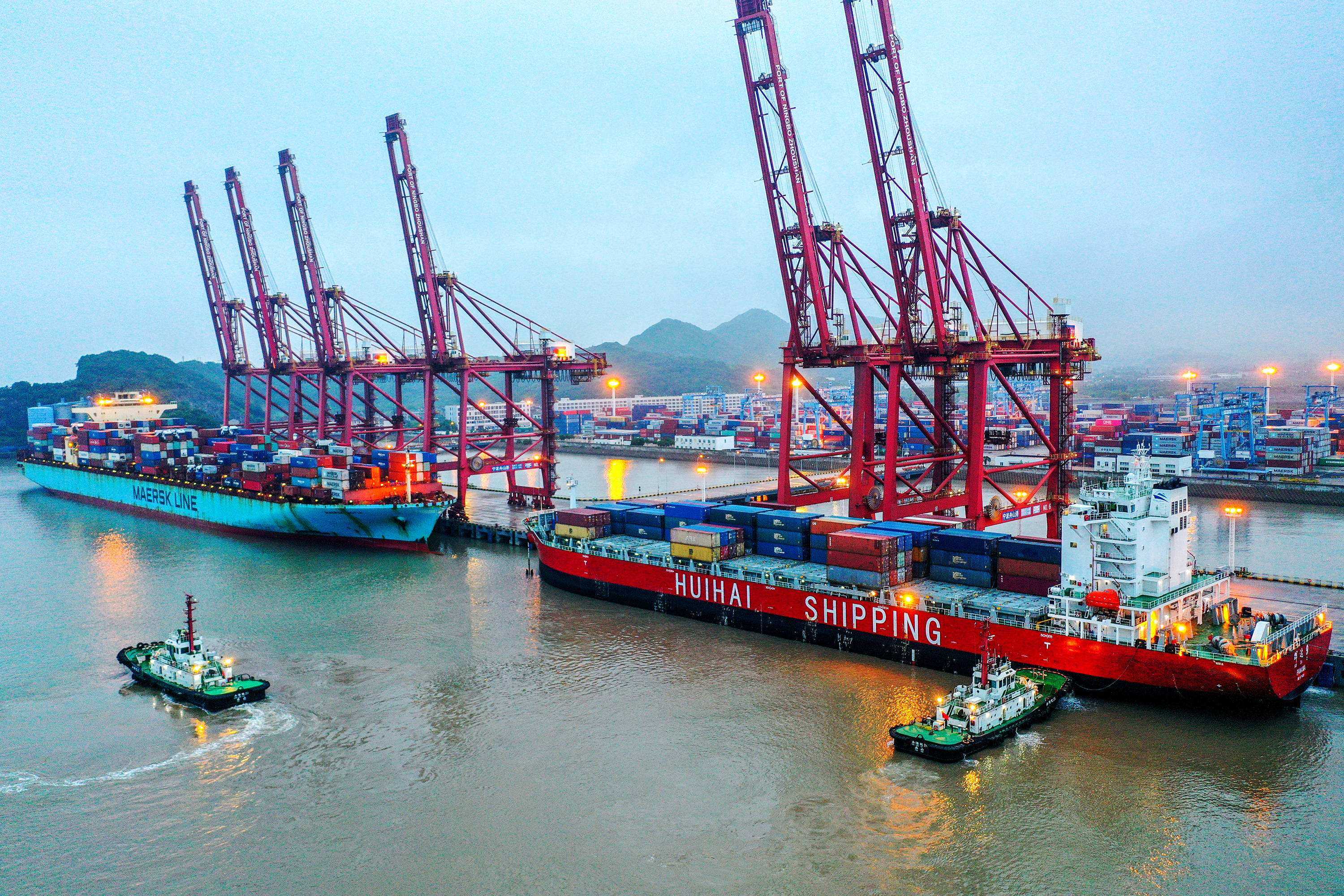
From prioritizing efficiency to placing equal emphasis on safety
As an important hub connecting Asia, Africa, and Europe, the United Arab Emirates has long built a comprehensive international trade network relying on ports, airports, free zones, and financial service systems. However, in the current context of multiple uncertain factors in global logistics transportation, energy supply, and regional trade environment, enhancing supply chain resilience has become a core issue in ensuring stable economic operation. The accelerated construction of alternative channels marks a shift in the UAE's development strategy from improving efficiency to balancing efficiency and safety. Port carrying capacity, logistics backup solutions, and energy multi-path transportation are becoming new priorities.
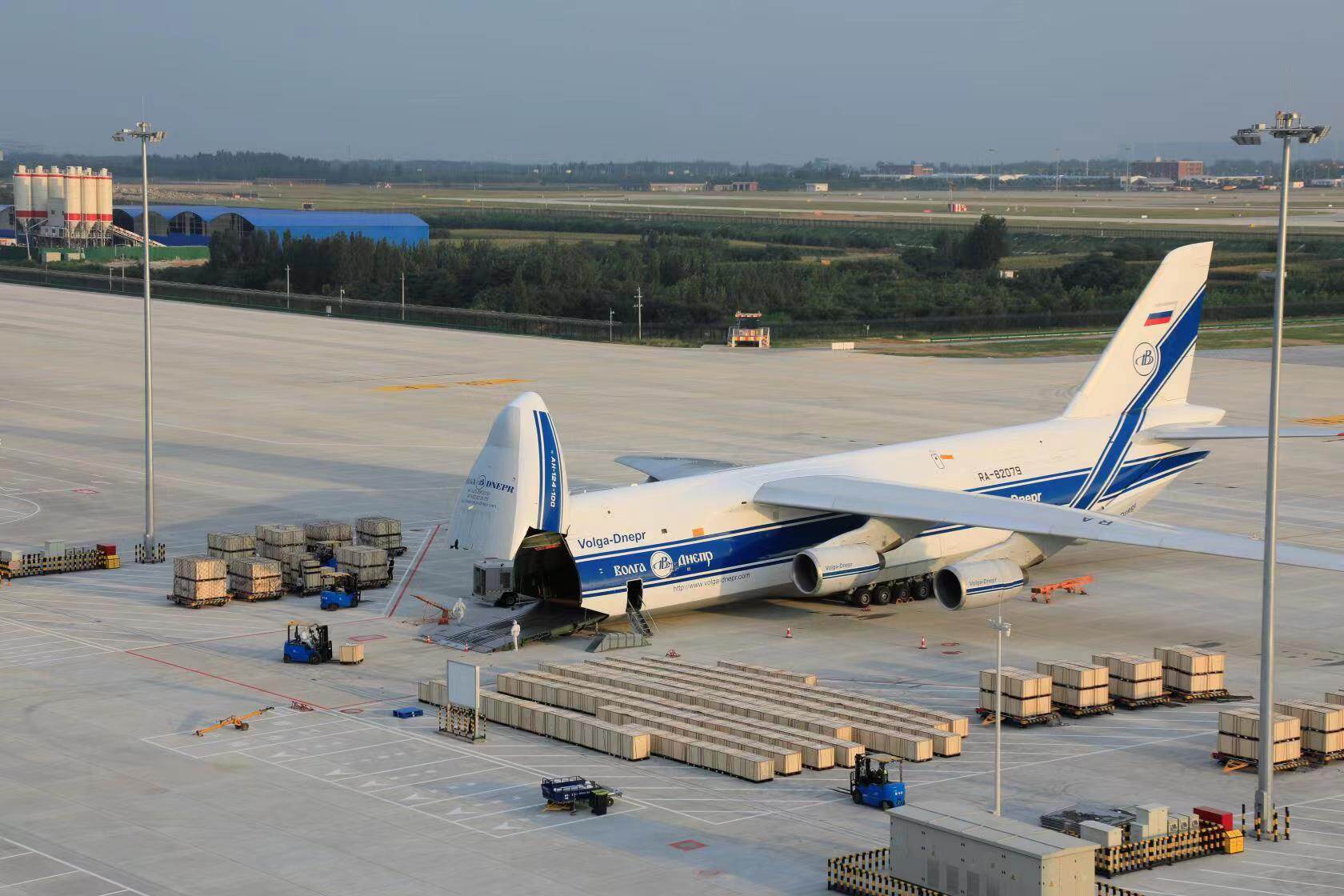
Channel construction reshapes regional logistics pattern
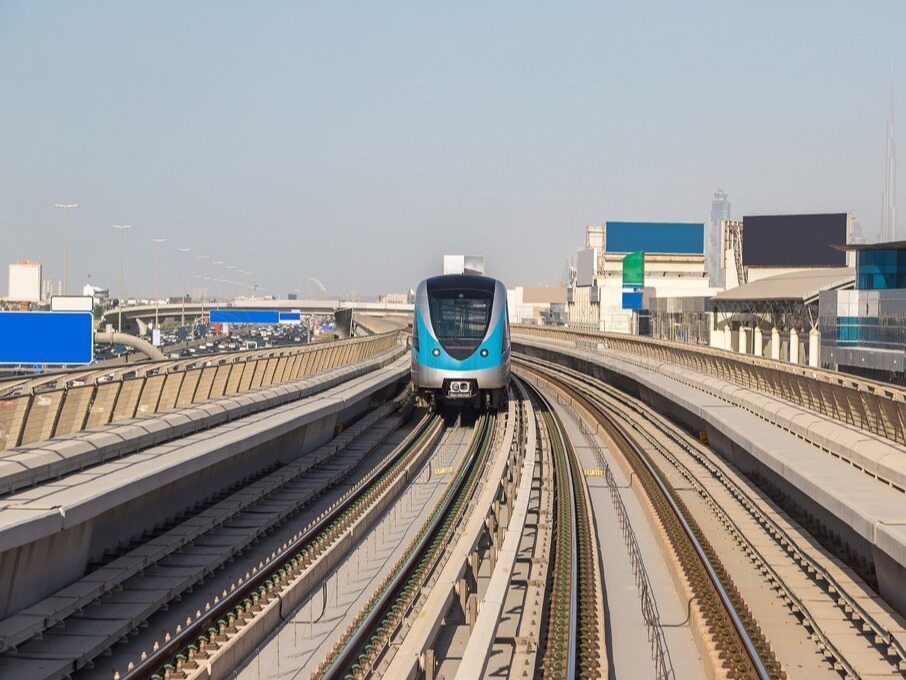
The importance of channels in modern trade systems lies not only in speed and cost, but also in their ability to operate continuously. The construction of alternative trade and energy channels in the United Arab Emirates will help improve the risk resilience of regional logistics networks. The expansion of ports on the east coast will share the pressure of traditional hubs on the west coast, improve pipeline facilities to provide alternative energy export routes, and expand land transportation options through the construction of trade corridors. The construction of a multi-path network will further consolidate the position of the UAE as an international shipping, transit trade, and regional supply chain center, providing more stable and reliable node guarantees for global trade. Keywords: Middle East News Network, Trade, Ports, Airports
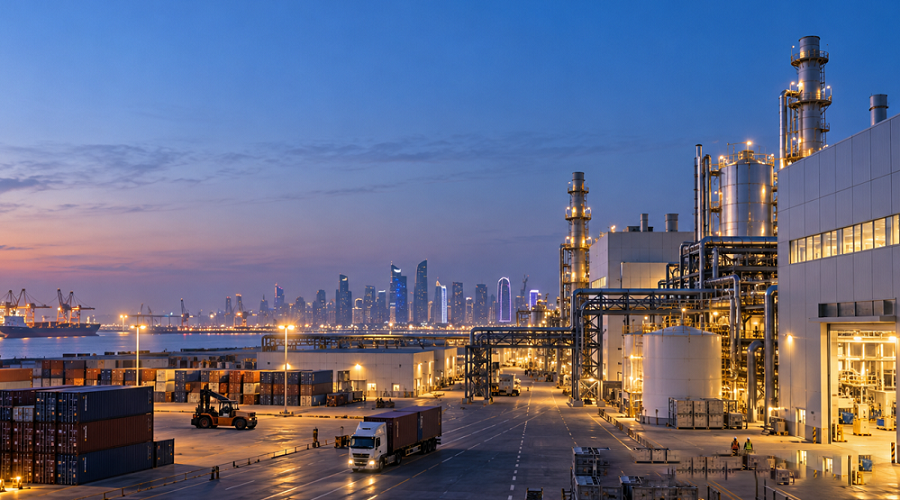
Dual Inspiration for Chinese Enterprises
The United Arab Emirates remains an important gateway to enter the Gulf, African, and Middle Eastern markets. With the continuous improvement of ports, land transportation, and warehousing systems on the East Coast, Chinese enterprises can optimize their regional warehousing, logistics, and customer service layout based on their own product characteristics. On the other hand, overseas enterprises need to pay more attention to supply chain risk management, establish alternative mechanisms with multiple ports, logistics providers, and storage nodes, and prepare contingency plans in contract performance, inventory management, and freight insurance. The practice of the United Arab Emirates shows that in the context of increasingly close global market connections, a safe, stable, and sustainable supply chain system is becoming an important component of international competitiveness.Editor/Gao Xue
Comment




 Praise
 Collect
 Comment

 Share
Share


Write something~