 Search


- Jiangsu Changshu's computing power load has become the core driving force for electricity consumption growth this summer
On the screen of the dispatch hall of Changshu Power Grid in Jiangsu, the electricity load curve for this summer is breaking out of the long-standing "temperature following" pattern. In previous years, the peak electricity consumption in July and August was almost entirely supported by air conditioning loads. In the summer of 2026, the computing industry took over the baton of electricity growth. The highest electricity load of Changshu's computing industry reached 200000 kilowatts, accounting for 4.1% of the city's electricity load, directly rewriting the electricity supply and demand structure of this Jiangnan city. In July 2026, the power consumption of the whole society will exceed 1 trillion kilowatt hours, and the power consumption of Internet data services will increase by 40% year on year. Computing power is becoming the core load of the national power system from the supporting role of the past power consumption increment.
Computing power replaces air conditioning as the main driver of electricity growth
The computing power industry in Changshu contributed nearly half of the city's electricity load increase this summer, accounting for about 49%. The maximum electricity load of the local large-scale intelligent computing center in August increased by more than 70% compared to the same period last year, while the air conditioning load decreased by 4.3 percentage points compared to the peak last year. In the past, the core pressure of power grid dispatching was concentrated on the peak electricity consumption of air conditioning in the summer afternoon. Nowadays, the computing power load continues to operate smoothly 24 hours a day, completely changing the load curve shape of regional power grids and bringing new challenges to the dispatching and operation of the power system.
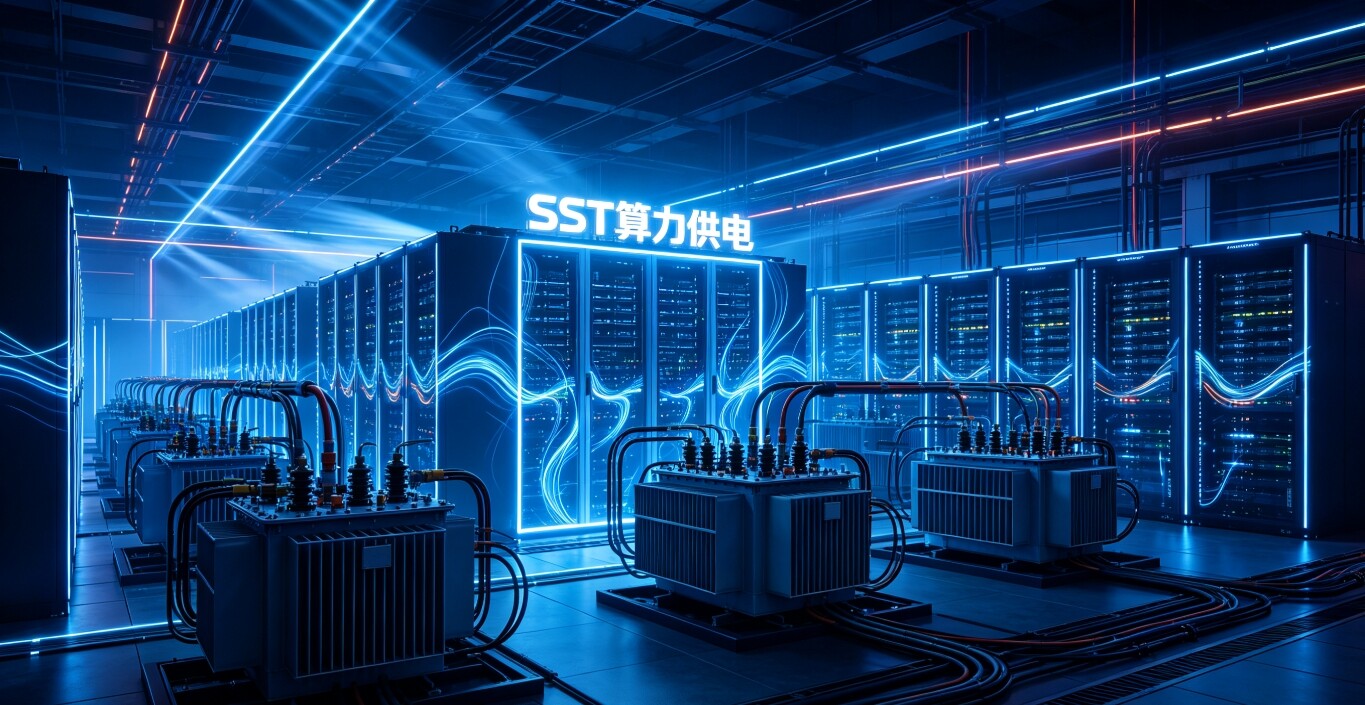
Intelligent computing and supercomputing account for over 80% of computing power and electricity consumption
In July 2026, the electricity consumption of 106 computing power center enterprises included in monitoring in Jiangsu Province exceeded 1.3 billion kilowatt hours, a year-on-year increase of 31%. Among them, the electricity consumption of supercomputing and intelligent computing centers has exceeded 80%, with a year-on-year growth rate of 33%. The explosive growth of computing power consumption is driving the focus of power supply in major consumer provinces such as Jiangsu and Guangdong, shifting from seasonal peak air conditioning supply in the past to long-term resource adaptation for computing power loads that operate stably throughout the year.
From the server indicator lights that stay on all night at the Changshu Intelligent Computing Center to the continuously rising computing load curve in the power grid dispatch hall, the rapid expansion of the AI industry is leaving a new operational imprint on China's power system. The collaborative adaptation of computing power and the power grid will become the core mainline for the integrated development of the digital economy and energy system in the future.Editor/Cheng Liting
Comment




 Praise
 Collect
 Comment

 Share
Share


Write something~