 Search


- Southeast Europe's digital infrastructure welcomes new large-scale computing power support projects
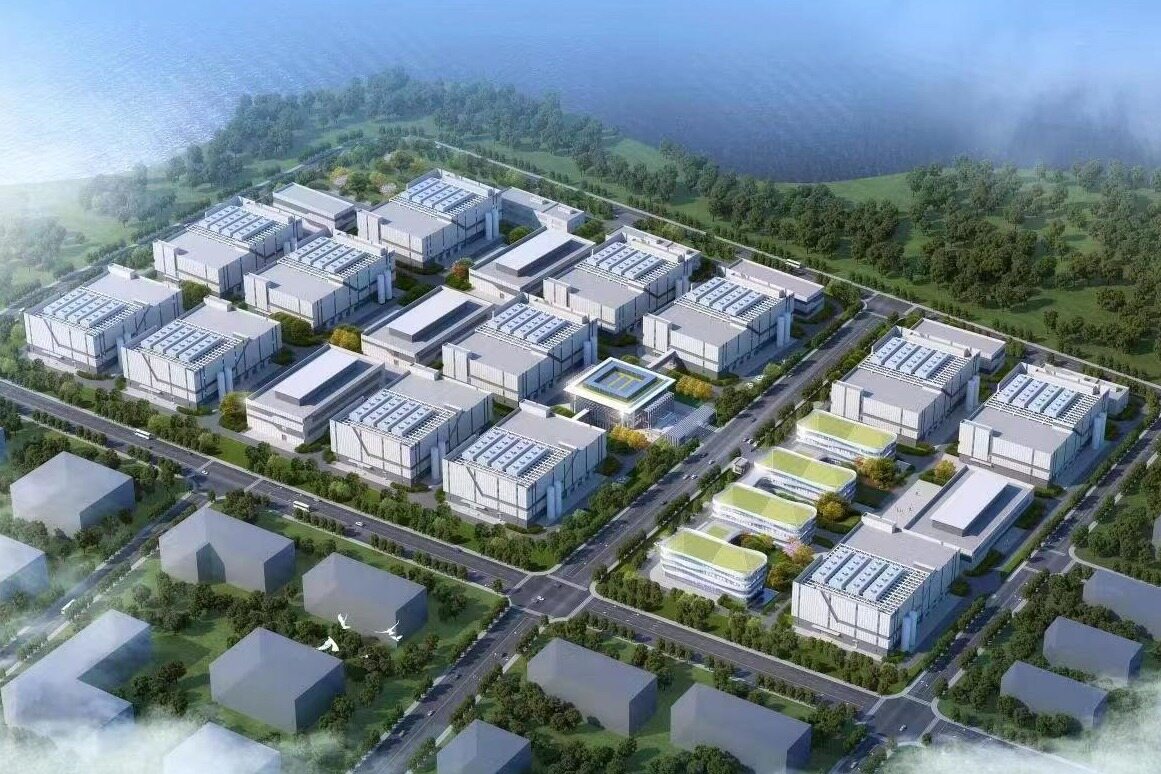
The demand for digital industries in Central and Eastern Europe continues to rise, and a large number of cloud service providers and multinational enterprises urgently need stable and reliable local computing power carriers. Bucharest, the capital of Romania, relies on a fiber optic network that connects Western Europe and the Balkans, becoming the core location for regional computing power layout. Leading Austrian real estate development companies are targeting the market gap and implementing new large-scale data center projects to fill the gap in the supply of high-end independent computing power facilities in the local area.
Project location and construction foundation
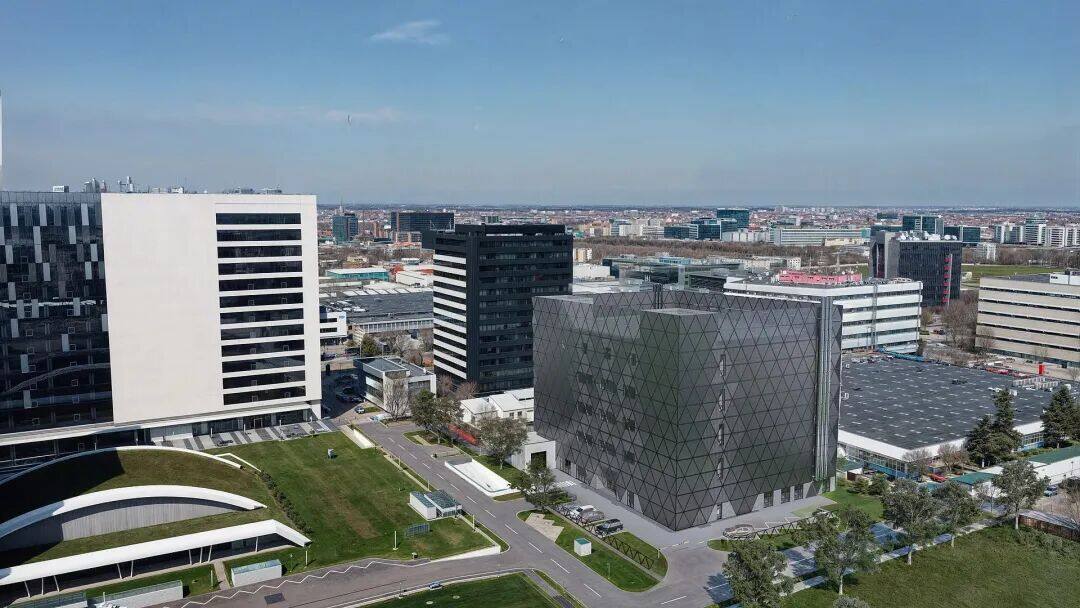
Austria's S+BGruppe AG has selected a plot of land around the Pipera subway station in Bucharest to build a NIMB data center. The project has completed construction permit approval and simultaneously finalized a stable power supply plan. The venue is adjacent to the existing local hosting center of the enterprise, and supporting resources can be shared and reused. The planned net area of the entire data center is 3400 square meters, with a total installed capacity of 12 megawatts and an effective IT load of 6.7 megawatts. The building and data center are all constructed in accordance with Tier III industry standards, which can ensure long-term uninterrupted and stable operation, greatly reducing the risk of enterprise computing power operation failures.

Milestones in the development of regional computing power market
This project is a new cutting-edge independent data center in Bucharest. The local early computing power facility NX Data BUH1 was built and put into use in 2002. The facility's functions are mainly network hosting, which is clearly distinguished from the NIMB independent computing power service positioning. After the completion of the project, it can provide high-speed cross-border international network channels, with an operation period locked from September 2027 to March 2028. The target customer base covers large cloud vendors, ultra large scale communication operators, financial institutions, and various technology enterprises. It can customize exclusive computing infrastructure according to different customer needs and strengthen Bucharest's competitiveness as a regional digital hub.
The regional head of the enterprise in Romania stated that relying on the group's years of experience in large-scale infrastructure implementation in Central and Eastern Europe, the project will effectively meet the rapidly expanding computing power needs of local enterprises and promote the upgrading and iteration of urban digital infrastructure.
The growth prospects of Romania's computing industry
According to industry research firm Mordor Intelligence, the total production capacity of data centers in Romania is expected to experience rapid expansion, with an overall scale of 93.34 megawatts in 2026 and an increase to 231.64 megawatts by 2031, doubling the overall production capacity. Keywords: data center, Bucharest, computing infrastructure
The dense and complete fiber optic lines in the local area have built a digital transmission channel connecting Western Europe and the Balkans. The popularization of hybrid cloud has driven the increase in computing power demand for small and medium-sized enterprises. In addition to the capital, the potential of the computing power market in second tier cities in China continues to be released. The landing of NIMB data centers will fully seize the growth dividends of this industry and help promote the long-term development of the regional digital economy.Editor/Huang jiali
Comment




 Praise
 Collect
 Comment

 Share
Share


Write something~