 Search


- China's wind solar thermal storage ultra-high voltage power plant spanning five provinces enters Shandong province
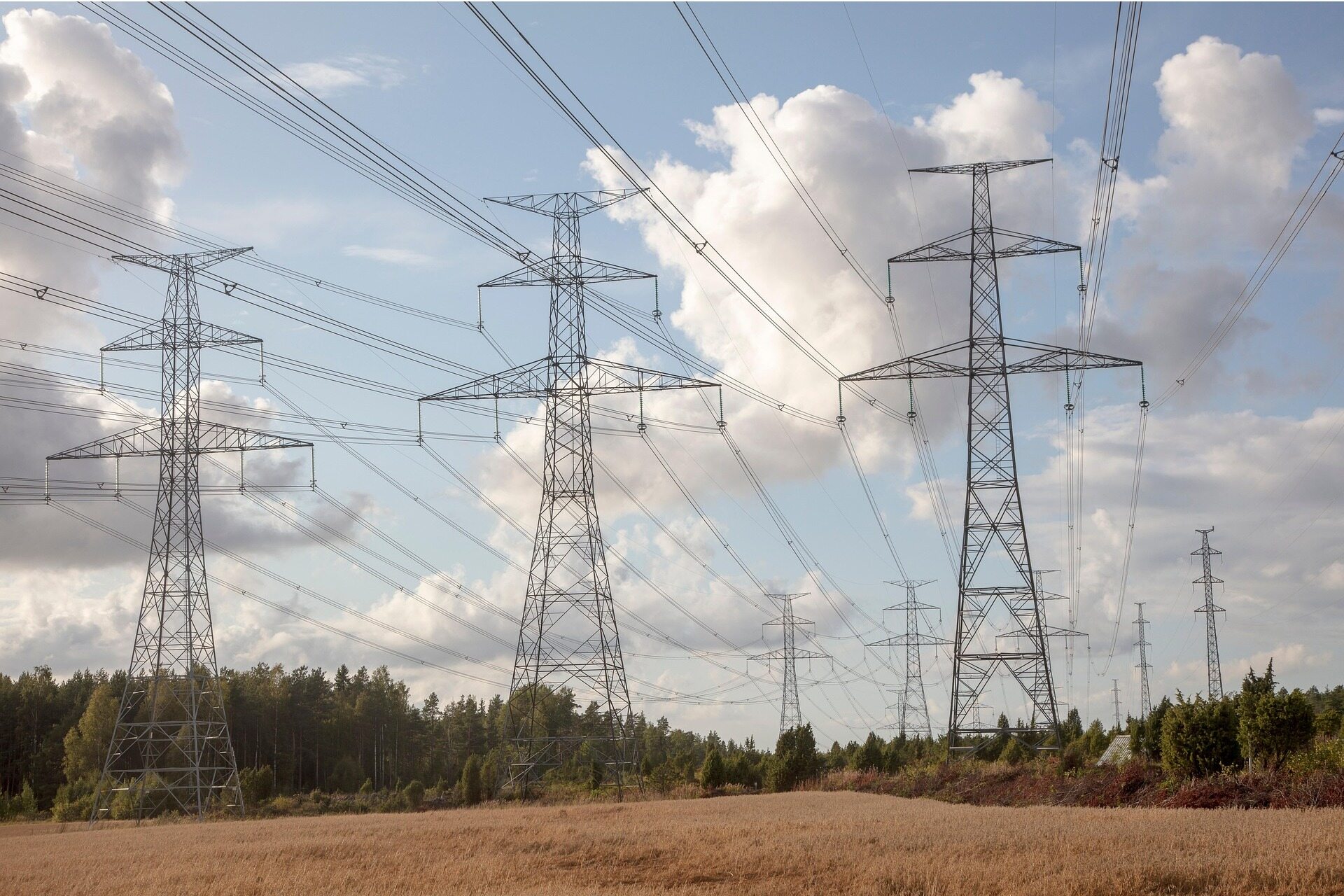
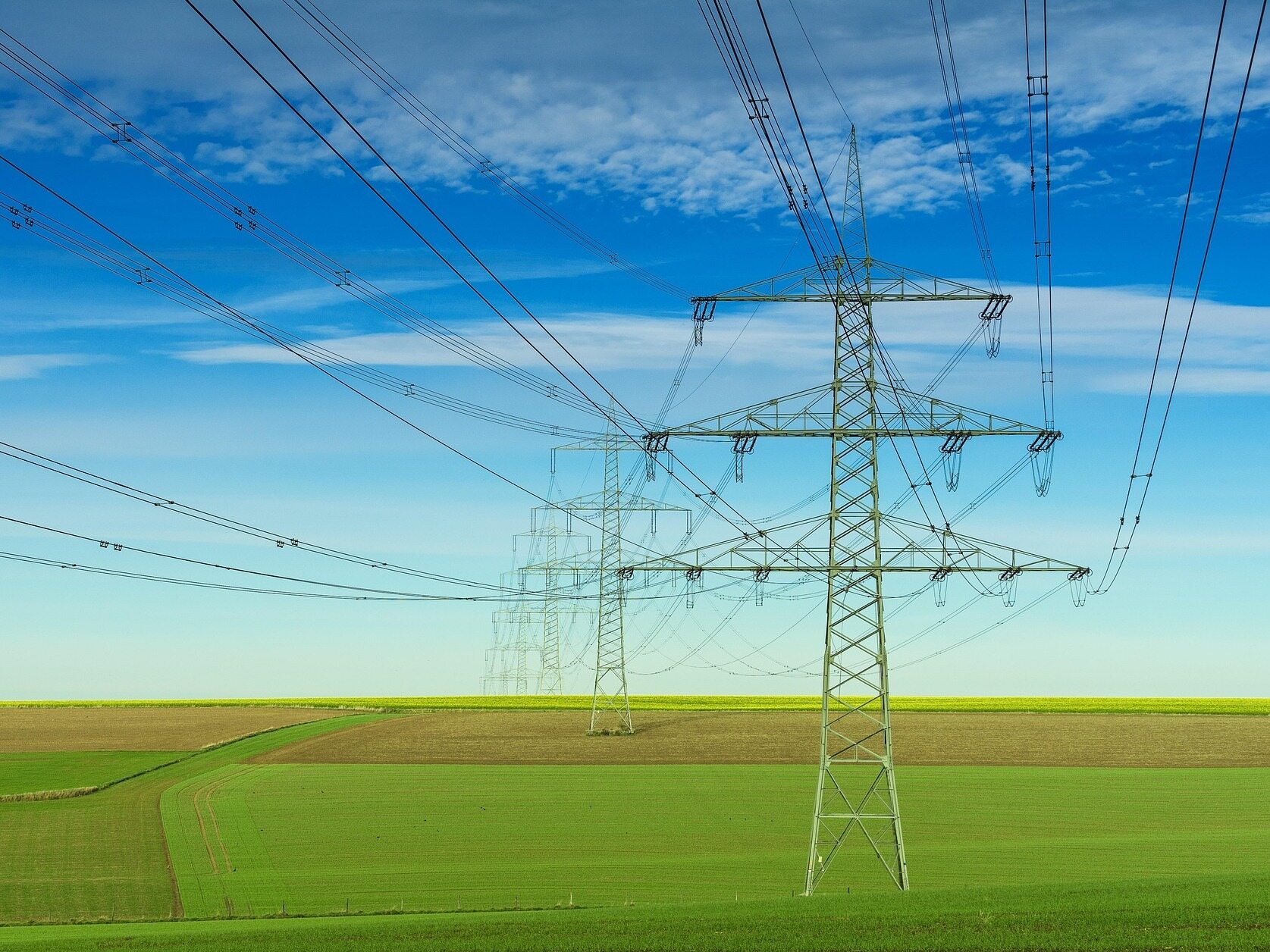
The wind on the Loess Plateau passes through the iron tower of Qingyang Converter Station, follows the 915 kilometer ultra-high voltage line all the way east, and lands as stable green electricity in Shandong on the coast of the Yellow Sea.
As of September 2, 2026, the annual external transmission capacity of the Long Power to Shandong Project has officially exceeded 30 billion kilowatt hours, reaching 30.01 billion kilowatt hours, and the cumulative total external transmission has risen to 47.68 billion kilowatt hours. This energy artery of West East power transmission has completed more than half of the external transmission progress of 2025 four months ahead of schedule in 2026.
Ensuring cross regional supply to support peak summer electricity consumption
During the peak summer season of 2026, the highest electricity load in Shandong exceeded 130 million kilowatts, and extreme high temperatures occurred in many areas for several consecutive days, causing a sudden increase in power supply pressure on the power grid. The Long Power to Shandong Project has maintained full power operation for 73 consecutive days, with the highest daily power transmission exceeding 190 million kilowatt hours, equivalent to the daily electricity supply of nearly one million households from Gansu to Shandong, directly filling the summer electricity gap in Shandong and avoiding power supply shortages during local periods.
Integrated release of wind, solar, thermal and storage systems for synergistic efficiency
As the first integrated wind solar thermal storage ultra-high voltage transmission project in China, Longdian's designed annual transmission capacity to Shandong exceeds 36 billion kilowatt hours, with new energy accounting for over 40%. The project integrates the massive wind and solar resources of the Hexi Corridor with the thermal power and energy storage regulation resources of Longdong, and smooths out output fluctuations through multi energy complementarity, transforming the intermittent green electricity into stable and reliable cross regional power transmission capacity.
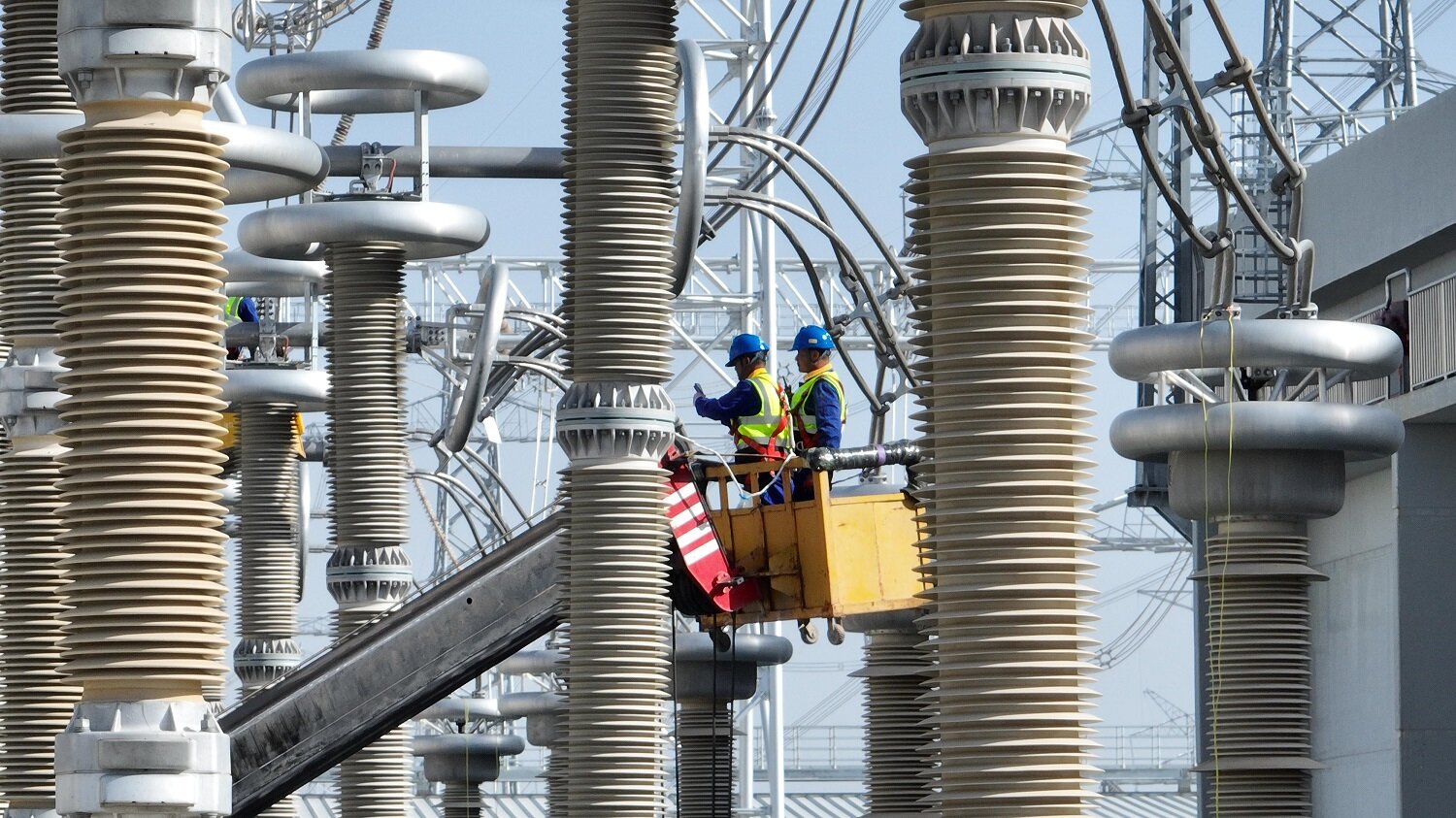
The power grids of Gansu and Shandong have established a two-way fault information exchange mechanism, normalized sharing of operation and maintenance experience, and continuous optimization of cross regional collaborative supply guarantee mode.
In Qingyang Converter Station, the digital twin system maps the real-time operating status of each device, and the intelligent monitoring terminal captures subtle abnormalities 24 hours a day, resulting in a 60% increase in fault warning response speed. Keywords: ultra-high voltage, high-voltage transmission project, Longdian entering Shandong
From Gobi wind turbines and photovoltaic panels on the Loess Plateau to urban lights and factory production lines on the land of Qilu, this nearly thousand kilometer long ultra-high voltage transmission line is turning the western wind and solar resources into a continuous source of electricity to support the green transformation of the eastern region.Editor/Cheng Liting
Comment



 Praise
 Collect
 Comment

 Share
Share


Write something~