 Search


- Green infrastructure empowers energy transformation, scene integration expands the comprehensive value of new energy
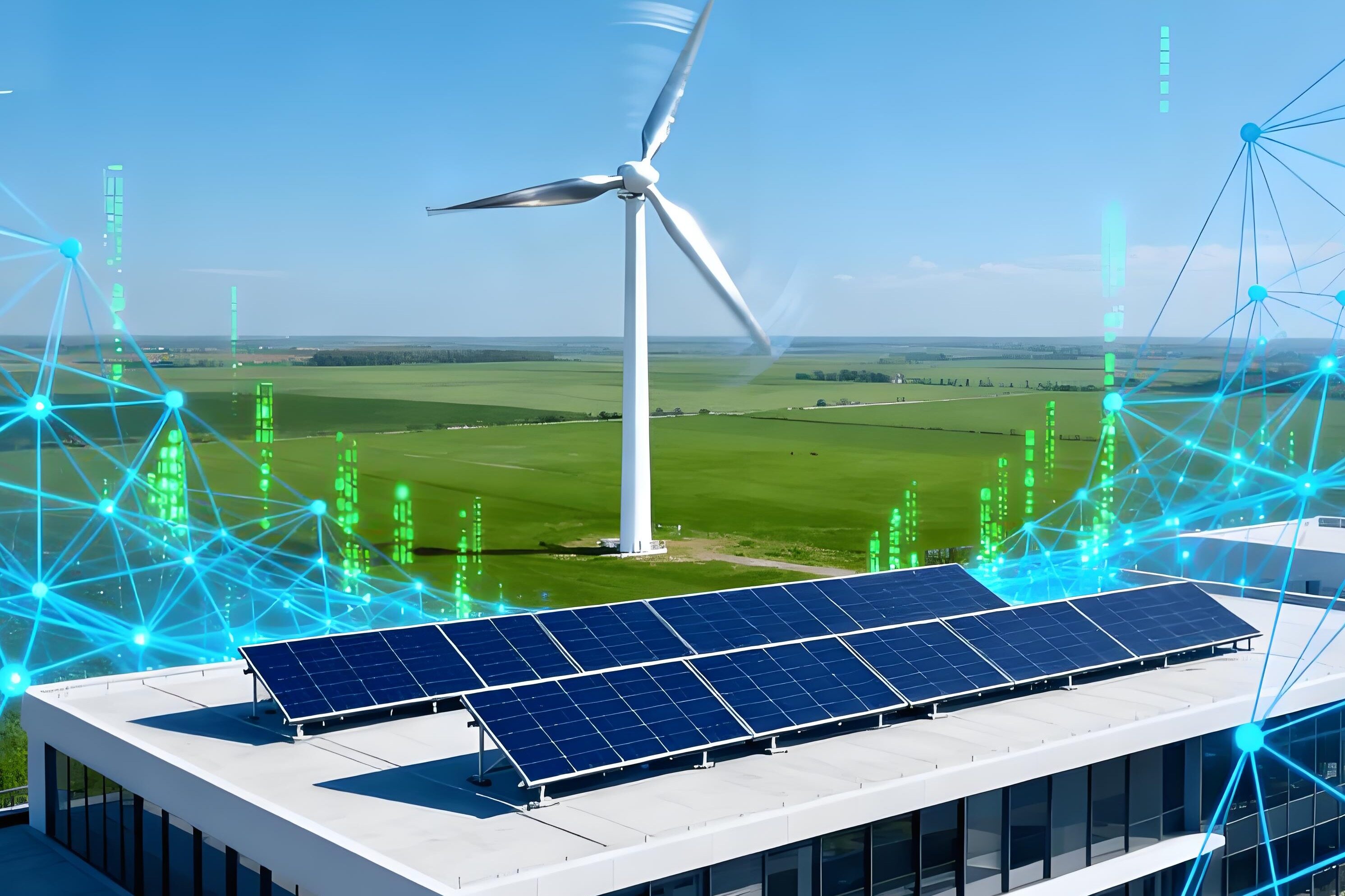
In September 2026, with the continuous promotion of the dual carbon target and the acceleration of the construction of new power systems, a batch of new energy engineering projects undertaken by China Construction Third Engineering Bureau began construction one after another. The project covers multiple provinces and regions including Hubei, Hebei, Jiangxi, Shandong, Sichuan, Yunnan, Gansu, and Xinjiang, covering the two core categories of wind power and photovoltaics, extending to diverse integration scenarios such as rural revitalization, ecological restoration, and cross regional supply guarantee. From county-level villages to large-scale bases, from abandoned mines to ultra-high voltage tunnels, green infrastructure is providing solid support for the green adjustment of regional energy structure through multi-point layout.
Global multi-point adaptation to differentiated needs
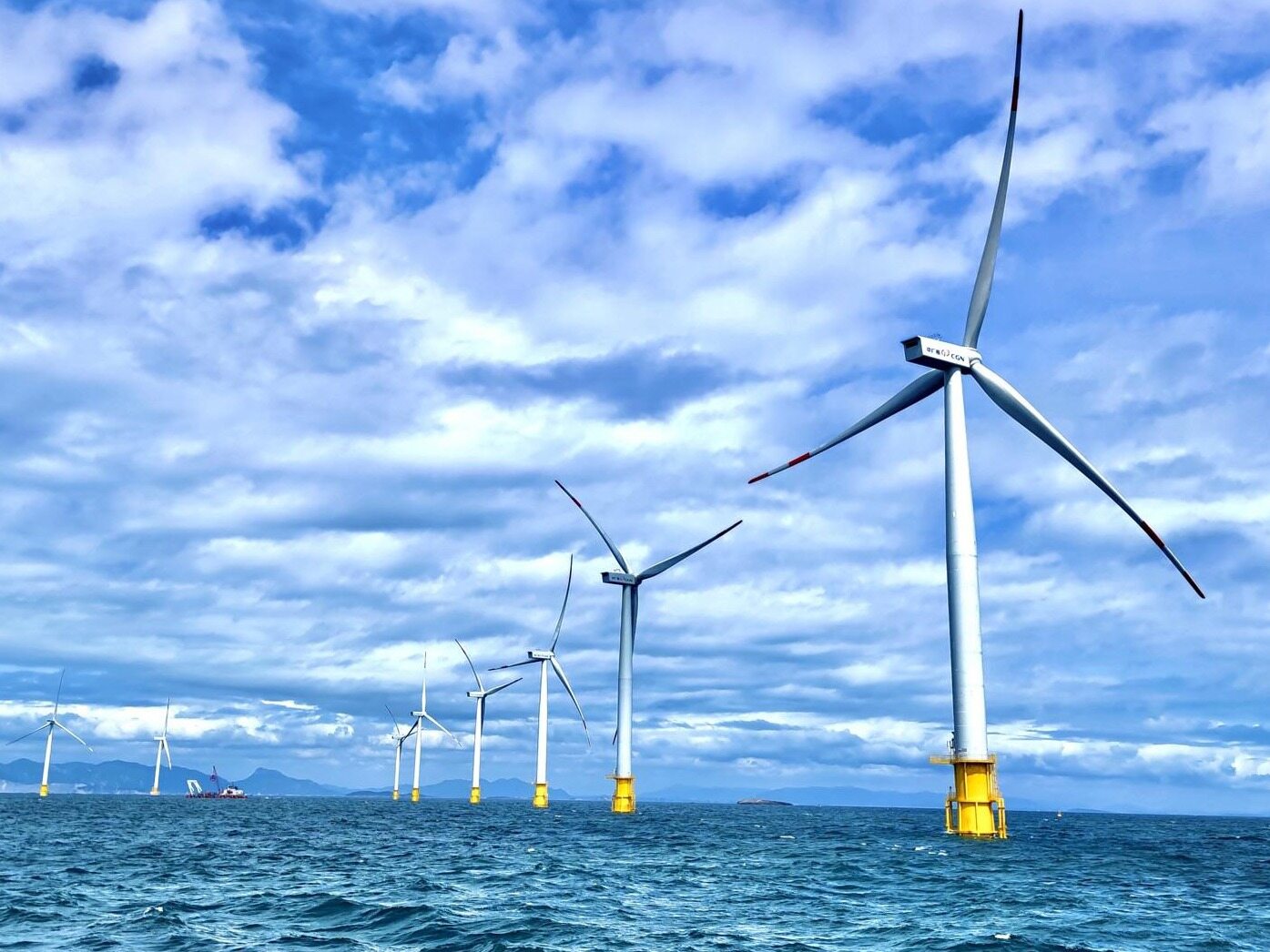
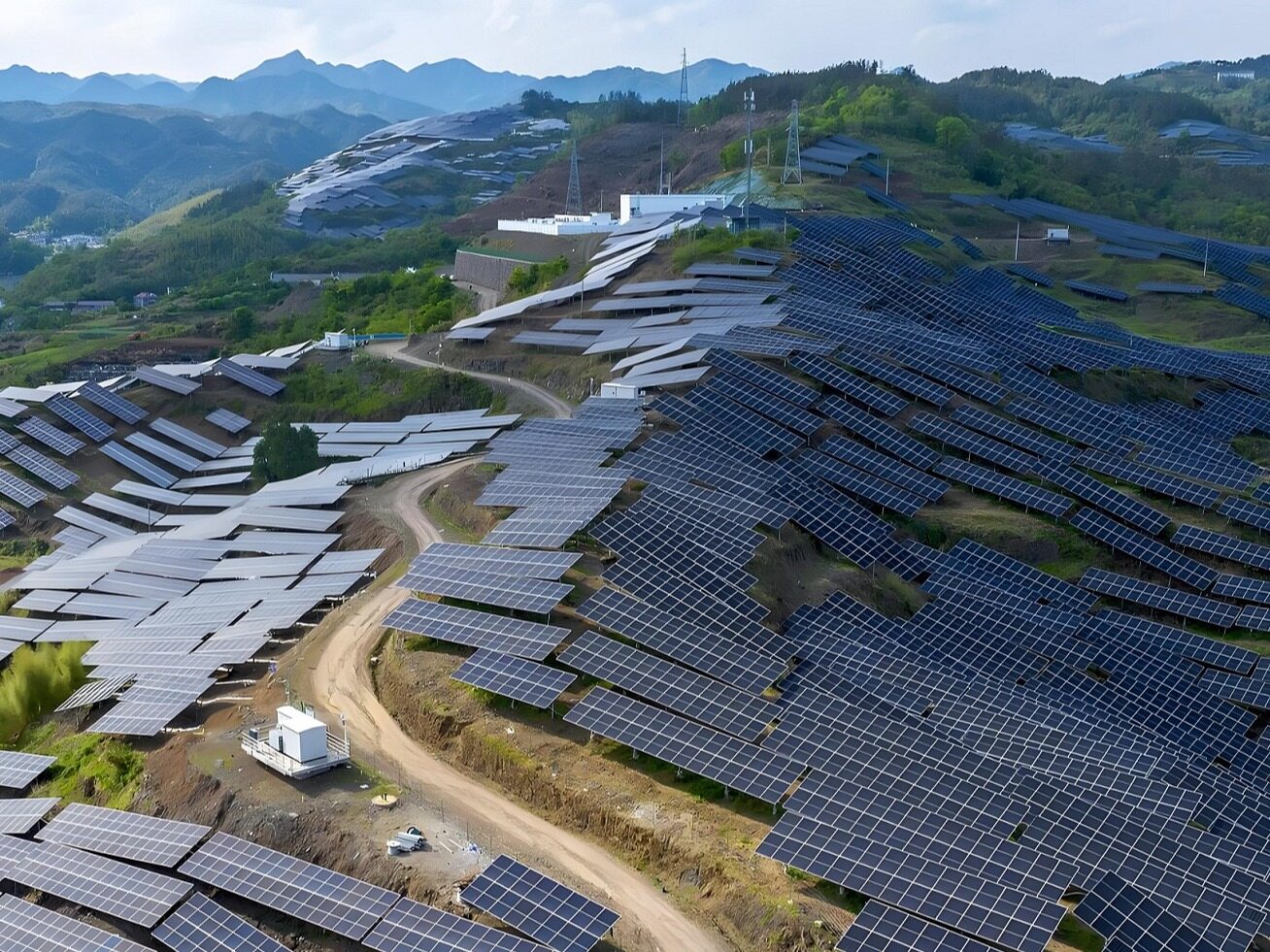
These projects are distributed in different regions such as Central China, North China, East China, Southwest China, and Northwest China, matching the different resource endowments and energy development positioning of each region. The wind power field presents a layered feature: there are already rural wind power projects serving the upgrading of county-level energy, such as the 70 MW rural wind power project in Jingzhou, Hubei, and the wind control action project in thousands of villages and towns in Shandong, focusing on improving the county-level energy grid; There are also large-scale wind power bases with a capacity of 100 megawatts, such as the 1.8 million kilowatt wind power project in Duqingshan, Gansu and the 206.25 megawatt wind power project in Huimin County, Shandong, which release clean electricity on a large scale. Some projects are synchronously equipped with energy storage facilities, such as the construction of a 60 megawatt hour energy storage power station for the Xiangyang Laohekou wind power project. The photovoltaic field is equally diverse, including the 400 MW centralized photovoltaic power station in Garze, Sichuan, the Pudi photovoltaic project in Yunnan, and the photovoltaic project for the restoration of the Xiannv Lake mine in Xinyu, Jiangxi. It utilizes abandoned mines to achieve coordinated promotion of ecological governance and new energy development.
Scene fusion expands comprehensive value
Unlike traditional single power station construction, these projects generally combine regional development needs with multiple functions. In terms of new energy and rural revitalization, the Jingzhou Rural Wind Power Project in Hubei Province and the Thousand Villages and Ten Thousand Villages Wind Control Action Project in Shandong Province have been deployed in counties and rural areas to improve the grassroots energy grid and drive local industries and employment. In terms of new energy and ecological restoration, the Jiangxi Xinyu Mine Restoration Photovoltaic Project revitalizes abandoned mining sites and promotes ecological governance in mining areas while developing clean energy. In terms of new energy and cross regional supply guarantee, the clean electricity generated by the 1 million kilowatt new energy project in Barkol, Hami, Xinjiang will be transmitted across regions to the Chengdu Chongqing dual city economic circle through the Xinjiang Power to Chongqing ultra-high voltage channel, helping to transform the energy resource advantages of Northwest China. Keywords: New energy news and information, energy transformation, photovoltaics, wind power
Industry Trends and Core Competencies
From this batch of concentrated construction projects, the new energy infrastructure industry is showing three clear trends: the project form is evolving from a single power station to a scenario based integration, and the comprehensive value continues to increase; The ability to provide comprehensive services has become the core competitiveness of the industry, and enterprises with cross regional and multi category construction capabilities will have an advantage; The efficiency of infrastructure directly affects the pace of energy transformation, and efficient and high-quality engineering construction capabilities are the underlying foundation for ensuring the steady growth of new energy installed capacity. New energy infrastructure is an important support for the implementation of the dual carbon goals and a core link in the development of green industries. The Yangtze River Data Foundation will continue to pay attention to the industry dynamics of the integration of green energy and digital technology, and help the digital upgrading and green low-carbon transformation of the energy sector.Editor/Gao Xue
Comment



 Praise
 Collect
 Comment

 Share
Share


Write something~