 Search


- Inner Mongolia's green methanol exports to Northeast Asia for the first time
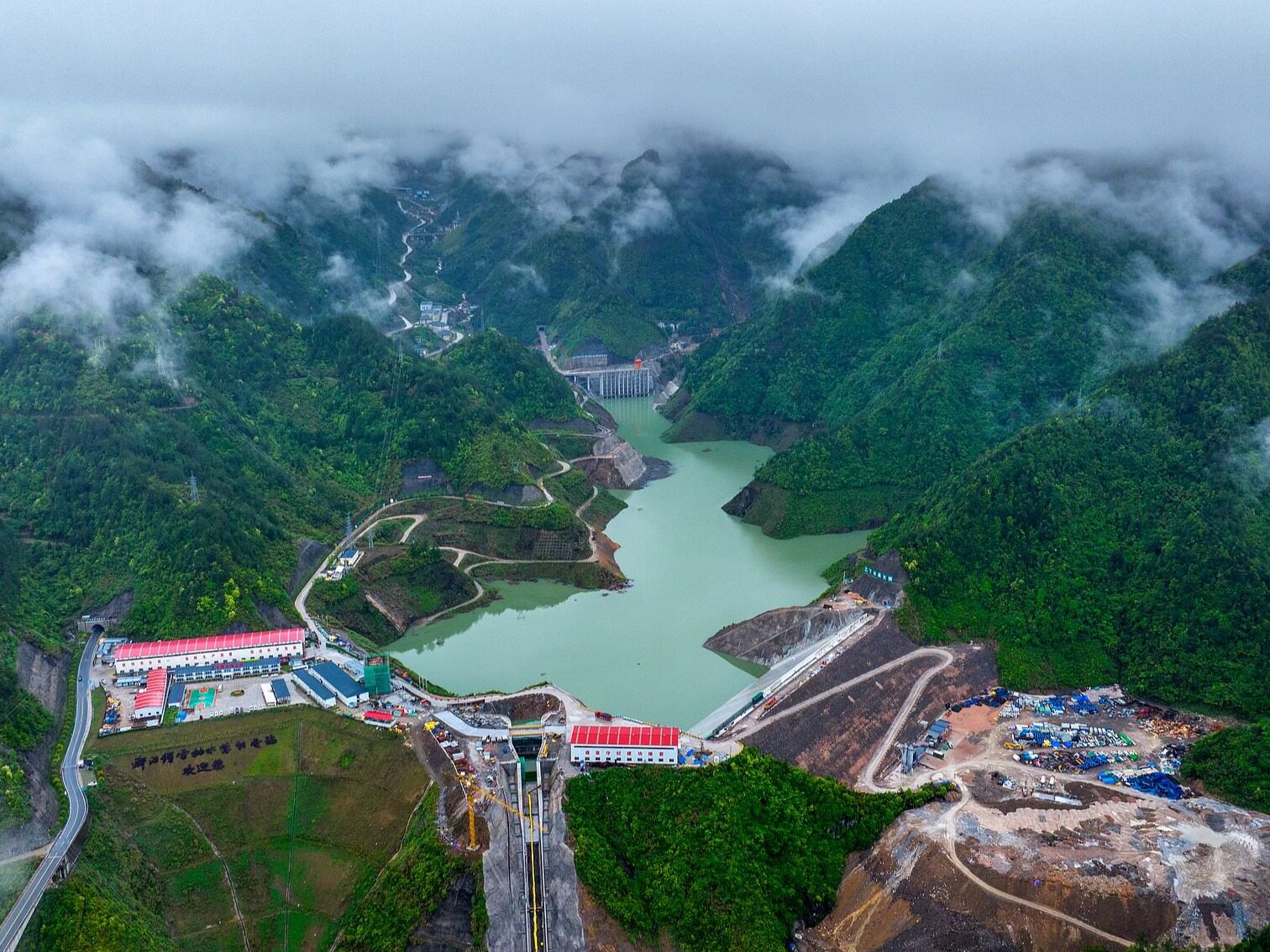
On September 10, 2026, in the Xing'an League factory area, the first green methanol truck landed steadily on the transport flatbed truck. The first batch of pilot projects for green liquid fuel and the 1.45 million ton green hydrogen to green methanol project of the National Energy Administration have officially completed the loading and delivery of the first batch of products. The wind and solar green power in northern China has, for the first time, transformed into a marine fuel product that can be directly exported through a complete zero carbon chain.
The full chain zero carbon path is implemented
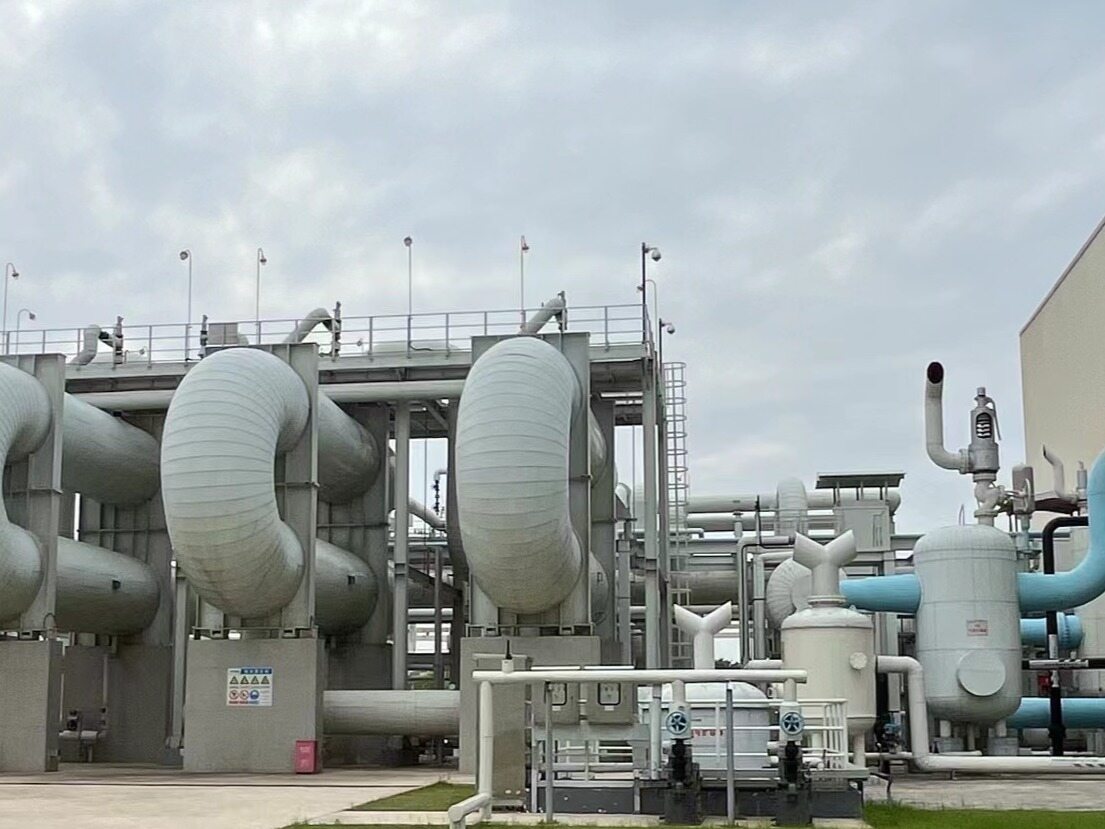
The overall plan of the project is to produce 1.45 million tons of green methanol annually, which will be constructed in three phases. The current phase, with a production capacity of 250000 tons, has been successfully put into operation. The project integrates the entire process of wind and solar new energy generation, green electricity electrolysis for hydrogen production, low-carbon biomass gasification, and green hydrogen coupled methanol synthesis. Green electricity accounts for over 75% of the total, and the carbon emissions per unit product are reduced by more than 95% compared to traditional coal to methanol production, fully complying with the latest low-carbon certification standards for marine fuels of the International Maritime Organization.
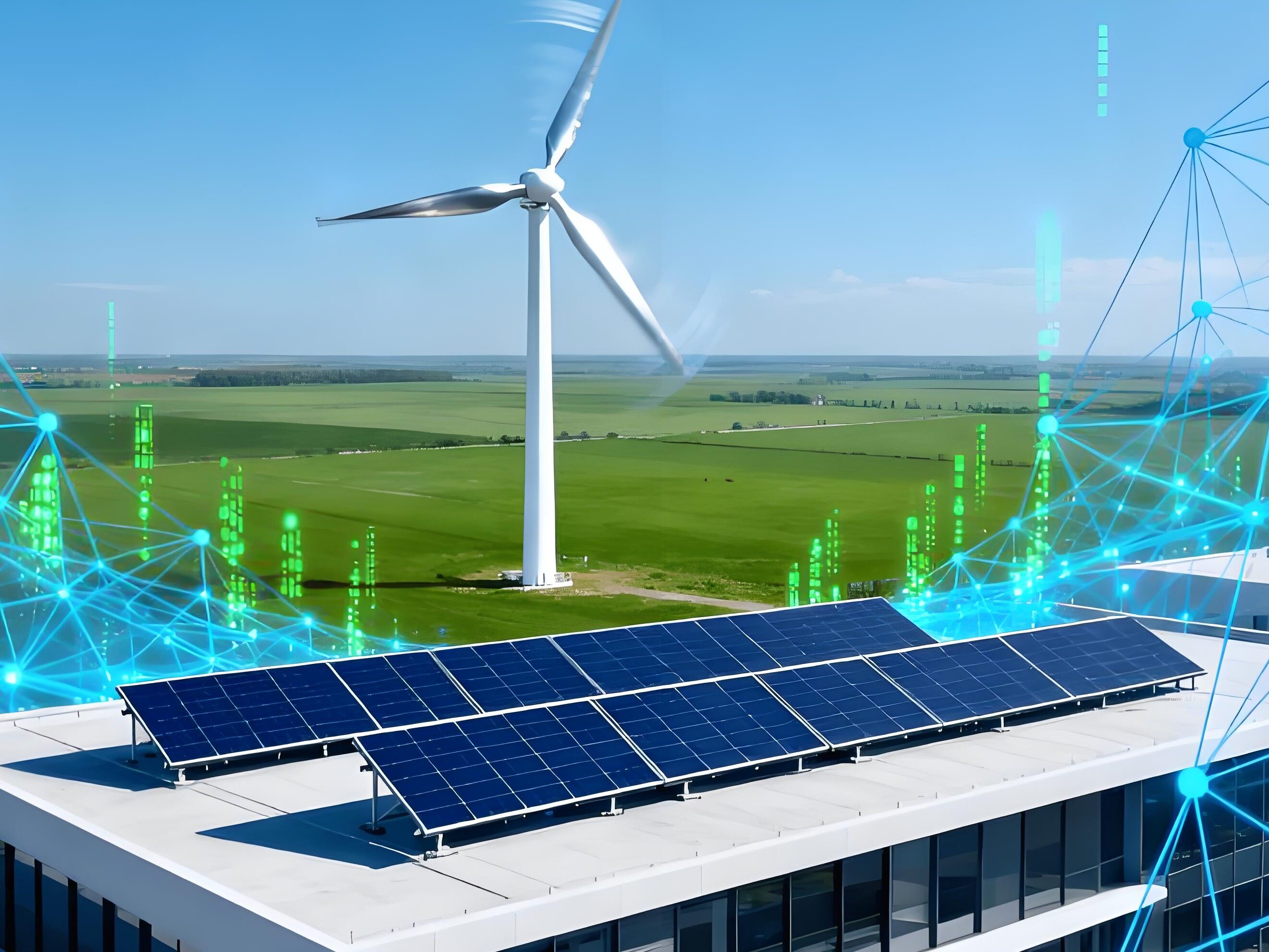
The total installed capacity of the wind and solar power base built in the factory area has exceeded 1.2 million kilowatts, which can provide stable and low-cost green power supply for the equipment. The average green power price can be controlled within 0.15 yuan/kilowatt hour.
The overseas route has officially been put into operation
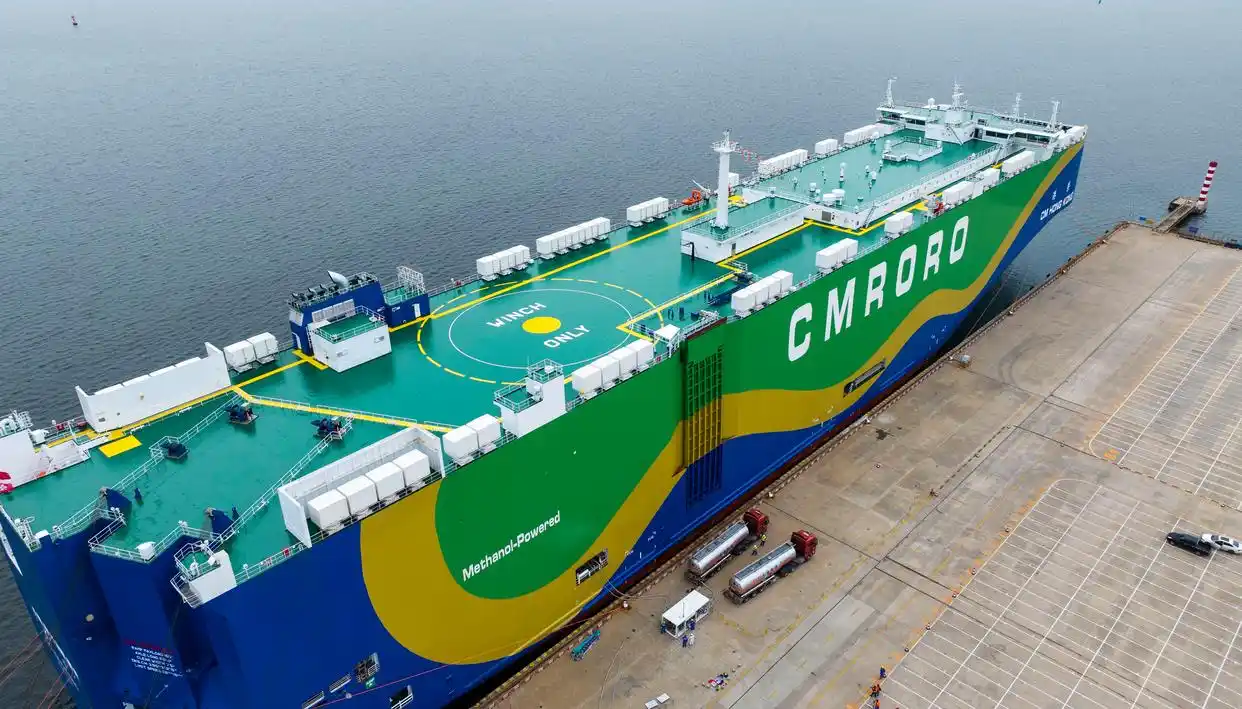
This batch of delivered products will be transported by road to Yingkou Port in Liaoning Province, and then loaded onto ships to Busan, South Korea, entering the green fuel market in Northeast Asia. Previously, many domestic green methanol projects were still in the demonstration and verification stage. This delivery marks the official opening of the entire commercial closed loop from renewable energy collection to terminal green product output.
Relying on the natural resources of Inner Mongolia's scenery, the full cost of the project can be controlled within 3800 yuan/ton, far lower than the production cost of 7200 yuan/ton of local green methanol in the European Union, and has significant cost advantages in the international marine fuel market.
From wind farms in Xing'an League to ports and terminals in Northeast Asia, this green and mellow sea route spanning thousands of kilometers is turning the wind and solar resources in northern China into the most competitive green fuel supply in the decarbonization process of the global shipping industry.Editor/Cheng Liting
Comment

 Praise
 Collect
 Comment

 Share
Share


Write something~