 Search


- From the heartland of Central Asia to the coast of Bohai Sea, Tashkent Oblast turns its attention to Tianjin
- This industry dialogue is not just about a few projects, but also opens up a new channel for China's chemical technology and park experience to enter Central Asia
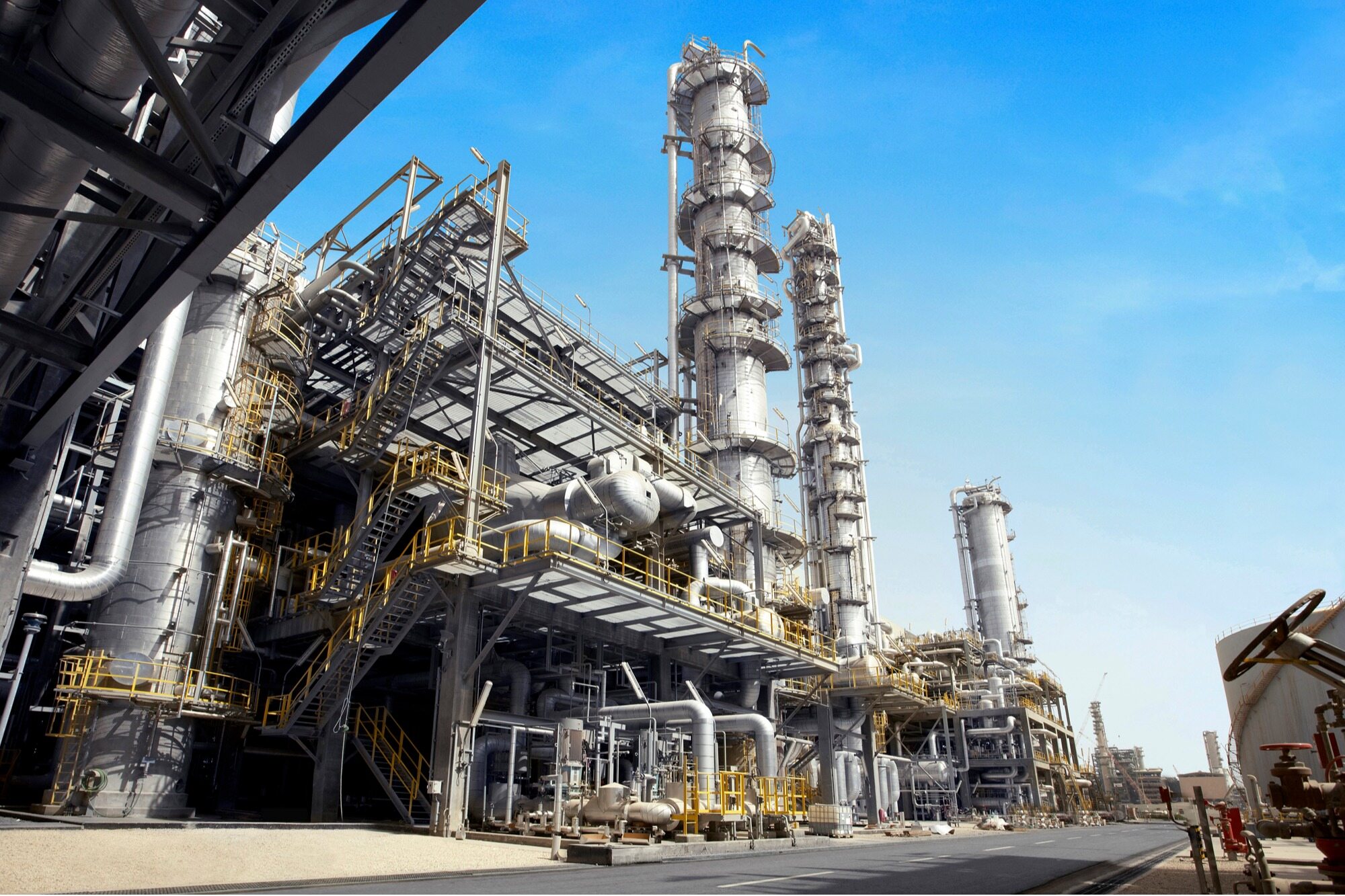
In the early autumn of Central Asia, the governor of Tashkent Oblast, Zoyr Mirzaev, set off on a visit to China with a clear purpose: to find a set of industrial development methods for his hometown that can immediately start building factories and continuously attract investors. A few days later, his figure appeared in the Tianjin Nangang Chemical Ecological Zone, also known as the Nangang Industrial Zone, by the Bohai Bay.
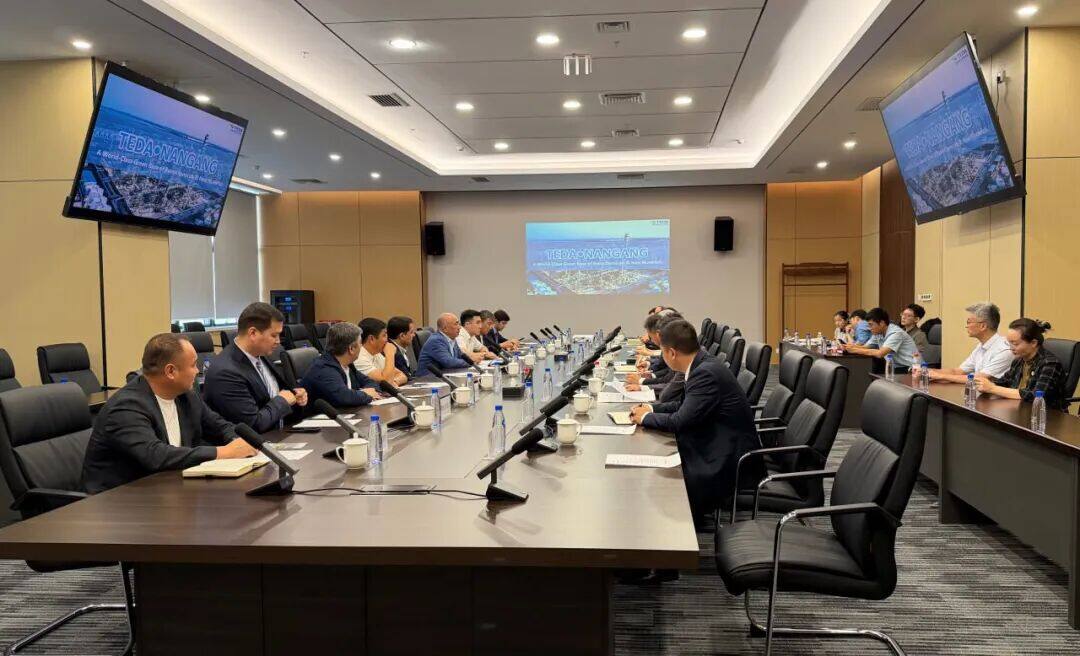
On site pilgrimage in Nangang
The pipe corridors crisscross and the silver storage tanks are clustered together. The industrial oasis in front of us, which has been reclaimed from the sea, is difficult to evoke the saline alkali wasteland of more than a decade ago. The delegation walked and watched, focusing on understanding how industrial zones can introduce manufacturing projects, construct engineering and logistics infrastructure, and optimize services for investors. As one of the main industrial and manufacturing centers in Tianjin, Nangang Industrial Zone has gathered projects in multiple industrial fields such as chemical, petrochemical, and energy. It has introduced more than 170 projects with a total investment of over 190 billion yuan, and has become a national energy strategic reserve base, a new material manufacturing base for chemical industry in Beijing Tianjin Hebei region, and a result transformation base. It has also been rated as a national green chemical park and a smart chemical park. For Tashkent Oblast, which is planning industrial upgrading, such a sample is of great reference value.
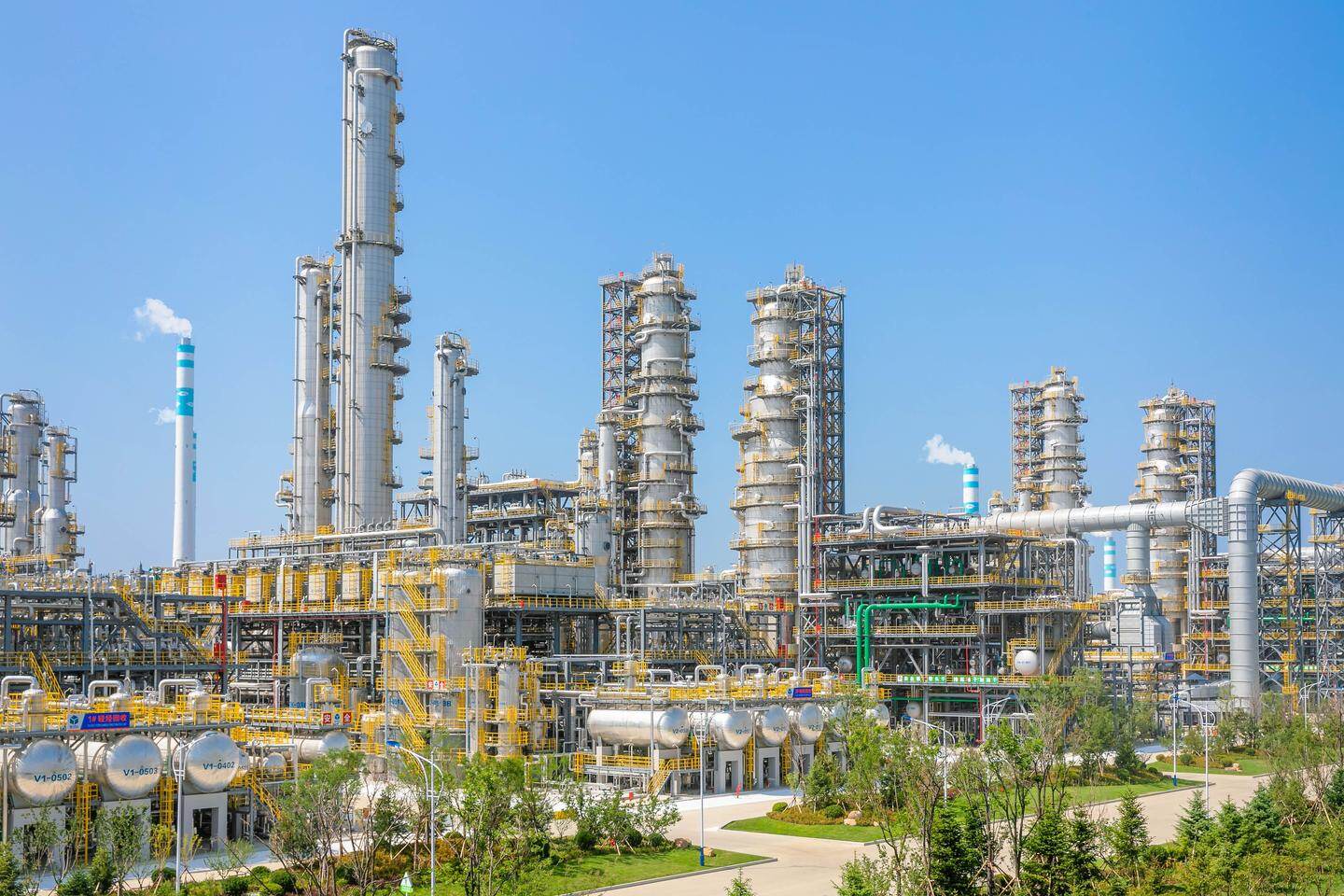
Enterprise desk docking
Besides the highlights, we need to talk more about things. During the visit, the delegation held talks with representatives from the management of Tianjin Economic and Technological Development Zone (TEDA), as well as executives from several large Chinese enterprises, including Tianjin Bohai Chemical Group Co., Ltd., Sinopec Tianjin Petrochemical Company, Sinopec Catalyst (Tianjin) Co., Ltd., and Tianjin Xinyang Co., Ltd. Both sides had in-depth exchanges on topics such as the potential for cooperation in the chemical and petrochemical industries, the construction of new production facilities, the introduction of advanced technologies, renewable energy, and investment projects. Tashkent Oblast provided a detailed introduction to its industrial and investment potential, infrastructure conditions, and preferential policies prepared for foreign investors. Uzbekistan is an important fulcrum country for the joint construction of the the Belt and Road. China is its largest trading partner and largest source of imports. Energy, chemicals and other fields have always been the focus of China's investment layout, which provides a solid foundation for the docking between the two sides.
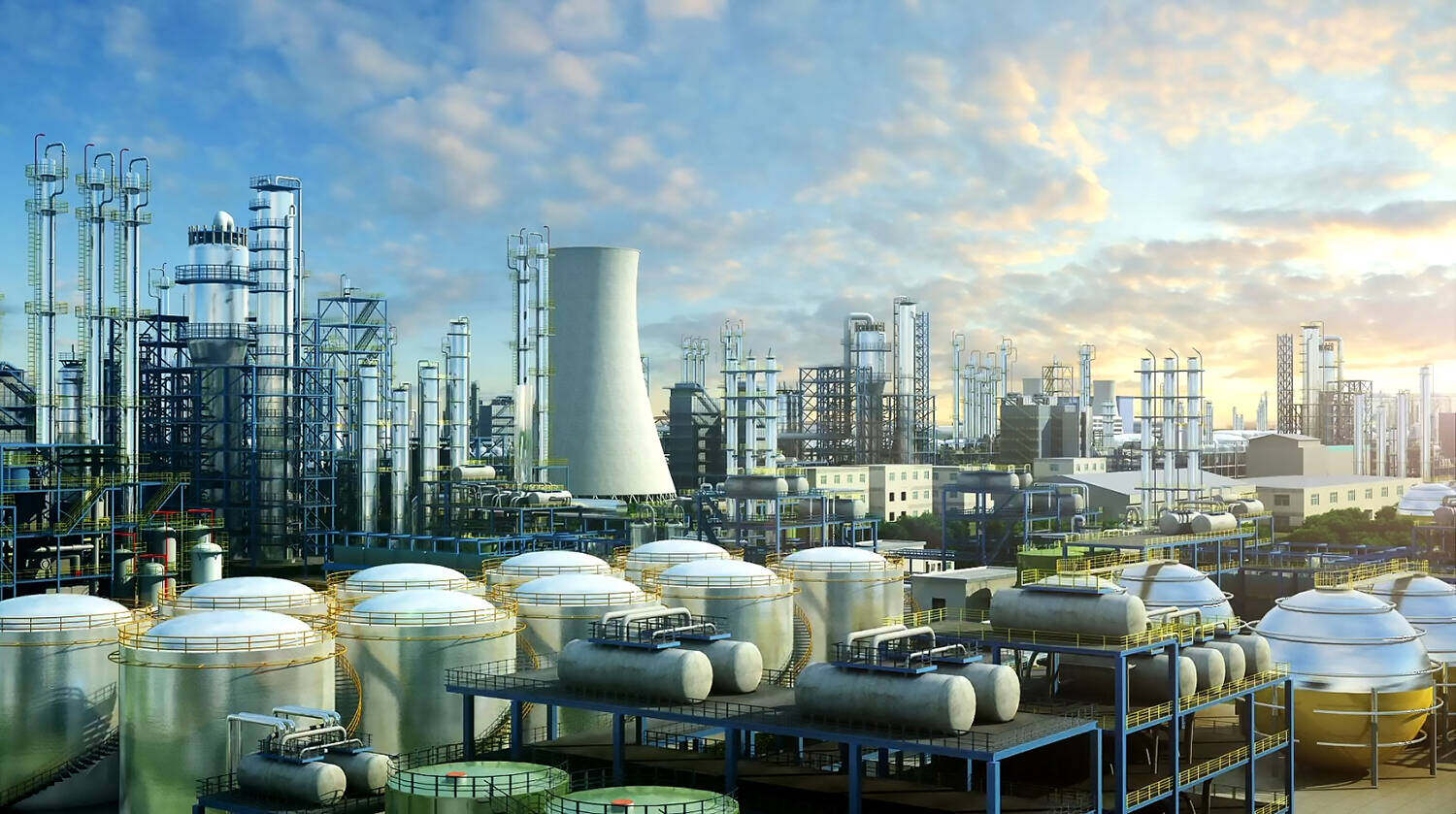
Collaboration towards practical implementation
This trip is not just about visiting. The delegation specifically inspected Tianjin's experience in developing industrial zones and attracting manufacturing projects, and plans to introduce relevant practices into Tashkent Oblast. Both sides have preliminarily determined the direction of further cooperation, including developing new investment projects and expanding industrial connections between Tashkent Oblast and Chinese enterprises. In recent years, Tianjin's economic and trade exchanges with SCO countries have continued to heat up, with a total import and export volume of 89.5 billion yuan to SCO countries in 2024, a year-on-year increase of 21.9%; The Tianjin Economic Development Zone Teda One stop Overseas Service Center has also established cooperation with the Wuzhong Mingyuan Silk Road Free Trade Zone to jointly assist Chinese enterprises in going global. For Tashkent Oblast, strengthening industrial cooperation with Chinese partners and promoting technology intensive production to settle locally are the long-term goals that this visit hopes to promote. From the coast of Bohai Sea to the hinterland of Central Asia, an industrial corridor linked by chemical and petrochemical industries is becoming clear.Editor/Yang Meiling
Comment





 Praise
 Collect
 Comment

 Share
Share


Write something~