 Search


- South Korean high-speed rail is using Uzbekistan as a springboard to enter the Central Asian market
- It also brings new funding and technological options for the upgrading of Central Asian railways
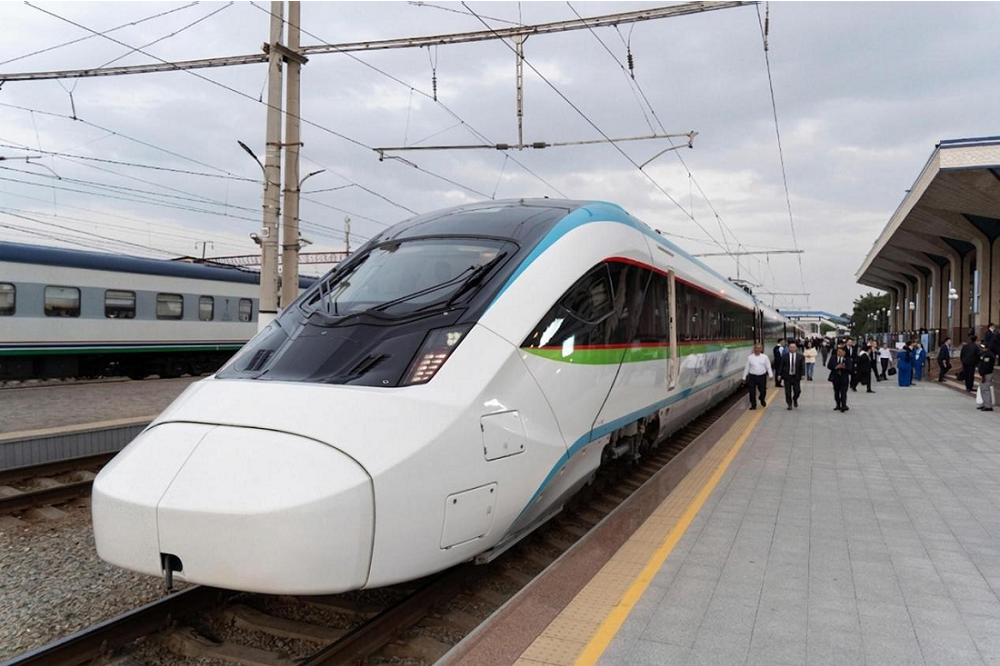
At Tashkent North Station in the early morning, a silver white high-speed train slowly pulled out of the platform, with silk patterns flowing on the body in the sunlight. It will head west towards the ancient city of Shiva deep in the desert. For local passengers, this is an ordinary journey; For Hyundai Rotem in South Korea, it is a nearly 30-year wait for arrival - this is the first time that South Korea's independently developed high-speed train has been put into commercial operation overseas.
First order landed in Central Asia
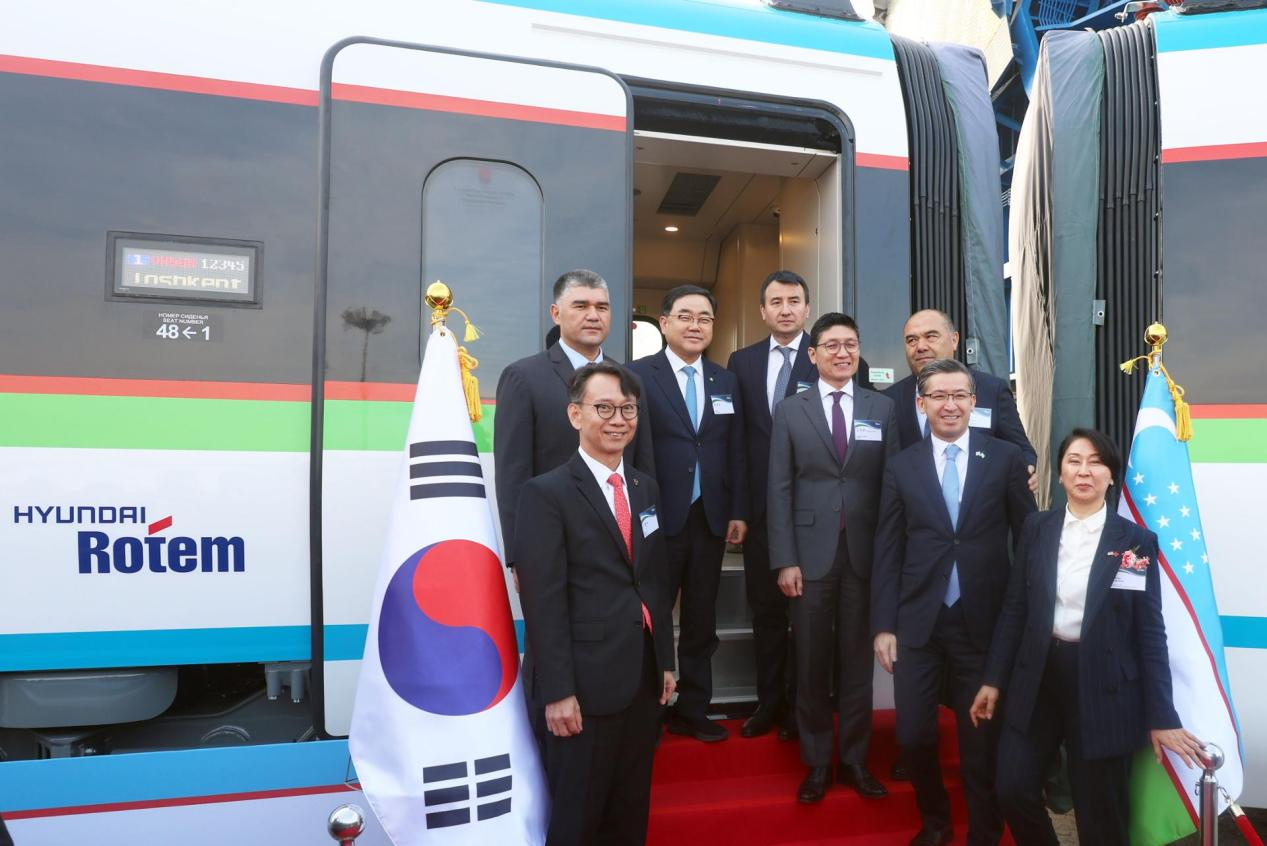
In June 2024, Uzbekistan signed a contract with Hyundai Rotem for the purchase of six high-speed trains worth approximately 270 billion Korean won, becoming South Korea's first overseas order for high-speed rail. To facilitate this business, the South Korean side offered very favorable conditions: the Export Import Bank of Korea provided a loan of 185 million euros through the Foreign Economic Cooperation Fund, with a term of 35 years and an interest rate of only 0.1%. The vehicle has also undergone targeted modifications - developed on the KTX Eum platform, equipped with a bogie suitable for 1520mm wide rails, strengthened dust and high temperature resistance design, and can operate stably in environments ranging from minus 50 degrees Celsius to over 40 degrees Celsius.
In May 2026, the first train will be put into operation at Tashkent North Station. 7-car formation, carrying 389 passengers, with a maximum operating speed of 250 kilometers per hour, running 3 times a week, undertaking the passenger transportation task from Tashkent to Khiva, with a total distance of about 1022 kilometers and a running time of 7 hours and 40 minutes. At present, 3 out of 6 trains have been delivered, and about 600 Korean component companies have participated in the project supply, forming an industrial chain that goes global together.
From column 6 to column 8
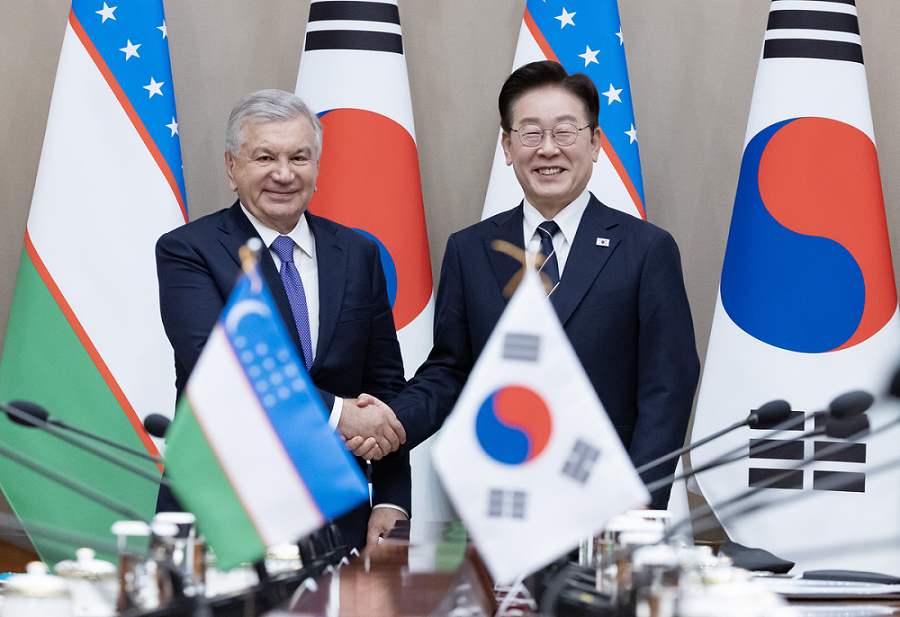
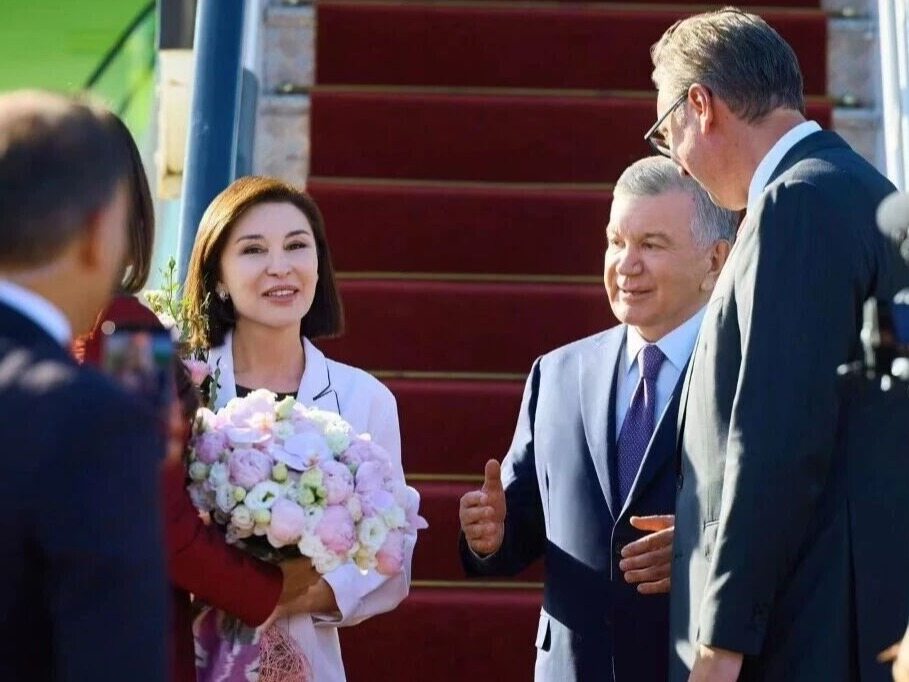
The change occurred during Mirziyoyev's recent visit to South Korea. The two countries signed 13 cooperation documents covering key mineral resources, artificial intelligence, railway transportation, and other fields, including a memorandum of understanding on the feasibility study of introducing 8 high-speed trains under the support of the Korea Economic Development Cooperation Fund. The final scale and implementation plan of the project will be determined based on the feasibility study results.
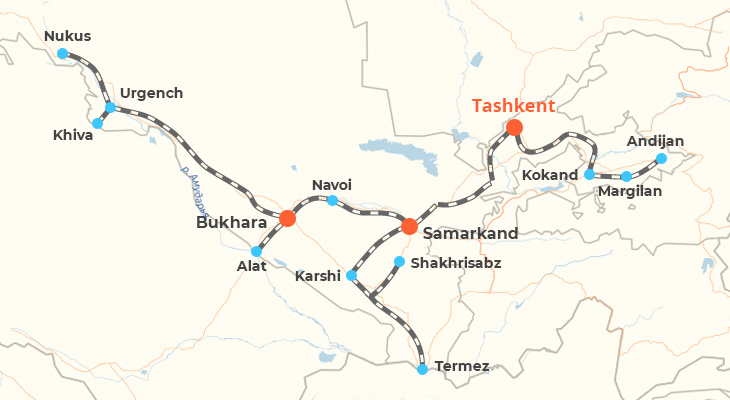
According to the previously announced plan by the Ukrainian side, the President has approved the purchase of 8 new modern Rotem trains, mainly for the complex mountainous route crossing the Darband and Kamchik mountain passes, with plans to connect Tashkent with Tiermez and Andijan by 2030. In addition, the Ukrainian side also requested to accelerate the procurement of 23 electric multiple units to serve the suburban lines of the Tashkent metropolitan area. For a company that has been operating high-speed rail only domestically for a long time, the weight of this additional list is self-evident.
Accelerated formation of road network
The goal of Korean companies is not just to sell cars. The final feasibility study of the Tashkent Samarkand high-speed railway will be undertaken by a consortium of engineering companies led by South Korea's Saman Group, with a grant of 3 million US dollars provided by the Export Import Bank of Korea. The total length of the route is about 300 kilometers, with plans to construct 74 bridges and 3 tunnels. The maximum operating speed can reach 300 kilometers per hour, and the travel time between the two places is expected to be reduced to about 1.5 hours after completion. The project is expected to have a construction period of 7 to 10 years and is planned to be put into operation in the 2030s.
The demand is equally real. As the first country in Central Asia to open high-speed rail, Uzbekistan has long had mixed passenger and freight trains on its existing high-speed rail lines, which limits the space for speed increase. According to the 2026-2030 plan, the Ukrainian side hopes to at least double the passenger and freight volume. The transportation department is still studying extending the high-speed rail to Khiva, reducing the travel time from Tashkent to Khiva from the current about 7.5 hours to about 5 hours. Modern Rotem trains may be deployed on this route in the future, but the final supplier has not yet been determined.
From selling a train to participating in planning a network, South Korea's railway chess game in Central Asia is accelerating. In the Eurasian corridor where China, South Korea, Türkiye and other countries compete together, the real winner may still be ordinary people waiting for faster travel.Editor/Yang Meiling
Comment



 Praise
 Collect
 Comment

 Share
Share


Write something~