 Search


- Egypt's first systematic introduction of large-scale energy storage, a welcome window for Chinese investment
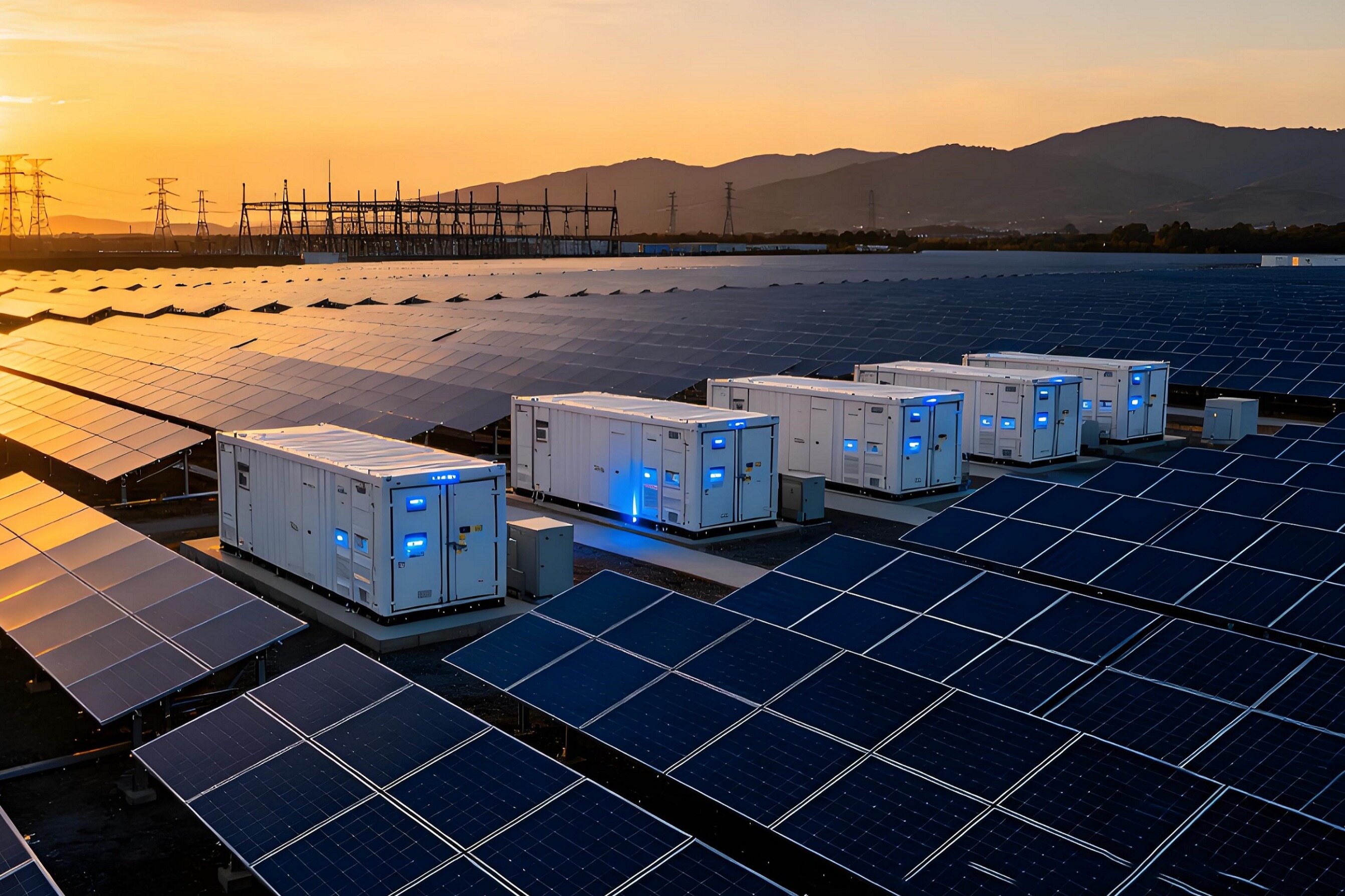
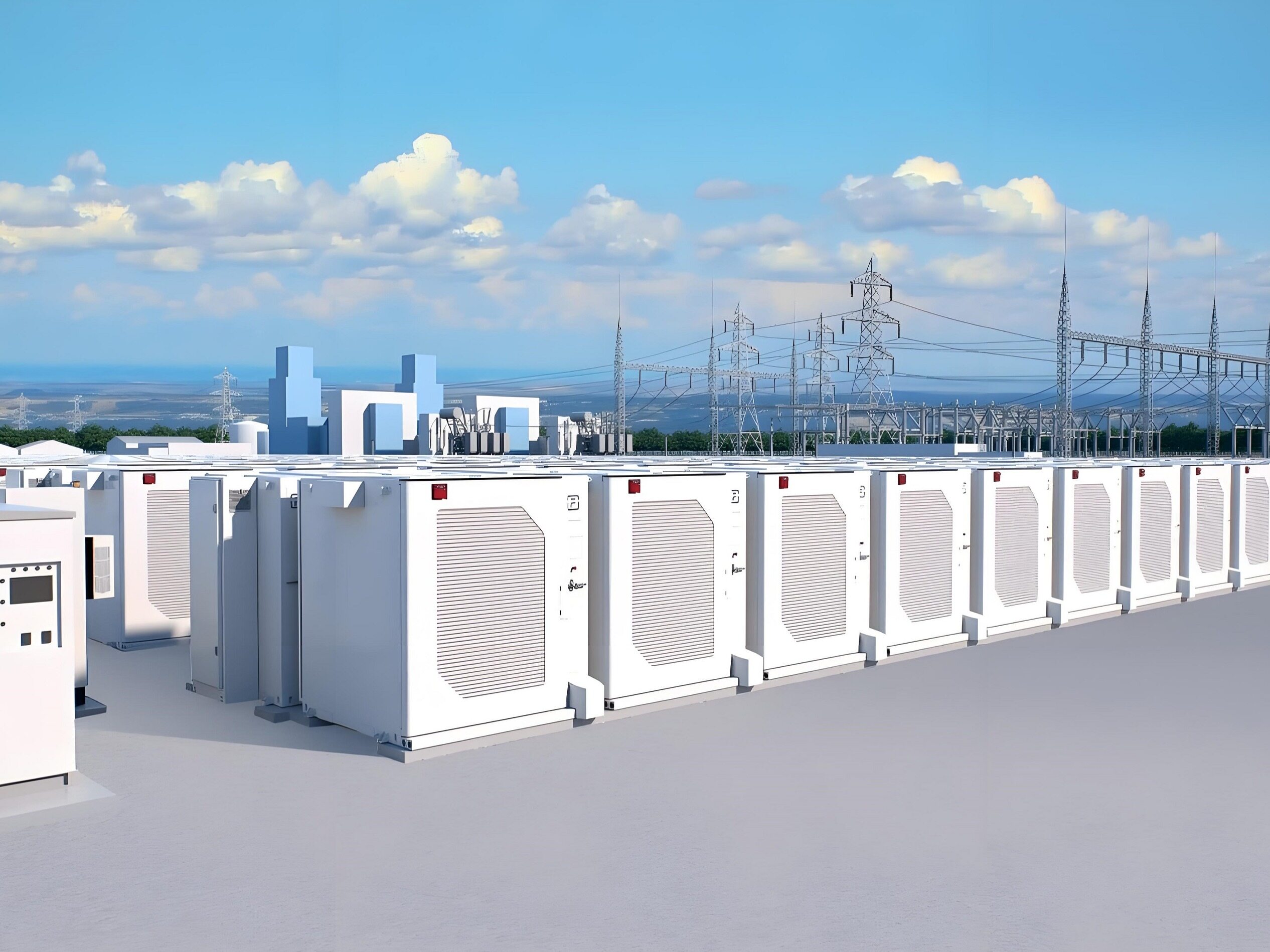
On September 12, 2026, UAE new energy developer AMEA Power signed a power purchase agreement with Egyptian power transmission company EETC, investing $800 million to develop two landmark renewable energy projects: a new 1000 megawatt photovoltaic power station and a 600 megawatt hour battery energy storage system in the Benban area of Aswan Province, and an expansion of 300 megawatt hours of energy storage to support the already operational Abydos 500 megawatt photovoltaic power station. This marks Egypt's first systematic introduction of large-scale energy storage systems on a utility scale. Chinese funded enterprises Tianhe Energy Storage and China Energy Construction are participants in the equipment supply and EPC delivery of this project portfolio, not project investors. The project investor is AMEA Power.
Middle Eastern capital leads Chinese delivery
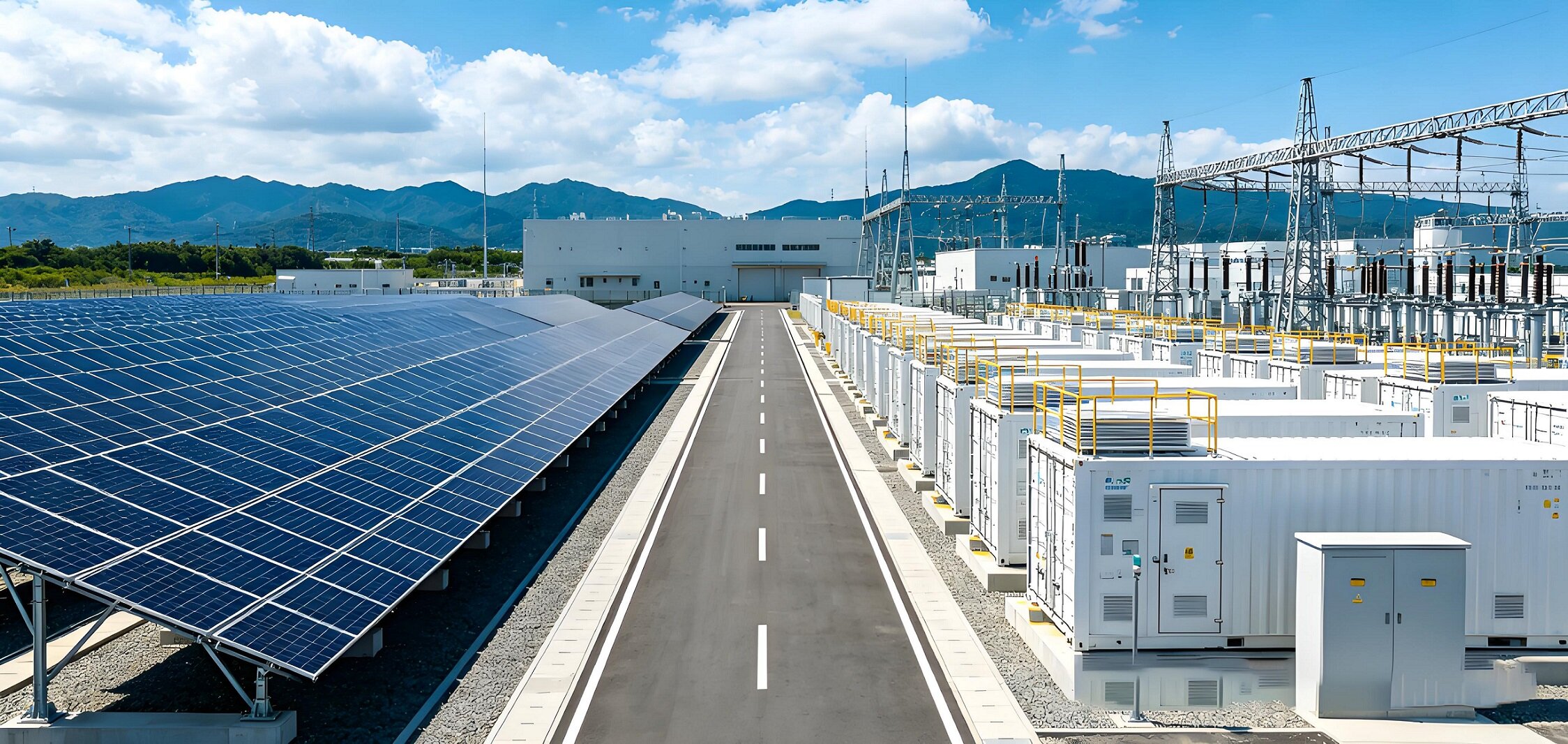
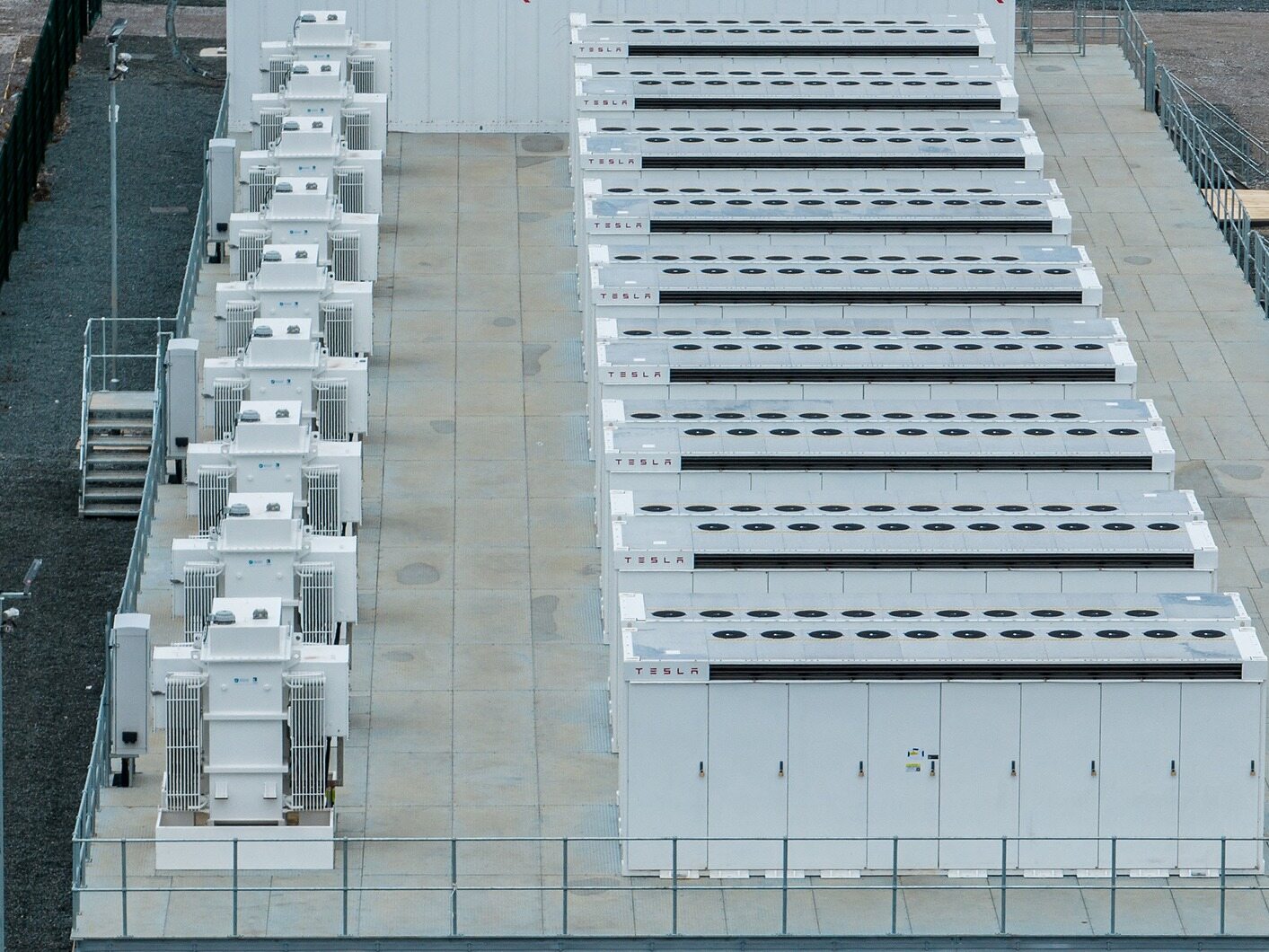
The structure of this $800 million investment portfolio is more worthy of attention than the project itself. The investment comes from Middle Eastern sovereign capital, and AMEA Power is a renewable energy developer based in Dubai, UAE, backed by UAE sovereign capital. The 25 year power purchase agreement signed with EETC signifies that the project has received a long-term power purchase commitment from the Egyptian government. The equipment and construction end heavily rely on the Chinese supply chain. Taking the 300 megawatt hour energy storage project of Abydos as an example, the underlying lithium iron phosphate energy storage technology and integration solution are provided by China Tianhe Energy Storage, with China Energy Engineering participating in joint construction and delivery. The Elementa 2 platform supplied by Tianhe Energy Storage adopts its internally vertically integrated lithium iron phosphate battery, which is the first large-scale battery energy storage system on a utility scale in Africa. This joint venture model, led by Middle Eastern capital and provided by Chinese enterprises with core equipment and EPC delivery, is becoming an effective path for landing super new energy projects in Africa.
Energy storage into light storage project standard configuration
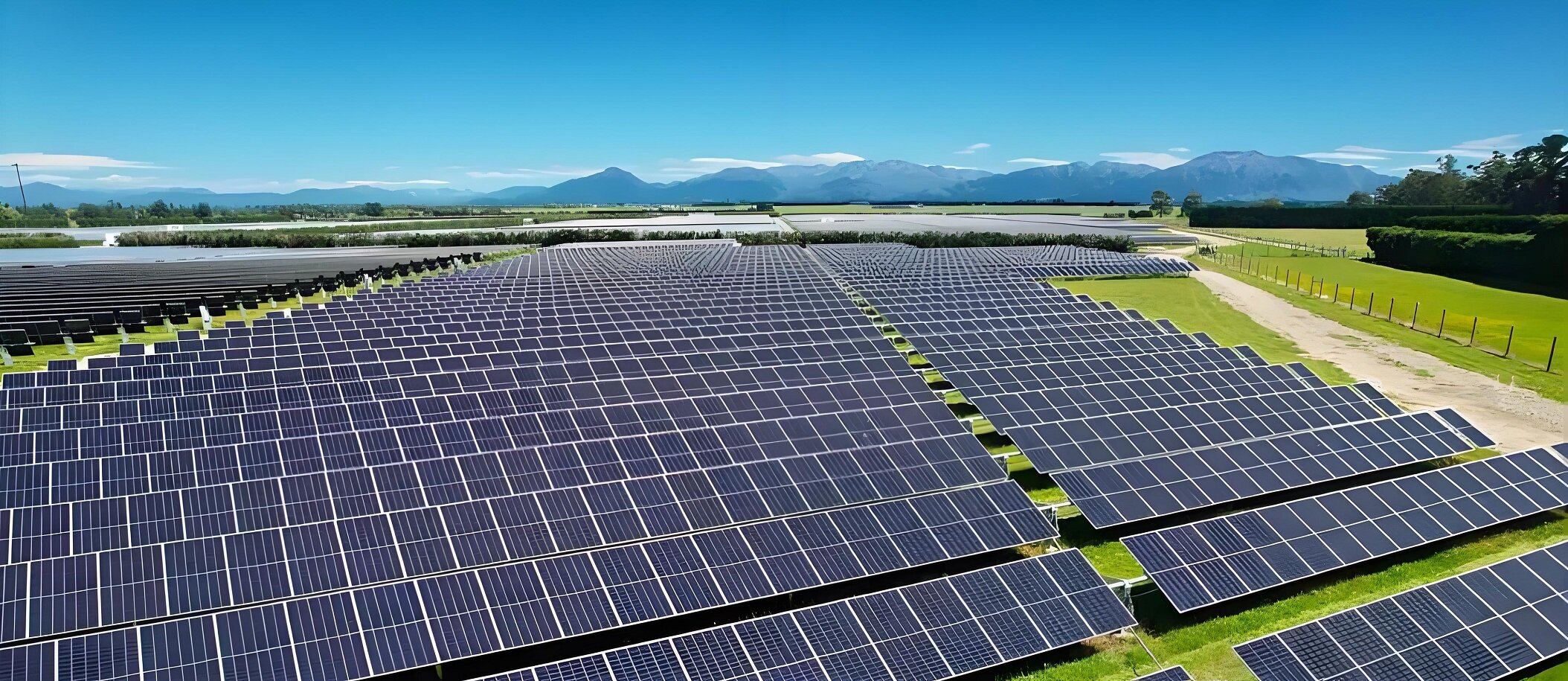
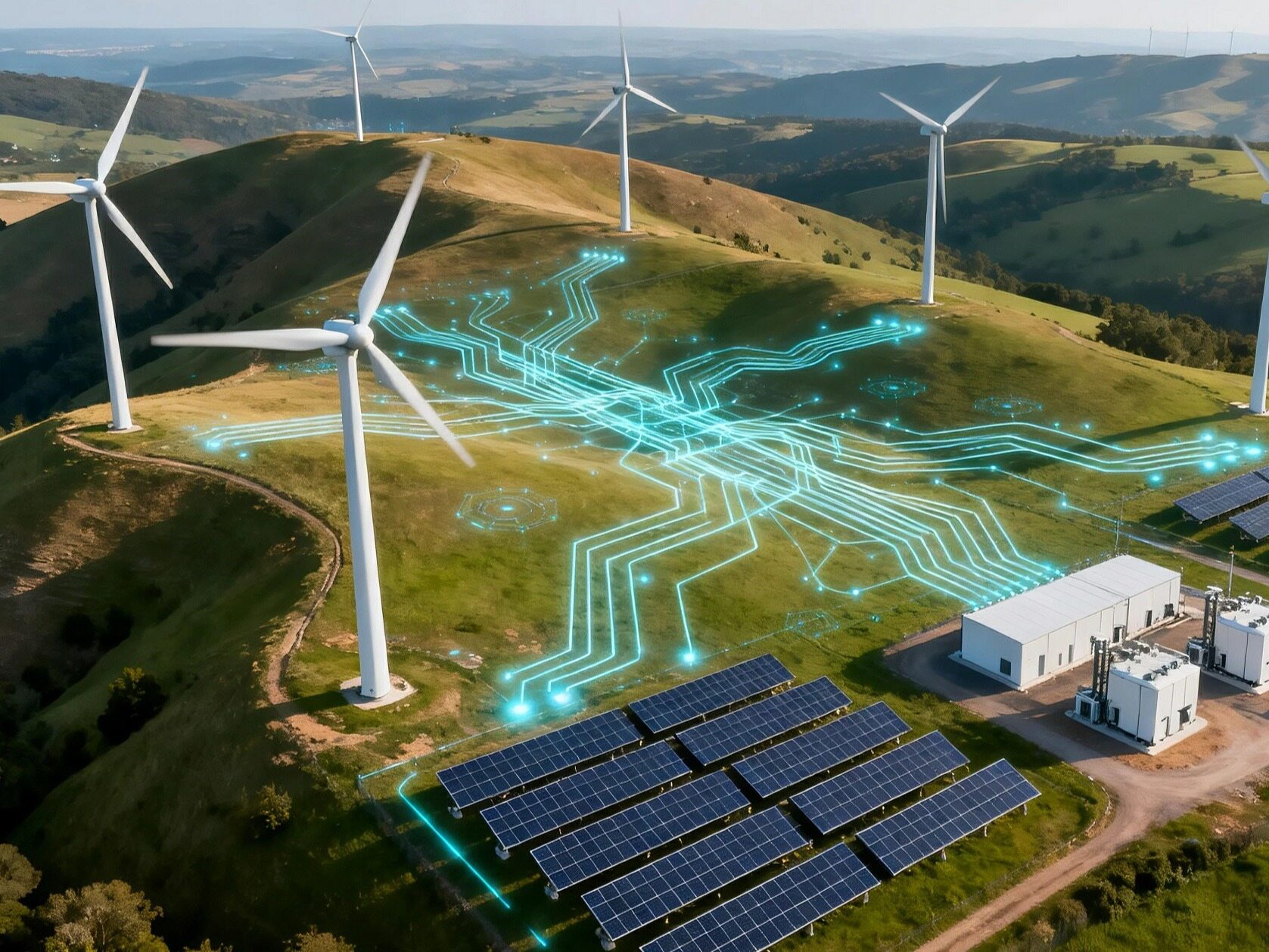
The structural changes in this power purchase agreement reflect a trend shift in Africa's new energy infrastructure. In the past, solar energy development in Africa was mainly focused on pure photovoltaic power plants, without supporting energy storage, resulting in a mismatch between peak power generation and peak electricity consumption. Nowadays, the integration of photovoltaic and energy storage has become a prerequisite for obtaining long-term power purchase agreements. AMEA Power not only builds 1000 MW solar panels, but also comes standard with 600 MWh of energy storage, and adds 300 MWh of energy storage to the already operational 500 MW Abydos solar panels. The real pressure on the Egyptian power grid has accelerated this transformation. Due to energy structure and load issues, Egypt has recently experienced a continuous crisis of alternating power outages. High capacity battery energy storage can not only smooth out the intermittent fluctuations of photovoltaic power generation, but also achieve the time shift of daytime electricity and release clean base loads to the national power grid during peak evening electricity consumption periods. Keywords: New Energy News Network, Photovoltaic, Energy Storage, Middle East
China Energy Construction's dual track layout
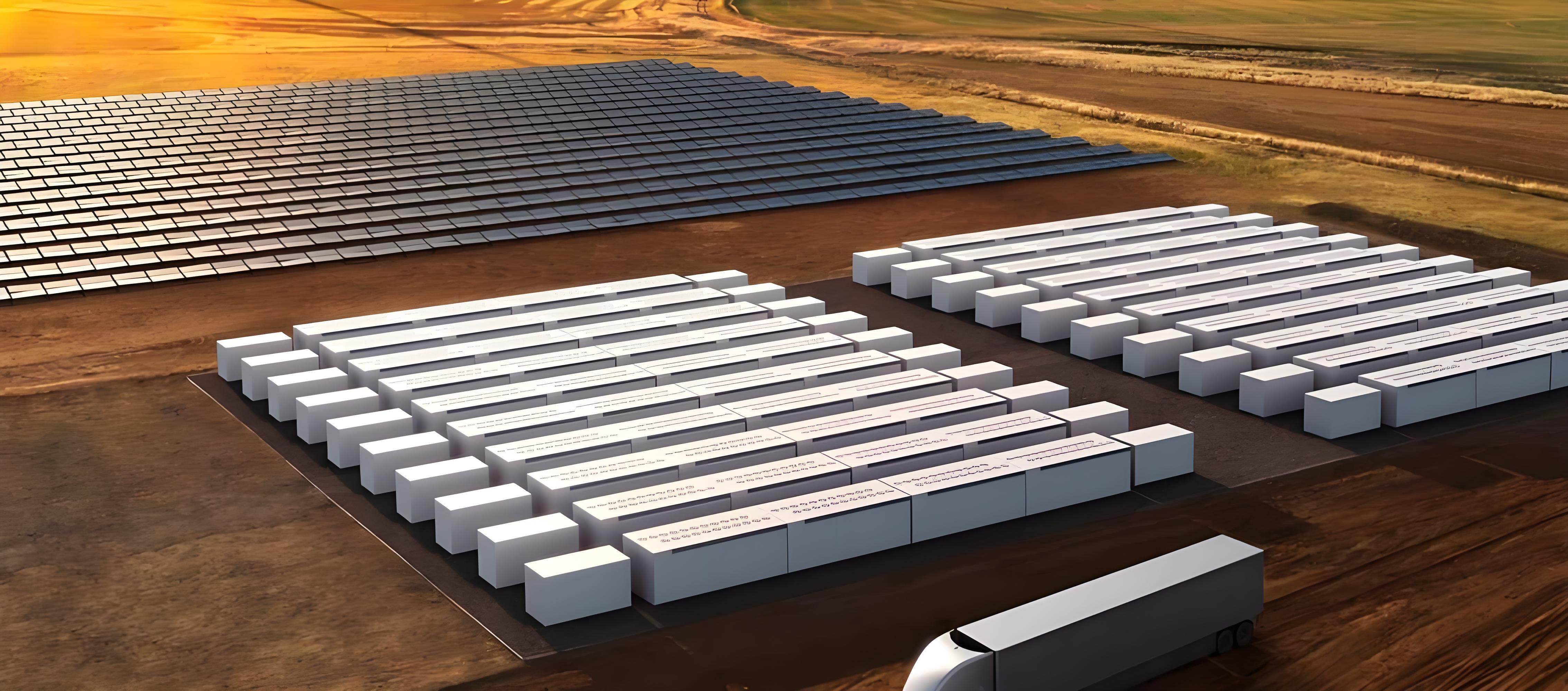
China's participation in Egypt is not limited to Abydos' 300 megawatt hour energy storage delivery. Abydos Phase II covers 1 gigawatt of photovoltaic and 600 megawatt hours of energy storage, making it the largest under construction solar storage project in Africa. The 600 megawatt hour energy storage system was successfully connected to the grid at full capacity in August 2026. The Neferti Independent Energy Storage Power Station has an installed capacity of 500 megawatts and 1050 megawatt hours, making it the largest independent energy storage project in Africa. On September 12, 2026, the main structure of the control building was successfully topped out. From integrated photovoltaic and energy storage EPC to independent energy storage power stations, China Energy Engineering's energy storage layout in Egypt is shifting from single project delivery to parallel rolling operation of multiple projects. The 900 megawatt hour energy storage demand released by Egypt is a clear window for equipment output, and the window for containerized battery energy storage systems to be exported to Africa has opened.Editor/Gao Xue
Comment

 Praise
 Collect
 Comment

 Share
Share


Write something~