 Search


- Energy storage enters Brazil's main power grid, opening up new entry points for Chinese companies in power grid projects
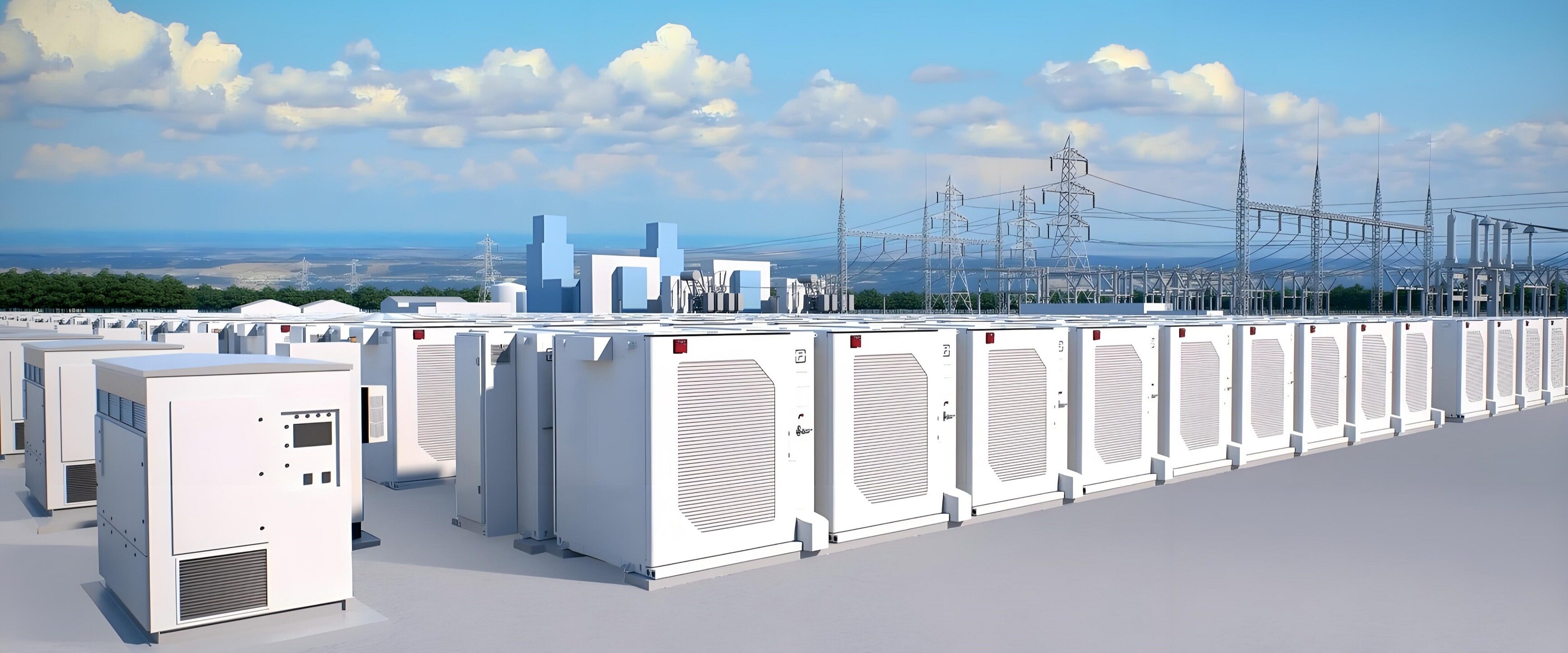
On September 8, 2026, the Brazilian National Electricity Regulatory Authority ANEEL announced the preliminary plan for the auction of transmission project N º 01/2027 and initiated public consultation. The project is expected to attract 12.9 billion Brazilian reals and approximately 17 billion RMB in investment, covering 13 states in Brazil. It plans to construct 3245 kilometers of new transmission lines and increase the capacity of 1386 megavolt ampere substations. The most highly anticipated aspect of this auction is the 5th section located in Acre state - Brazil plans to purchase battery energy storage services for the first time in the transmission link of the national interconnected system. Energy storage is entering the Brazilian main grid, which will open up new project scenarios and change the way Chinese energy storage companies observe the Brazilian market.
100MW energy storage landed in Akri
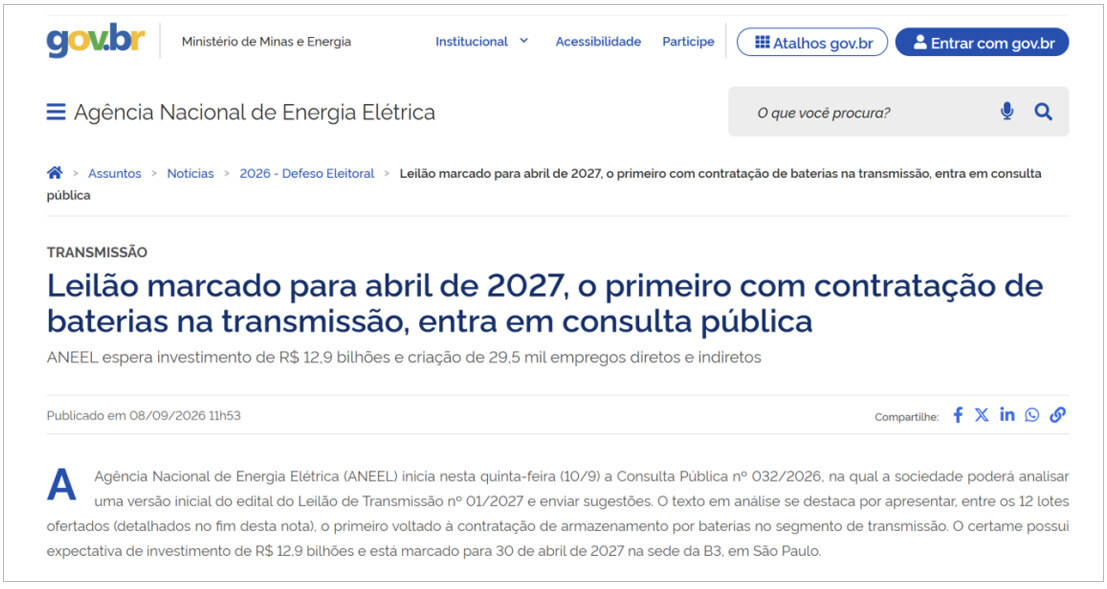
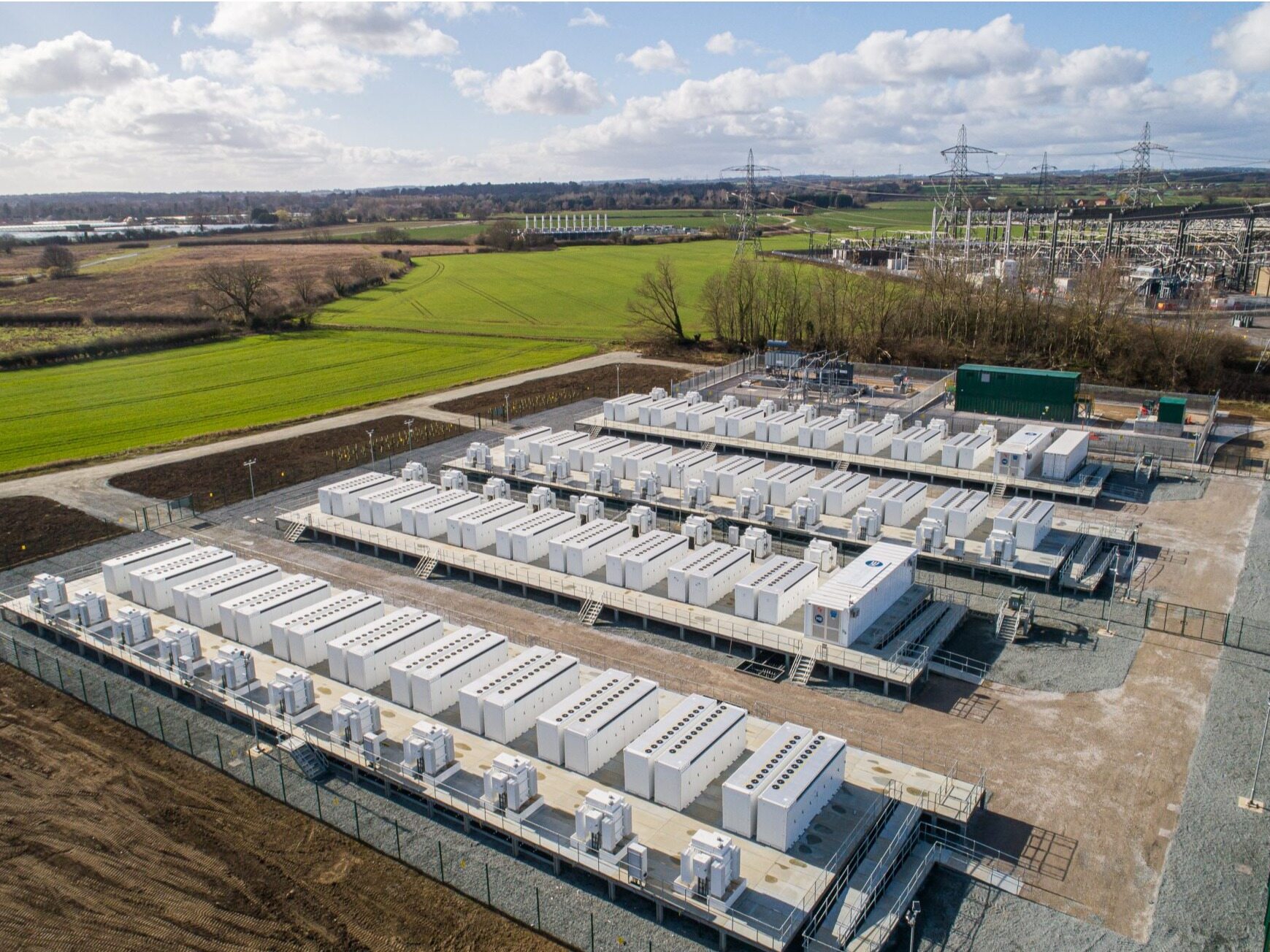
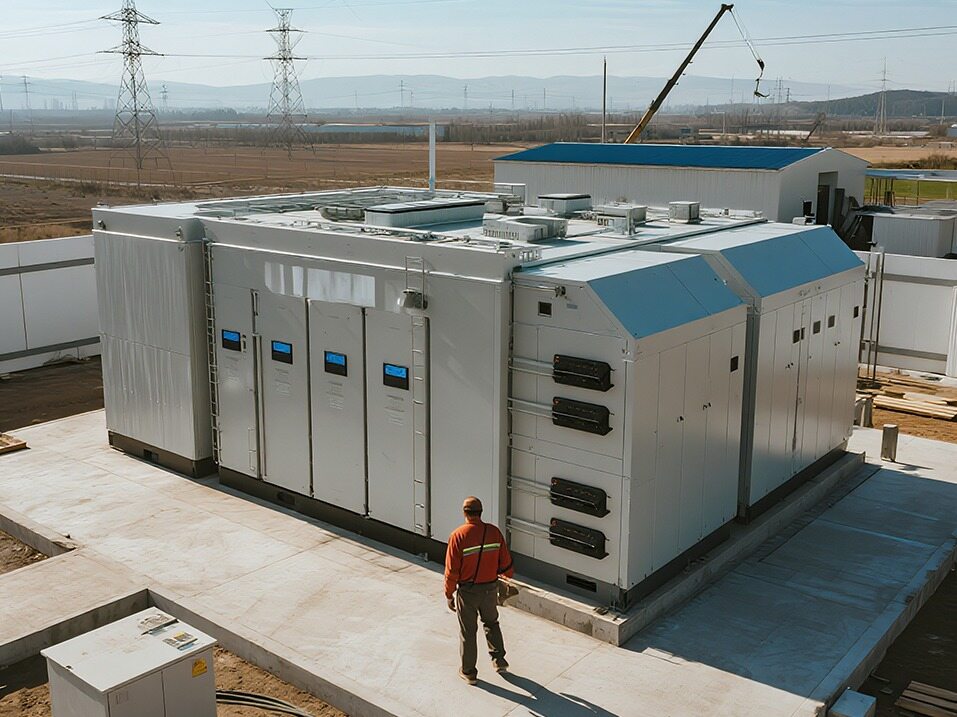
The fifth section is located in the state of Acre in northwest Brazil. The project will install a 100 MW 200 megawatt hour battery energy storage system at the Cruzeiro do Sul substation, with a storage time of about 2 hours, connected to a 69 kV system. The project clearly requires the use of grid construction technology, with a construction period of 36 months and a contract period of 18 years, with the aim of improving the power supply stability in Cruzeiro do Sul and Feij ó. The main purpose of ordinary new energy distribution and storage is to smooth the power of the power station, transfer the amount of electricity, and reduce power abandonment, while the energy storage on the transmission side directly serves the power grid and assumes stronger system responsibilities in terms of frequency, voltage, power response, and fault support. Grid based energy storage can actively form voltage and frequency references, providing support in situations of weak power grids, line faults, or local power shortages.
Energy storage transforms from equipment to infrastructure
Section 5 brings about a change in the business model of energy storage. Before this, energy storage was usually sold as a one-time device, but now energy storage is considered as infrastructure for long-term procurement. The contract period is set at 18 years, which is closely related to the battery life, capacity degradation, and replacement cycle. For enterprises, competitive factors have evolved from initial equipment prices to various aspects such as system efficiency, availability, attenuation management, security responsibility, and long-term operation and maintenance costs. Brazil has a relatively high proportion of renewable energy power systems globally, with renewable energy accounting for approximately 86.8% of Brazil's electricity structure by 2025. Wind and solar power together contribute 26.4% of the country's electricity generation. The growth rate of new energy is fast, while the expansion of the power grid takes a long time. Brazil's high-quality wind and solar resources are concentrated in the northeast, and the main load centers are distributed in the southeast. A large amount of electricity needs to be transmitted to the consumer market through long-distance transmission channels. Keywords: New Energy News Network, Energy Storage, International
Four types of opportunities for Chinese enterprises
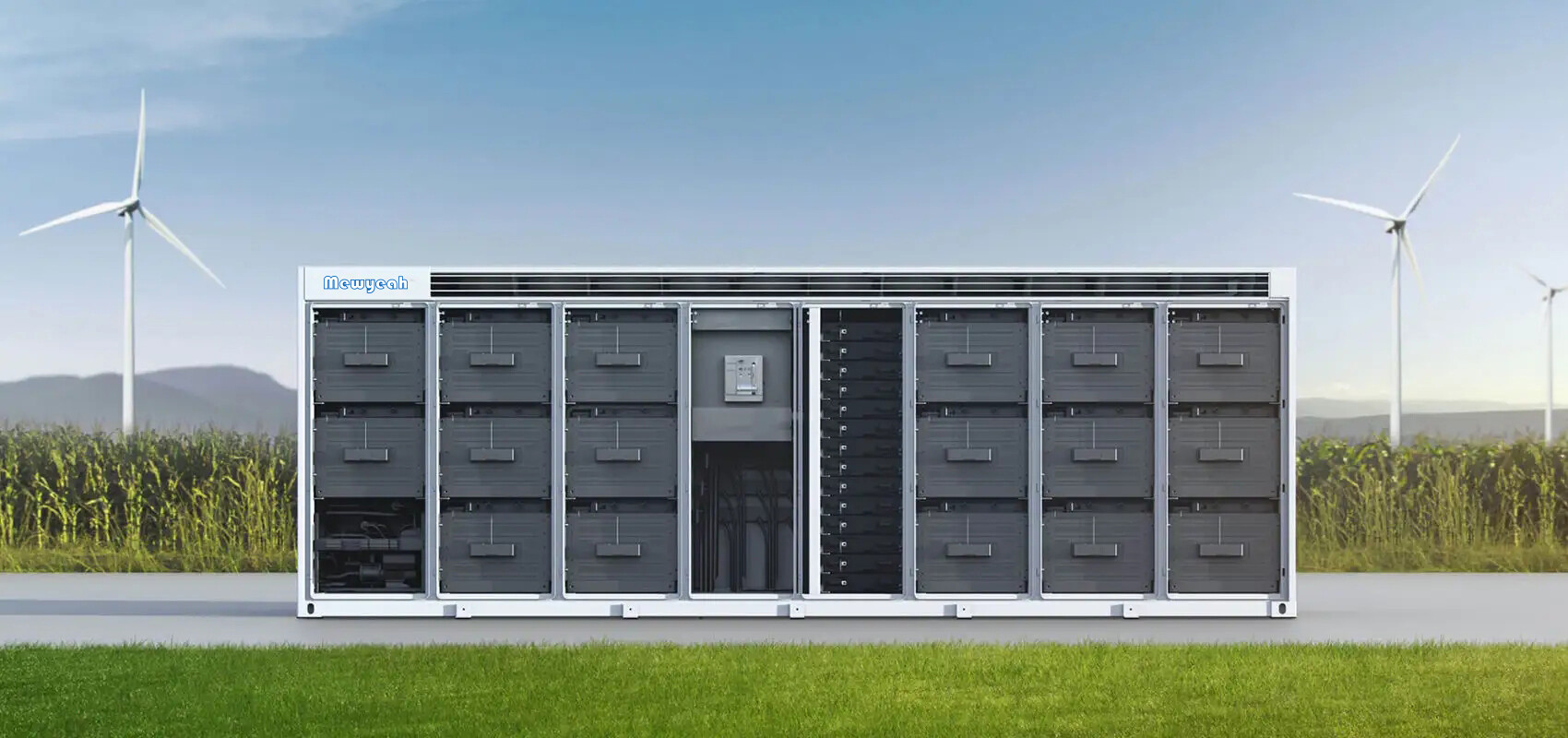
Chinese enterprises have a deep foundation in battery cells, energy storage system integration, power electronics equipment, and supply chain costs. The launch of energy storage procurement on the transmission side in Brazil provides a new entry point for Chinese manufacturers to enter high value-added power grid projects. The first type of opportunity comes from the supply of core equipment, including battery cells, battery modules, containerized energy storage systems, energy storage inverters, battery management systems, energy management systems, step-up transformers, and medium voltage switchgear. The second type of opportunity comes from networked control and system integration, where suppliers need to demonstrate the equipment's frequency support, voltage control, black start, and fault ride through capabilities under different operating conditions. The third type of opportunity comes from supporting infrastructure, including transmission lines, substations, synchronous phase-shifting cameras, and cross-border converter facilities in this auction. The fourth type of opportunity comes from long-term operation and maintenance. The 18 year contract period means that the project party must arrange capacity attenuation compensation, spare parts supply, software upgrades, fault response, battery replacement, and retirement recycling in advance. Establishing a stable cooperation system with local partners in Brazil is a realistic path for Chinese enterprises to participate.Editor/Gao Xue
Comment

 Praise
 Collect
 Comment

 Share
Share


Write something~