 Search


- Railway renovation and expansion to assist in upgrading the supply chain of lithium ore exports in Africa
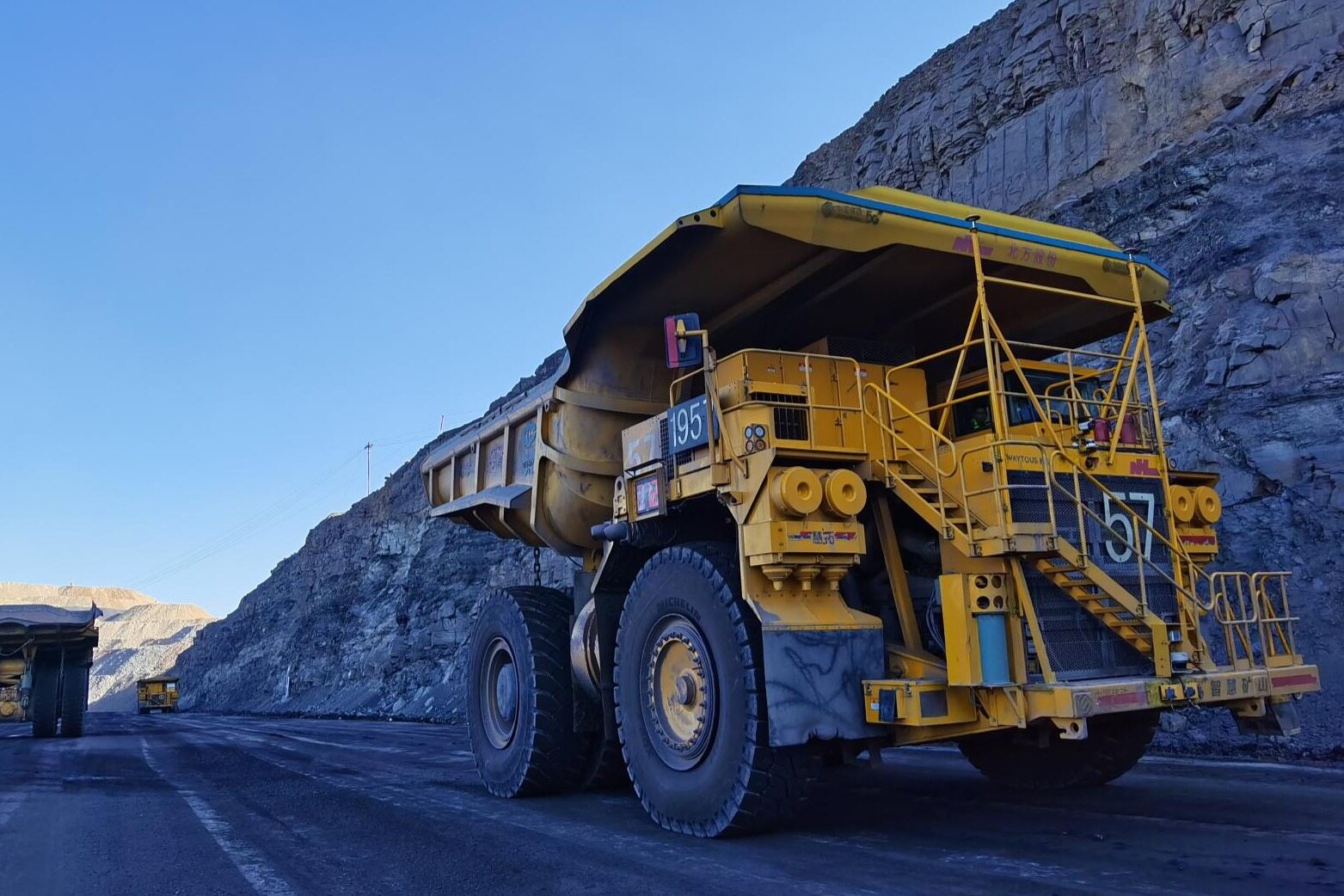
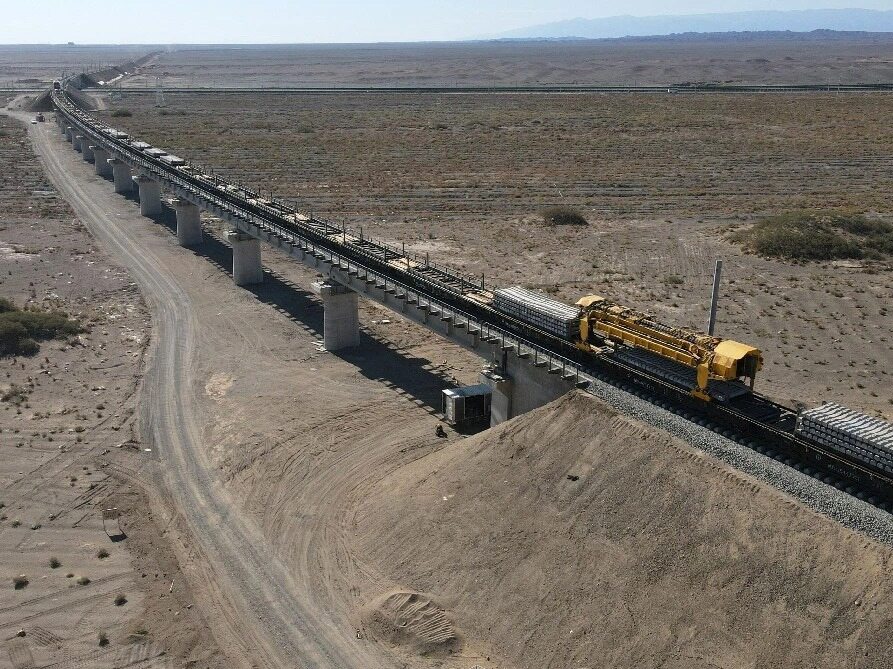
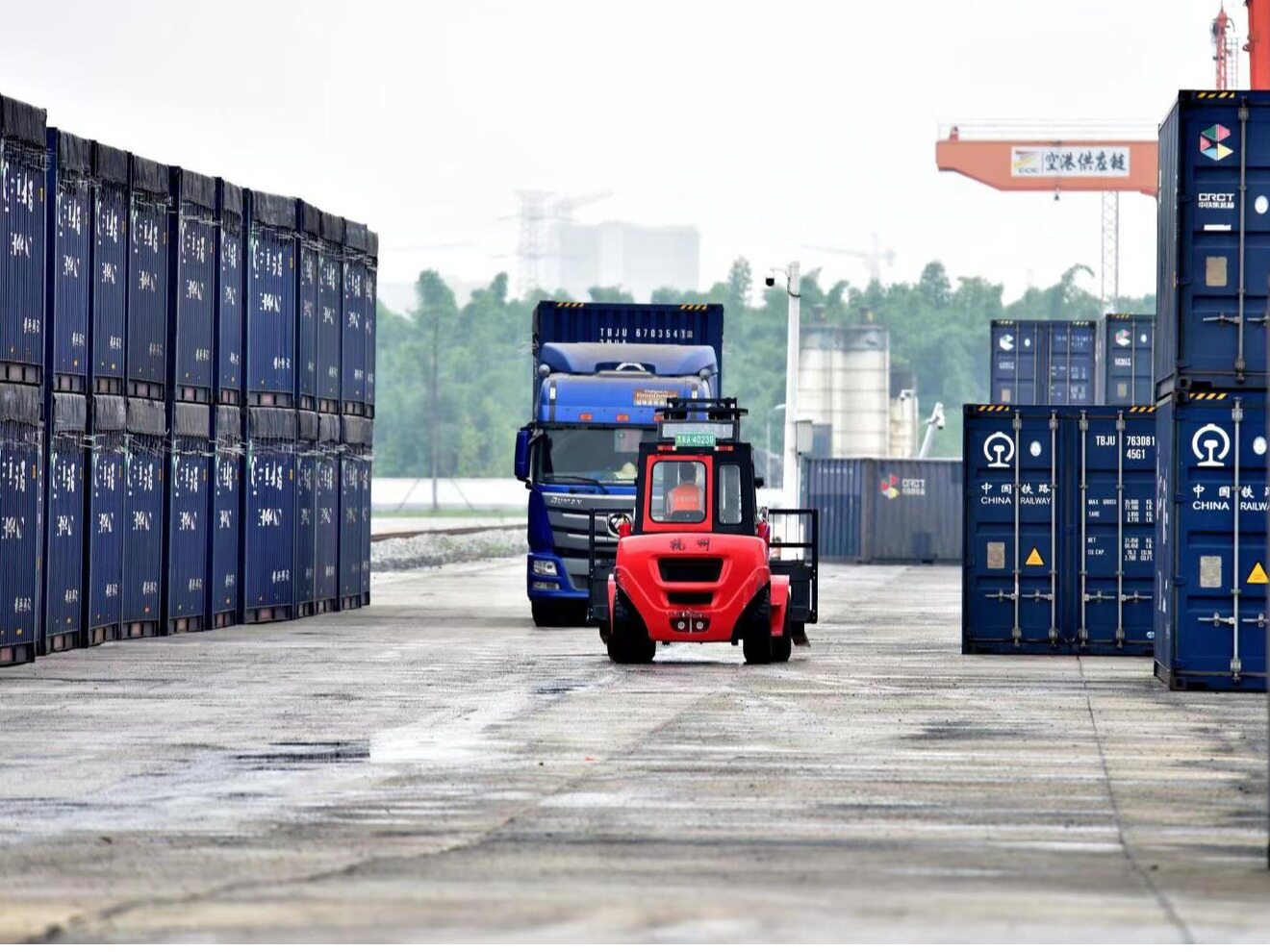
With the continuous recovery of the lithium chromium industry, the demand for mining export logistics in Zimbabwe has significantly increased. The local railway system has long-term insufficient investment, aging equipment, and declining capacity, making it difficult to match the surging demand for freight transportation. A large amount of mineral products can only rely on road transportation. To reverse this situation, the local government has launched a large-scale financing plan and comprehensively promoted the upgrading and renovation of railway infrastructure.
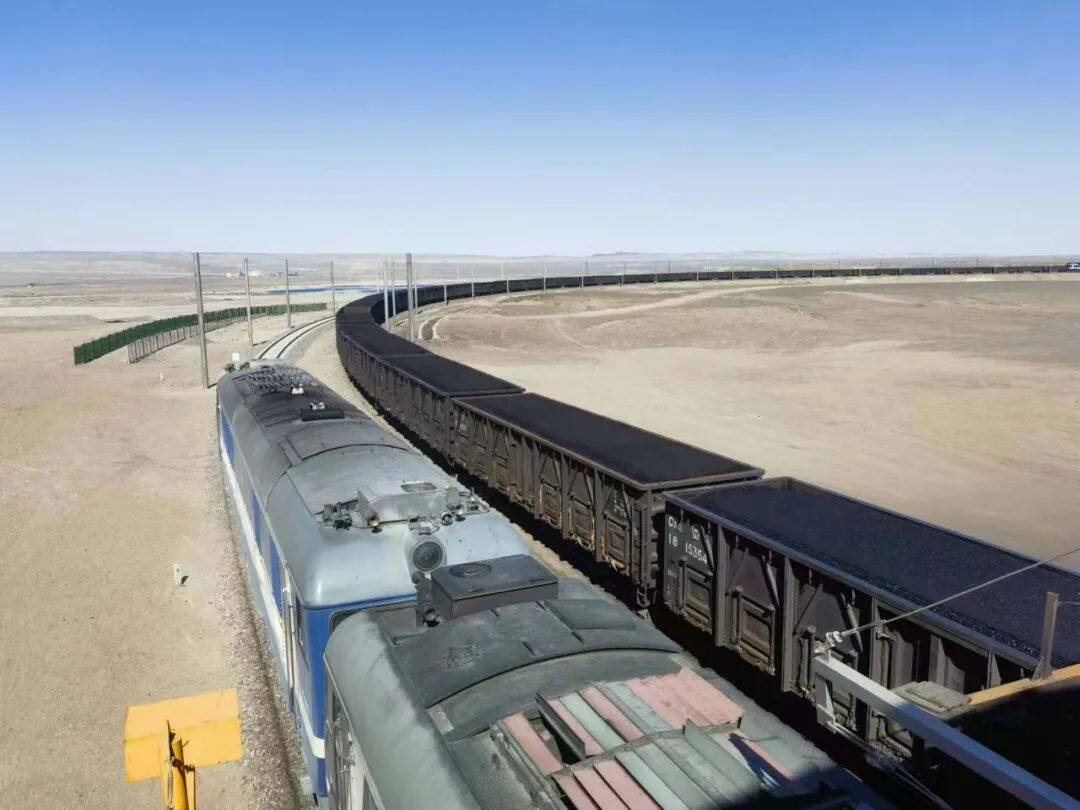
Capacity decline drives upgrade
On September 17, 2026, John Mangudia, the head of Zimbabwe's sovereign wealth fund, announced a new railway upgrade plan. The national railway company of the country is in talks with the African Export Import Bank for a $115 million financing, which will be used to purchase 10 locomotives and 315 freight cars, and to simultaneously repair old railway facilities. The railway freight capacity in Zimbabwe continues to decline, with annual freight volume dropping from a peak of 18 million tons to 12 million tons, far below the industry adaptation standard of 2 million tons by 2025. The shortage of old equipment is becoming increasingly prominent, seriously restricting the development of mining exports.
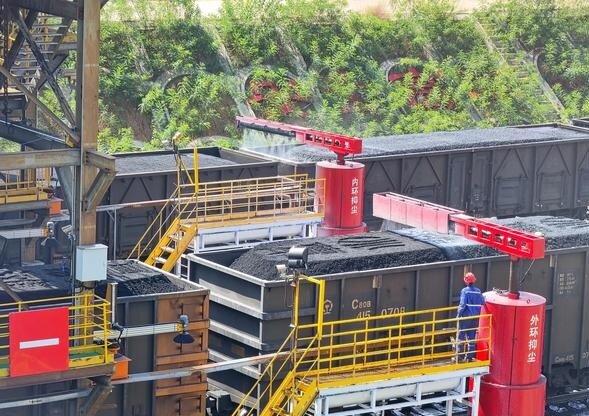
Lithium mines drive channel recovery
As the largest lithium producer in Africa, Zimbabwe's lithium mining capacity continues to expand, and it is expected that the export volume of lithium sulfate will reach 344000 tons by 2030. Since 2021, Chinese companies have invested approximately $2 billion in the local lithium industry. To meet export demand, a thousand kilometer cross-border railway line has been opened locally, linking multiple private logistics enterprises and opening up a direct sea route to Maputo Port in Mozambique. Keywords: Zimbabwe, railway upgrade
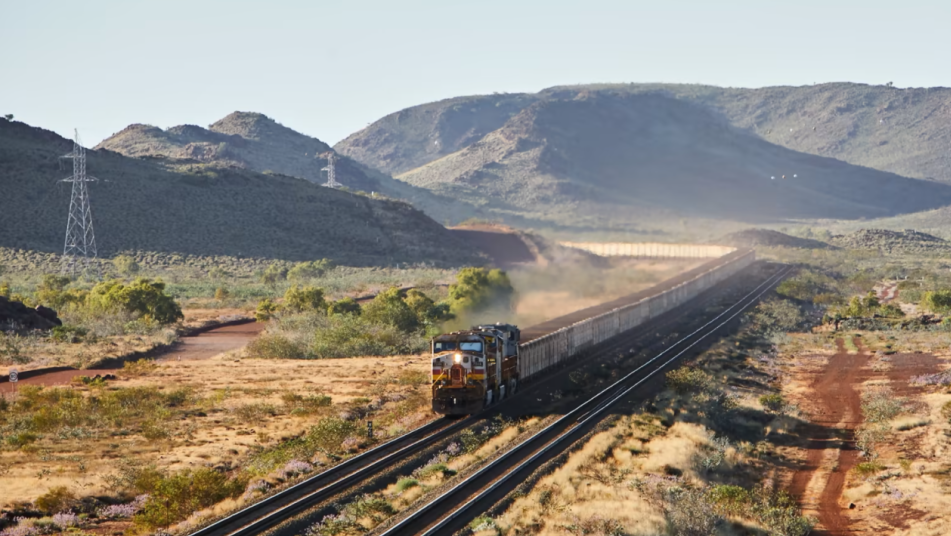
The local railway department actively deepens cooperation between government and enterprises, and has previously completed the refurbishment of 3 locomotives and 100 freight cars in collaboration with enterprises under China Steel Group. According to official estimates, the complete modernization of railways requires $600 million in funding, and this financing is only a phased upgrade measure. The local government has also introduced a five-year development strategy to promote the transfer of bulk freight from highways to railways, reduce road network losses, and continue to connect with foreign investment and open up private operations, fully activating the potential of railway freight and stabilizing the logistics chain of lithium ore exports.Editor/Min Jing
Comment


 Praise
 Collect
 Comment

 Share
Share


Write something~