 Search


- Addressing the shortcomings of high-speed passenger transportation in northern Xinjiang
- Relaxing and speeding up the transportation of coal from Xinjiang and the China Europe freight trains
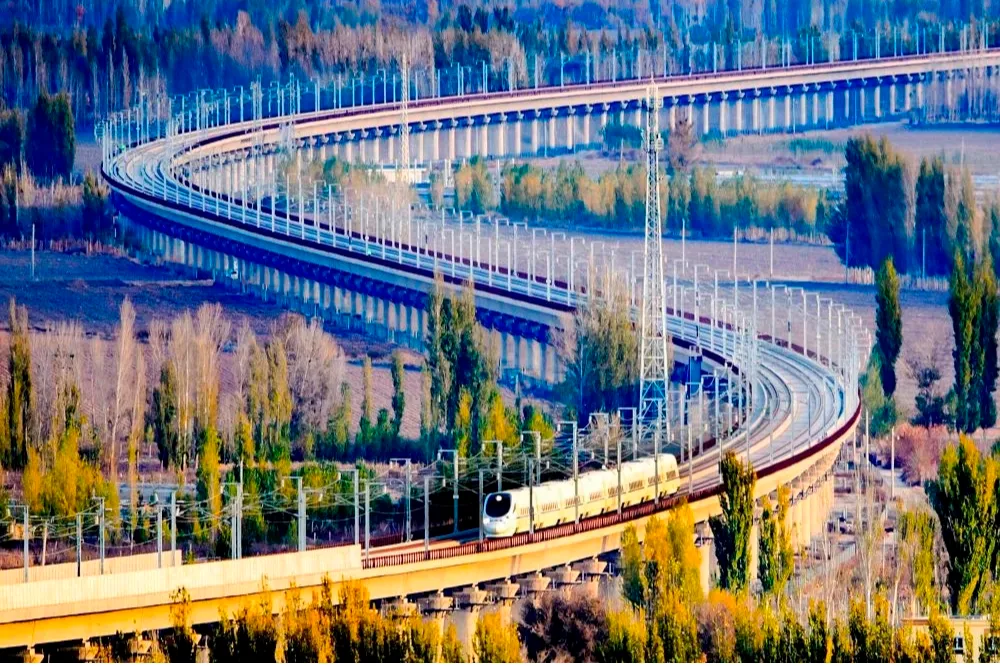
At 7 o'clock in the morning, the waiting hall of Urumqi Station had already become lively. Someone is repeatedly refreshing in front of the ticket machine, trying to grab an early train ticket to Shihezi; Someone is dragging their luggage to Kuitun and then transferring to Yili further west. A two-hour drive is not considered long, but on the northern slope of the Tianshan Mountains, which is the most densely populated and industrialized corridor, high-speed trains and coal trucks are crowded on the same Lanxin Railway, making it difficult for anyone to speed up.
This situation is being rewritten by a new line.
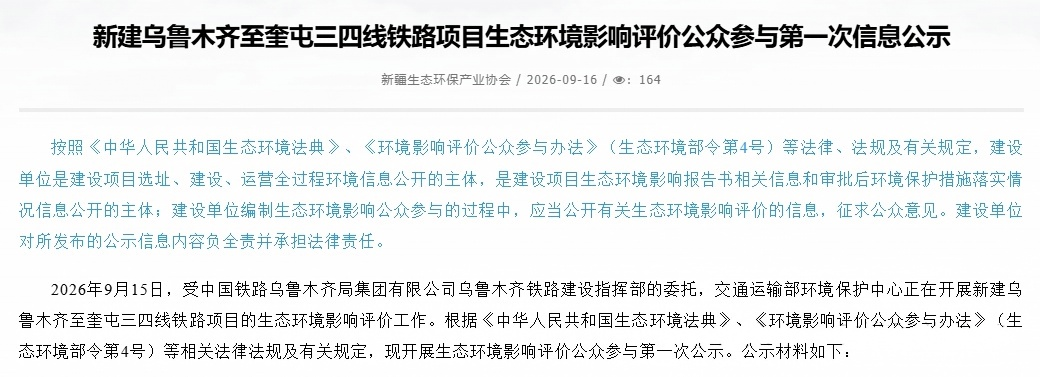
On September 16, 2026, the first public announcement of the ecological environment impact assessment of the newly built Urumqi Kuitun third and fourth line railway project was released. Entrusted by the Urumqi Railway Construction Command of China Railway Urumqi Group Co., Ltd., the Environmental Protection Center of the Ministry of Transport is carrying out environmental impact assessment work for the project. This means that the project is about to enter the stage of preparing an environmental impact assessment report, laying the foundation for preliminary design approval and official construction starting in 2027, with a planned construction period of 3.5 years.
The high-speed rail departs westward again
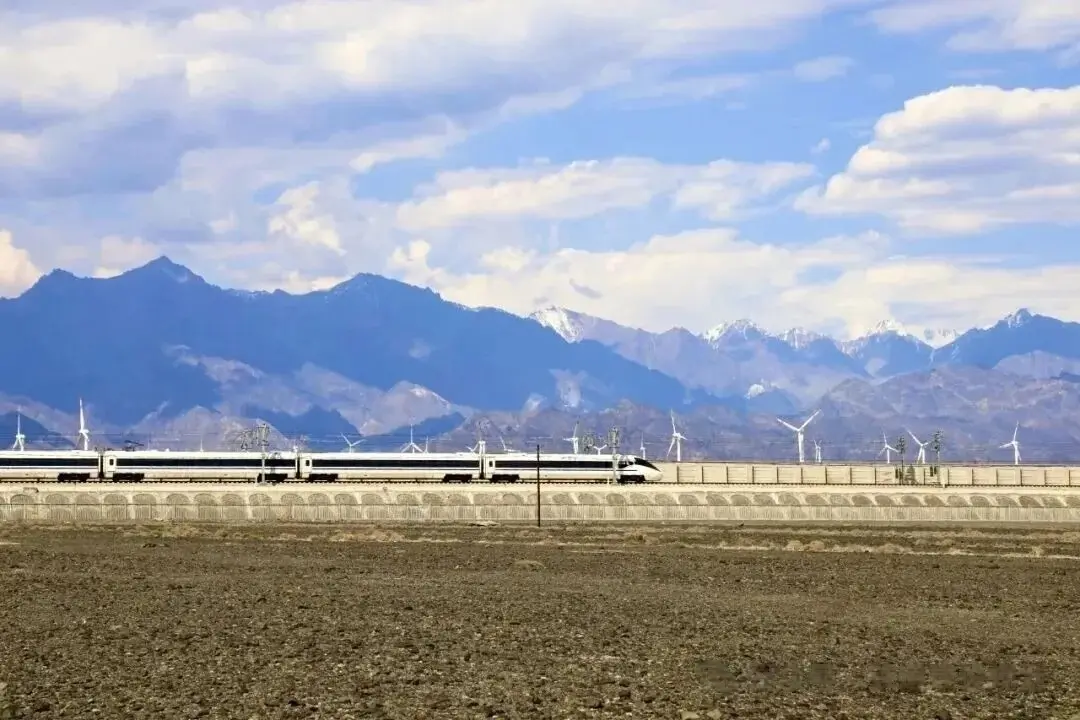
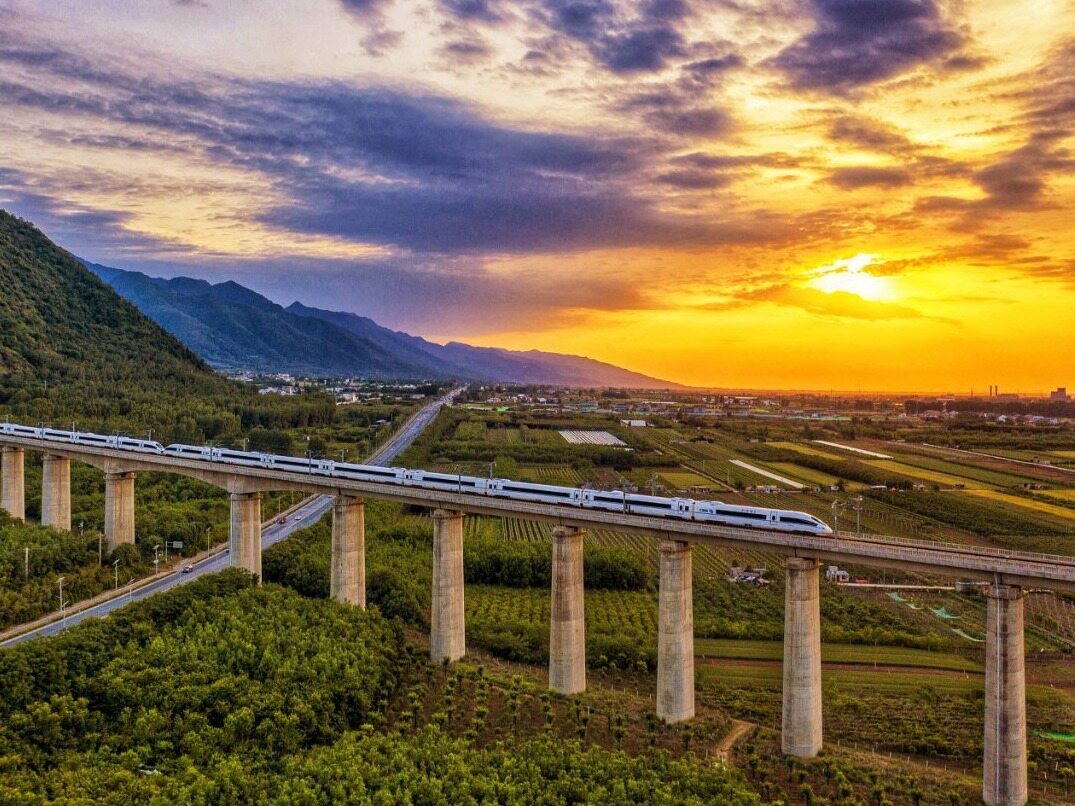
On December 26, 2014, the Lanzhou Xinjiang high-speed railway was opened, connecting Lanzhou and Urumqi. It has a total length of 1786 kilometers and a designed speed of 250 kilometers per hour, making it the world's longest high-speed railway built and opened to traffic in one go. In the following years, the westernmost point of China's high-speed railway stopped at Urumqi Station.
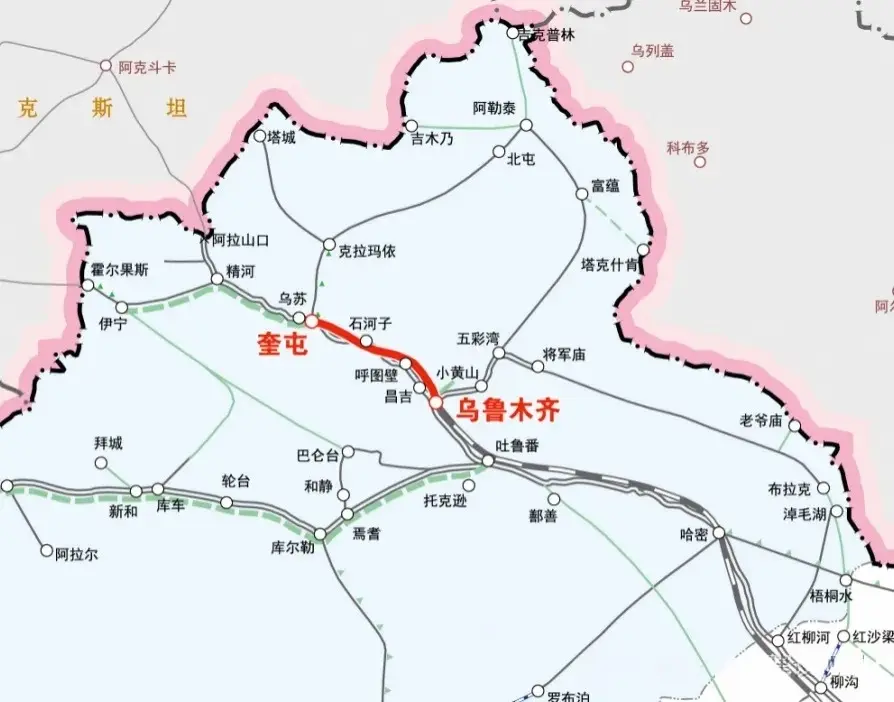
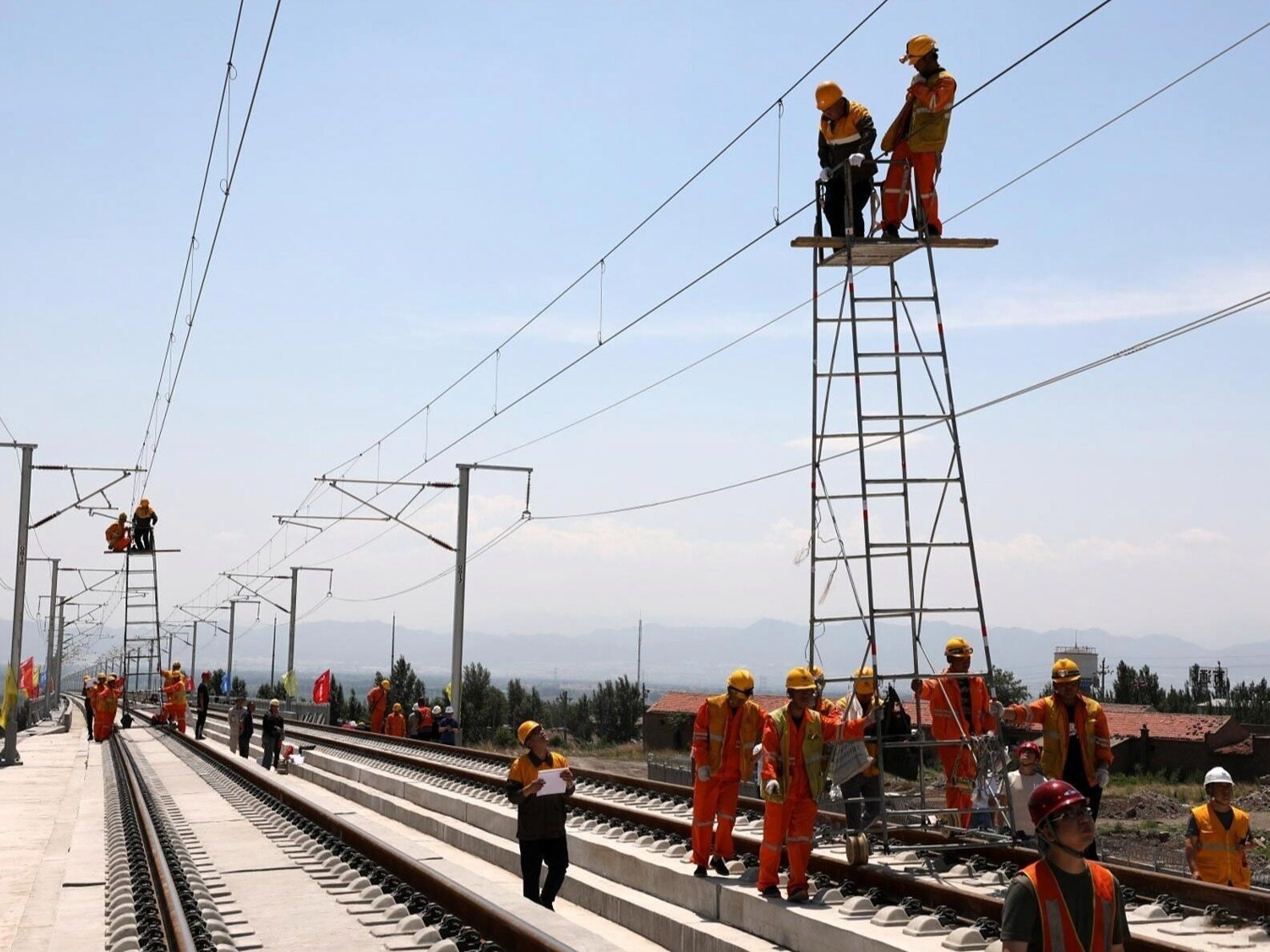
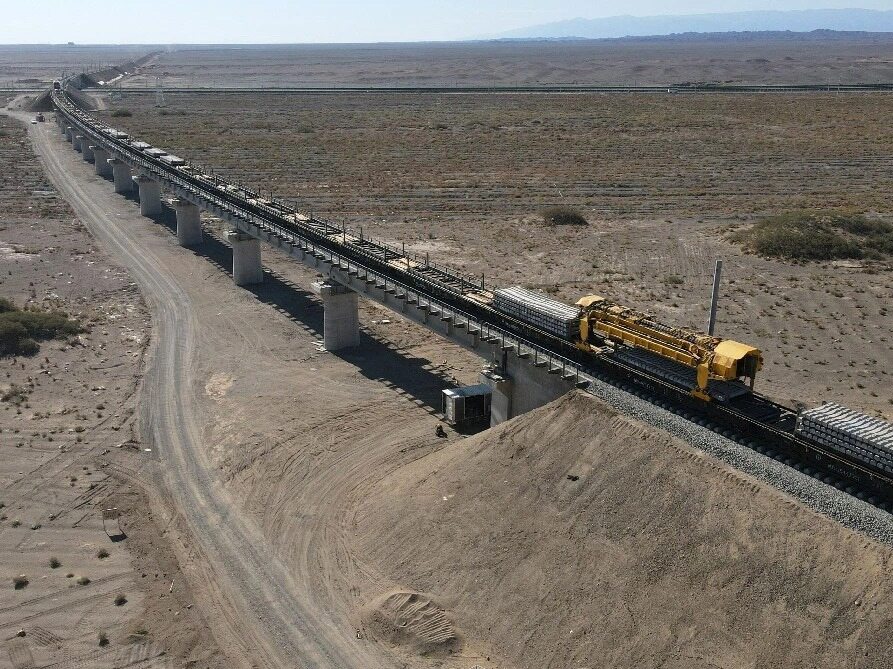
The third and fourth line project is the second high-speed railway project in Xinjiang, an extension of the Lanzhou Xinjiang high-speed railway towards Alashankou, and an important component of the Urumqi Yining high-speed railway in Xinjiang's medium and long-term railway planning. The route is located within the Xinjiang Uygur Autonomous Region and runs in an east-west direction. It starts from Urumqi City in the east, passes through the 12th Division, Changji City, Hutubi County, Manas County, Shihezi City of the 8th Division, Shawan City along the Lanxin Corridor in the west, and finally connects with the Lanxin Railway in Kuitun City. The newly built main line has a total length of 224.6 kilometers, supporting the Urumqi hub and the Kuitun area connecting line and related projects, with a length of 65.88 kilometers.
The progress of the project is clearly visible: the survey and design work will be launched in July 2024 and officially put on the construction agenda; The feasibility study report for September 2025 has been reviewed by China Railway Group; In November 2025, the environmental impact assessment report and the bidding for the preparation of soil and water conservation plans will be released, and the preliminary design prerequisite preparation work will be initiated.
Old Lanxin Line unloads its burden
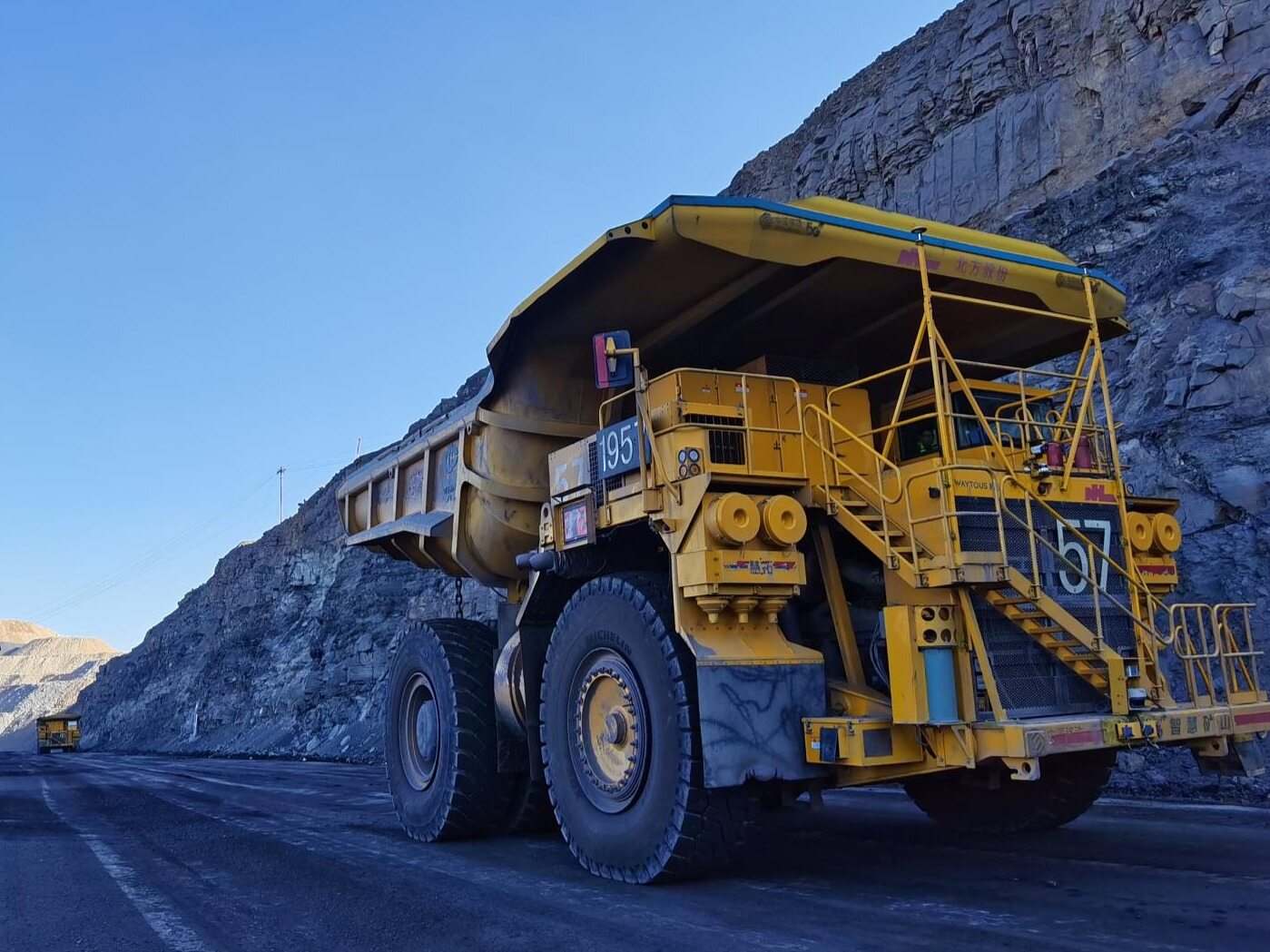
The current situation is that the western section of the Lanxin Railway from Urumqi is mixed with passenger and freight trains, causing mutual interference and prominent bottlenecks in freight transportation. The economic belt on the northern slope of the Tianshan Mountains concentrates about 42% of the population and 48% of the total economic output in Xinjiang, while the existing transportation capacity of the Lanxin Railway is about 100 million tons, approaching saturation. At the same time, the export volume of coal from Xinjiang has been increasing year by year, exceeding 140 million tons by 2024, and the practical need for channel expansion is becoming increasingly urgent.
After the completion of the new line, all passenger transportation will be transferred to the third and fourth lines, and the old Lanxin line will shift to mainly freight transportation, which can release more than 40% of the freight capacity and significantly improve the transportation capacity of coal, minerals, and bulk commodities in Xinjiang; At the same time, improve the efficiency of China Europe freight trains, increase the number of train services, and strengthen the westward opening of land bridge channels. The project has been included in the implementation plan for the layout and construction of the Xinjiang coal transportation railway channel issued by the National Development and Reform Commission, and has been basically determined to be included in the national 15th Five Year Railway Development Plan.
The one hour living circle has arrived
For residents along the route, the most intuitive changes are written on the timetable. At present, the length of the Urumqi Kuitun railway is 232 kilometers, and the existing high-speed trains on the Lanxin railway take about 2 hours at the fastest; After the opening of the third and fourth line projects, the entire journey will be shortened to about 1 hour. The commuting, business, and tourist flows between Urumqi, Changji, Shihezi, and Kuitun will be connected by the same high-speed line.
This is a high-speed railway that mainly undertakes the urban agglomeration on the northern slope of Tianshan Mountains and intercity passenger flow within Xinjiang, while also taking into account inter regional medium and long-distance passenger flow. It complements the short board of high-speed passenger transport in northern Xinjiang, reserves the channel foundation for the follow-up high-speed railway in Wuying and Khorgos, improves the main skeleton of high-speed railway in the Northwest Land Bridge, and serves the construction of the core area of the Silk Road Economic Belt.keywords:Engineering infrastructure
From Urumqi to Kuitun, and then to Yining and Khorgos under planning, this high-speed railway extending westward is connecting section by section. The urban agglomeration on the northern slope of the Tianshan Mountains is waiting for a path that allows people to walk faster and goods to move more smoothly.Editor/Yang Meiling
Comment

 Praise
 Collect
 Comment

 Share
Share


Write something~