 Search


- This 4500 kilometer high-speed rail network will compress the journey between the two cities from 4 hours to 2 hours and 15 minutes
- Rewrite the European transportation map, unleash the potential of freight transportation, and reshape the mobility of 30 million people along the route
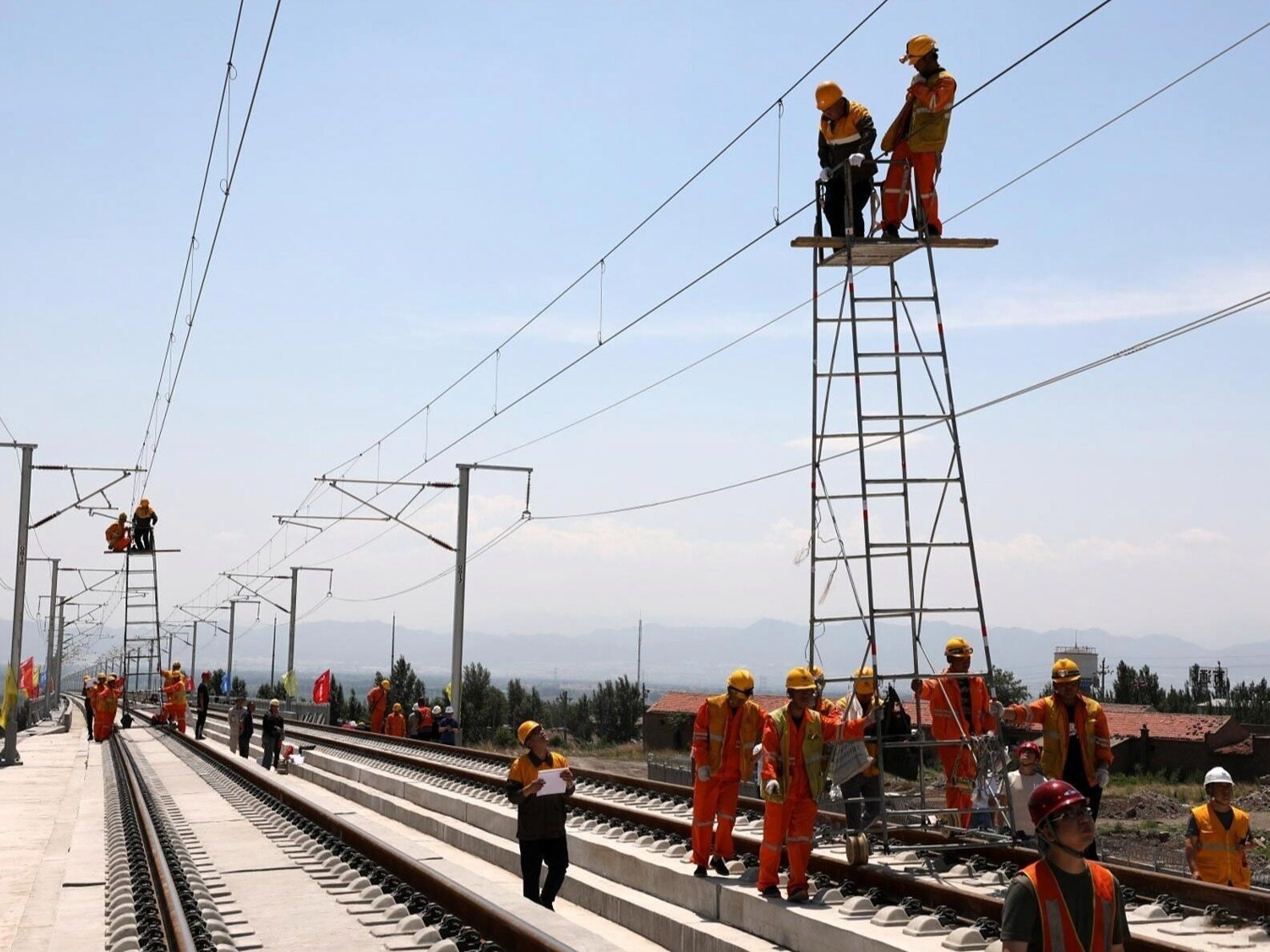
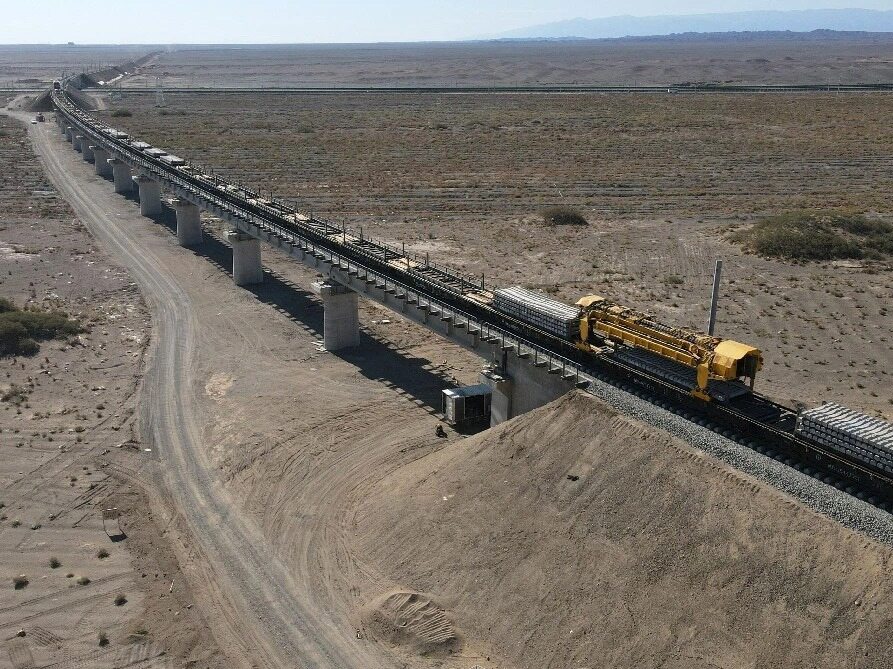
More than half a century ago, this line appeared on the blueprint. In the late 1960s, the idea of building a dedicated railway for high-speed trains was first proposed; In 1992, a joint-stock company was established for the Moscow to St. Petersburg project, originally planned to be completed in 2000, but ultimately fell through in 1998. The real breakthrough will not happen until March 14, 2024. Now, a test section of about 129.5 kilometers between Moscow Oblast and Tver Oblast has been constructed, and the first batch of speed data for Russia's new generation high-speed trains will be run here.
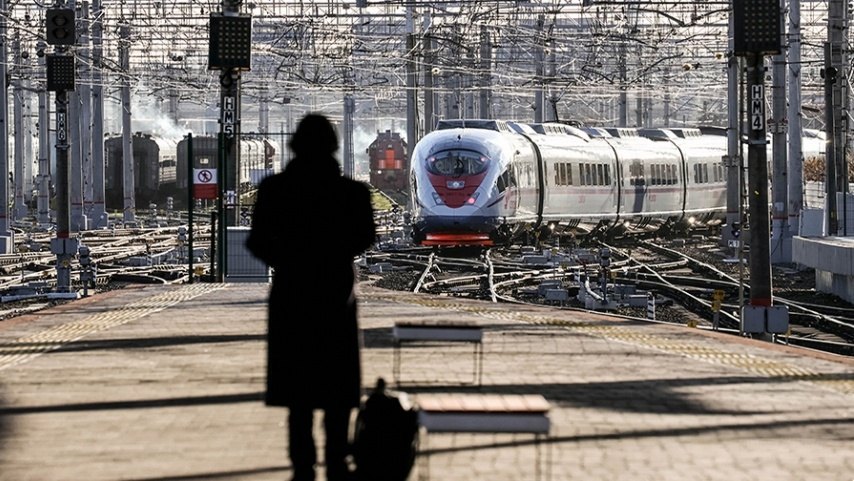
The leap from zero to one
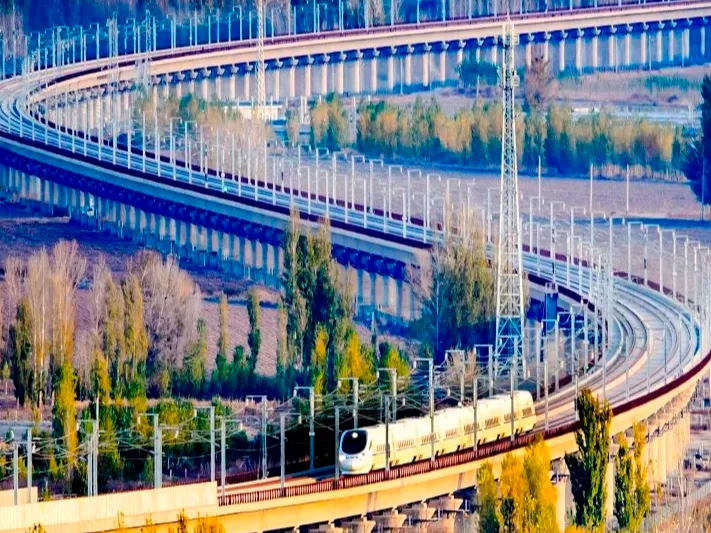
Moscow to St. Petersburg is Russia's first high-speed railway, with a total length of 679 kilometers, passing through six regions including Moscow, St. Petersburg, Leningrad Oblast, Novgorod Oblast, Tver Oblast, and Moscow Oblast, covering a population of approximately 30 million. The maximum design speed of the line is 400 kilometers per hour, with an operating speed of 360 kilometers per hour. It adopts a 1520mm wide gauge and will become the fastest wide gauge railway in the world after completion. The entire line has 14 stations, and after opening, the travel time between the two places will be shortened from the fastest about 4 hours to 2 hours and 15 minutes, which is less than half of the current fastest trains such as Peregrine and Swallow, with a departure interval of 10 to 15 minutes. The project will be promoted through public-private partnership and franchising, and will be constructed by Shuangcheng High speed Railway Company with funding from the National Welfare Fund, syndicated loans, and private capital. It will be put into operation in 2028.
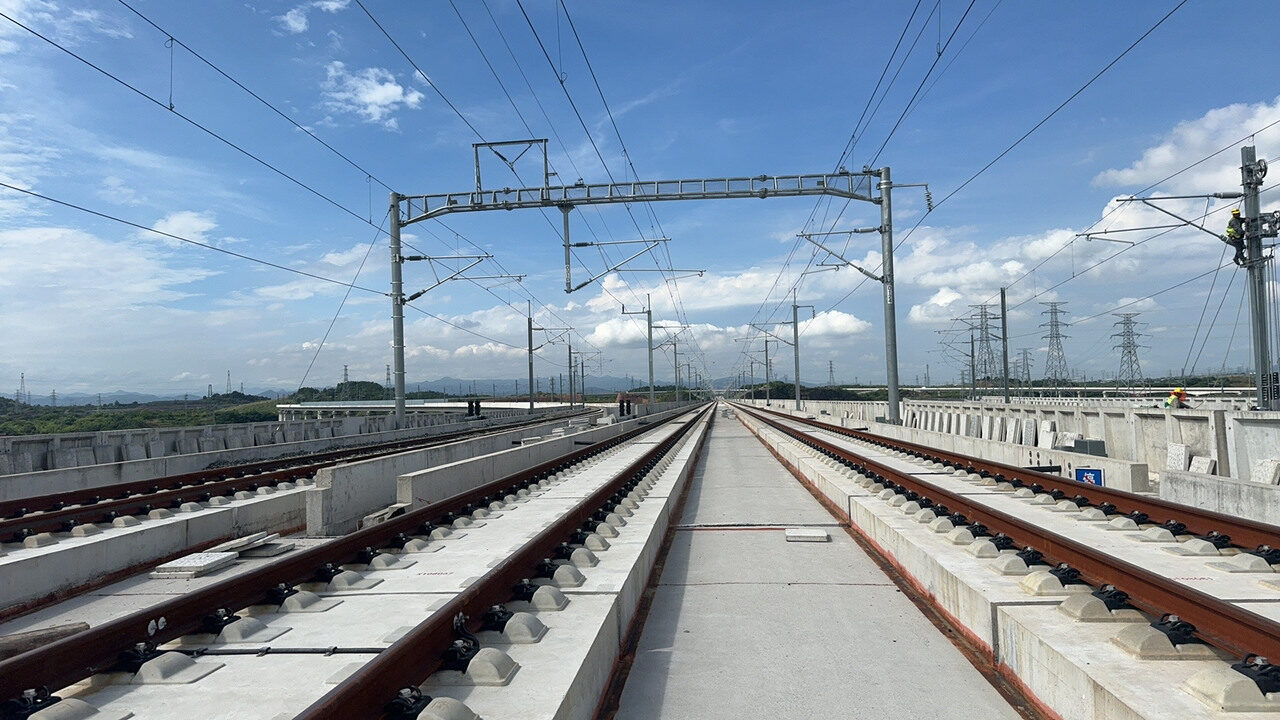
How to Spread the Five Lines
In addition to the first line, preliminary evaluations for the other four have already been initiated. Deputy Prime Minister Savilev stated that he will report on the specific parameters of the remaining four projects in March next year, and many aspects are already clear. These five lines are Moscow to St. Petersburg, Moscow to Minsk, Moscow via Kazan to Yekaterinburg, Moscow to Adler, and Moscow to Ryazan. According to the Russian railway plan, the Yekaterinburg line will be the second implementation project, followed by Adler, Minsk, and Liangzan. By 2050, the total length of the five lines will exceed 4500 kilometers, surpassing Spain's network size of approximately 3970 kilometers. All plans will be refined and submitted to national leaders for decision-making within six months.
The ledger behind passenger flow
According to calculations, the total annual passenger flow of the five lines will reach 77 million, including 23 million on the Moscow to St. Petersburg line and a total of 54 million on the remaining four lines. Russian Railways predicts that by 2030, the passenger flow between the two cities will increase to 23 million people per year. The entire network requires approximately 350 high-speed trains, with the first batch of trains developed by Ural Locomotive Company as 8-car models. The traction motors, inverters, and control systems are all based on the local supply chain, with over 100 Russian component manufacturers participating in cooperation. The plan is to roll them out and complete certification by 2027.keywords:Engineering infrastructure
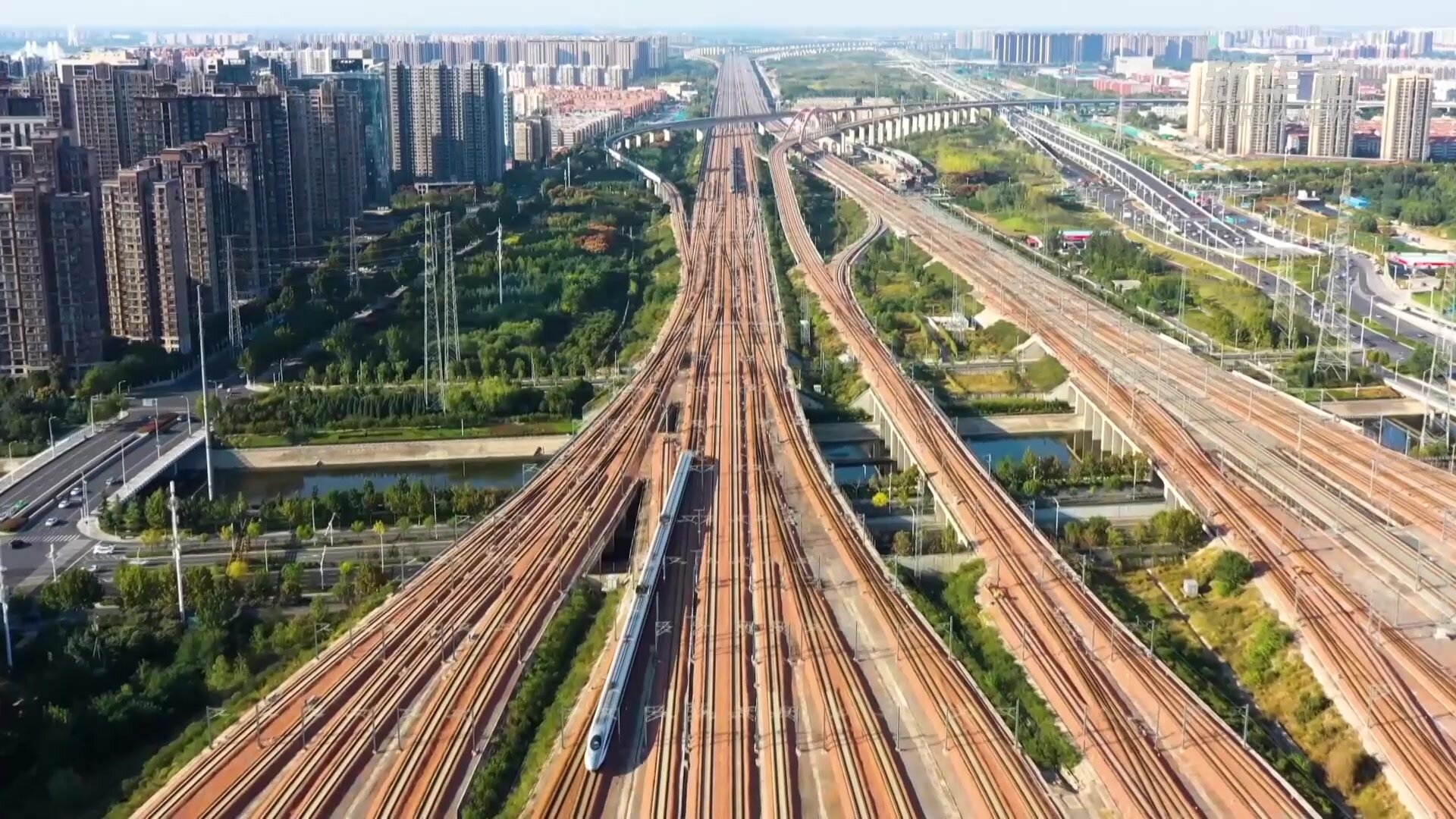
The value goes beyond passenger transportation. After the completion of the dedicated line, the existing railway capacity from Moscow to St. Petersburg will be freed up for freight transportation, and the annual freight volume between the two cities is expected to increase by 30 million tons to 74 million tons, while easing airport pressure and driving tourism and commerce along the line. The localization of components in a sanctioned environment, as well as the design of the vehicle body and snow removal in high latitude and severe cold conditions, are all the hurdles that this network must overcome. After half a century of waiting, Russia is laying the lines on the blueprint inch by inch into reality.Editor/Yang Meiling
Comment

 Praise
 Collect
 Comment

 Share
Share


Write something~