 Search


- Cracking the bottleneck of space power supply and heat dissipation through productized delivery
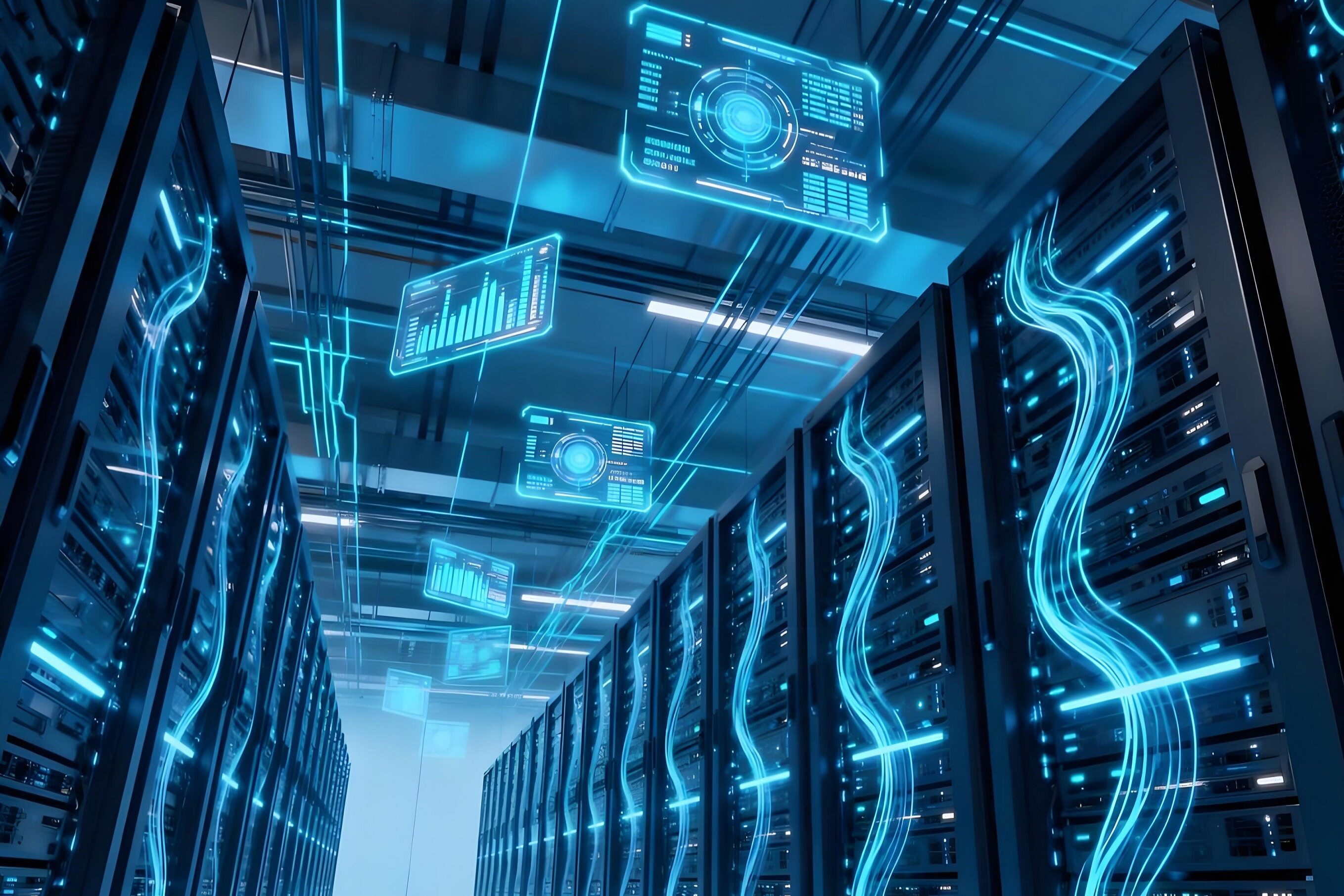
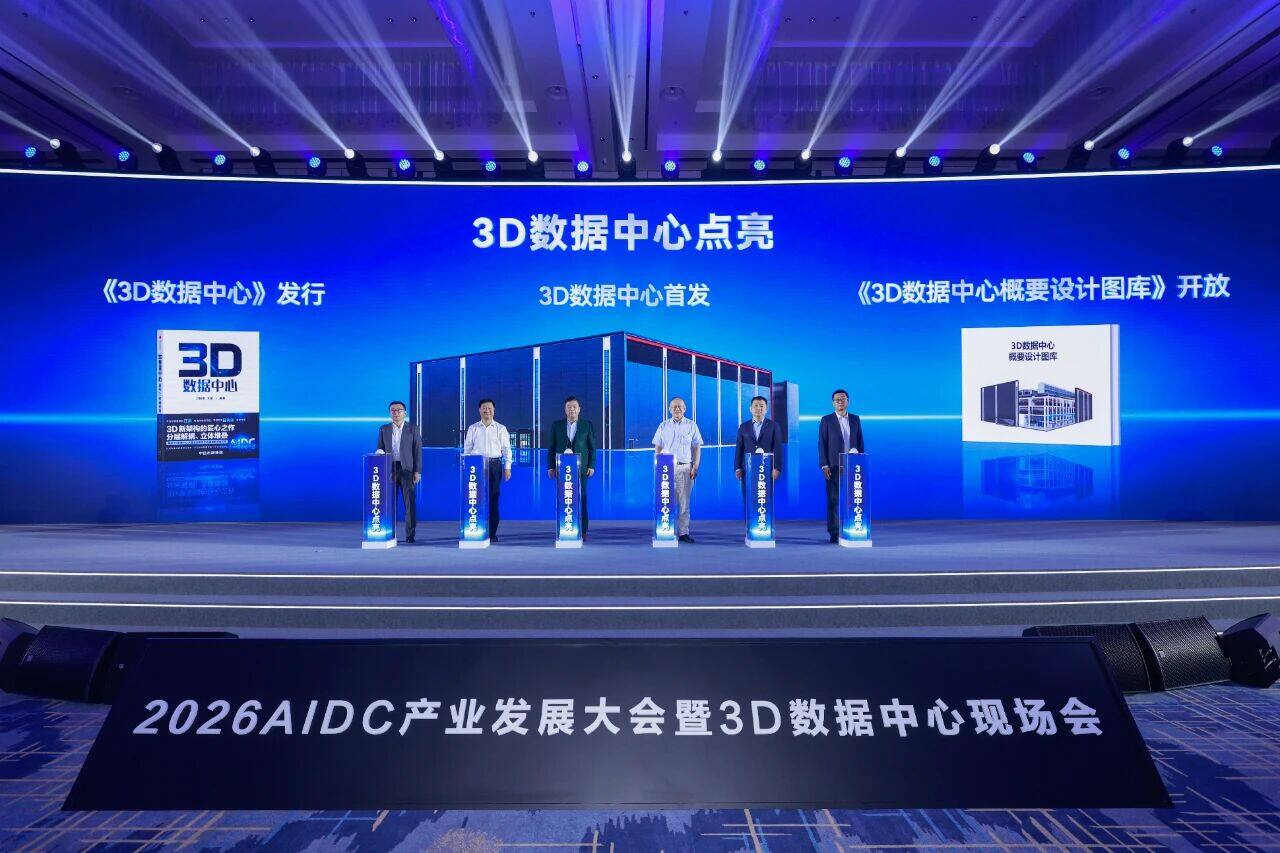
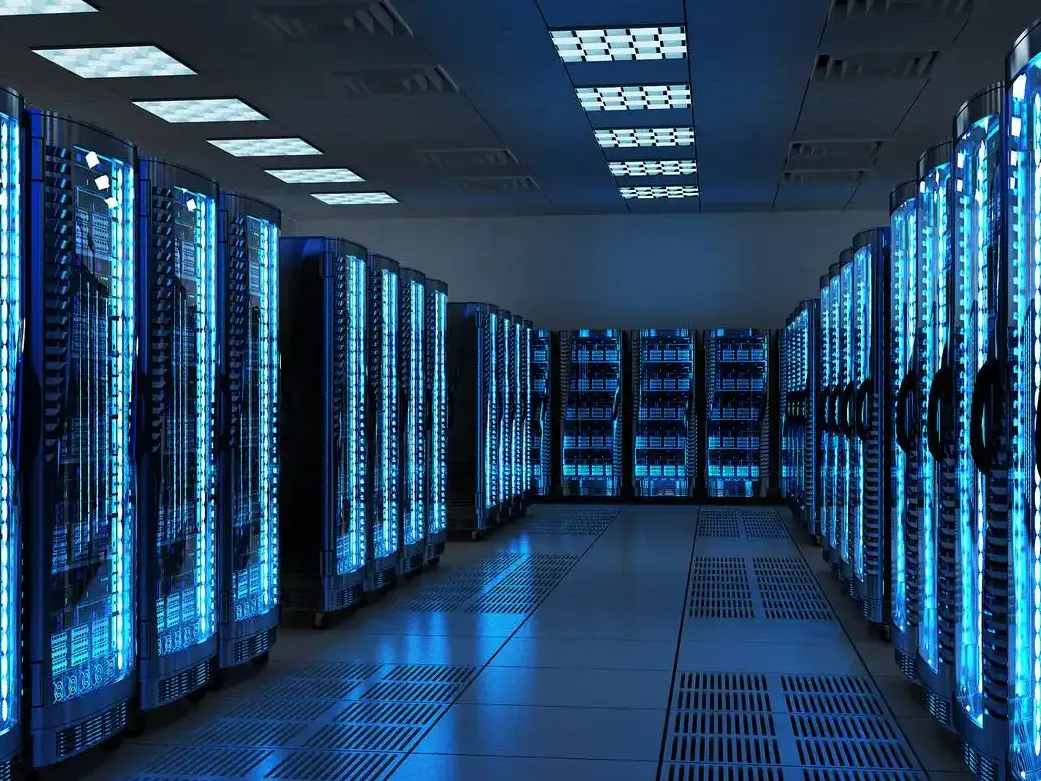
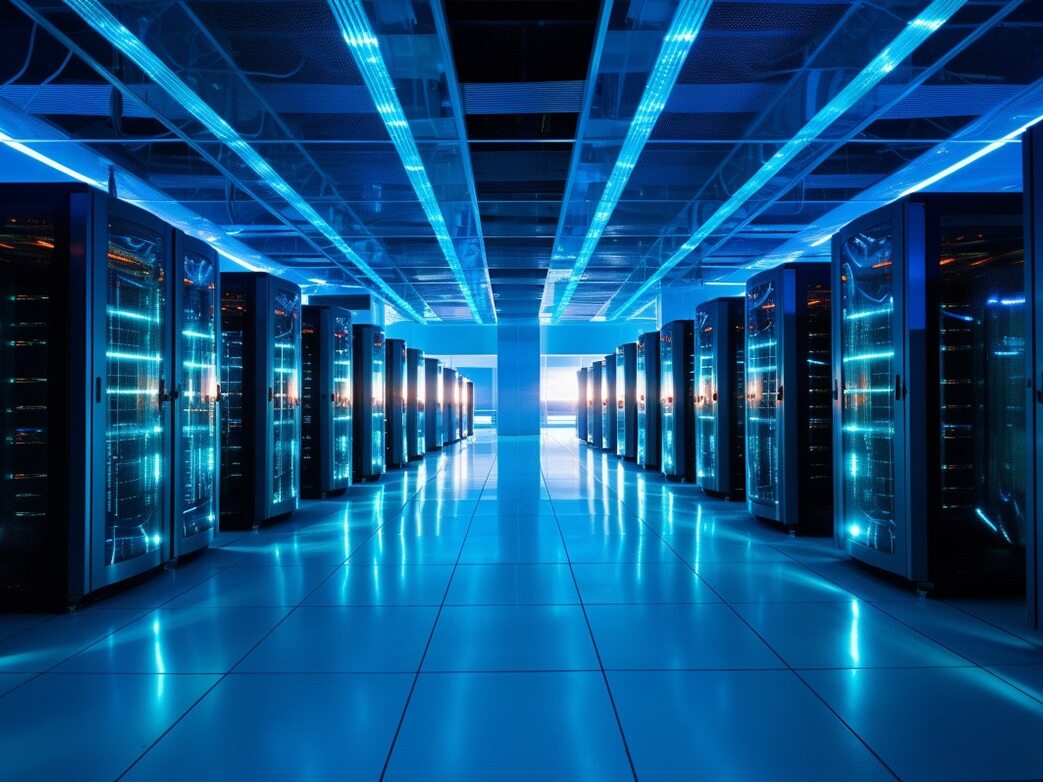
On September 22, 2026, Huawei released the world's first 3D data center, reshaping the AIDC infrastructure architecture with engineering innovation, replacing flat deployment with three-dimensional stacking, decoupling cooling, power supply, backup power, and IT equipment layers, promoting the transformation of AIDC construction from customized engineering to productized delivery, and providing a new path to solve the three major bottlenecks of space, power supply, and heat dissipation in the era of AI computing power. How to build data centers for AI clusters moving towards 100000 cards? When the power consumption of a single cabinet increases from a few kilowatts to 100 kilowatts or even 200 kilowatts, and when the scale of AI clusters shifts from tens of thousands of cards to tens of thousands of cards, traditional 2D layouts are no longer able to support the deployment needs of high-density computing power, leading to the emergence of 3D data centers.
Four layer architecture supports high-density deployment
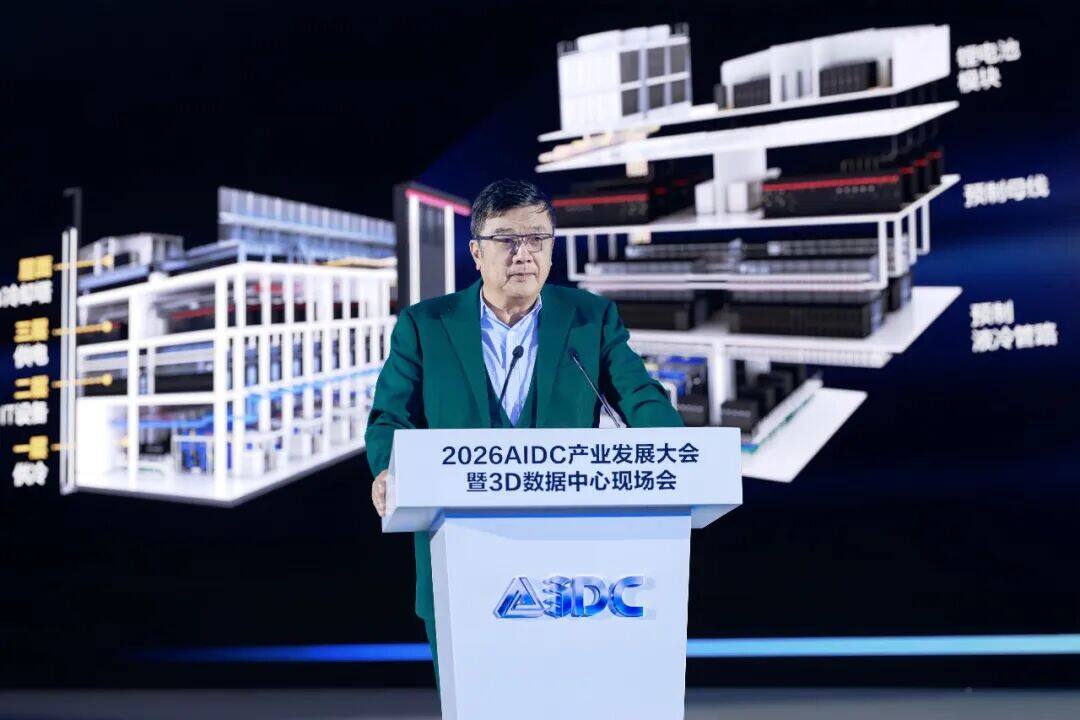
The 3D data center draws on the concept of strict separation between the power layer and IT layer in chip factories, and through layered decoupling and three-dimensional stacking, vertically stacks various functional spaces of traditional horizontal deployment, forming a vertical architecture with one layer for cooling, two layers for IT equipment, three layers for power supply, and roof backup power. On the first cooling layer, the thermal management controller TMU serves as the central brain of the liquid cooling system, relying on AI technology to achieve leak detection and 7-day early warning of the health of the working fluid, transforming passive maintenance into predictive maintenance. The second layer of IT equipment, liquid cooled cabinets, and high-speed switching networks are centrally deployed, with the high-speed switching network located as close as possible to the geometric center of the cluster to shorten the connection distance between computing nodes. The three-layer power supply layer adopts an integrated hyper fusion design for the power module. The vertical power supply shortens the distance between the power module and the cabinet from 17 meters to 5 meters, and increases the IT power supply capacity from 76 megawatts to 168 megawatts under the same volume. The roof backup layer, SmartLi intelligent lithium battery system adopts independent compartment deployment, equipped with Pack level and room level two-level fire extinguishing, as well as exhaust, drainage and explosion relief measures, effectively ensuring the safe operation of the data center.
Mechanical and electrical prefabrication rate exceeds 90%
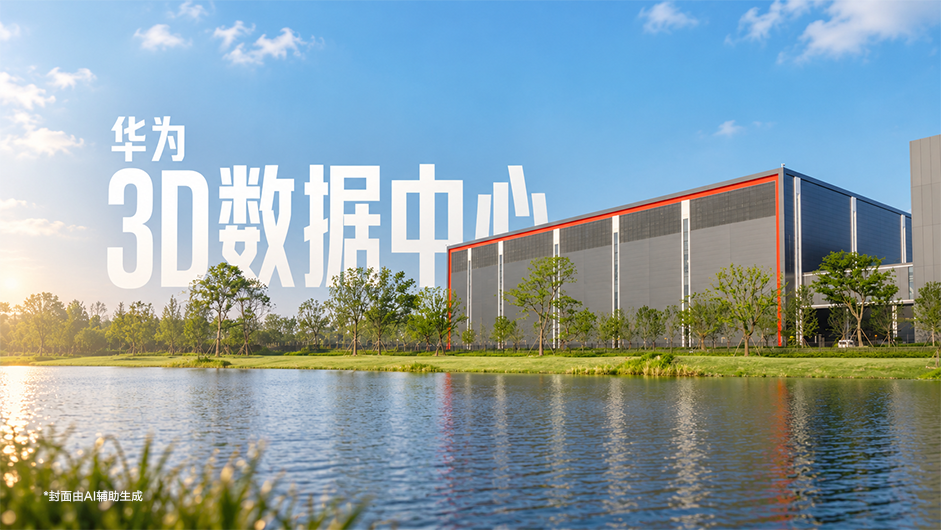
The four layer architecture solves the problem of cooling IT、 How to deploy and connect power supply and backup systems, and the productization of POD further solves the problem of how to quickly deliver and flexibly expand these systems. The 3D data center uses POD as the smallest unit that can operate independently, and standardizes the core electromechanical systems such as power supply and cooling into standardized modules. Production, assembly, and testing are completed in the factory, and on-site assembly and connection are mainly carried out. The steel structure main building of Huawei's 3D data center will be completed in about 6 months, and the mechanical and electrical POD inside the building will be deployed according to actual needs. The prefabrication rate of large and small mechanical and electrical components exceeds 90%, and the delivery time of mechanical and electrical components will be shortened from about 6 months in traditional solutions to 3 months. In addition to delivery speed, layered architecture and POD design can better control the scope of fault impact. Power supply, cooling, backup power, and IT equipment are isolated in layers, and different functional units are relatively independent. When a single POD fails, it will not spread to other units, achieving the minimization of fault domain. Keywords: high-tech news and information, computing power, data center
Operations shift from passive to active
In terms of operation and maintenance, after hierarchical decoupling, devices can be managed separately by corresponding teams, which can reduce mutual interference between different teams and lower the risk of misoperation. Huawei also uses AI for device status and operational behavior recognition. For example, AI can be used to identify risks such as dirty and clogged liquid cooled cold plates and deteriorating working fluids in advance, and monitor abnormal behavior during on-site operations, gradually shifting operations from passive response to early identification and proactive prevention. As a result, the 3D data center has formed two collaborative engineering paths: a four layer architecture supporting high-density deployment of computing power and elastic evolution, and POD productization achieving high-quality and fast delivery. Huawei has also released a monograph book on "3D Data Centers", opened up the "3D Data Center Overview Design Library", and participated in AIDC evaluation indicators, reference architecture, and benchmark verification. As these design and engineering experiences are opened up to the industry, the construction practice of 3D data centers will provide a new and referenceable idea for the industry, driving the industry to achieve intergenerational transition.Editor/Gao Xue
Comment

 Praise
 Collect
 Comment

 Share
Share


Write something~