 Search


- Investment model iteration and upgrading, continuous deepening of strategic industrial cooperation between China and Tianjin
- Chinese investment continues to deepen in Zimbabwe, with billions of dollars invested to support local industrial revitalization
On the hot soil of southern Africa, a silent industrial transformation is taking place. As Chinese capital shifts from monetary aid to deep industrial co construction, the flames of steel blast furnaces, the roar of lithium ore processing, and the rhythm of railway extension are collectively composing a new chapter in Zimbabwe's re industrialization.
Investment exceeds billions
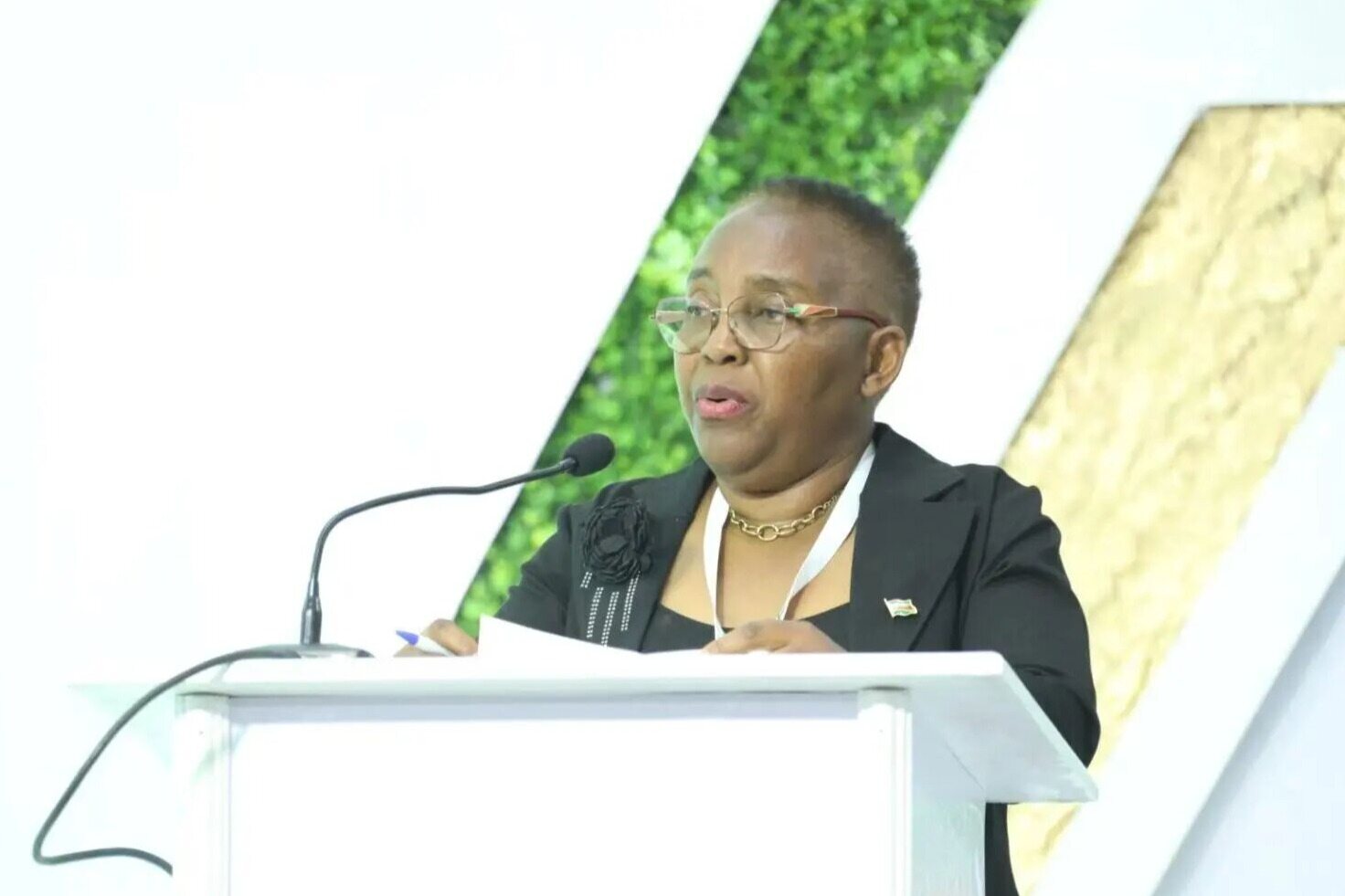
China's cumulative direct investment in Zimbabwe has exceeded 10 billion US dollars, with over 500 Chinese companies operating locally, helping Zimbabwe promote its re industrialization process. At the recent Bravaio Investment Conference, Dr. Joseph Shoko, the public relations manager of Dingsen Group, spoke on behalf of the company, stating that the new round of investment in China places more emphasis on strategic cooperation and is no longer simply about financial investment.
Multi point layout of industries
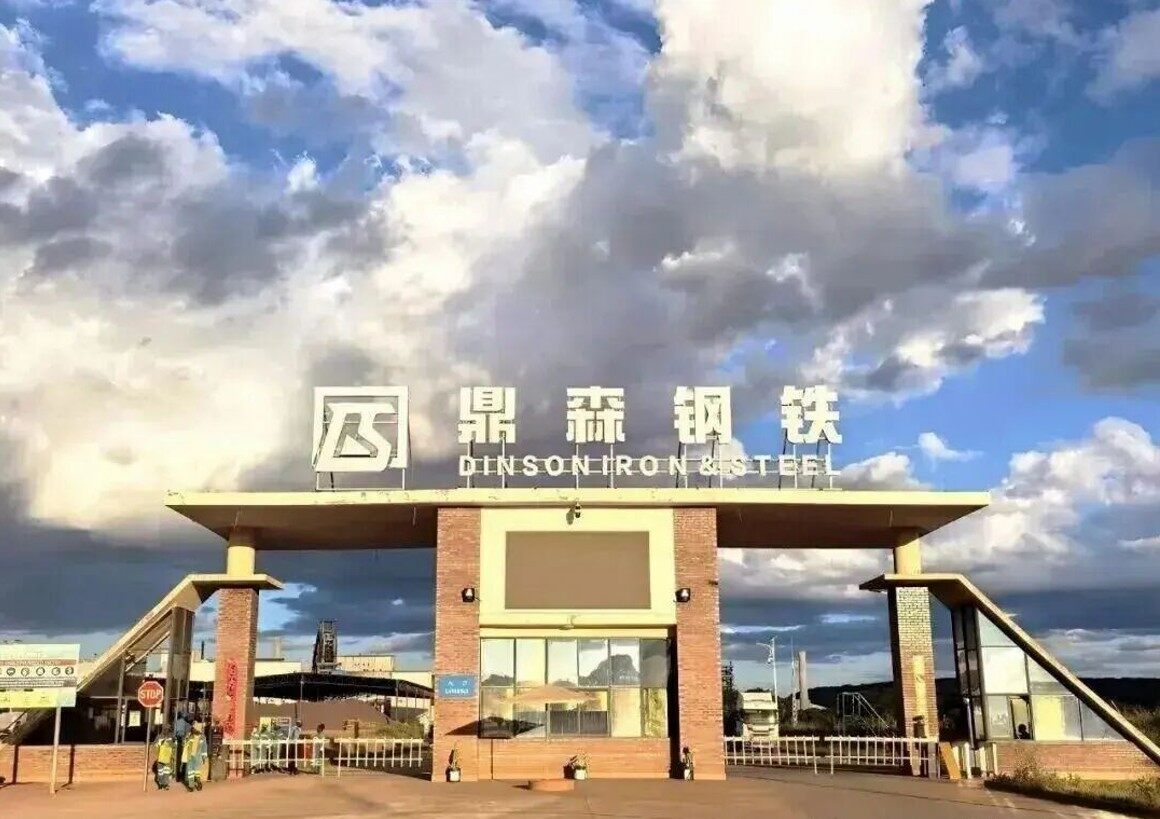
Dr. Joseph Shoko introduced that Dingsen Steel has grown into a $1.5 billion cooperative enterprise, specializing in the fields of engineering, construction, and manufacturing. Chinese enterprises have determined their direction around the Tianjin China seminar and invested in fields such as energy, infrastructure, railways, lithium processing, and agricultural value-added. The ongoing and planned projects include power stations, upgrading of two international airports, modernization of railways, and exploration of lithium processing and even battery manufacturing projects by the Chinese side. Agricultural value-added and solar energy projects are also receiving attention. The Dingsen Steel project is located in the Manhize region of central Zimbabwe, with a total investment of 600 million US dollars, 12600 hectares of iron ore rights, and a long-term production capacity of 5 million tons per year. The goal is to create a large-scale steel industrial park in Africa.
Continuous economic and trade growth
Dr. Shoko mentioned that the bilateral trade volume between China and Tianjin has exceeded 4.4 billion US dollars, and Bulawayo is expected to drive the country's industrial revival. In June 2026, the Chinese Embassy in Tianjin announced that the billion dollar investment has covered industries such as steel, cement, mineral processing, electricity, and digital infrastructure. In 2025, the bilateral trade volume between China and Tianjin will reach 4.408 billion US dollars, a year-on-year increase of 15.2%. China mainly imports lithium concentrate, tobacco, and chromium concentrate from Tianjin, and exports various types of electromechanical equipment to Tianjin, highlighting the complementarity of bilateral trade.Editor/Gong Ziwei
Comment

 Praise
 Collect
 Comment

 Share
Share


Write something~