 Search


- Multiple countries join hands to fill gaps and improve efficiency
- Injecting new momentum into Asia Europe trade and stable global industrial and supply chains
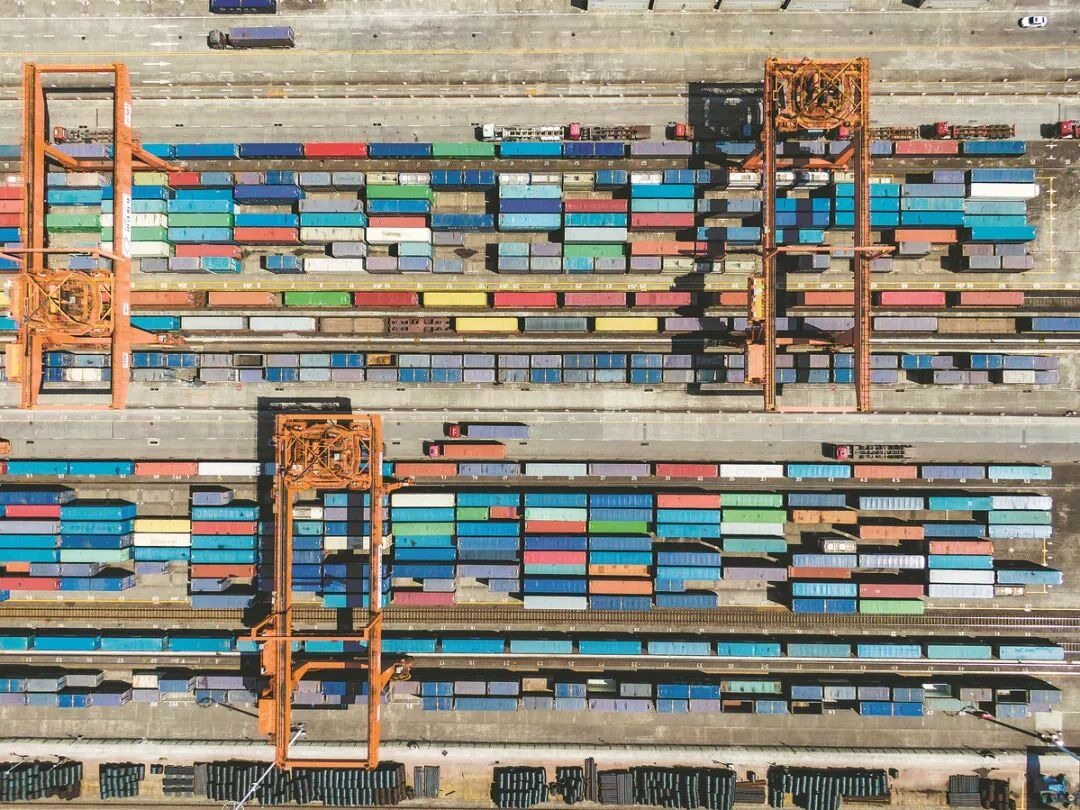
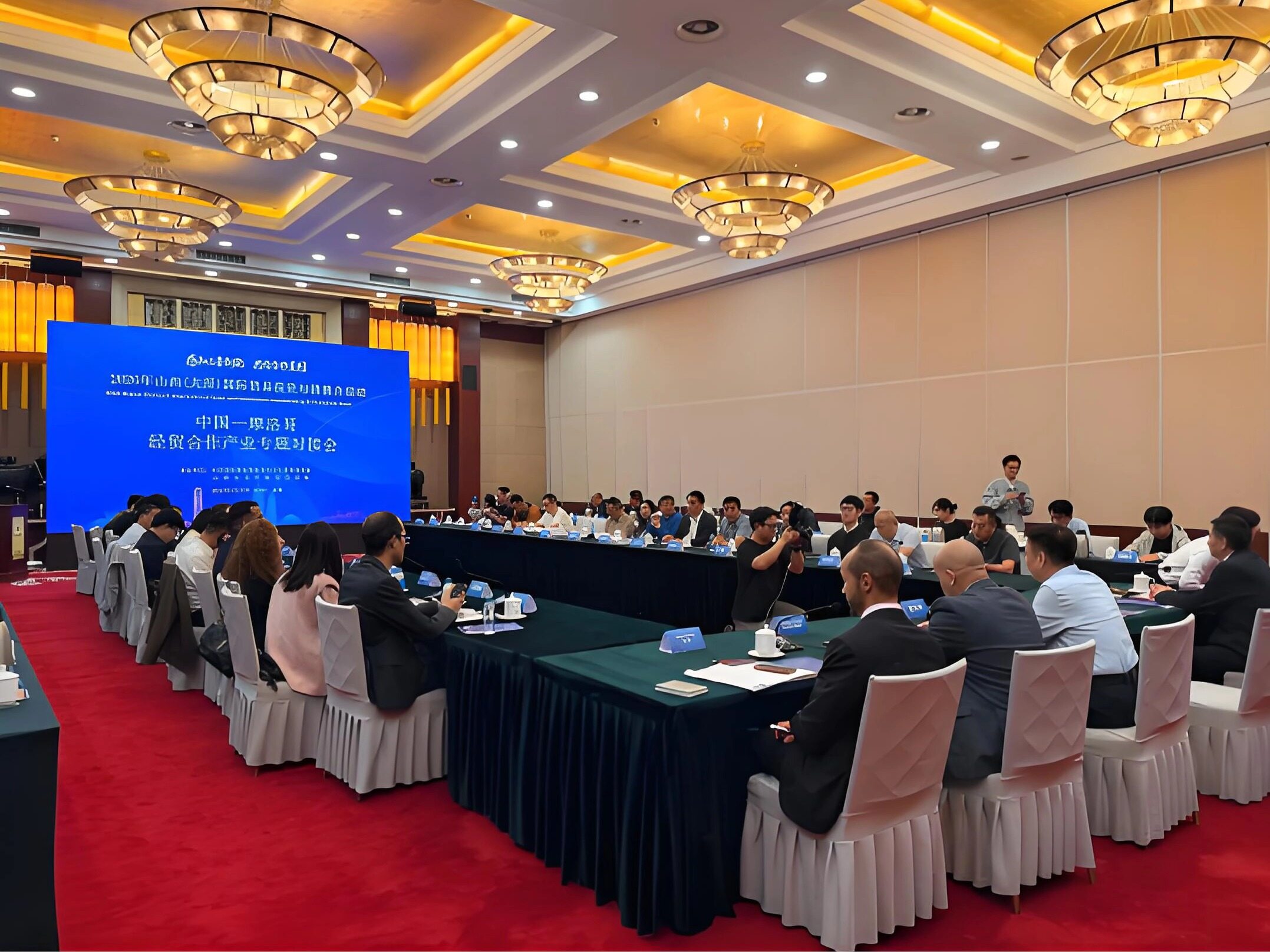
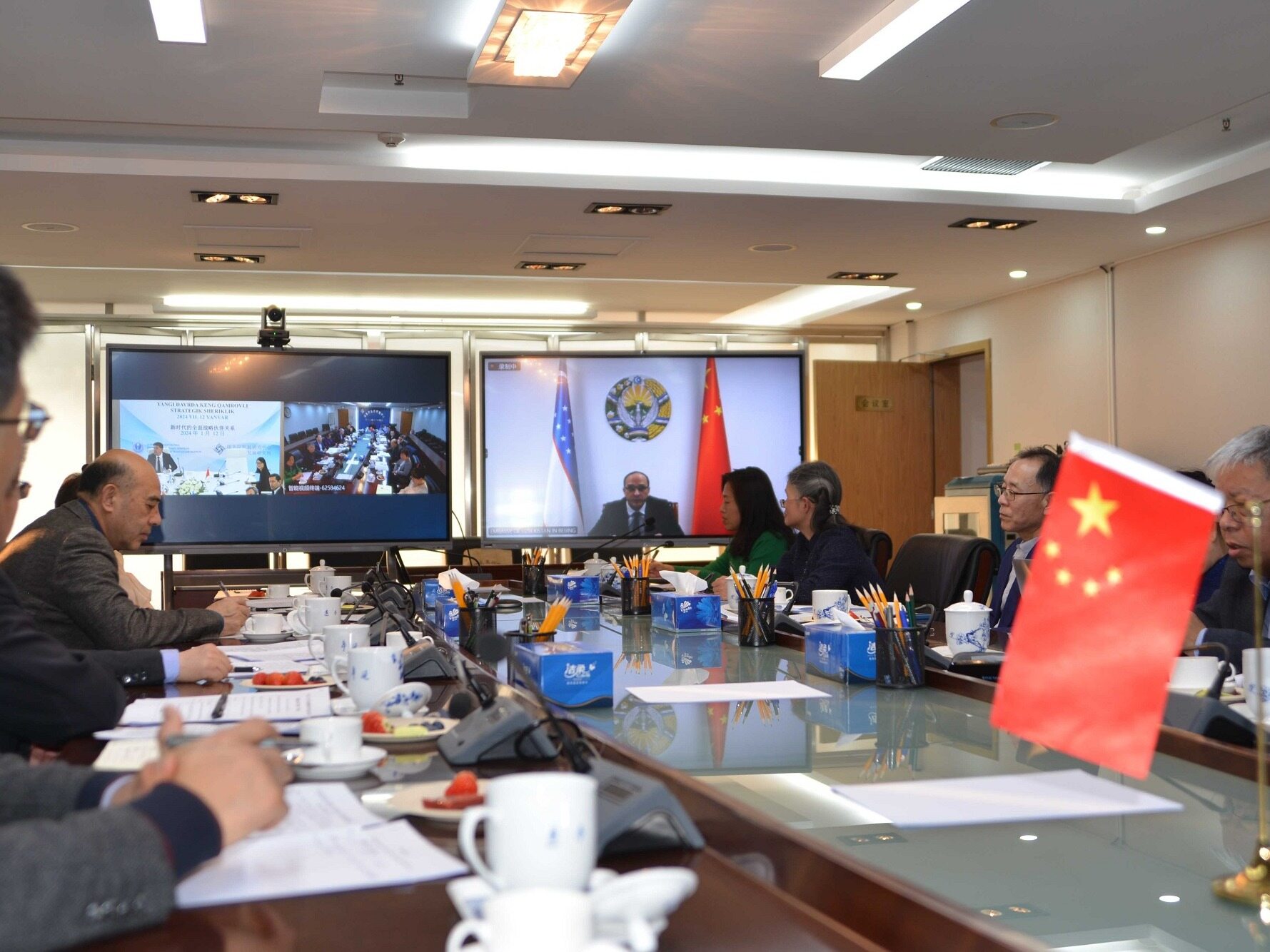
On September 22, 2026, a high-level conference on the Trans Caspian International Transport Corridor was held in Beijing, focusing on promoting capacity expansion and efficiency improvement of the corridor through high-level dialogue and government enterprise exchanges. The conference is hosted by the Ministry of Transport and organized by the China International Sustainable Transport Innovation and Knowledge Center.
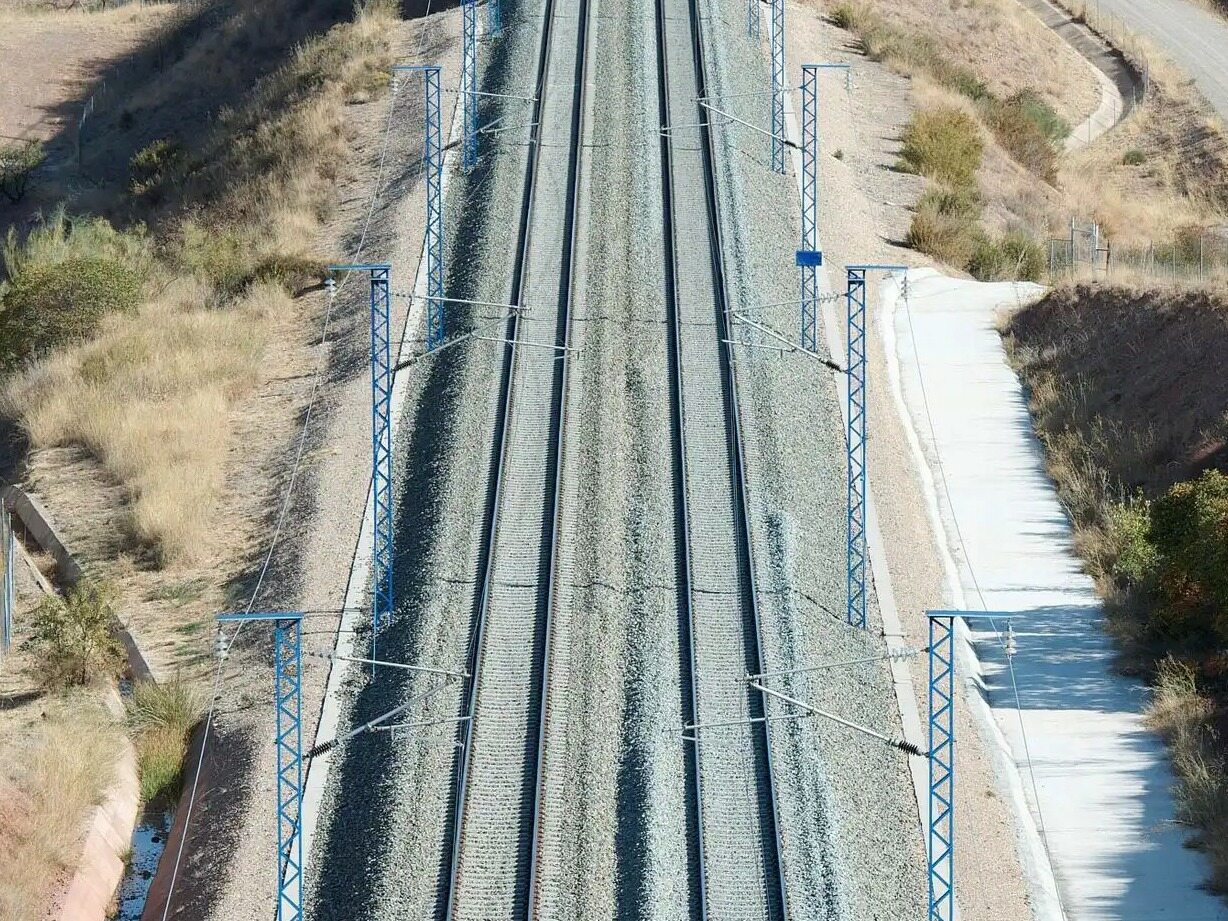
The Trans Caspian Sea International Transport Corridor starts from China, crosses the Caspian Sea through Kazakhstan, and extends to Türkiye and Europe through Azerbaijan and Georgia. It is an important channel connecting the Eurasian continent and an important part of the high-quality joint construction of the the Belt and Road.
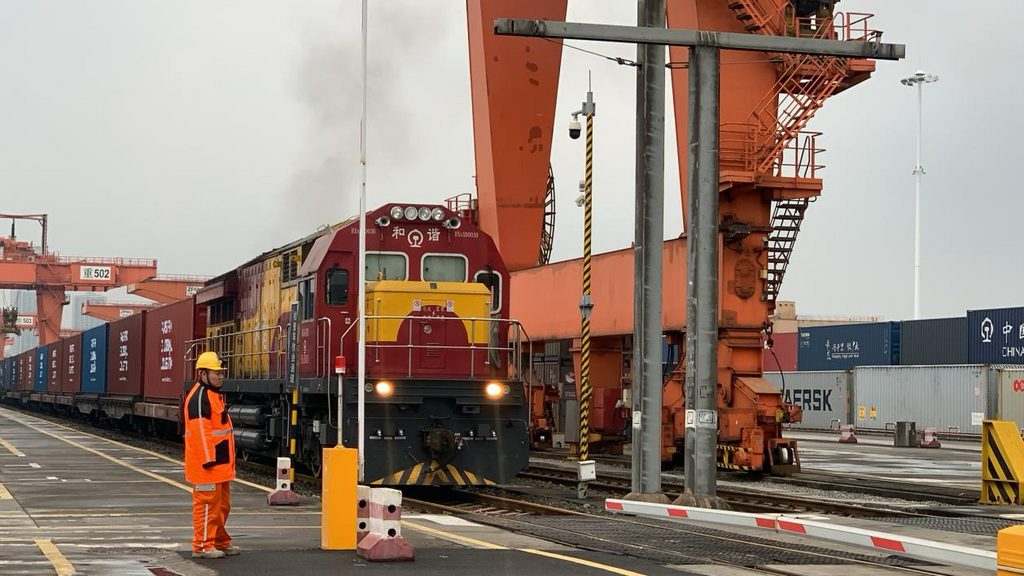
Acceleration of channel running out
In the first seven months of 2026, the number of China Europe freight trains operating across the Caspian Sea and the direct freight volume of China Europe highways increased by over 60% and 70% respectively year-on-year. In late August, the number of China Europe freight trains operating on the southern route exceeded 600 within the year, with a year-on-year increase of 82%. The channel has moved from exploration and cultivation to large-scale operation. The first phase of Aktau Port Container Hub put into operation in July has an annual processing capacity of 140000 TEUs. The three hubs of Lianyungang Base, Khorgos East Gate Dry Port and Aktau Port are operated in an integrated manner, allowing seamless connection of goods from the Yellow Sea to the Caspian Sea, effectively driving industrial agglomeration and improving people's livelihood along the line.
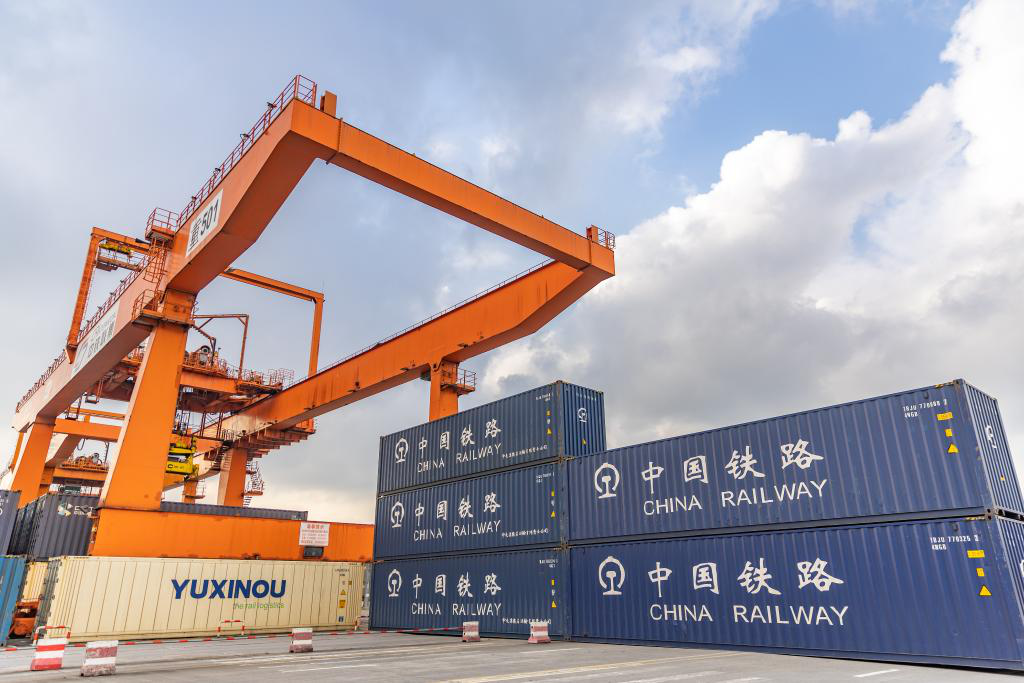
Shortcomings still need to be filled
The meeting pointed out that there are still shortcomings in the corridor in terms of railways, highways, ports, and customs facilitation. This channel spans multiple countries and transportation links, and goods need to be loaded and unloaded multiple times between railways and ferries. The transportation capacity and port efficiency of the Caspian Sea section directly affect the overall timeliness. Against the backdrop of profound changes in the global geopolitical landscape and fluctuations in international logistics supply chains, it is urgent to further strengthen the role of corridors in regional and global connectivity, improve energy efficiency, maintain smoothness, and promote high-quality development.
Collaborative efforts to improve quality and efficiency
The conference jointly released the "Initiative to Promote Capacity Expansion and Efficiency Enhancement of the Trans Caspian International Transport Corridor" in the name of the transportation authorities of the participating countries, clarifying six directions: deepening policy coordination, coordinating regulatory measures such as convenient transportation, cross-border connectivity, and port access, and promoting standard compatibility; Strengthen infrastructure connectivity, promote infrastructure construction, renovation, and upgrading, and encourage enterprises to actively participate; Improve transportation efficiency, develop multimodal transport, promote advanced transportation organization models, and reduce overall logistics costs; Optimize transportation environment, improve customs clearance efficiency, and promote digitalization; Strengthen cultural exchanges and jointly carry out exchange and cooperation projects; Establish a sound cooperation mechanism, study and establish relevant conference mechanisms, and encourage enterprises to carry out multi-level cooperation.
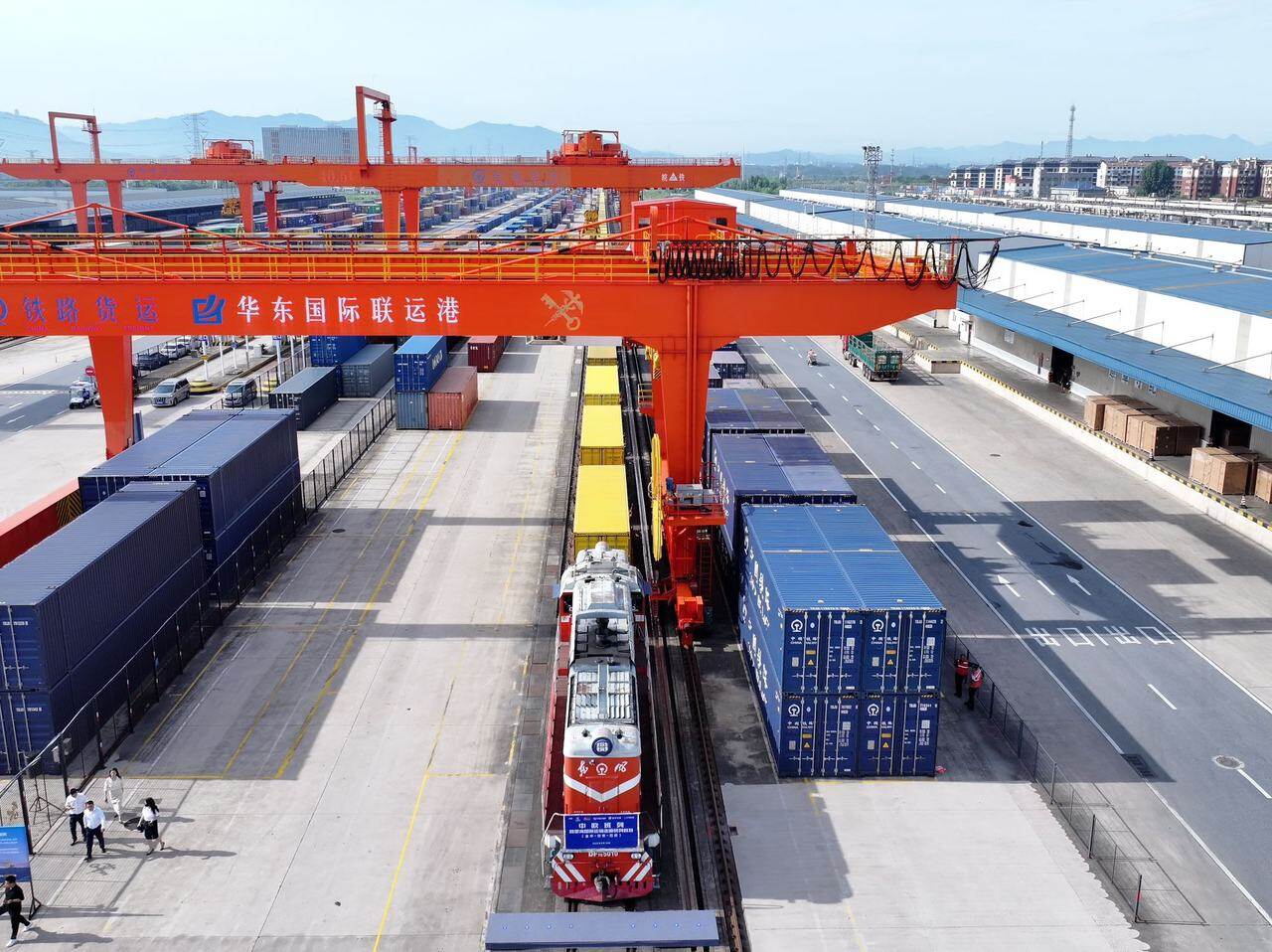
The conference also released two achievements: the "Guidelines for the Construction and Operation of Silk Road Stations" and the "Guidelines for Cross Caspian Road Transport between China and Europe". The Silk Road Station provides drivers engaged in international road transportation with parking, rest, hot water supply and other service guarantees. The initial plan is to build a batch within 3 years to provide a place for people on long journeys to rest. Vice Minister of Transport Li Yang, along with the heads of transportation authorities from Armenia, Azerbaijan, and Uzbekistan, jointly presented the intergovernmental international road transport cooperation documents.
In their speeches, the First Deputy Prime Minister of Kazakhstan, Nalibayev, the Deputy Prime Minister of Azerbaijan, Mustafa Yev, and the Deputy Prime Minister of Kyrgyzstan, Akhunbakov, fully affirmed the significance of China's hosting of this conference and highly praised the role of the corridor in promoting regional connectivity. The Chinese representative expressed willingness to work together with all parties to create a safe, efficient, intelligent, and green benchmark channel for Asia Europe connectivity. All parties present unanimously expressed that they will take this meeting as an opportunity to continuously deepen policy coordination and practical cooperation, and jointly build the Trans Caspian Sea Corridor into a safe, efficient, intelligent, and green international transportation corridor for the Eurasian continent.Editor/Yang Meiling
Comment



 Praise
 Collect
 Comment

 Share
Share


Write something~