 Search


- Russia announces 4500 kilometer high-speed rail plan, covering five core intercity routes by 2050
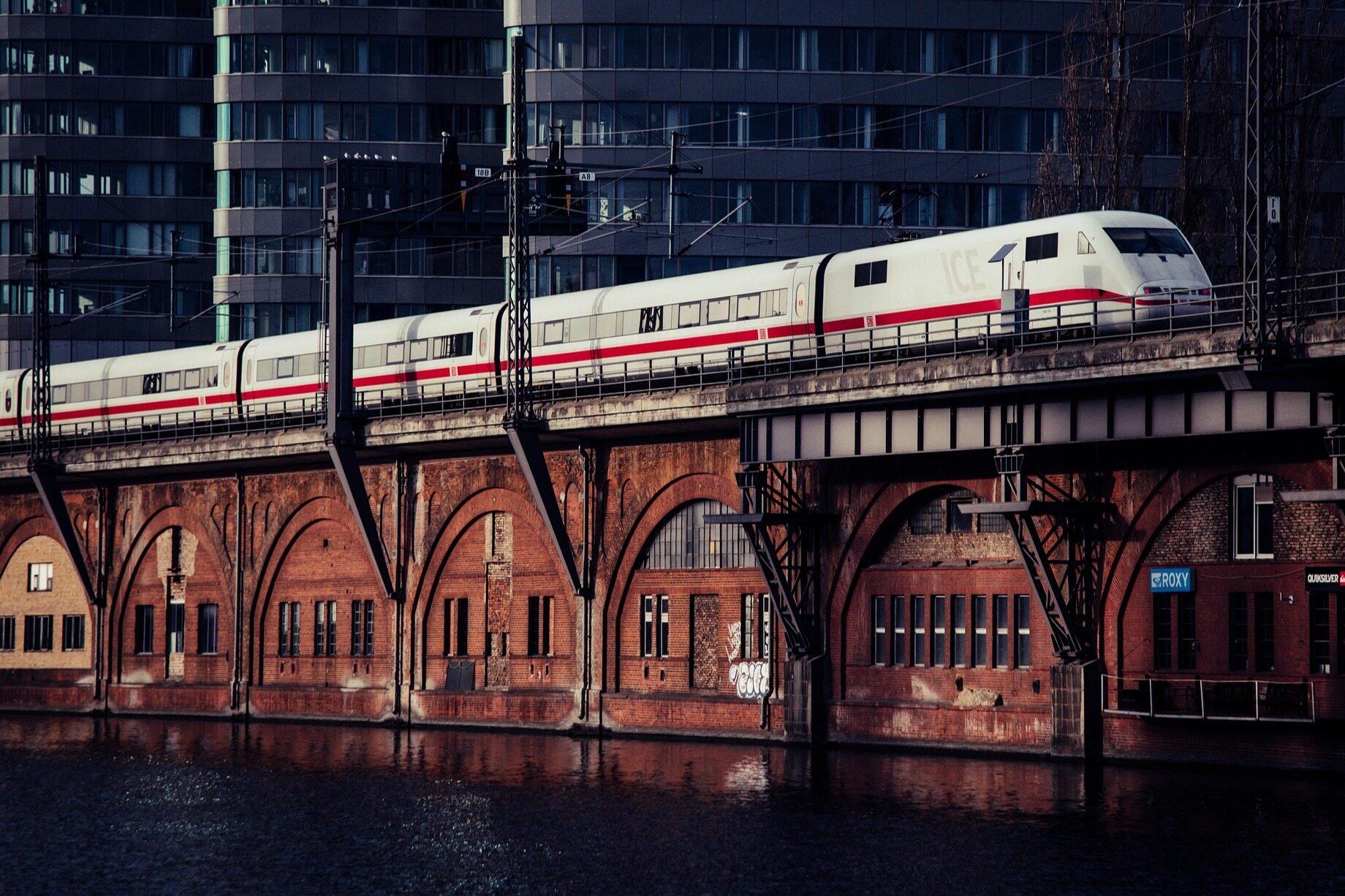
On the pilot section of the railway in the outskirts of Moscow, the roar of construction equipment is breaking the rhythm of the old road network. Russian Deputy Prime Minister Vitaly Savilev announced a long-term plan at an international youth forum, stating that by 2050, the total length of the national high-speed rail network will exceed 4500 kilometers, covering five core urban corridors.
The first line has entered the landing phase
The planned high-speed railway from Moscow to St. Petersburg has a total length of about 679 kilometers, running through six federal subjects and covering approximately 30 million people along the route. At present, the construction and installation work of the pilot section has been fully launched, and the remaining sections are synchronously advancing the preliminary preparations. The line is expected to be officially put into operation in 2028, with a designed speed of up to 400 kilometers per hour and a total travel time of 2 hours and 15 minutes.
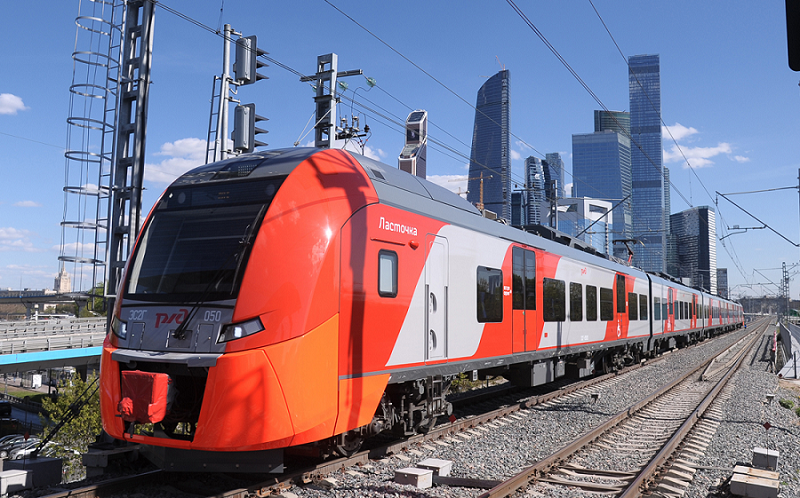
This operating speed is twice the maximum speed of existing main electric trains such as Sapsang, which will completely rewrite the commuting pattern between the two places. According to relevant calculations, the annual passenger flow of this line will reach 23 million by 2030, significantly exceeding the carrying capacity of existing railway and road transportation.
The formation of the national five line network
The entire high-speed rail network has five core channels, with the exception of the Moscow to St. Petersburg line, the other four lines connecting Moscow and Minsk, Moscow via Kazan to Yekaterinburg, Moscow to Adler, and Moscow to Ryazan. After the full line is put into operation, about 350 high-speed trains will be equipped, with an estimated total annual passenger flow of 77 million people.
Within the next six months, detailed construction plans for all lines will be completed and submitted to the national level for final approval. After the completion of the new network, it will deeply integrate with Russia's existing mainline railway, highway, and aviation systems, significantly improving the efficiency of cross regional personnel mobility and injecting new impetus into the industrial linkage and economic development of cities along the route.
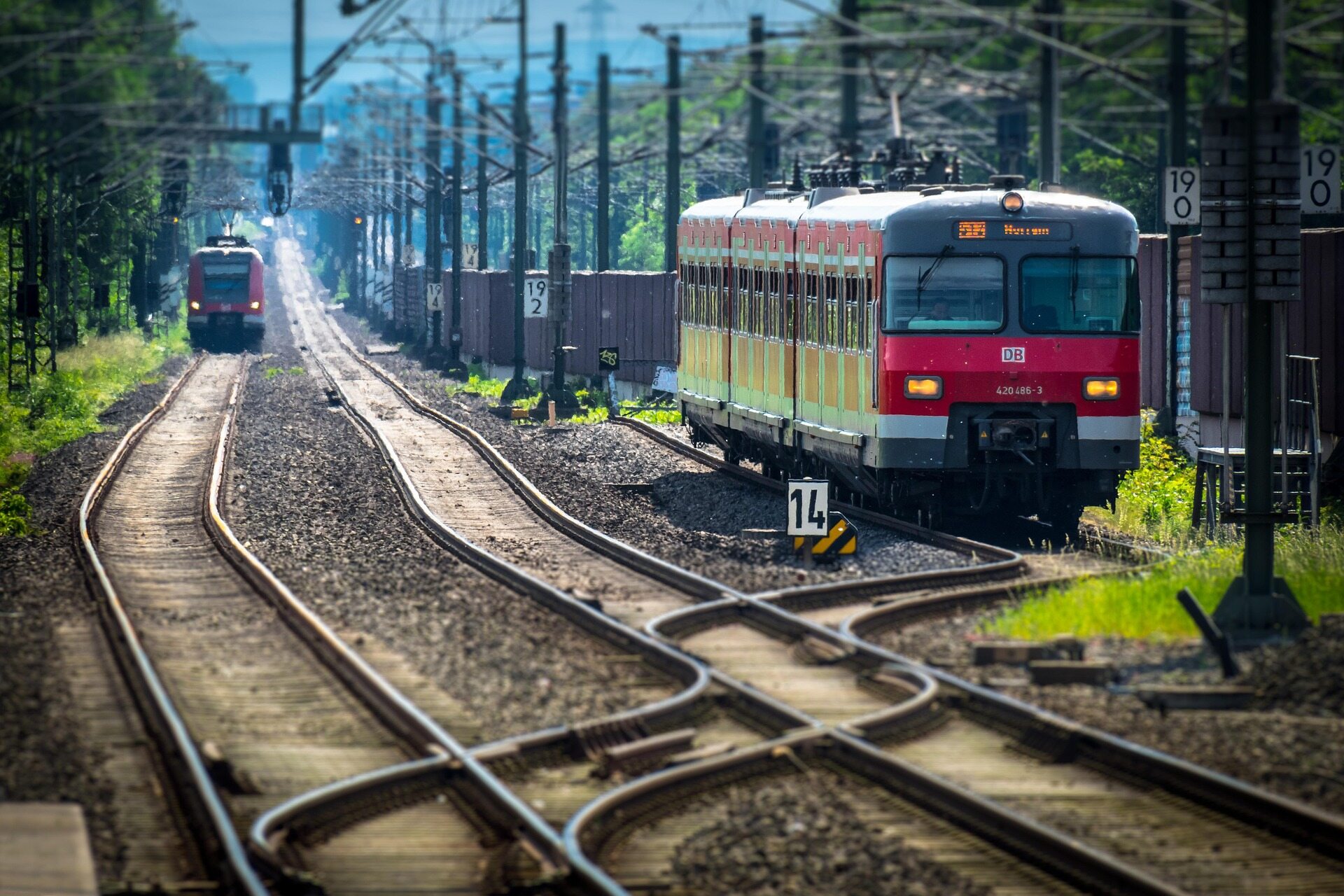
The wind of late autumn brushes over the steel rails of the pilot section, and Russia's high-speed rail construction plan, which has lasted for more than ten years, is shifting from a single point breakthrough on a single line to a systematic network layout covering the core areas of the country.Editor/Cheng Liting
Comment





 Praise
 Collect
 Comment

 Share
Share


Write something~