 Search


- Channel capacity redistribution is stirring up the winter coal supply guarantee pattern in Europe
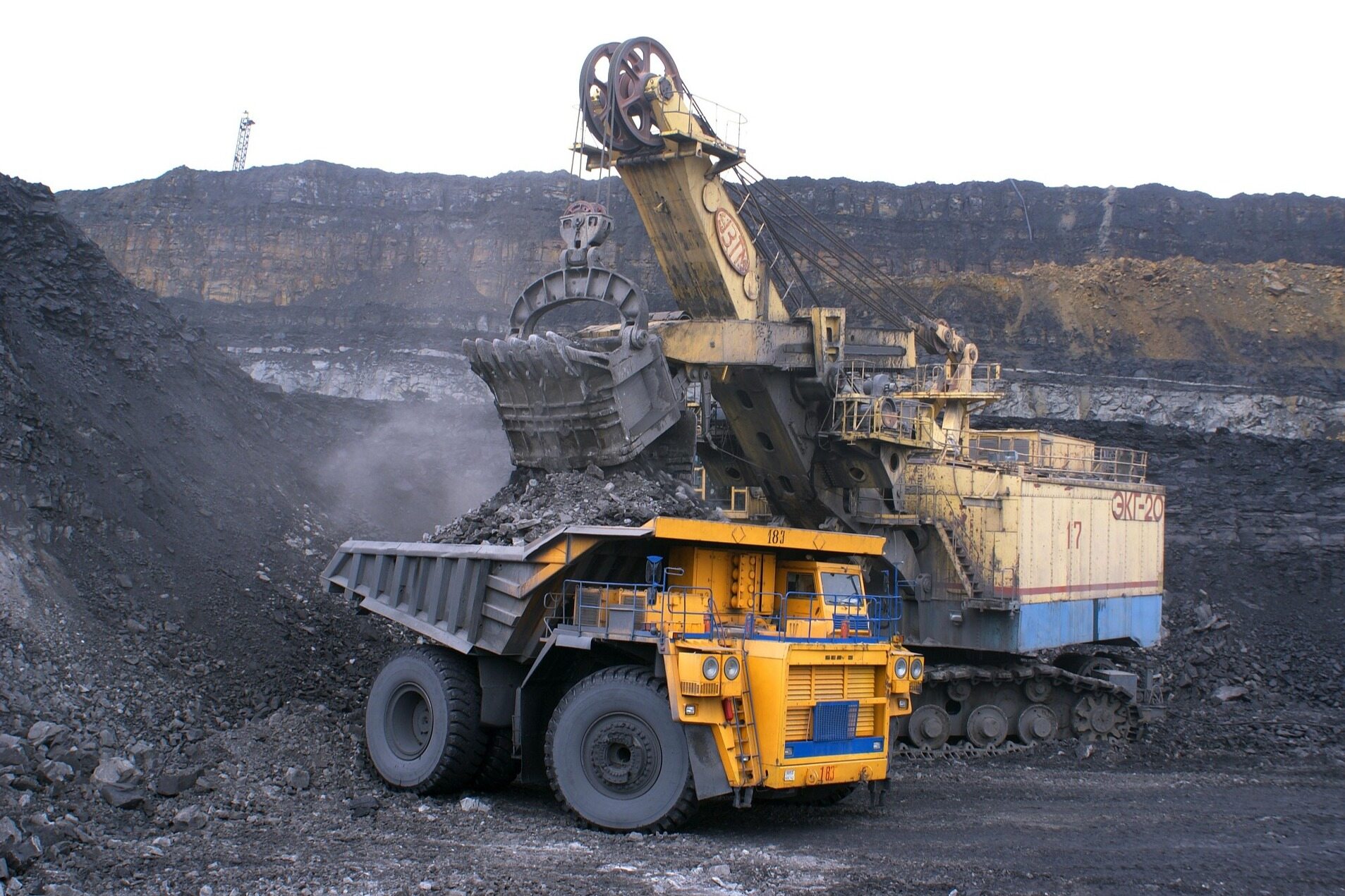
In the yards of Baltic ports, Kazakh coal cargo ships are queuing up to dock and load onto ships. In the first eight months of 2026, the export volume of coal from Kazakhstan, which passes through Russia, has significantly increased. However, in September, a new variable brought about by the redistribution of railway capacity has emerged, and the balance of the Asia Europe coal trade channel is undergoing a subtle shift.
Transit volume in the first eight months increased by 17.5% year-on-year
From January to August, the total amount of coal exported from Kazakhstan through Russia reached 9.4 million tons, an increase of 1.4 million tons compared to the same period last year, with a year-on-year growth rate of 17.5%. Natural gas prices in Europe have soared to nearly 1000 euros per thousand cubic meters, and coal has once again become a cost-effective fuel for power generation. Combined with the exemption arrangements under the EU sanctions framework, Kazakhstan's coal, with its geographical advantage, quickly fills the regional market gap and becomes a key alternative source of procurement for European buyers.
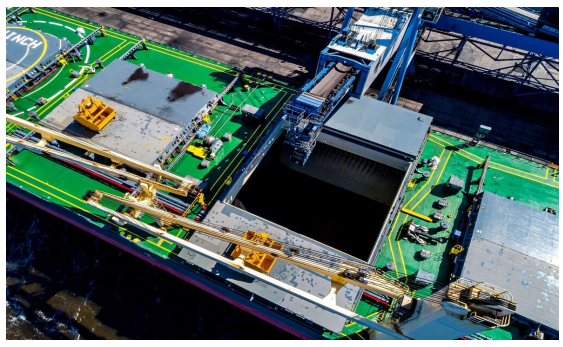
In July, the monthly transit volume reached a high of 1.2 million tons. With external factors affecting port transfers in the Black Sea direction, a large amount of cargo flow is concentrated in northwest ports. The Russian railway department has begun to adjust the priority of transportation capacity, placing agricultural product transportation first in the direction of northwest ports such as Ust Luga. In August, the transit volume of coal in Kazakhstan fell to 1.1 million tons, showing a significant decline compared to the previous month. As of mid September, the completed transit volume has decreased by about 7% compared to the same period in August, and the tight situation of transportation capacity is still continuing.
Channel disturbance drives up fluctuations in the European coal market
The resumption time of transit in Black Sea ports is still unclear, and the competition for infrastructure in northwest ports continues to intensify, further squeezing the follow-up space for coal transit transportation in Kazakhstan. Poland and other European countries have already launched winter coal reserve procurement plans ahead of schedule, forcing some buyers to turn to farther sources such as Colombia for alternatives, resulting in a simultaneous increase in transportation costs. Keywords: coal exports, Kazakhstan
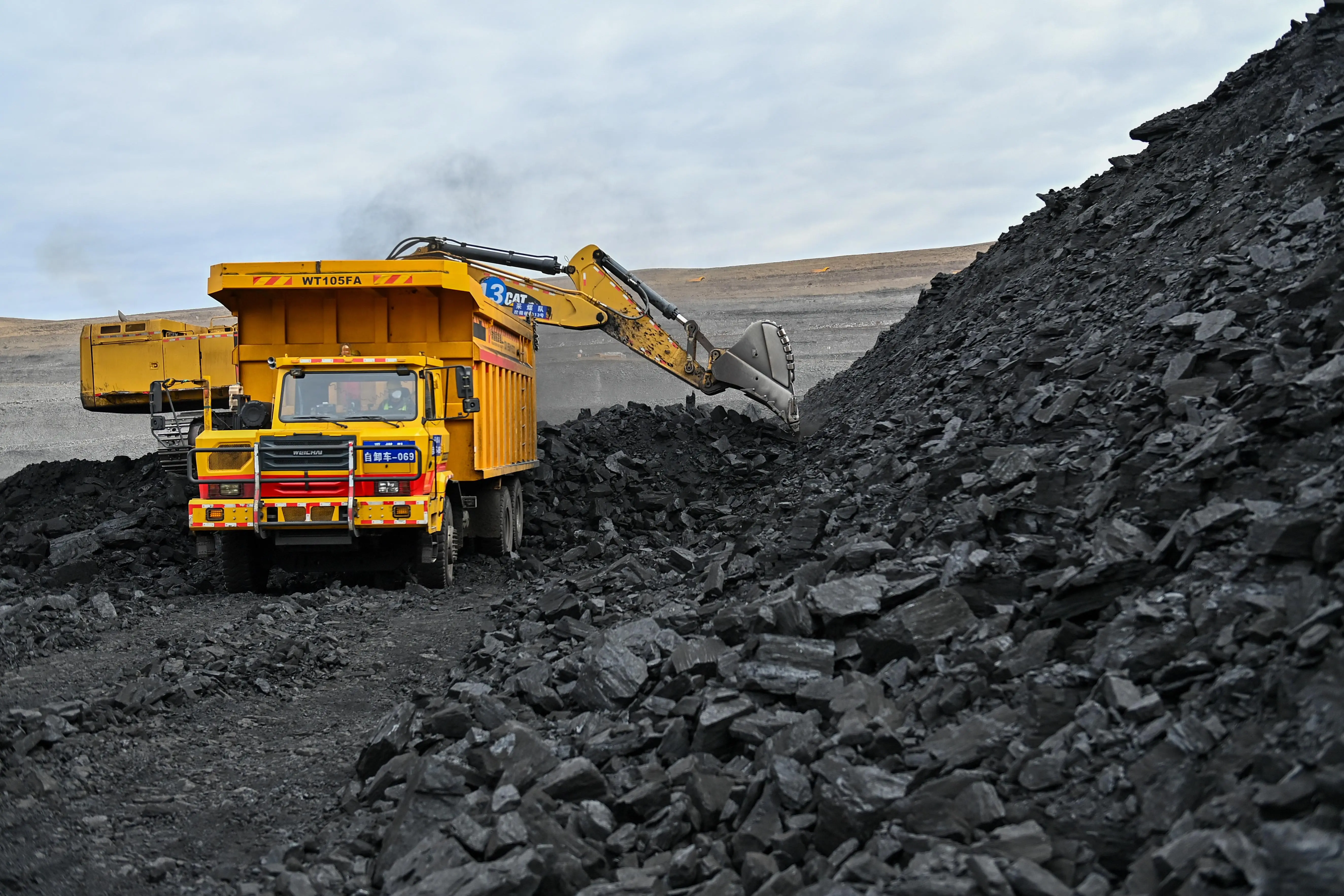
The volatility of coal futures in the current European market has increased by nearly 12% compared to last month, and the ICE Newcastle related regional linkage prices have slightly risen compared to the beginning of the month. If the transit through southern ports cannot be restored for a long time, the total amount of coal transit through Kazakhstan in the second half of the year will be further under pressure, and the overall pattern and pricing logic of the Asia Europe coal trade will face new adjustments in the redistribution of transportation capacity. Long queues of cargo ships waiting to enter the port have formed outside, and a once smooth transit channel is transmitting a chain reaction to energy market terminals thousands of kilometers away.Editor/Cheng Liting
Comment




 Praise
 Collect
 Comment

 Share
Share


Write something~