 Search


- The bidding for the Tashkent to Andijan toll road will be completed by the end of the first quarter of 2027
- Multiple routes are advancing simultaneously, reshaping the country's transportation landscape
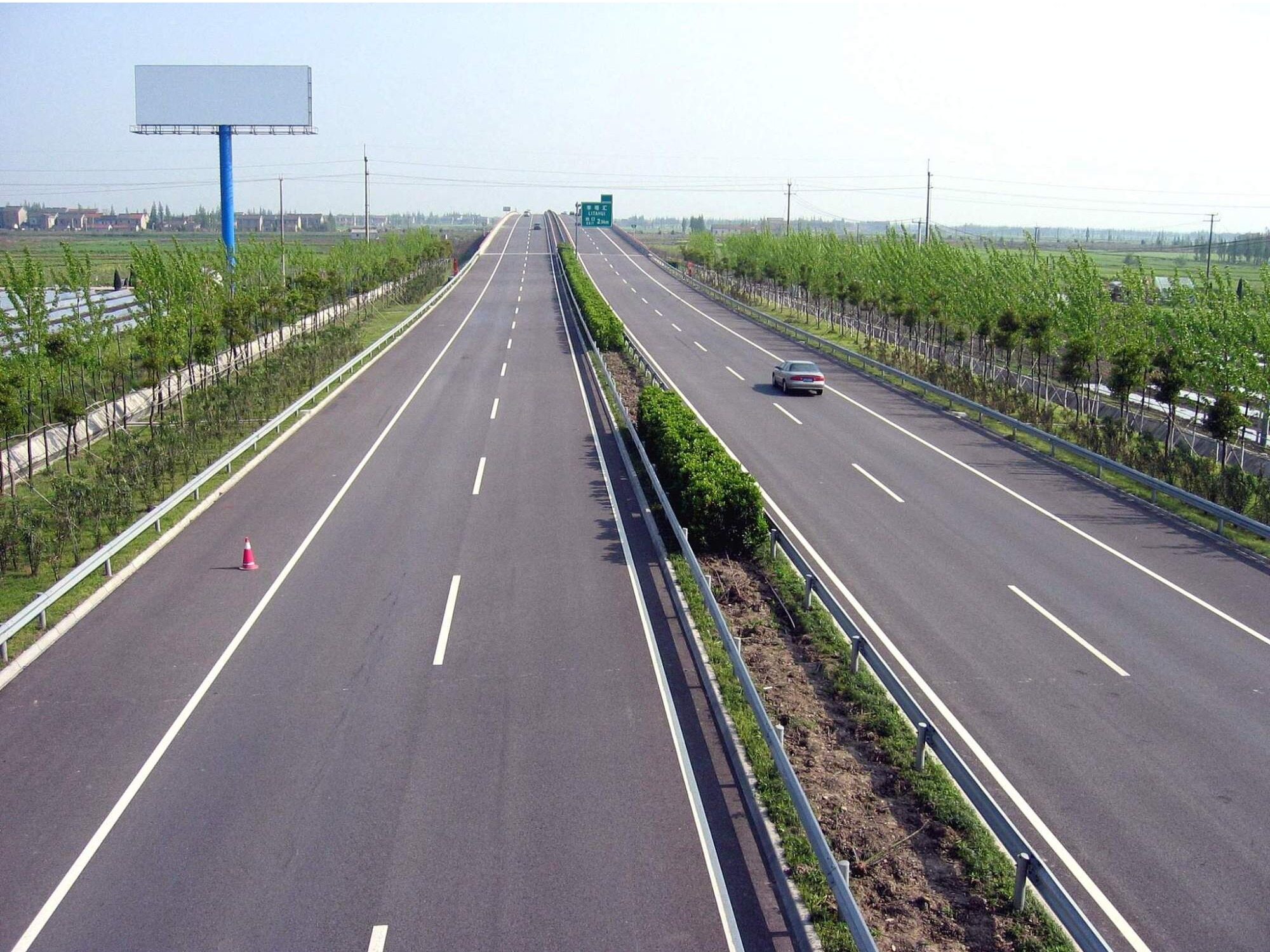
In the early morning, the driver from Khwarezmo province stepped on the gas pedal and set off from Ulgench. 17 minutes later, he could see the city walls of the ancient city of Shiva. In the past, this road took almost an hour to walk. The change comes from Uzbekistan's first toll road - a 35 kilometer four lane asphalt concrete road that can accommodate over 20000 vehicles per day. What impressed the highway department even more was that most users gave positive evaluations before and after the opening of the road. A successful attempt has made decision-makers determined to connect major cities in China faster through toll roads.
The first highway received positive reviews
The model road from Ulgench to Siva has toll stations at the starting, middle, and ending points, as well as two service areas. The project is divided into five sections, with bridges, overpasses, and tunnels all available. Its significance is not only to shorten the 17 minute drive, but also to validate a new model: through franchising and user payment, road construction can break free from the constraints of a single financial investment. When the Presidential News Agency announced the upcoming opening of the road, it was considered an important component of the national road infrastructure modernization plan. Afterwards, building alternative routes and connecting major cities at a faster speed became a new issue for the transportation department.

Multiple routes are advancing together
Jamshid Tursunov, Chairman of the Highway Committee of the Ministry of Transport of Uzbekistan, recently gave the latest schedule in an interview with O'zbekiston 24 TV: the bidding process for the Tashkent to Andijan toll road is planned to be completed by the end of the first quarter of 2027; The meeting has issued instructions to require the Tashkent Samarkand toll road project to enter the actual implementation stage.
The weight of both main lines is not light. The newly built road from Tashkent to Samarkand has a total length of 282 kilometers, with six lanes in both directions. Some sections are designed to reach a speed of up to 150 kilometers per hour. After the groundbreaking ceremony in July 2026, construction will officially begin. After completion, the travel time between the two places will be reduced from about 5 hours to 2.5 hours. The Tashkent to Andijan highway has a total length of 314 kilometers and a designed speed of 120 to 150 kilometers per hour. In the future, the travel time from the capital to Andijan is expected to be reduced from 5 hours to 2 to 2.5 hours. Its core project is a four lane tunnel.
At the same time, the toll road projects from Tashkent to Chalvak and from Namangan to Pongan will also begin preliminary work, with the Namangan to Pongan highway connecting Namangan Oblast and Yamaguchi. Tursunov emphasized that the new project will pay special attention to construction quality and cost control, make wider use of local resources, modern building materials, and new technologies, and attract experts and young scholars from Jiaotong University to participate.
New demands on wheels
The demand comes from the wheels. Tursunov mentioned that in the early days of Uzbekistan's independence, there were about 500000 cars in the country, but now this number has approached 6 million. The increase in residents' income and mobility has made it more urgent to build new roads and expand transit transportation corridors. Therefore, expanding the construction scale, widening the two lane highway to four lanes, and creating conditions for safe and smooth travel are listed as priorities.keywords:Engineering infrastructure
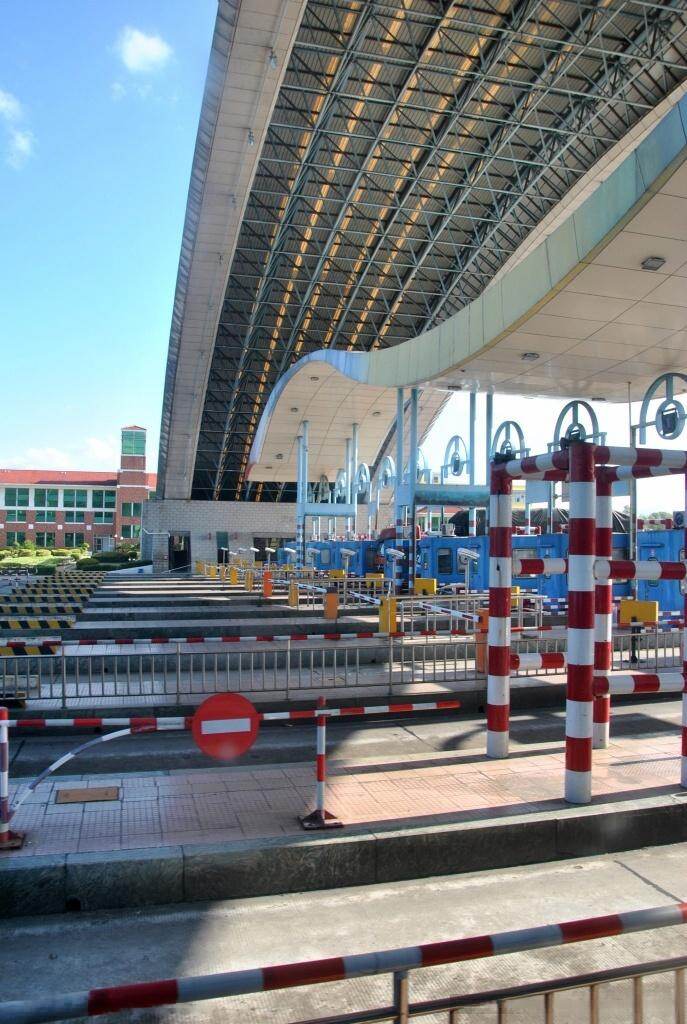
The regional background is also contributing. The Central Asian toll road presents a pattern of one country leading and multiple countries following suit. Kazakhstan has already operated thousands of kilometers of toll roads, and Kyrgyzstan and Tajikistan are also exploring tunnel and mainline toll collection. Uzbekistan plans to introduce measures in 2024 to attract at least $30 billion in private investment to participate in public-private partnership projects by 2030, including the construction of the Tashkent to Andijan and Tashkent to Samarkand highways. According to the calculation of the Ukrainian side, the construction of toll roads can promote a growth of 2% to 3% in the gross domestic product. From the first attempt of 35 kilometers to the dense deployment of hundreds of kilometers of main roads, this landlocked country is reconnecting itself with toll roads.Editor/Yang Meiling
Comment






 Praise
 Collect
 Comment

 Share
Share


Write something~