 Search


- Photovoltaic integration in diverse scenarios, balancing ecological governance and increasing people's income value
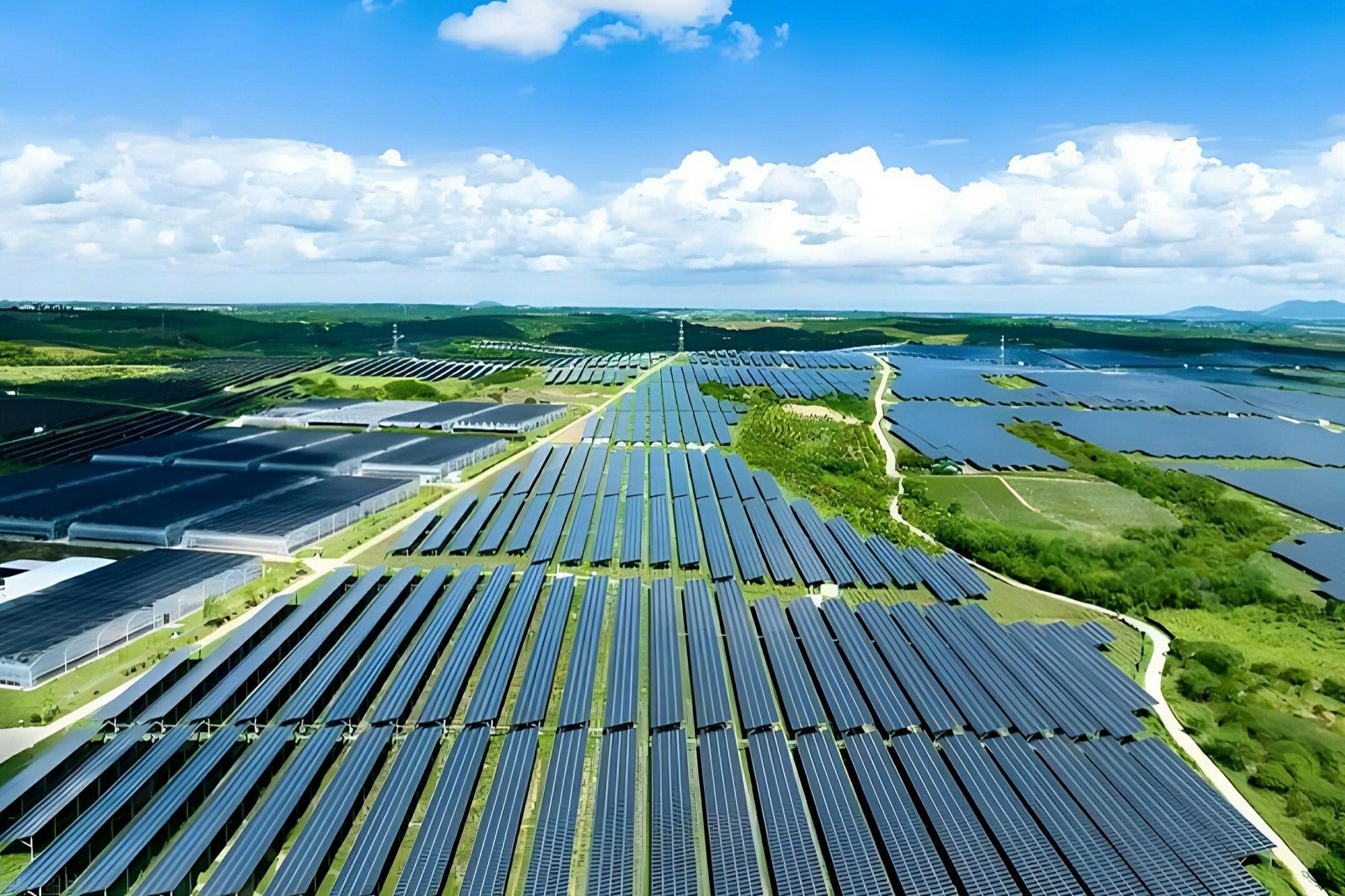
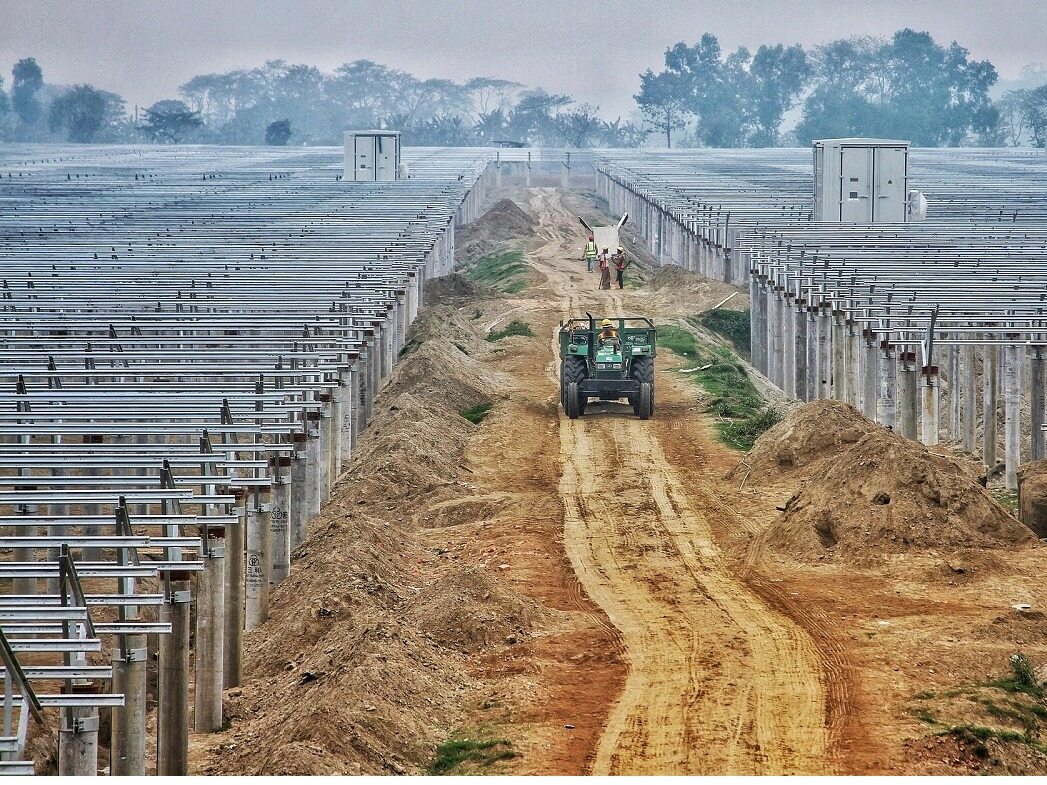
On the Gobi Desert, deep blue photovoltaic panels are like a silent sea, turning the barren land into electricity. This Chinese blue is a counterattack from being controlled by others to leading the world, and it is also a key factor in the top-level layout of energy security.
From supplementary power supply to the primary power supply
The surpassing of coal-fired power by photovoltaic installed capacity is not simply a ranking change, but a reconstruction of China's century old power landscape. New energy, which used to rely on the sky for its livelihood, now firmly sits at the top of installed capacity and has become the main foundation of the new power system.
Behind this is a clear judgment of the top-level strategy on energy independence - turning sunshine into domestic resources and transforming fluctuating scenery into green supply that can be dispatched, exported, and consumed. The Shage Wilderness Base, ultra-high voltage channel, and new energy storage are working together to make a beam of light from the west shine through thousands of miles, illuminating the factories and computing centers in the east.
Refining pressure into a moat
Domestic photovoltaics are not inherently dominant. In the early years, raw materials, equipment, and markets were all outside, and overseas barriers put collective pressure on them. The real turning point is to reverse the anxiety of subsidy reduction to the determination of technological breakthroughs.
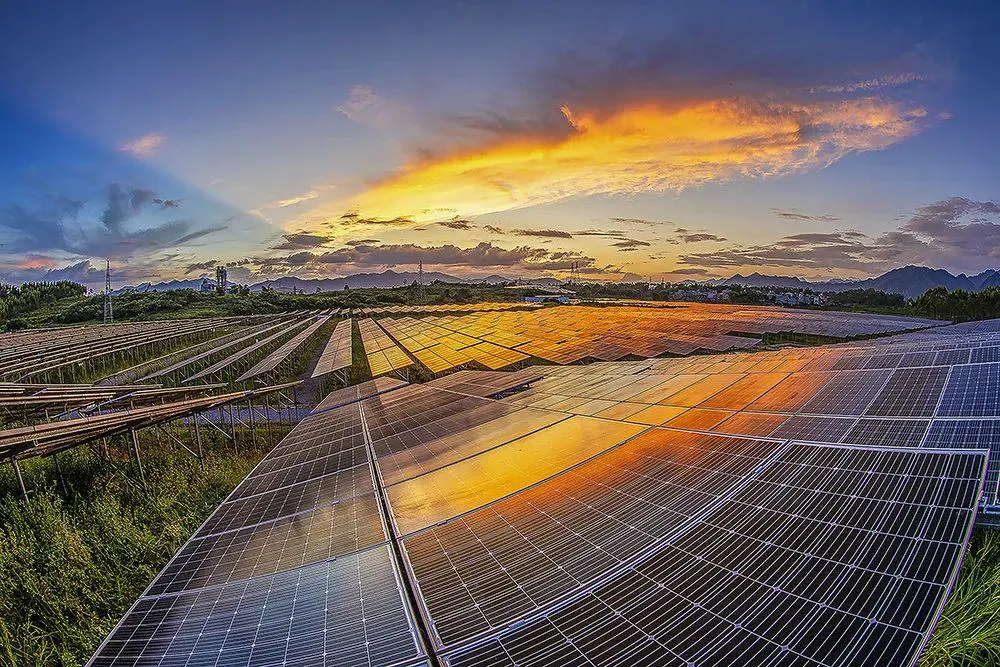
Diamond wire cutting, single crystal pulling, P-type to N-type conversion, perovskite stacking... Generation after generation of efficiency records have been broken by ourselves. The cost has been reduced to below that of coal-fired power, and the output of the four major links in the industrial chain has remained at the forefront of the world. Domestic equipment has become the main production line. The autonomous and controllable nature of photovoltaics is not just about being able to produce, but about having full control over the entire chain from silicon to systems, from laboratories to deserts.
From power generation to desertification control, enriching the people
The value of photovoltaics has already overflowed from electricity meters.
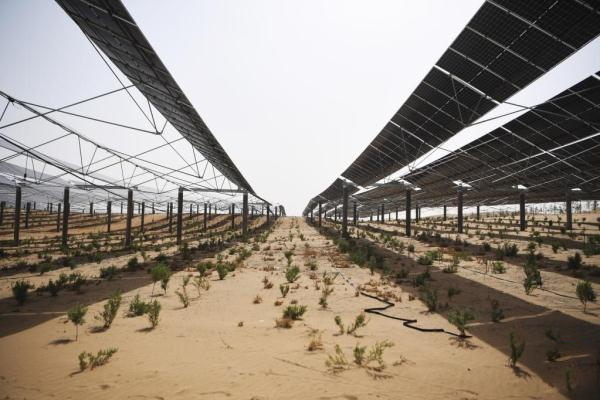
In Kubuqi, the sand willows under the board turn green, and sheep flock through, generating electricity, controlling desertification, and planting and breeding to grow into the same ecosystem; In rural areas, rooftops become sunshine banks, and idle resources are revalued. The energy transition is not an abstract carbon reduction, but a tangible rebirth of the field.
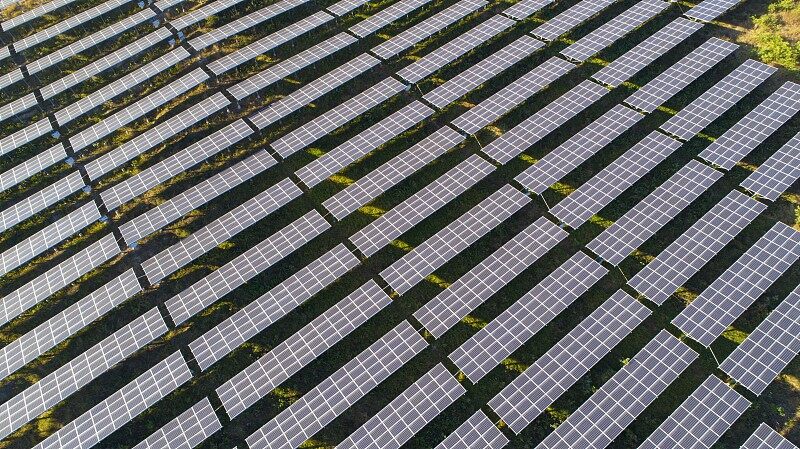
When going global, Chinese photovoltaics are not just selling boards. From power stations in Central Asia to off grid systems in Africa, from mountain projects in Southeast Asia to solar energy storage projects in the Middle East, they bring stable power supply, local employment, and industrial chain seeds. In the past decade, China has lowered the global cost of photovoltaic electricity by about 80%, making green transformation a reality that the global South can afford from a developed country issue. keywords:
Stay calm and climb to the top
Putting installation first does not mean prioritizing power generation, nor does it mean eliminating system pressure.
The intermittency of photovoltaics still exists, and the peak shaving and valley filling of coal-fired power, energy storage, and intelligent scheduling of the power grid are all indispensable. The true maturity lies in who replaces whom with new energy and conventional power sources, and who fills the gap. Within the industry, internal competition, consumption, and profit margins are as thin as blades, and they are also the dark side that cannot be bypassed. The next step is not about who expands production faster, but about who first writes new quality productivity into battery efficiency, system resilience, and global rules.Editor/Gong Ziwei
Comment


 Praise
 Collect
 Comment

 Share


Write something~