 Search


- The situation in the Red Sea still has room for fluctuation, and seemingly loose supply may tighten again at any time
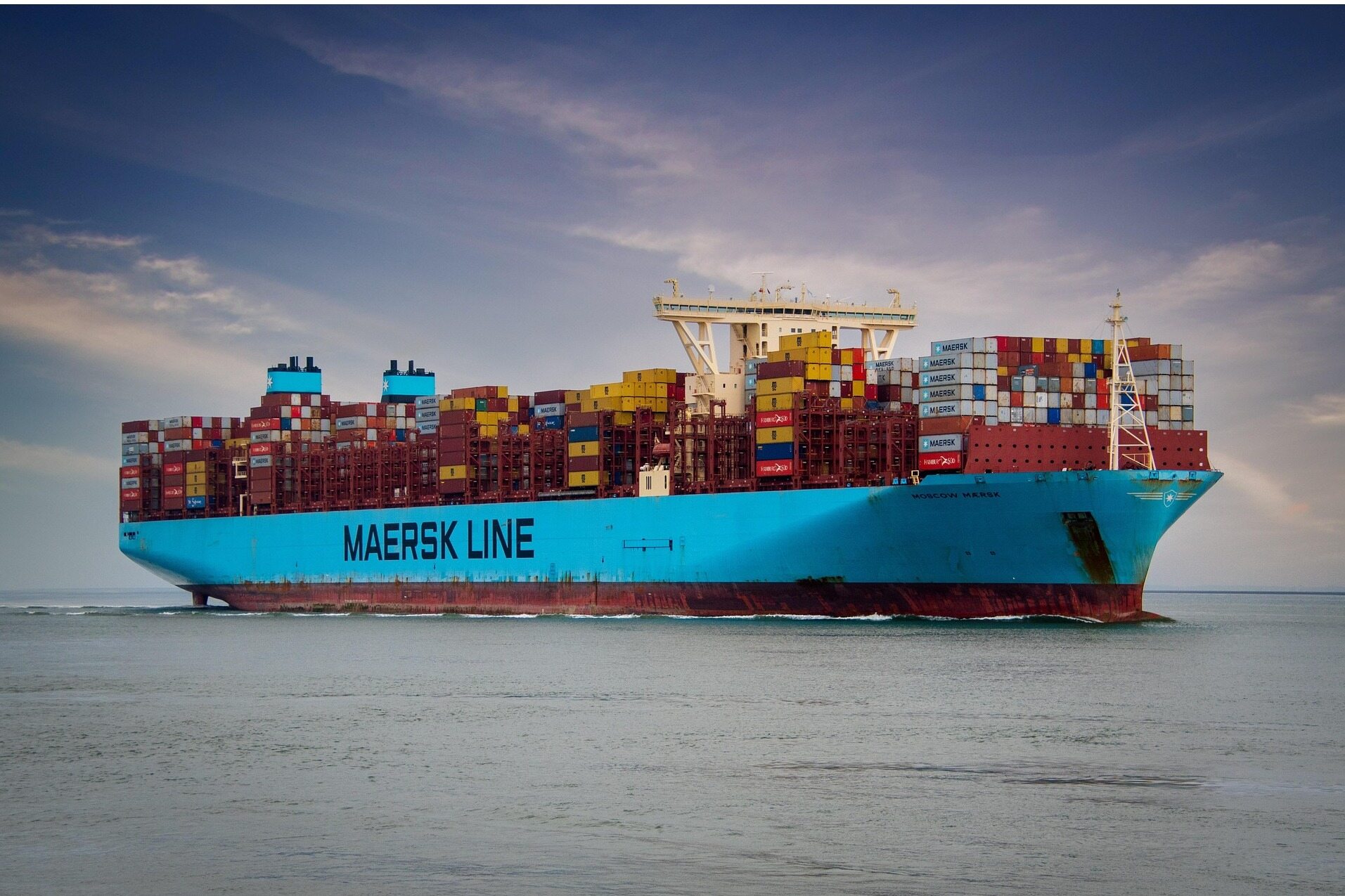
In November 2026, the industry forecast of a 30% drop in spot freight rates for consolidated shipping in 2027 was officially implemented, and many people saw it as a signal of returning to the era of low-priced sea freight. But from the perspective of the three-way game between shippers, freight forwarders, and shipping companies, this is more like a slow "soft landing" for the entire industry after the extreme market conditions of the past three years. It will not return to the old normal of losing money in price wars like in 2019, but will embark on a new path with more frequent fluctuations, more differentiated structures, and more complex rules.
The decline in freight rates is not a return to the past
Over the past three years, the core pain point for shippers has been the inability to secure shipping space, even at high prices where they have to lock up their cargo several months in advance. Shipping companies have absolute say, and market rules revolve entirely around the scarcity of transportation capacity. Now with the gradual return of transportation capacity, the balance is tilting towards the shipper's side, and the bargaining space in the hands of freight forwarders is slowly opening up. The bargaining relationship of the entire chain is undergoing a fundamental reversal.
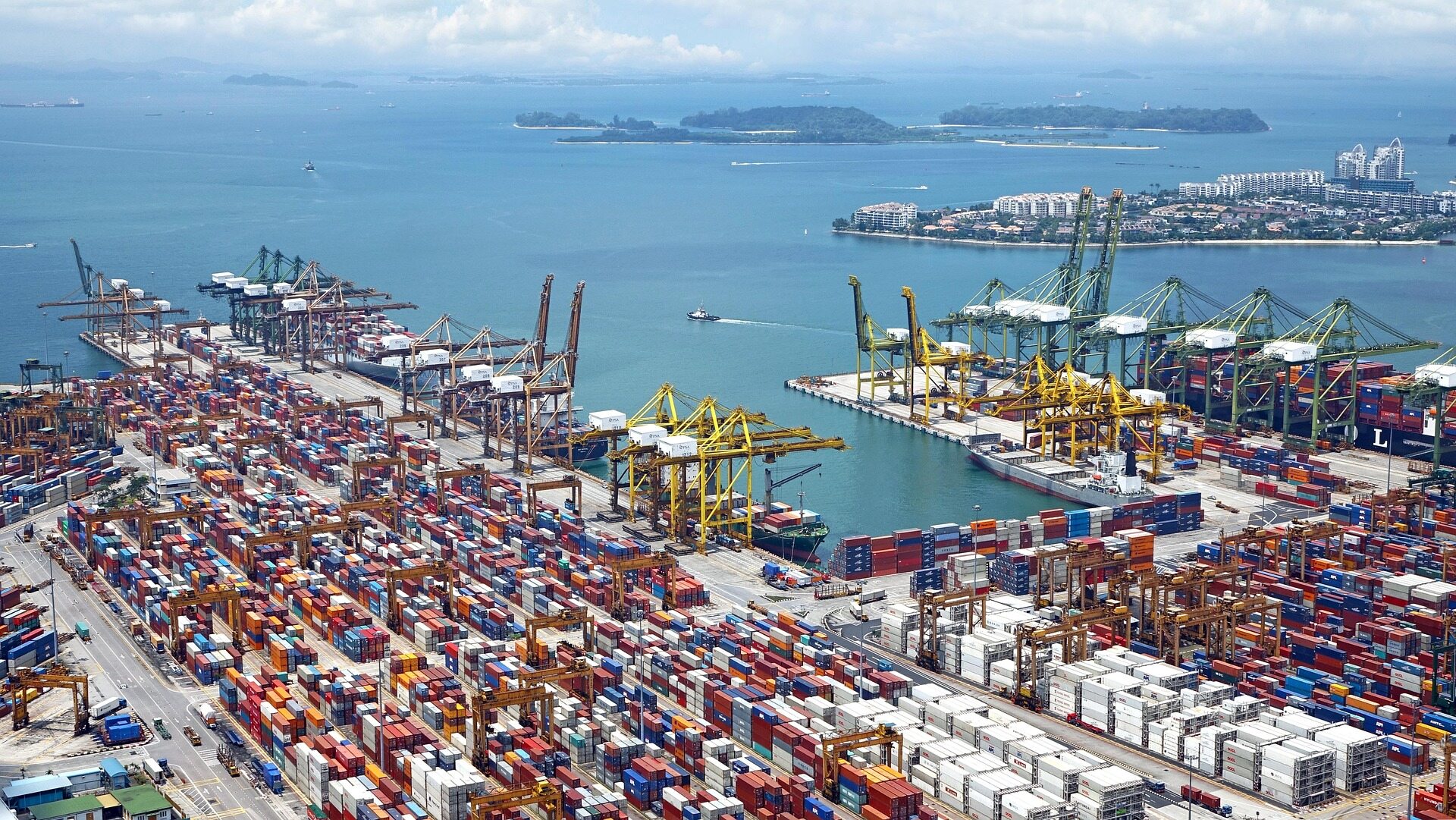
But this reversal will not go to extremes. Shipping companies have experienced market fluctuations in the past few years and have become proficient in capacity adjustment tools such as suspension, deceleration, and route adjustment. They will not allow excess cabin space to push freight rates across the cost line. In 2027, there will not be a one-sided pricing situation in the market, and the three parties will repeatedly tug at a new supply-demand balance point, ultimately forming a more dynamic pricing rhythm.
Long term cooperation can actually become a market stabilizer
Compared to the significant drop of 30% in spot freight rates, the long-term contract freight rates are expected to decrease by only 5% in 2027, which reflects the true consensus of the industry. A large number of core shippers no longer want to return to the state of chasing prices in the spot market, and prefer to lock in stable cabin space with small concessions in long-term contracts to avoid the risk of price jumps that may arise from geopolitical events at any time.
This also means that next year's market will not be completely dominated by spot market trends. Locking in a large amount of long-term transportation capacity will become a stable foundation for the market. The fluctuation of spot freight rates is difficult to directly transmit to the entire industry, and there will be no extreme situation like the past when prices skyrocketed and plummeted across the board. For large freight forwarders, early binding of long-term contract resources can actually create differentiation advantages in a relaxed market.
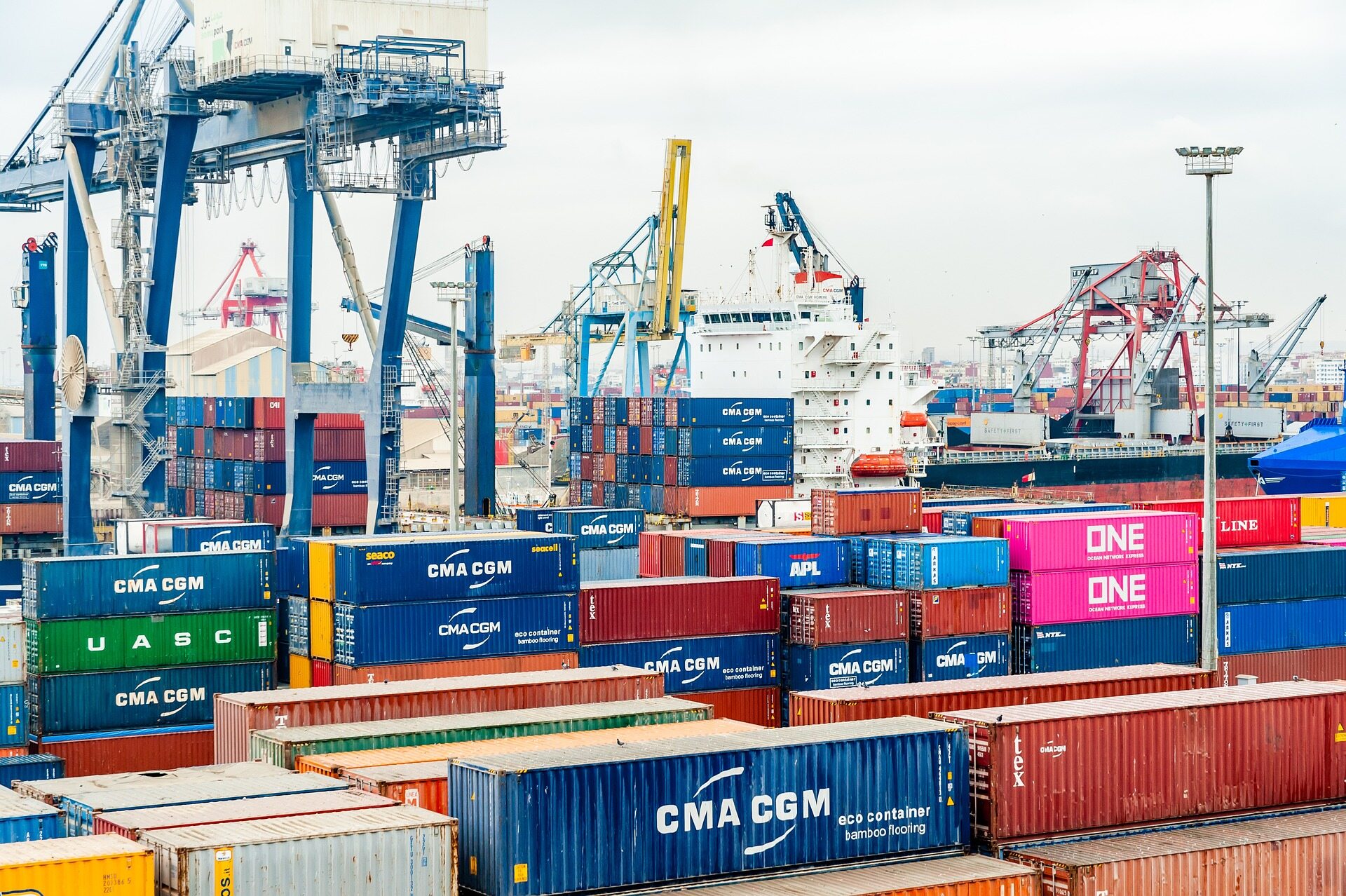
Simply offering low-priced cabins lacks competitiveness
Many people assume that a decrease in freight rates means a comprehensive improvement in the shipping experience, but the reality is exactly the opposite. The current booking rate for the Far East to Europe route has dropped to 4%, with an average delay of nearly 10 days. A large number of ships that have sailed around the Cape of Good Hope have just returned to the Suez Canal, and European ports will continue to face congestion pressure, making it difficult to quickly repair the reliability of shipping schedules in the short term.
In this context, there will be a large number of seemingly low-priced but completely uncontrollable shipping schedules in the market. For shippers, simply choosing the lowest price may actually drag the supply chain into chaos. Freight forwarders who can package the accuracy rate, transit stability, and emergency backup for abnormal situations into their services, even if the quotation is slightly higher than the market average, will still receive orders from core customers. In the consolidation market of 2027, low prices are never the ultimate winner, and the certainty of service is the truly scarce resource.Editor/Cheng Liting
Comment






 Praise
 Collect
 Comment

 Share


Write something~