 Search


- The suspension of railway upgrades constrains the development prospects of local passenger transportation and infrastructure
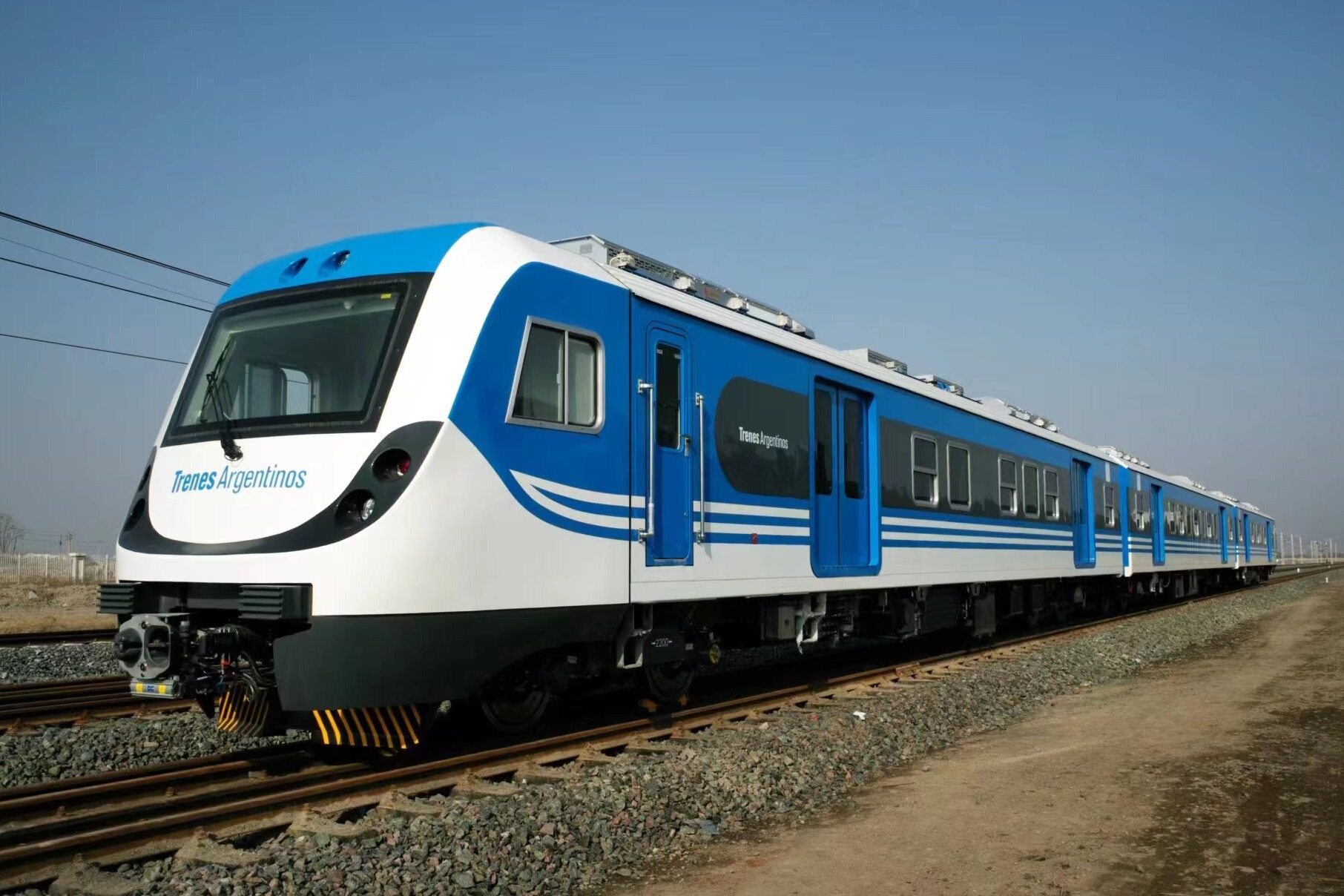
As an important commuter railway in Argentina, the San Martin Line carries the daily travel needs of the people along the line. Its electrification renovation plan spans over a hundred years and has undergone multiple cooperation attempts and rounds of bidding, ultimately announcing its complete termination. All subsequent upgrading and renovation work of the line is deeply linked to the privatization process of the local railway operating company, and the pace of upgrading urban railway infrastructure in Argentina has been forced to stagnate.
The century long renovation has repeatedly encountered setbacks
The electrification concept of the Saint Martin Line began in the early 20th century, and the road to renovation has been bumpy. In the 1980s, Argentina initiated a cooperative renovation project with the Soviet Union, which was ultimately terminated due to the collapse of the Soviet Union and domestic hyperinflation. After the privatization of the lines in the 1990s, franchisees also failed to fulfill their promises of upgrading and renovating.
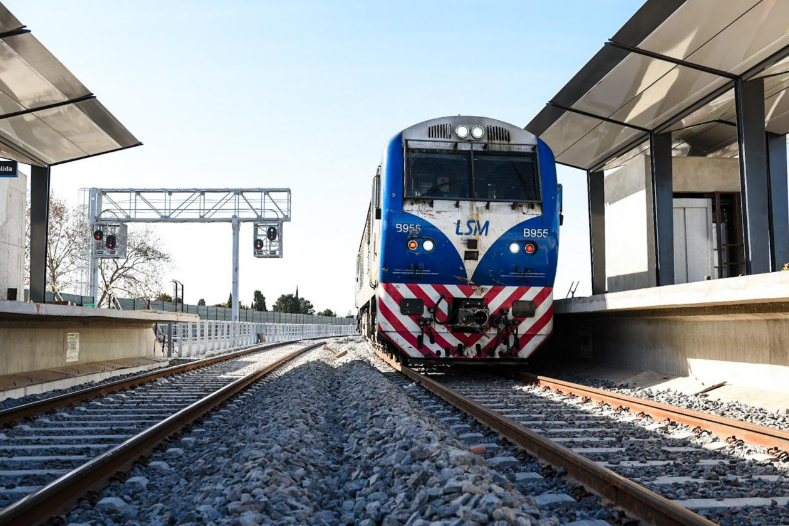
In 2017, the Inter American Development Bank approved a special loan of $400 million for the project. In 2021, a consortium led by Chinese enterprises won the pre award of the project, but it was subsequently rejected and the bidding was officially cancelled. In 2022, the project will be split and restarted for bidding, with only Siemens Mobility consortium participating in the bidding. In 2024, the Argentine government misappropriated special railway loans, and in 2025, due to financing cuts, all remaining bidding work will be cancelled.
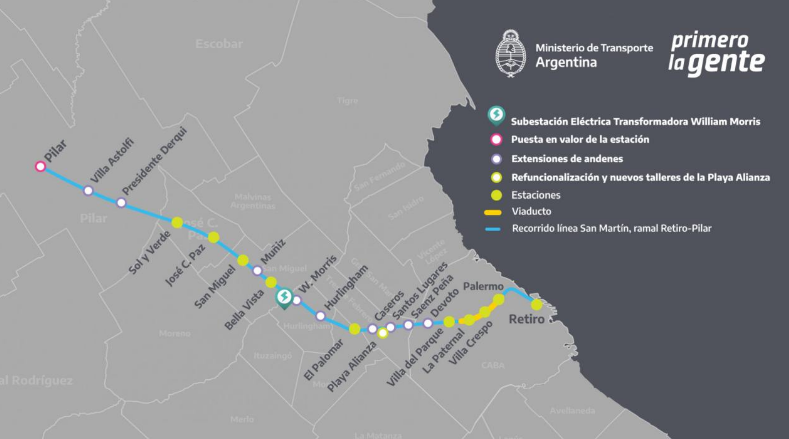
The local transportation department admitted that the project could have improved passenger quality, shortened travel time, enhanced operational reliability, and reduced emissions, but currently there is no international financing support and the national treasury funds are unable to undertake the project. The only track signal update project from Letiro to Pilar that has entered the bidding stage before has been synchronously cancelled. The total length of this section of the line is 56 kilometers. The original plan was to update the track, switches, signal and braking systems, adopt standardized steel rails and seamless long rails, and build vehicle maintenance warehouses, extended platforms, and new tracks. After the renovation, the line capacity can be increased by three times, and the electrification standard will be in line with the local Roca line standards.
Serious aging of line facilities
The official audit report shows that 63.84% of the tracks on the Saint Martin Line are in average or poor condition, far exceeding the average aging level of 38% for local urban railways. Old locomotives, damaged tracks, frequent switch and signal failures have led to an increasing number of train delays and cancellations on the line year by year.
The Palermo road accident in May 2024 completely exposed the safety hazards of the line facilities. After the accident, Argentina declared a two-year state of emergency for railways, followed by another two-year extension. The investigation by regulatory authorities shows that the core cause of the accident was the damage to signal equipment, theft of cables leading to system failure, combined with manual operation errors.
Despite the ongoing emergency status of the railway, there has been a long-term shortage of renovation funds, and relevant departments can only carry out scattered repair projects. The local railway infrastructure company only promotes basic work such as updating the main station track, local signal transformation, and purchasing sleepers, while the operating company is responsible for simple maintenance of fences, stations, and vehicles, and cannot achieve systematic upgrading and transformation.
Resistance to privatization transformation still exists
The Argentine government has made it clear that the structural electrification renovation of the San Martin Line will be included in the privatization framework of the railway operating company and funded by private capital for construction. The upgraded large-scale investment incentive system in the local area has included railway infrastructure and line electrification in the scope of support. Although it mainly focuses on freight railways, the policy can cover passenger lines and provide policy support for capital inflows. Keywords: railway renovation, project termination, privatization transformation
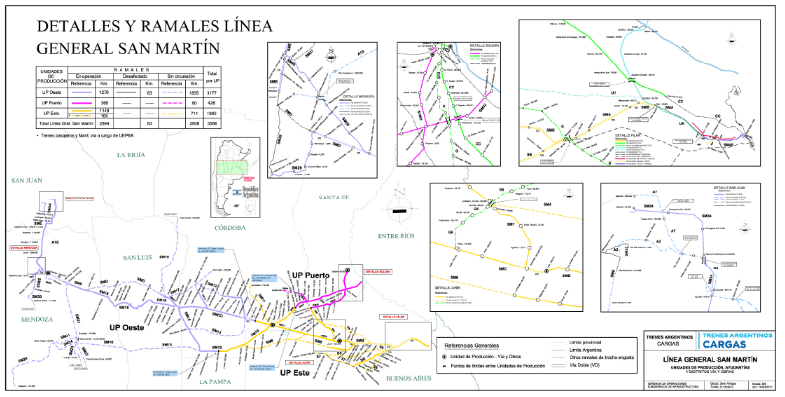
However, the implementation of privatization transformation is extremely difficult, and there is a lack of market participation willingness. Enterprises interested in participating in railway privatization explicitly refuse to bear the high cost of purchasing new vehicles and demand that the government complete the renewal of old vehicles first. Against the backdrop of tight national finances, the demands of government and enterprises are difficult to match, and the electrification renovation of the Saint Martin Line is difficult to implement in the short term. There is still great uncertainty in the upgrading of the line.Editor/Huang jiali
Comment

 Praise
 Collect
 Comment

 Share
Share


Write something~