 Search


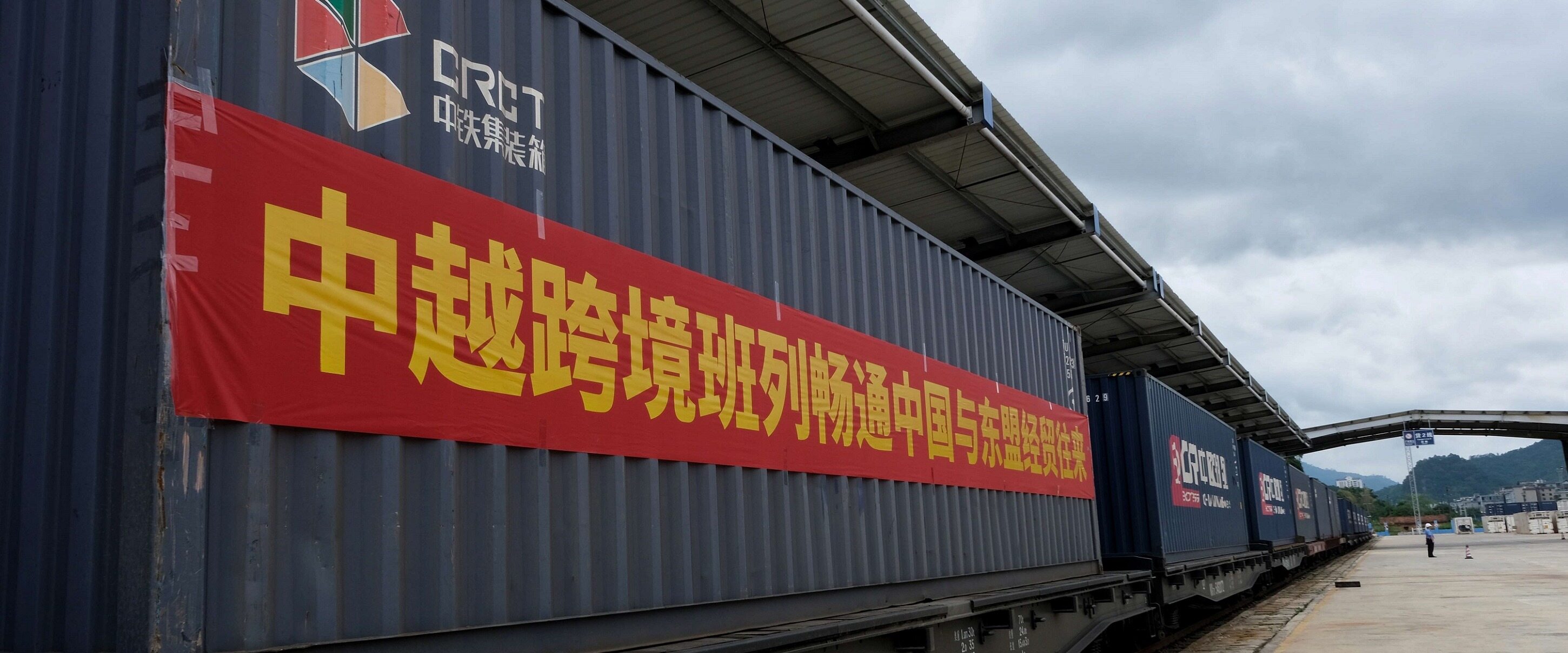
- To bring Chinese made products into the ASEAN market through stable, efficient, and low-cost land routes
- Adding momentum to the smooth flow of regional industrial chains
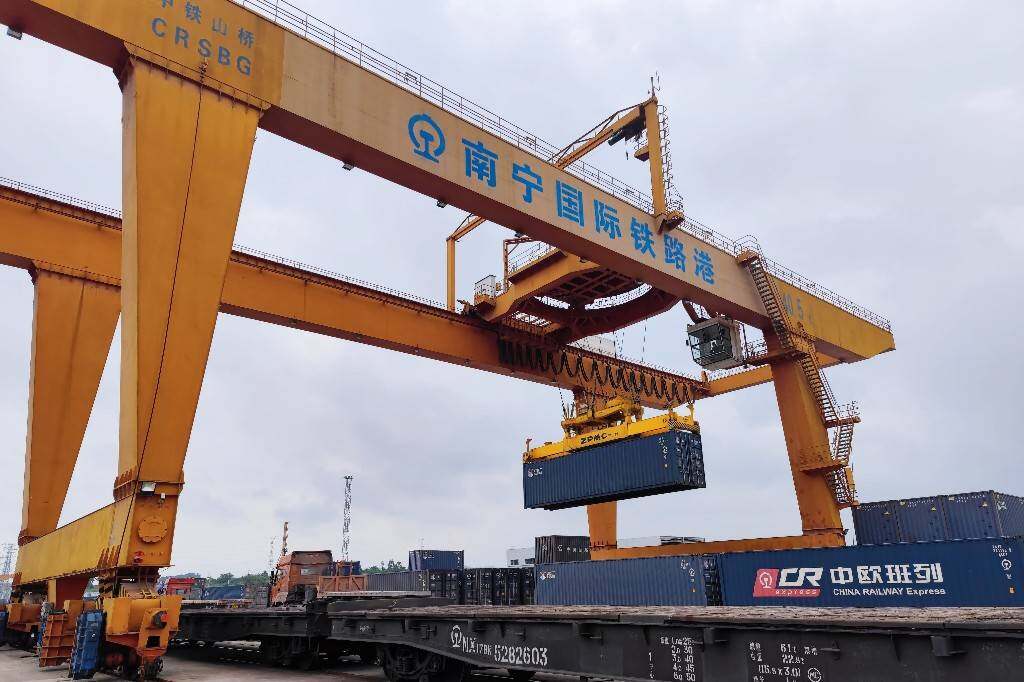
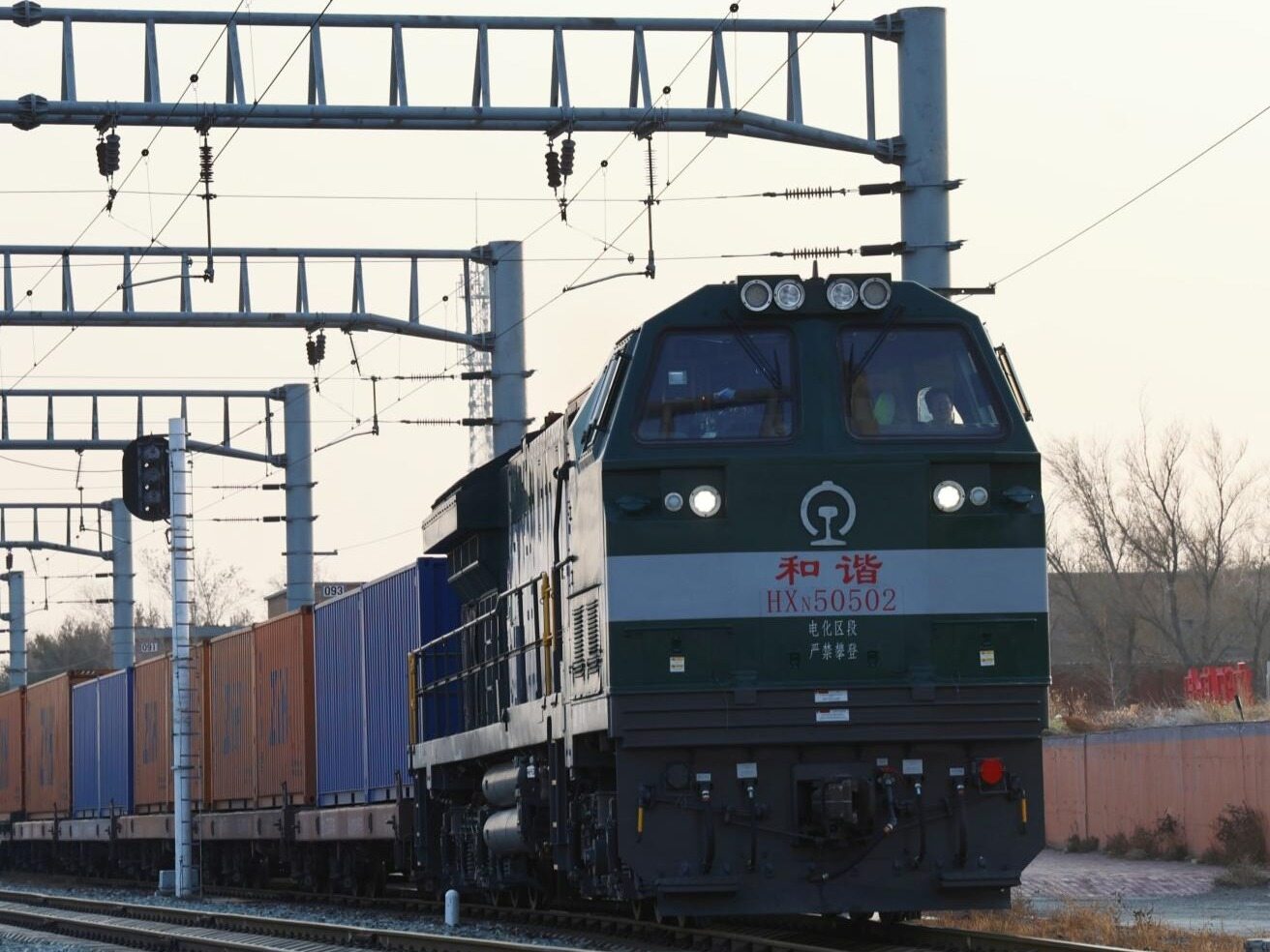
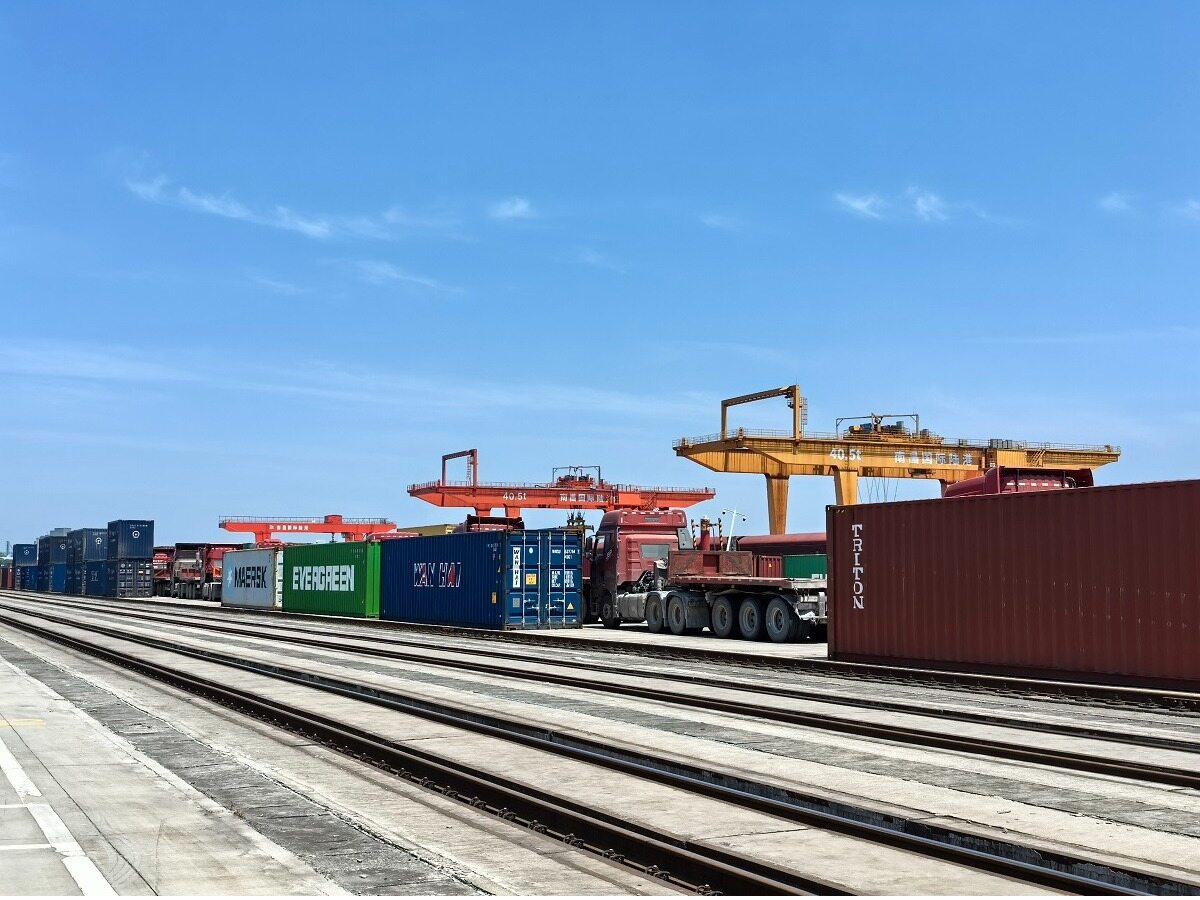
At Nanning International Railway Port in the early morning, on loading line 104, two gantry cranes were lifting and lowering simultaneously, and containers were steadily lifted onto flatbed trucks. The goods shipped on this day are polymeric ferric sulfate and automotive spare parts, which are about to cross 387 kilometers, exit through the Pingxiang railway port, and arrive at Anguan in Vietnam. This kind of scene is happening every day now.
Acceleration during clearance and running
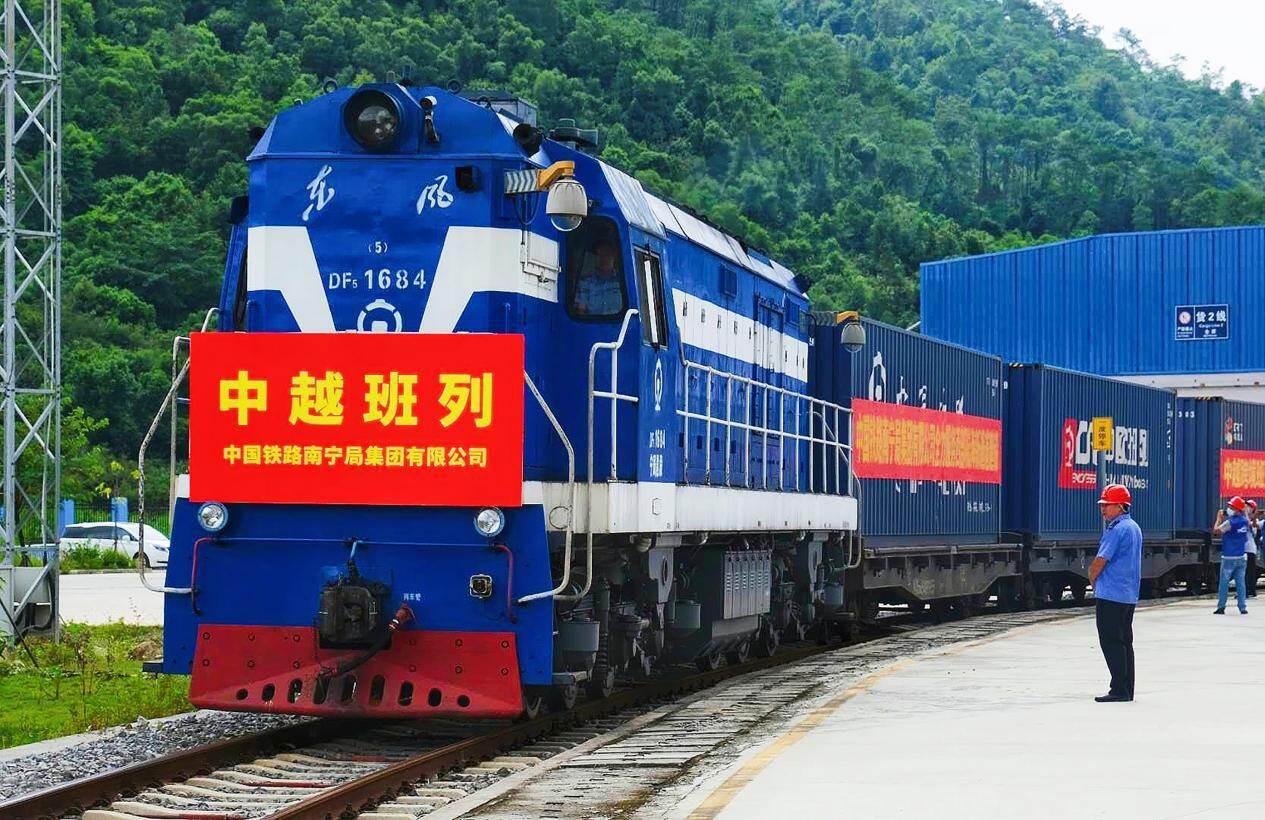
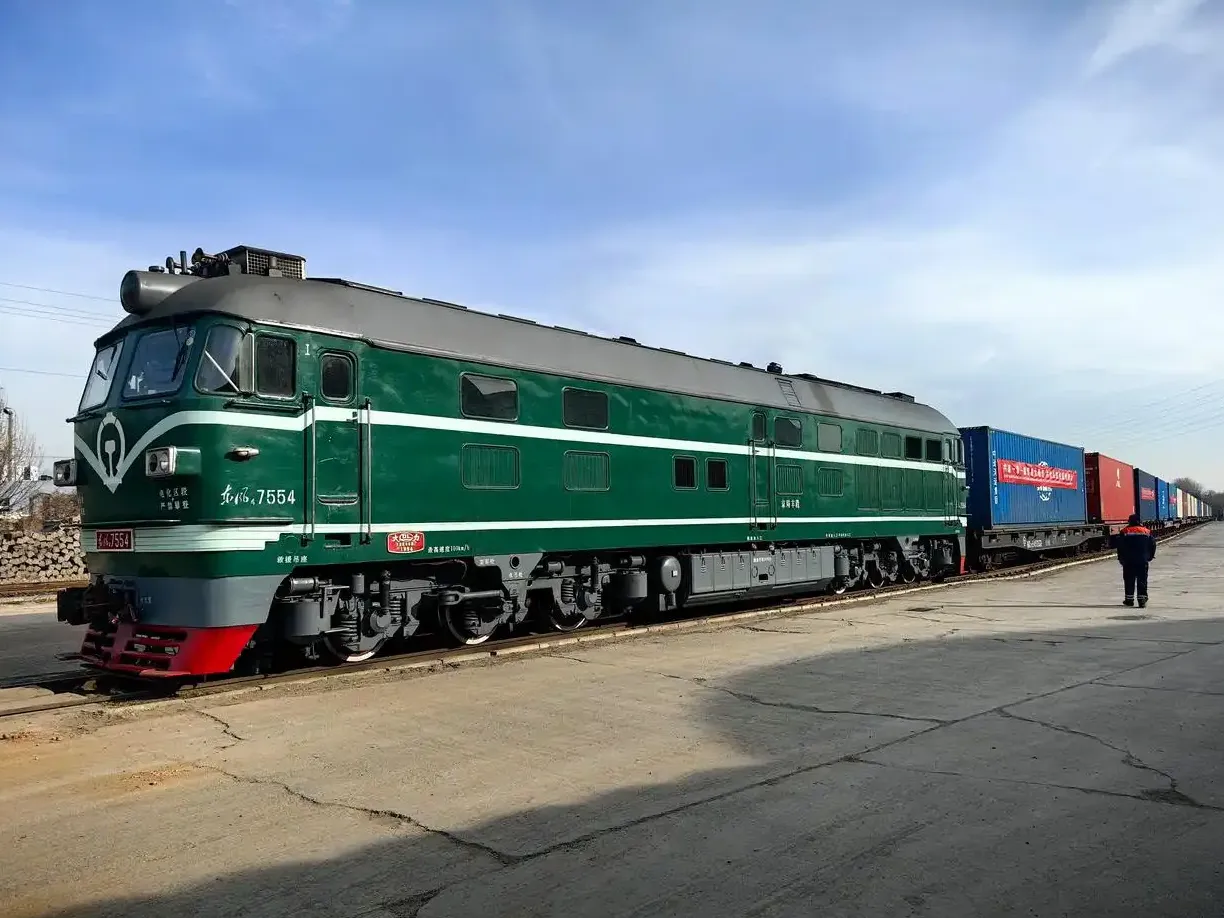
On November 28, 2017, the first China Vietnam train sounded its horn and departed, with a maximum formation of 24 cars per train. At the beginning of its operation, the number of trains running per month was less than 5, and the types of goods were relatively single. The turning point occurred in June 2023, when the railway rapid customs clearance mode began to be implemented - enterprises declared, inspected, and released goods in one go at the origin, and the goods were sealed throughout the entire process. After arriving at the port, there was no need for secondary inspection to pass directly, saving about 24 hours of customs clearance time and more than 200 yuan in costs per box.
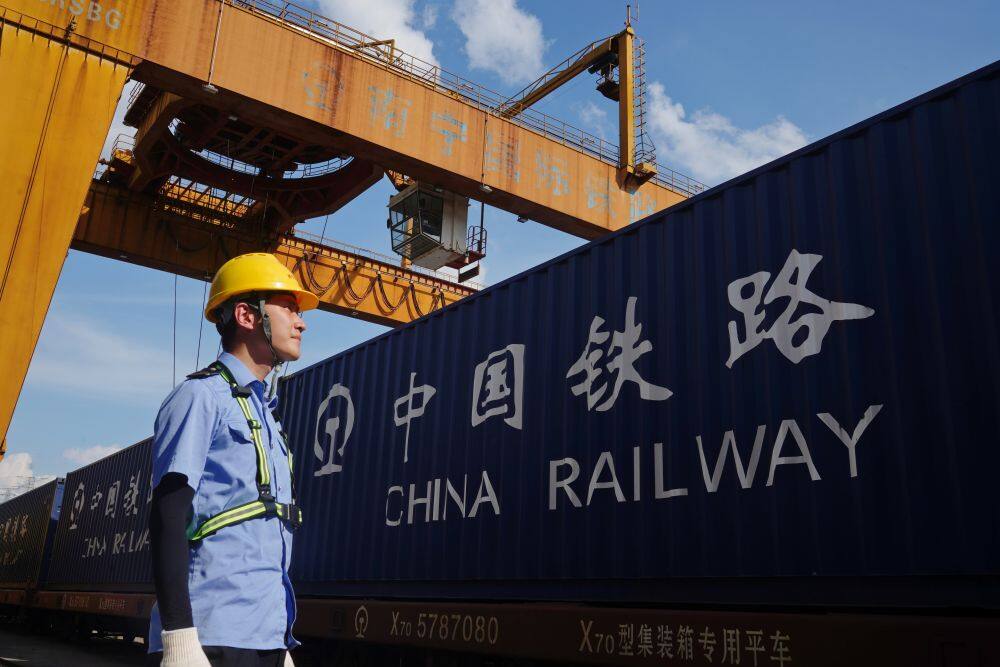
In the same year, the Nanning Pingxiang section of the Hunan Guangxi Railway completed a speed increase renovation, with trains running at a speed of 90 kilometers per hour. Afterwards, the railway departments of China and Vietnam negotiated and determined the schedule for the entire train journey, reducing the transportation time from Nanning South Station to Anyuan Station from over 40 hours to a maximum of 14 hours. Efficiency has improved, and trains have also entered the fast lane: since July 2024, there have been no less than one and no more than six trains running daily, and the overtime trains that used to be have become daily trains.
Small goods make big business
The change in the category of goods is the most indicative of the popularity of this channel. As of now, the China Vietnam freight trains have transported 455 types of export goods, including electronic products, machinery and equipment, chemical products, agricultural and sideline products, and daily necessities. From the initial basic building materials and light industrial products to today's high value-added goods, Chinese manufacturing loaded into containers is becoming increasingly abundant.
To meet the demand for small batches and multiple categories of LCL, Nanning International Railway Port has specially set up consolidation and transit warehouses, equipped with security inspection equipment, and arranged dedicated personnel to provide full process services. Zero bulk LCL shipment is no longer a major problem. The railway department also organizes transportation according to the principles of priority allocation, priority loading and unloading, priority inspection, and priority delivery, ensuring efficient connection between various links.
A line connects a large area
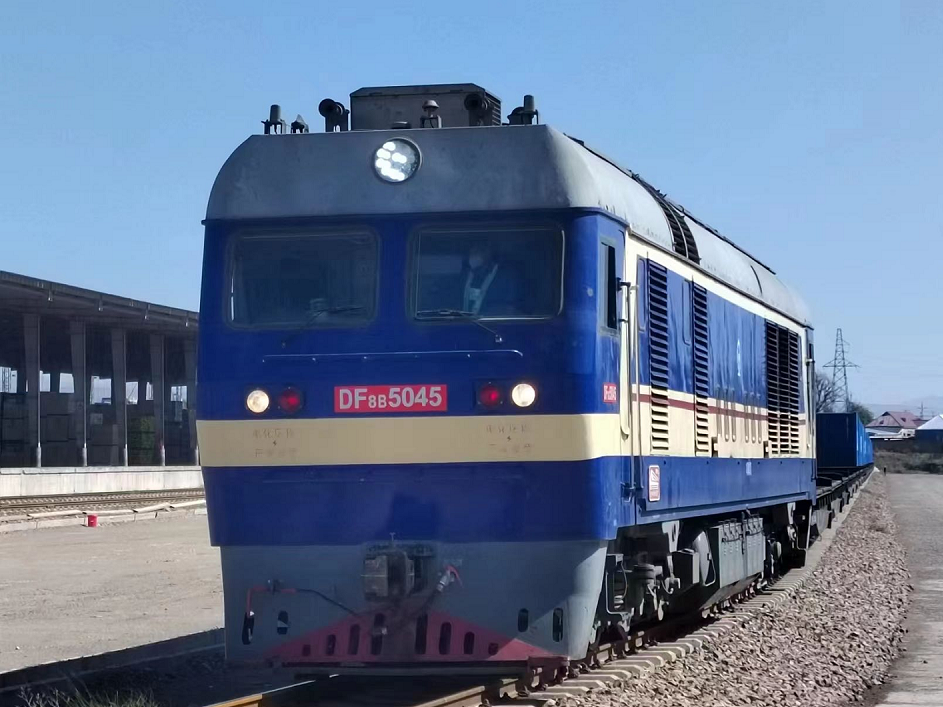
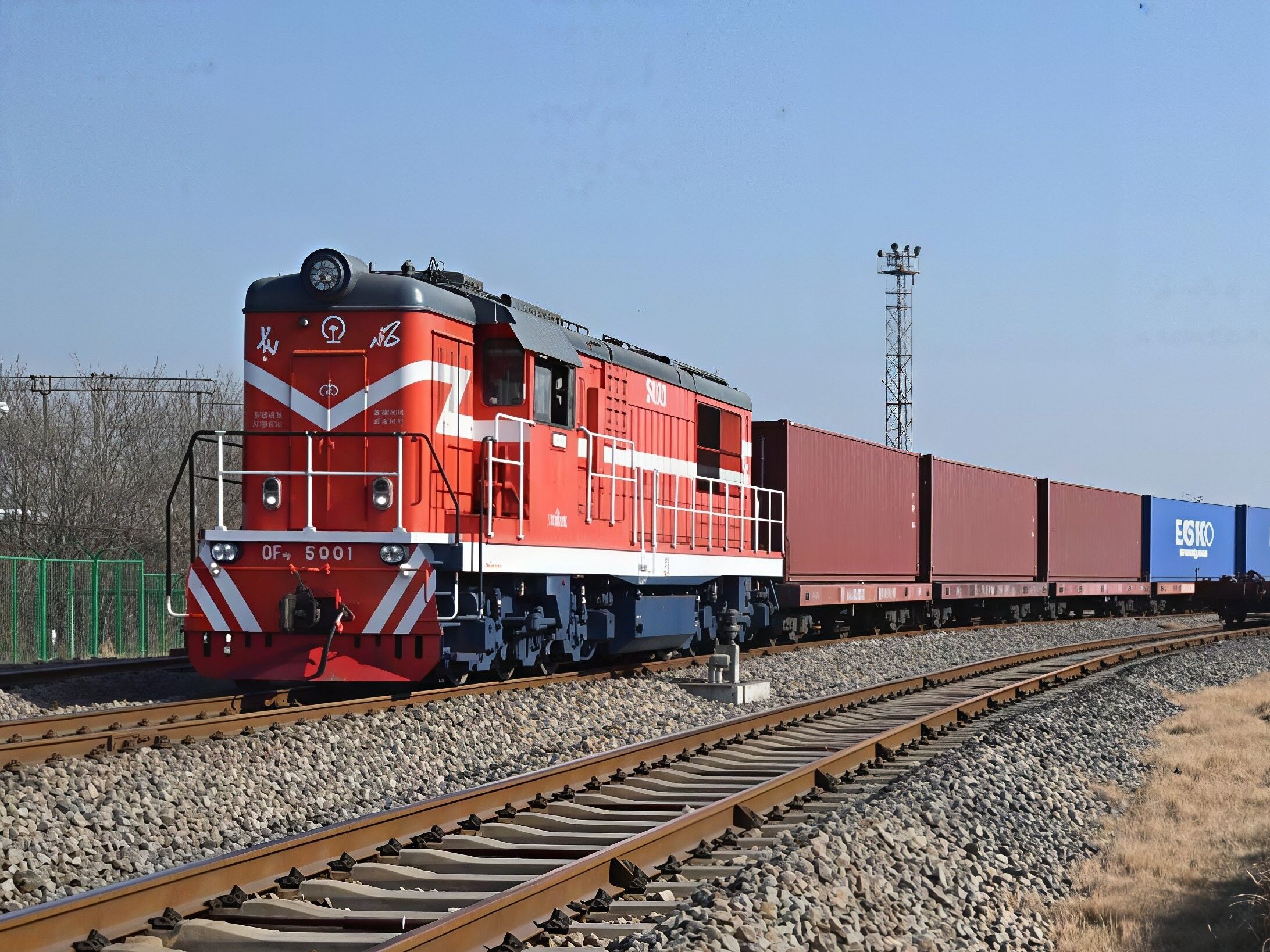
The China Vietnam train operates in a scheduled, fixed point, fixed train number, and fixed route mode. It departs from Nanning International Railway Port, exits through Pingxiang Railway Port, passes through Vietnam's Tongdeng and Jietuo, and ends at Anyuan. This line connects the source of goods from 25 provinces, autonomous regions, and municipalities in China on one end, and covers ASEAN countries such as Vietnam, Laos, and Thailand on the other end, forming a cross-border logistics channel with internal and external linkage, rich product categories, and wide radiation.
For enterprises, bookkeeping is easy: compared to sea freight, taking the China Vietnam train can save 3 to 5 days, with stable delivery time and affordable prices; Compared to highways, it has lower costs and is less affected by road conditions. The curve of transportation volume also sharply rises - sending 19000 TEUs in 2024, an increase of nearly 12 times compared to the same period in 2023; By 2025, 37000 TEUs will be sent, setting a new historical high; Since the beginning of this year, it has approached 30000 TEUs. As of October 12th, the cumulative shipment of goods by the train has exceeded 110000 TEUs.
In the darkness, another China Vietnam train departed from the railway port. The sound of wheels rolling over the railway tracks is the rhythm of China ASEAN economic and trade exchanges rushing forward in both directions and getting closer and closer. Nanning International Railway Port has become the largest distribution center for railway freight exports to Vietnam in China.Editor/Yang Meiling
Comment


 Praise
 Collect
 Comment

 Share
Share


Write something~