 Search


- Over the past decade, we have jointly built the the Belt and Road to complement our weaknesses through connectivity
- Let the countries of the global South reap growth, employment, and hope on the path of industrialization, laying a development belt that benefits the world
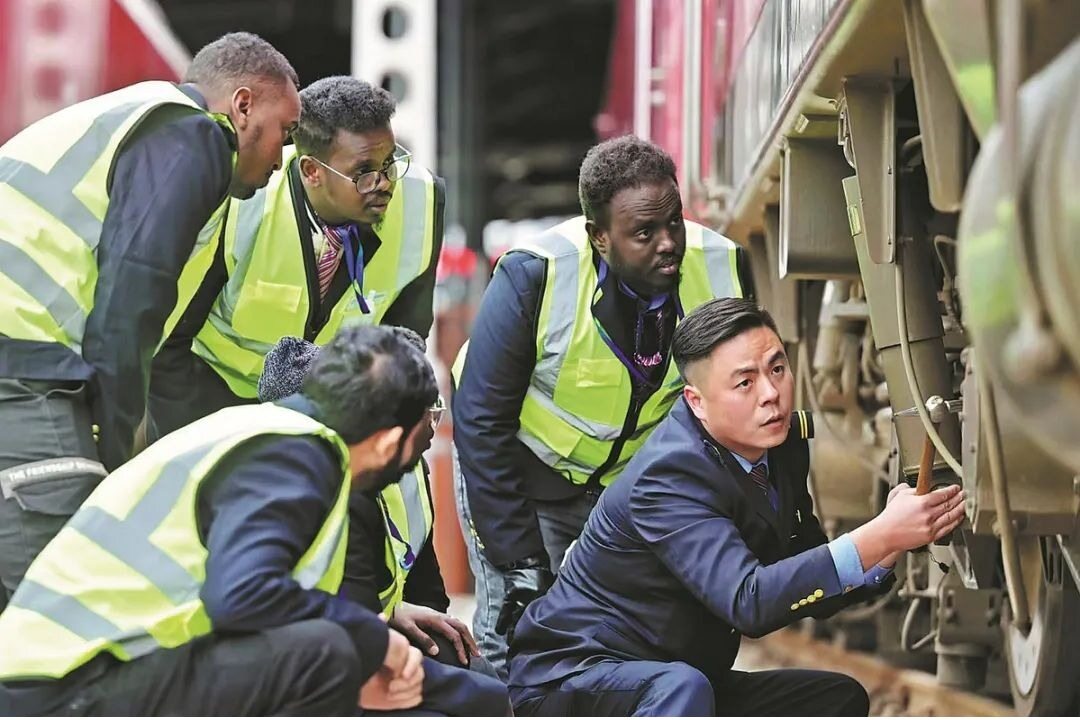
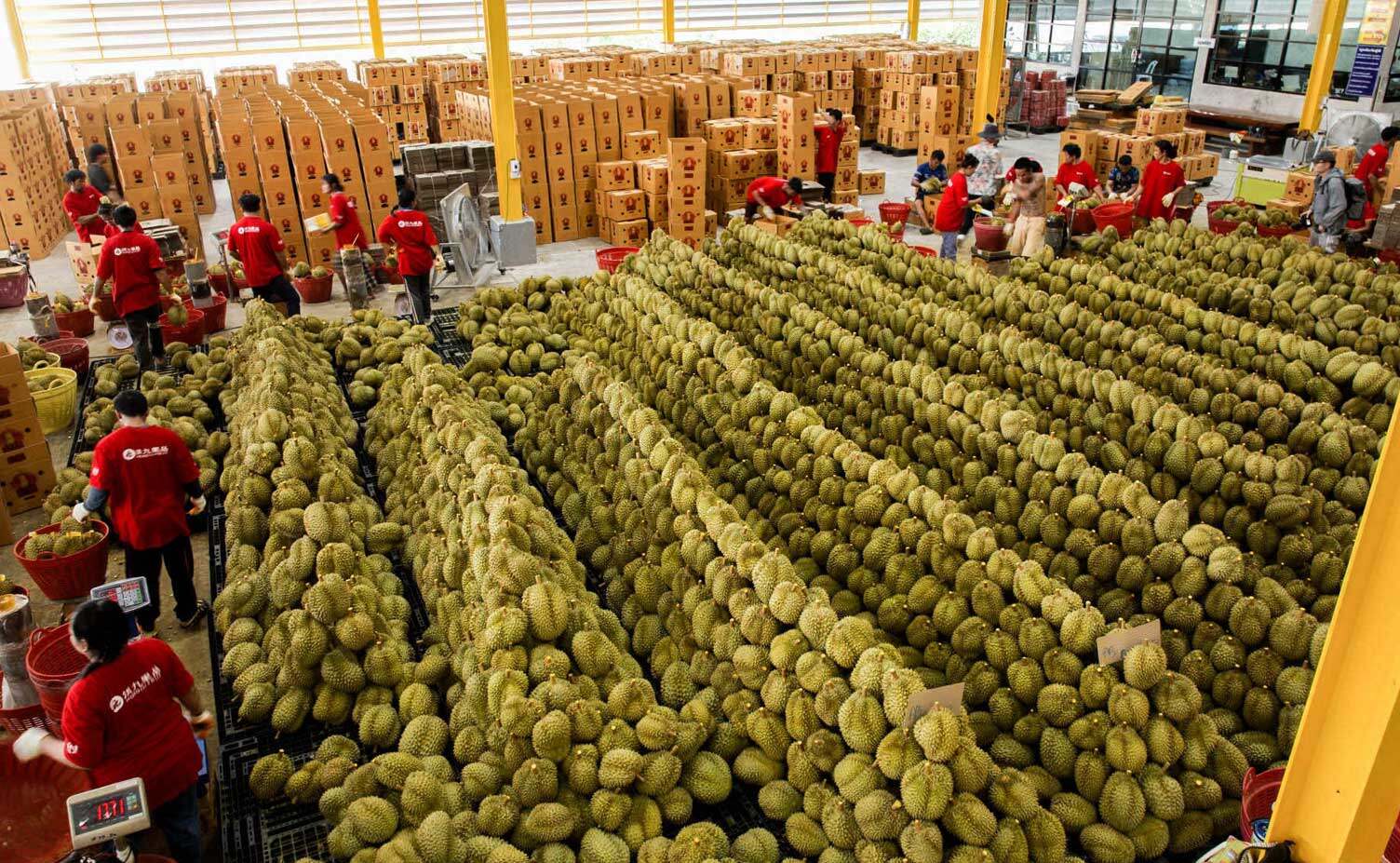
In the early morning, at Vientiane South Station in Laos, boxes of freshly picked durians were lifted into cold chain containers and will arrive in Kunming in 26 hours. A few years ago, the same journey required trucks to travel between mountain roads for five to seven days. Change comes from one railway, but also from the increasingly encrypted interconnection network under the the Belt and Road Initiative. Since its proposal in 2013, this initiative has adhered to the principle of extensive consultation, joint construction, and shared benefits. Currently, more than 150 countries and 30 international organizations have signed cooperation documents, and over 4000 projects have been implemented, driving investment of nearly 1 trillion US dollars and providing a systematic solution for countries in the global South to fill their development gaps and integrate into the global value chain.
Both buying and selling are thriving
Trade is the most intuitive footnote to mutual benefit and win-win. According to customs statistics, in the first half of 2026, the import and export of goods of China and the countries jointly building the the Belt and Road will reach 12.97 trillion yuan, up 14.8% year on year, accounting for 50.9% of China's total foreign trade value. Looking at the extended period, the bilateral trade in goods increased from 2.7 trillion US dollars to 3.1 trillion US dollars from 2021 to 2024, with an average annual growth rate of 4.7%, maintaining stability against the backdrop of weak global trade. On the export side, the proportion of high value-added products such as construction machinery, new energy equipment, and wind turbines is steadily increasing; On the import side, energy, minerals, and specialty agricultural products are continuously entering China, turning into stable fiscal revenue for the host country. The system is also reducing costs and increasing efficiency: the China ASEAN Free Trade Area 3.0 upgrade protocol has been implemented, multiple free trade agreements have come into effect, and by the end of 2025, China has signed AEO mutual recognition agreements with 38 co building countries. Regional trade is moving from commodity flow to rule integration.
The more woven the road network, the denser it becomes
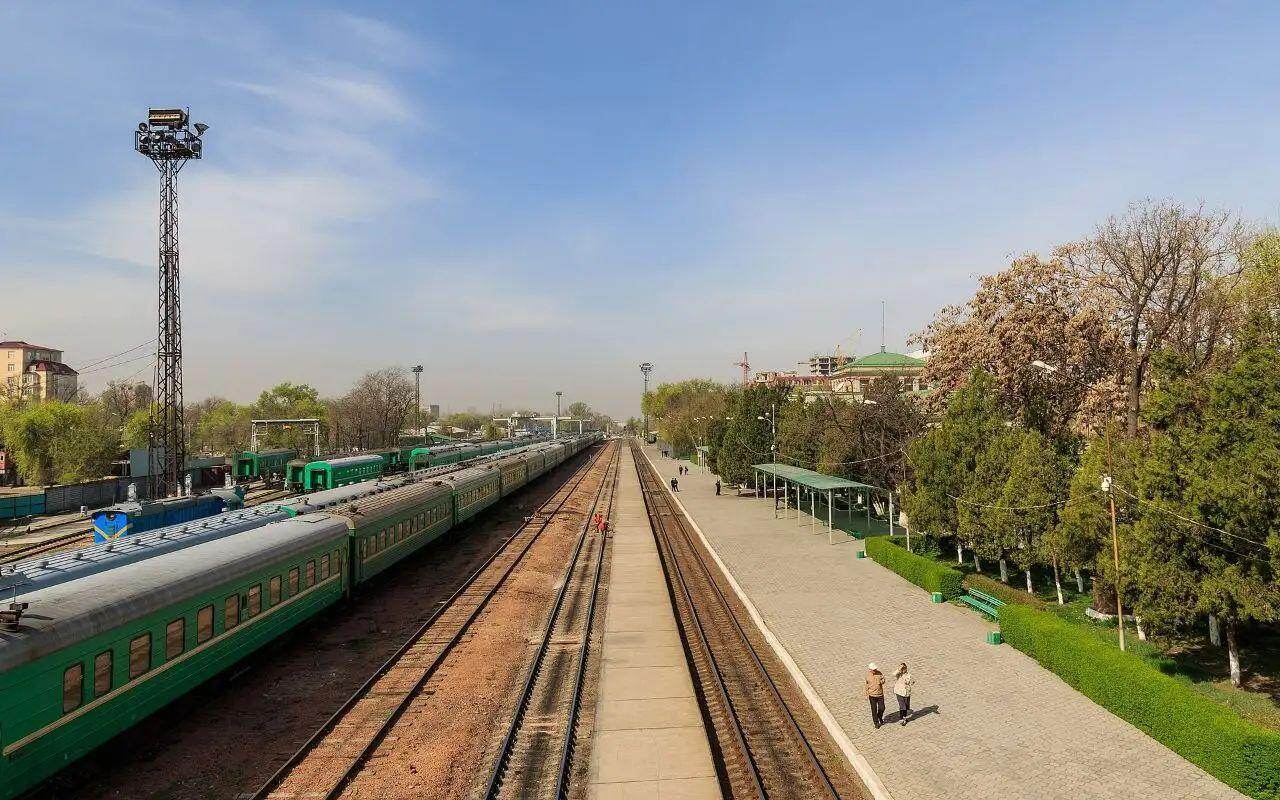
Multiple channels are necessary for resilience. In view of the geopolitical risks of traditional maritime and land transport, the the Belt and Road Initiative has been jointly built to form a parallel pattern of three Eurasian land routes in the north, middle and south. The China Kyrgyzstan Uzbekistan Railway, the new land and sea channel in the west, and the trans China maritime transport corridor continue to expand, and multiple channels are backup to each other. Soft Unicom is also the key: China Laos Railway innovates the customs rail connection mode, and the customs clearance time of goods is reduced by more than 50%, while the customs clearance at Mohan Port is reduced from 40 hours to 2 to 5 hours; The cumulative rules of origin in the Regional Comprehensive Economic Partnership Agreement make the flow of production factors smoother. On the other side of the Pacific, the Chancay Port in Peru has a container throughput of over 270000 TEUs in just one year, and local avocados can be served on Chinese tables in just 31 days.
Dancing on the Industry Chain
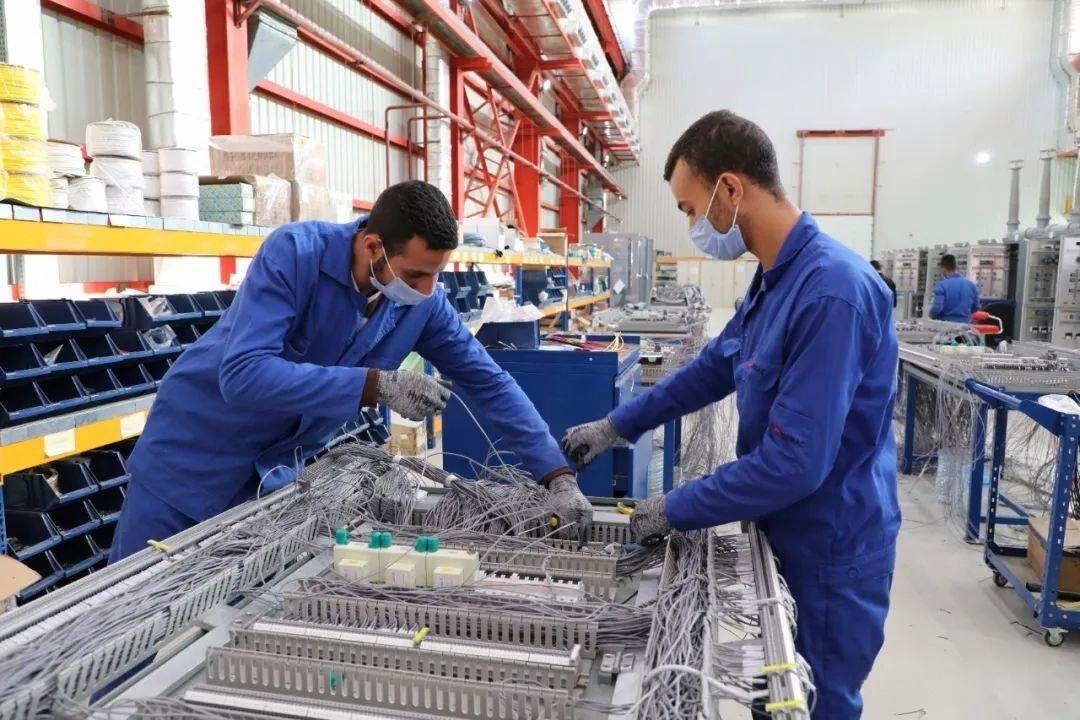
China provides core equipment, technology, and funding, while partner countries participate in division of labor based on their resource and labor advantages. Cross border industrial chains such as new energy, electronic information, and agricultural product processing are gradually taking shape. In Indonesia, the battery ecosystem project involving Chinese enterprises covers the entire chain from laterite nickel ore to battery cell manufacturing; In Tajikistan, the Zhongta Agricultural Textile Industrial Park has shifted cotton from selling raw materials to selling ready to wear clothing, increasing the yield per mu from about 100 kilograms to over 400 kilograms. The argument of China squeezing is self defeating in the face of these facts - for over a decade, all cooperation projects have been based on the host country's development demands and independent will, without any political conditions attached.
Standing at a critical juncture of the second golden decade, China will continue to uphold the correct concept of righteousness and benefit, and promote cooperation towards broader, deeper, and higher quality areas. This will not only expand the cake of common interests, but also ensure that the fruits of development benefit people from all countries in a more equitable manner.Editor/Yang Meiling
Comment


 Praise
 Collect
 Comment

 Share
Share


Write something~