 Search


- CR increases locomotive updates to strengthen freight capacity and support stable railway growth
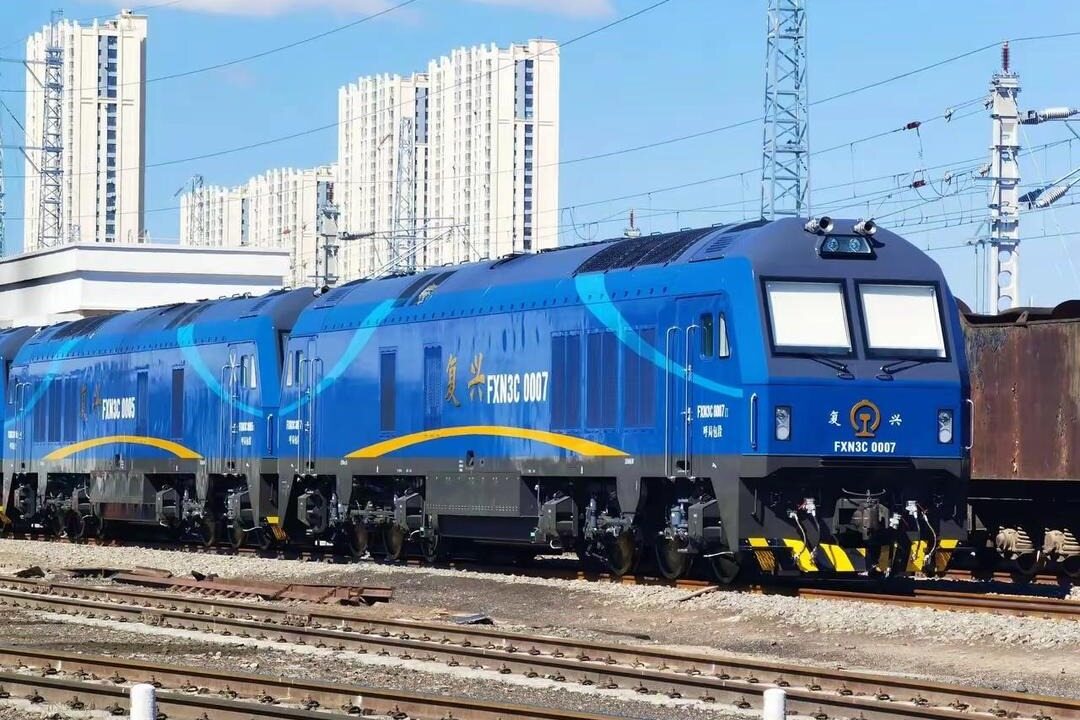
Multiple non electrified railways in China have welcomed the replacement of locomotives, and CR has launched a new round of internal combustion locomotive procurement. The total amount of locomotive procurement for the year is close to 60 billion yuan, which not only completes the iteration of old vehicles, but also drives the transformation of parts and the upgrading of operation and maintenance modes, laying a solid foundation for ensuring the smooth operation of bulk freight transportation.
Balancing investment and debt management
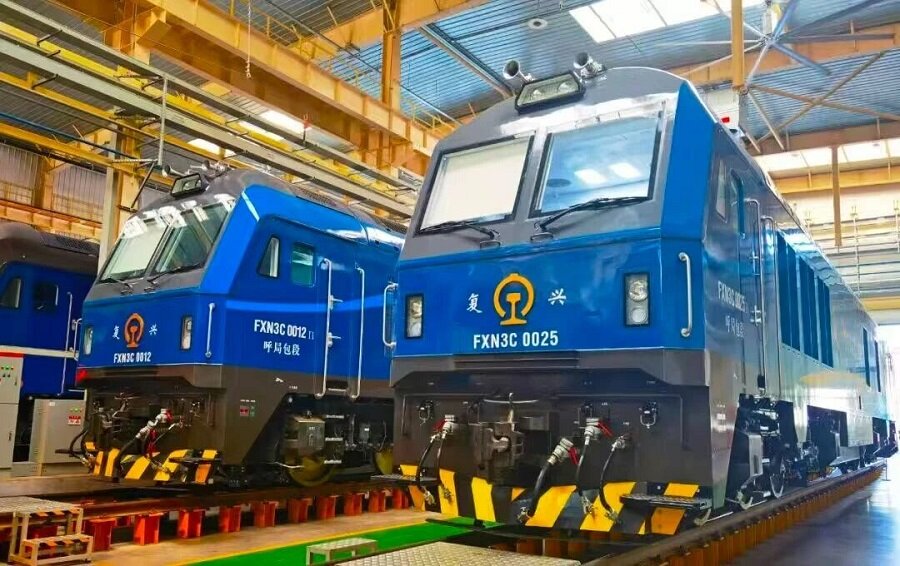
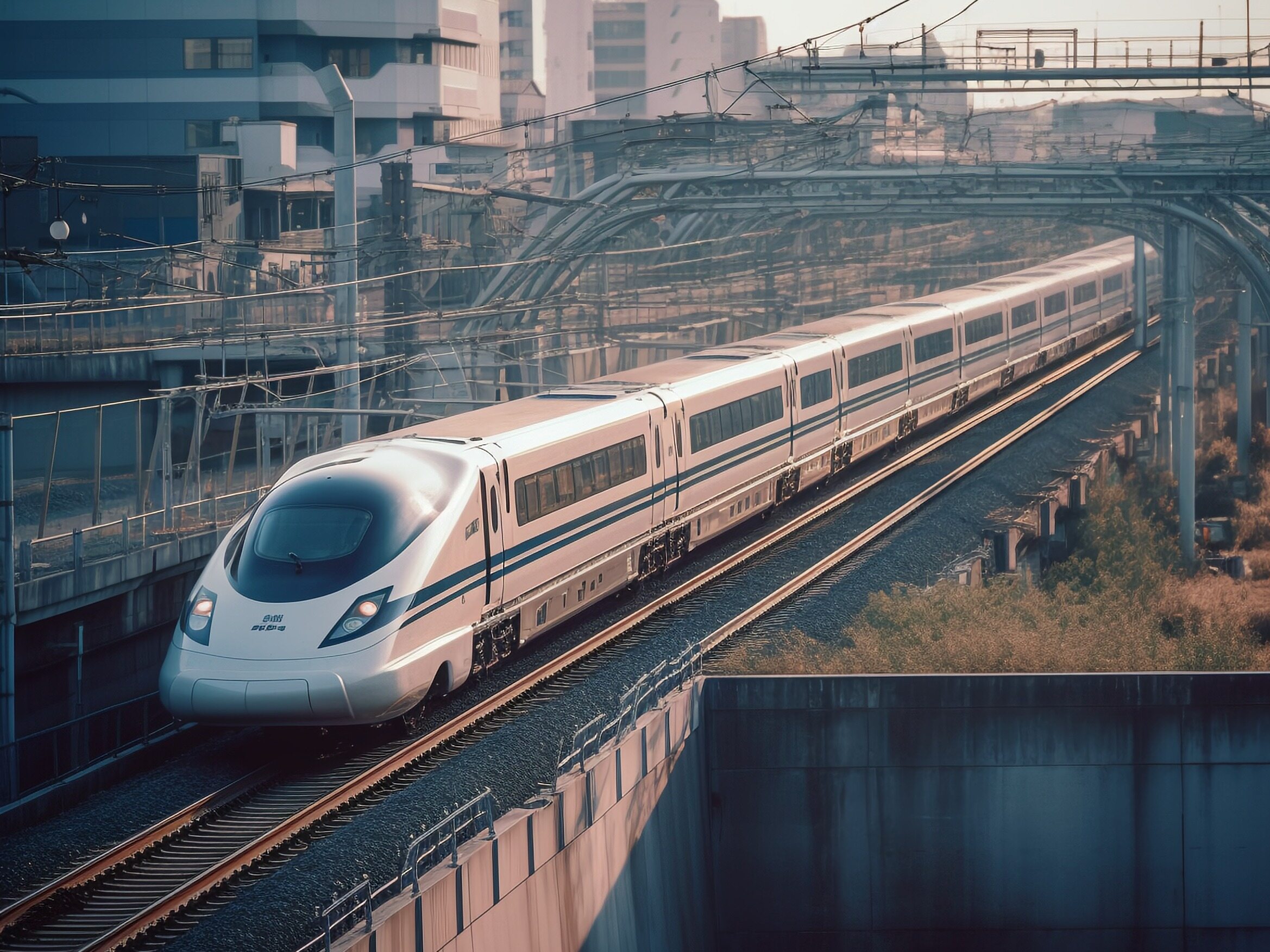
The 4400 horsepower diesel locomotive for this bidding belongs to the Fuxing locomotive family, with models FXN3C and FXN5C, a installed power of 3500 kilowatts, a maximum speed of 120 kilometers per hour, and emissions meeting EPA Tier3 standards. At present, only CRRC Dalian and CRRC Qishuyan have the qualification to supply, with a total price of about 2 billion yuan for 100 locomotives. In the first half of the year, CR has landed over 50 billion yuan worth of orders for high-speed train locomotives and freight cars, and combined with the annual procurement scale of this project, it is close to 60 billion yuan. This round of investment mainly focuses on replacing old locomotives, filling in the shortcomings of non electrified line traction, balancing funds with debt control, strictly following the annual investment plan, relying on self owned funds and market-oriented financing to ensure rigid renewal investment, and adopting comprehensive evaluation of equipment value through full life cycle cost management.
Orders drive the expansion of the industrial chain
High power diesel locomotives have officially entered the update cycle, and during the 15th Five Year Plan period, demand will mainly be replaced by CR stock, supplemented by local industrial and mining railways. The new car unifies the specifications of key components to achieve component exchange, opens up a new mode of centralized maintenance, and forms synergy between manufacturing business and long-term operation and maintenance. The division of labor and cooperation between the two major automakers ensure the supply of production capacity, and the localization of locomotive core components is independently controllable. Enterprises rely on long-term contract price locking and centralized procurement to offset the cost pressure caused by rising raw material prices. Production capacity can be flexibly adjusted according to the rhythm of orders to avoid blind expansion. Keywords: CR equipment procurement, diesel locomotives, railway freight transportation
Freight transportation capacity is fully strengthened
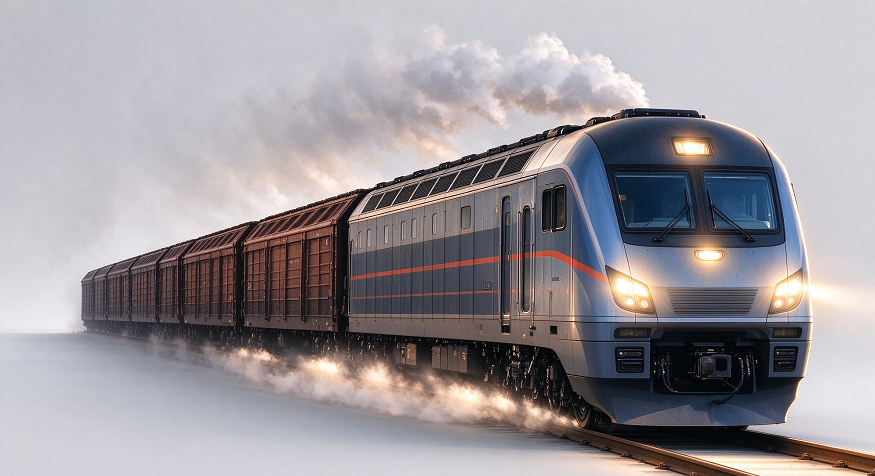
These new cars are mainly deployed on non electrified mainline industrial and mining dedicated lines, as well as emergency support sections of the road network, to replace early Harmony series old locomotives and improve the reliability of line transportation. Passenger transportation equipment focuses on improving travel quality to drive revenue, while freight transportation equipment focuses on stabilizing bulk cargo sources to ensure road network turnover efficiency. The return logic of the two is different. With the mass deployment of locomotives, the transportation capacity of freight channels continues to increase, providing strong support for the incremental action of railway freight transportation and ensuring the stable transportation of key materials such as energy and food.Editor/Min Jing
Comment

 Praise
 Collect
 Comment

 Share


Write something~