 Search


- By 2030, the synergy of computing and electronics is expected to exceed trillions
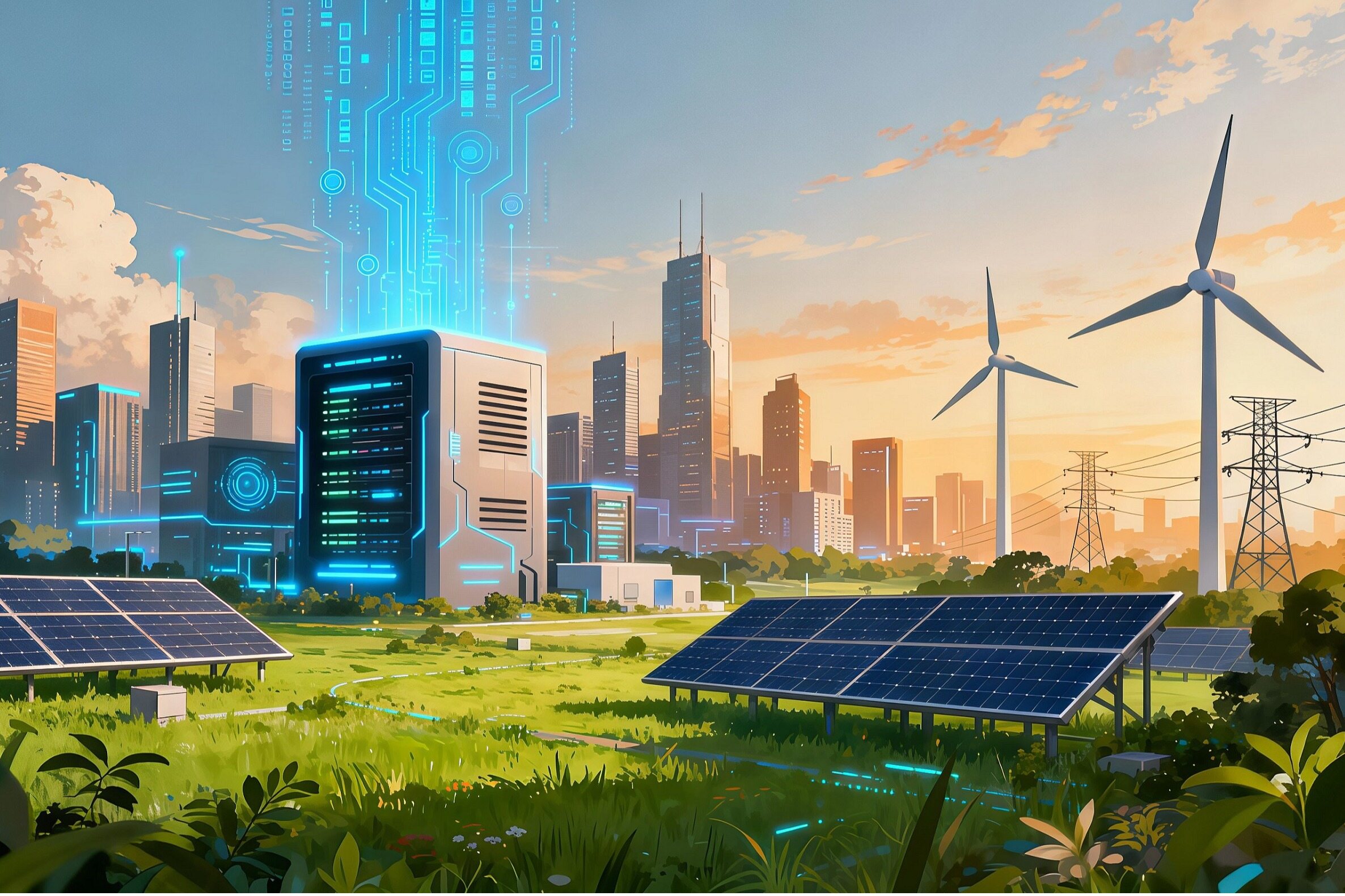
When the power consumption of a large AI model during training is comparable to the annual electricity consumption of a small town, there are billions of kilowatt hours of green electricity idle under the photovoltaic panels in the western Gobi, and an industrial transformation that spans the east and west, connecting digital and energy, is accelerating. 2026 is widely recognized by the industry as the first year of collaborative development in computing and electronics. From its initial inclusion in government work reports, to the joint issuance of action plans by four departments, and to the intensive implementation of projects in various regions, computing and electronics collaboration is rapidly moving from an industry concept to a deep water area for national strategic implementation.
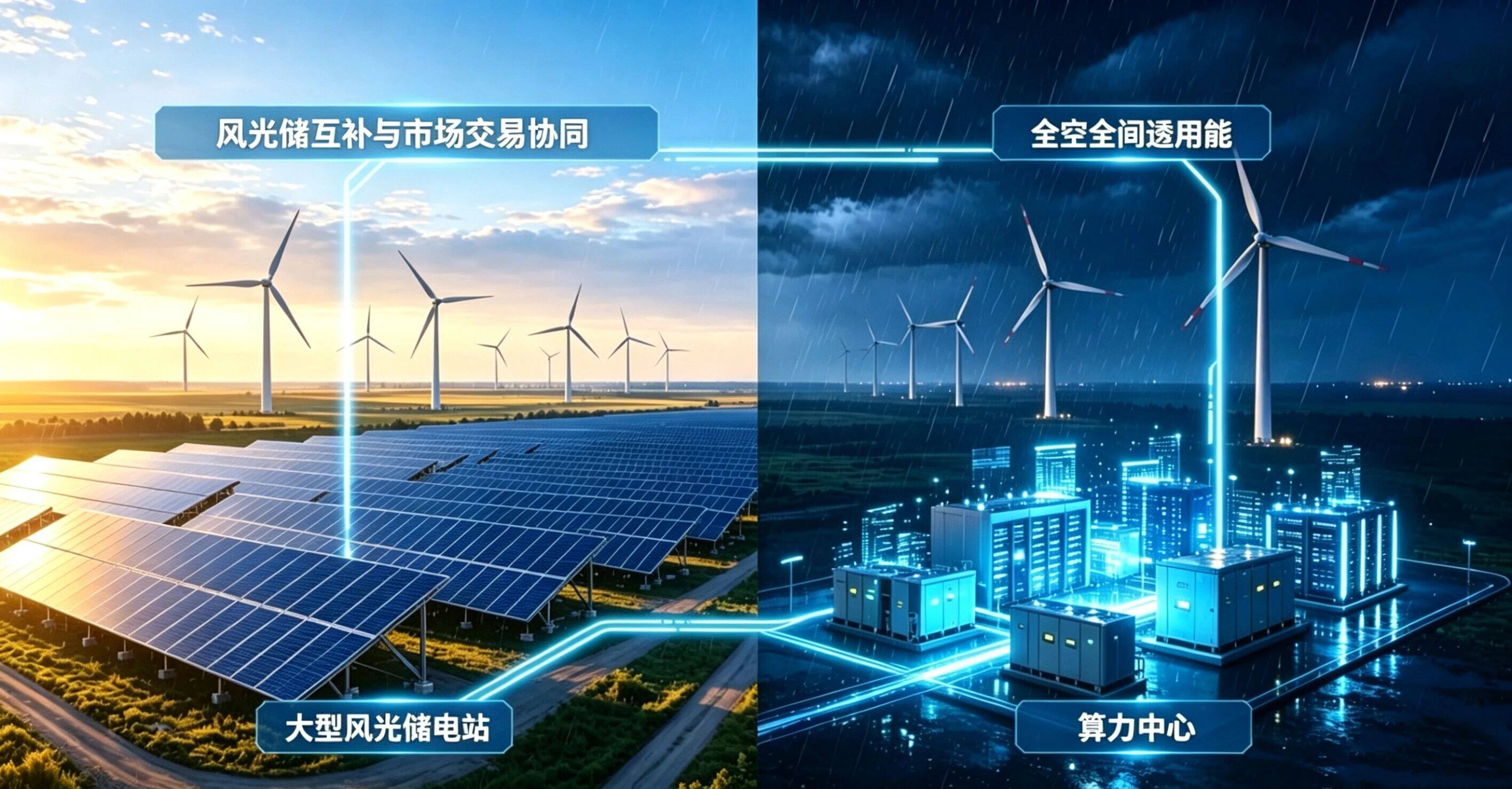
The first year of collaborative computing begins
The temperature rise of computer collaboration is not achieved overnight. The East West Computing Project will be launched from 2021 to 2023, with the eight major national computing power hub nodes defining a spatial framework for cross regional collaboration between computing power and energy in the east and west. The core logic is the westward shift of computing power. From 2024 to 2025, the policy direction will shift from directional advocacy to quantitative hard constraints. The proportion of green electricity in newly built data centers at national hub nodes is explicitly required to exceed 80%, and green electricity will become the entry threshold for computing power projects. In the 2026 government work report, for the first time, the integration of computing and electronic technology and ultra large scale intelligent computing clusters were included in the new infrastructure project. In April of the same year, four departments jointly issued an action plan, deploying 29 key tasks and clarifying the establishment of a preliminary energy security system for a safe and green economy by 2027, and achieving world leading levels by 2030. According to the prediction of China Investment Corporation Industry Research Institute, the scale of the domestic computing and computer collaborative market will soar to 180 billion yuan by 2026, and is expected to exceed 1 trillion yuan by 2030, with a growth rate of nearly ten times in five years. CITIC Securities estimates that related investments during the 15th Five Year Plan period are expected to reach 2 trillion yuan. As of March 2026, nearly 60 listed companies have voluntarily disclosed the progress of their computer collaboration related businesses.

Three modes of rooting
Various regions have taken differentiated paths based on their resource endowments. In the western green power direct supply model, the first phase of the 500000 kW photovoltaic project for the data center of Ningxia Zhongwei Datang Cloud Base has been put into operation, with an overall plan of 2 million kW and a total investment of 8.7 billion yuan. It adopts a physical direct supply and bilateral transaction dual track parallel power supply system, and is expected to save over 100 million yuan in electricity costs for the data center every year in the next 10 years. Inner Mongolia Helingeer China Huadian Construction's first project dedicated to providing green power directly to data centers. The first phase of the 360000 kW wind and solar farm is directly supplied through dedicated lines, with green power accounting for 43%. In the hydropower and computing power mode, the Lianghekou Hydropower Station on the Yalong River in Sichuan Province has turned the construction tunnel group into treasure and built China's first high-altitude cave style computing power cabin intelligent computing center, deploying 2000 domestically produced computing chips. The Zhejiang Jinshuitan Green Data Center draws 13 degree Celsius cold water from deep within the reservoir to cool down the computer room, with a stable PUE of around 1.13. In the coastal innovation model, the Shanghai Lingang Subsea Data Center adopts a direct connection of offshore wind power and natural seawater cooling mode, and Guangdong promotes the first participation of computing power load in the Guangdong Hong Kong Macao Greater Bay Area as a virtual power plant in the electricity spot market transaction. Keywords: High tech News Network, Computing Power, Computer Science Collaboration AI
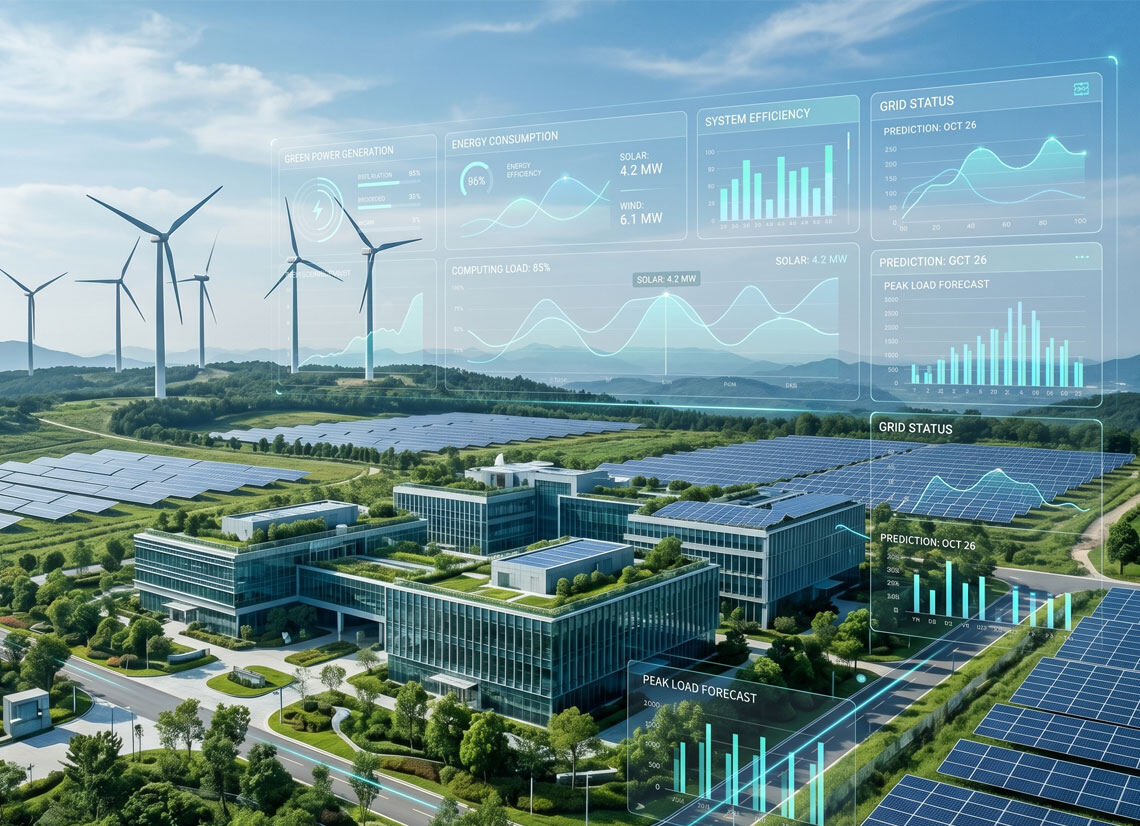
The four major bottlenecks urgently need to be overcome
The difficulty of the trading mechanism lies in the cumbersome and high cost of the green power direct supply trading process. The environmental value has not been effectively reflected in the pricing of computing power products, and there is a mismatch between the lifespan of computing power equipment of 5 to 10 years and the 25 year operating cycle of new energy projects. The pain of infrastructure connection lies in the fact that data center construction is carried out on a monthly basis, while power grid planning and construction are carried out on an annual basis. The two are naturally out of sync, and the weak network structure in some areas of the Three North makes it difficult to support large-scale computing power loads. The shortage of scheduling technology lies in the lack of unified technical specifications, data formats, and interface protocols for joint scheduling of computing and electricity. Power, computing power, and carbon emission data belong to different entities, and some hub nodes are experiencing situations where there is electricity but no computing, and where there is computing but no electricity. The hidden security risks lie in the fact that computer collaboration relies on real-time sharing of sensitive data, and the higher the system coupling, the greater the risk of data leakage and network attacks. Some high-end computing chips have a high degree of external dependence. The way to break through the situation lies in improving the trading mechanism to release the value of green electricity, coordinating infrastructure layout to avoid supply-demand mismatch, filling in technological gaps to achieve precise collaboration, consolidating the security foundation, and building industrial barriers.Editor/Gao Xue
Comment



 Praise
 Collect
 Comment

 Share


Write something~