 Search


- The completion of the Xijiang project provides additional support for stable production in the eastern South China Sea
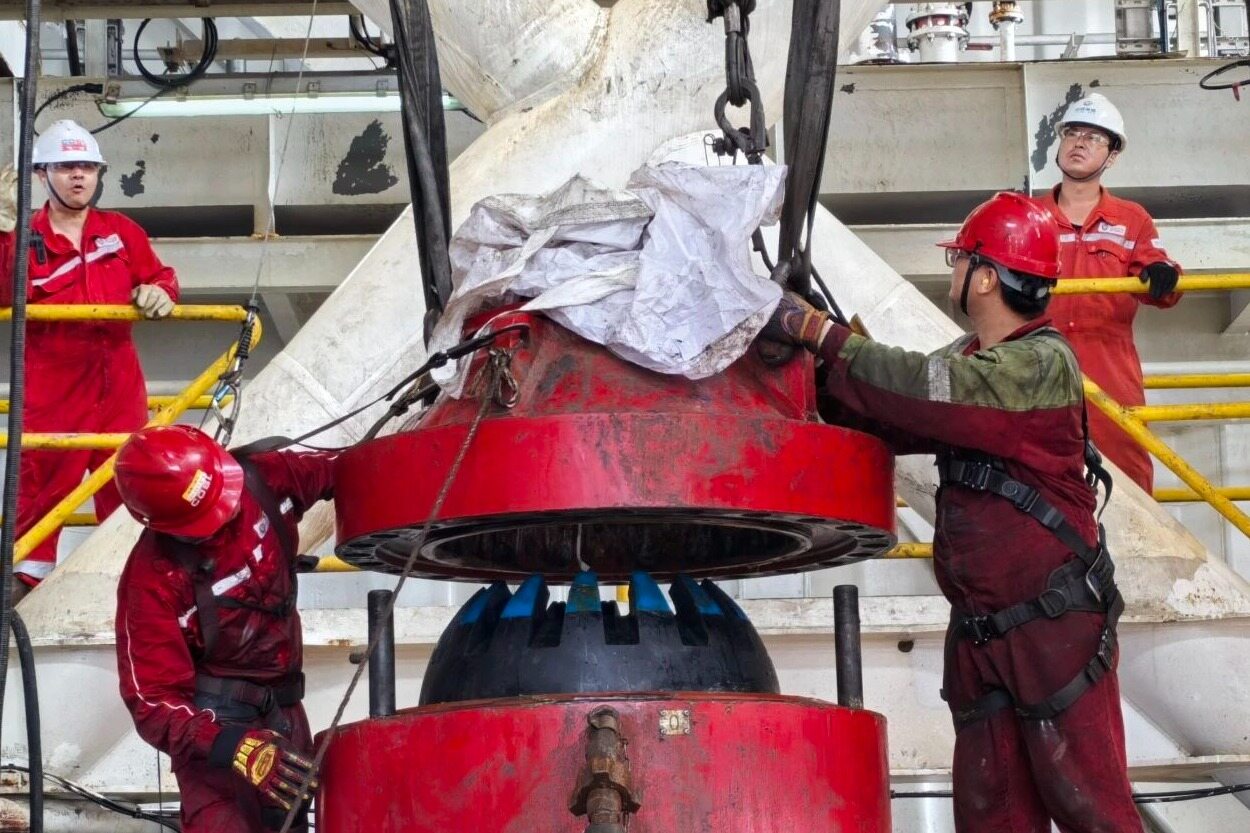
The sea breeze wraps around the waves, and the drilling platform lights up all night long. The last development well has been steadily delivered, and all 22 development wells of the Xijiang 30-1 area development project in Xijiang 30-2 oilfield have been completed. The project will be launched in August 2024, with a cumulative footage of nearly 110000 meters. It aims to carve out oil pipelines for the oil fields in the eastern South China Sea in complex sea conditions, adding another powerful force to efficient development.
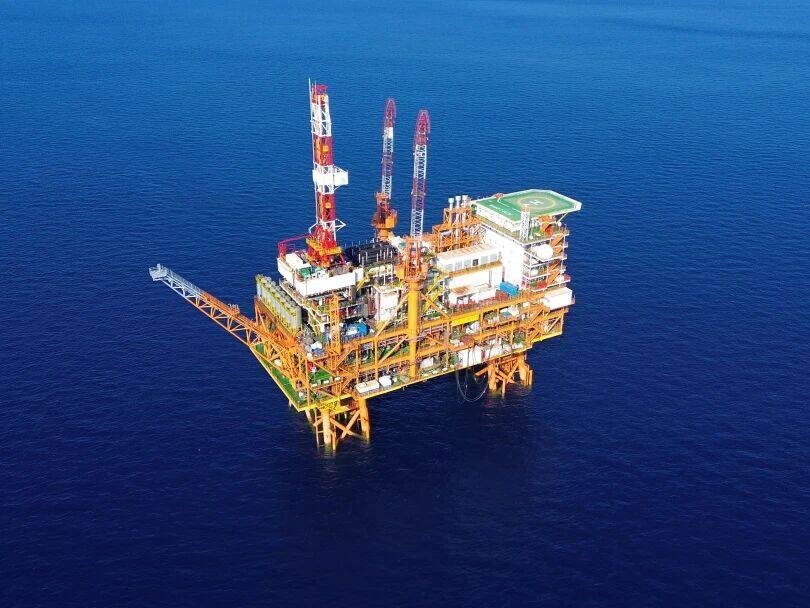
Multi party cooperation to safeguard peace
Every meter of footage is on the safety string. The fourth party branch of Shenzhen Deepwater Engineering Technology Center, in conjunction with the platform party branch and the oil service integration party branch, carried out joint construction and collaborative efforts in party building. Multiple professional teams specializing in drilling, directional wells, drilling fluids, and cementing have rooted themselves in the front line of the sea and fought side by side, strictly grasping well control management, consolidating safety and environmental protection full process control, achieving zero safety accidents throughout the entire process, and achieving a 100% qualification rate for cementing operations.
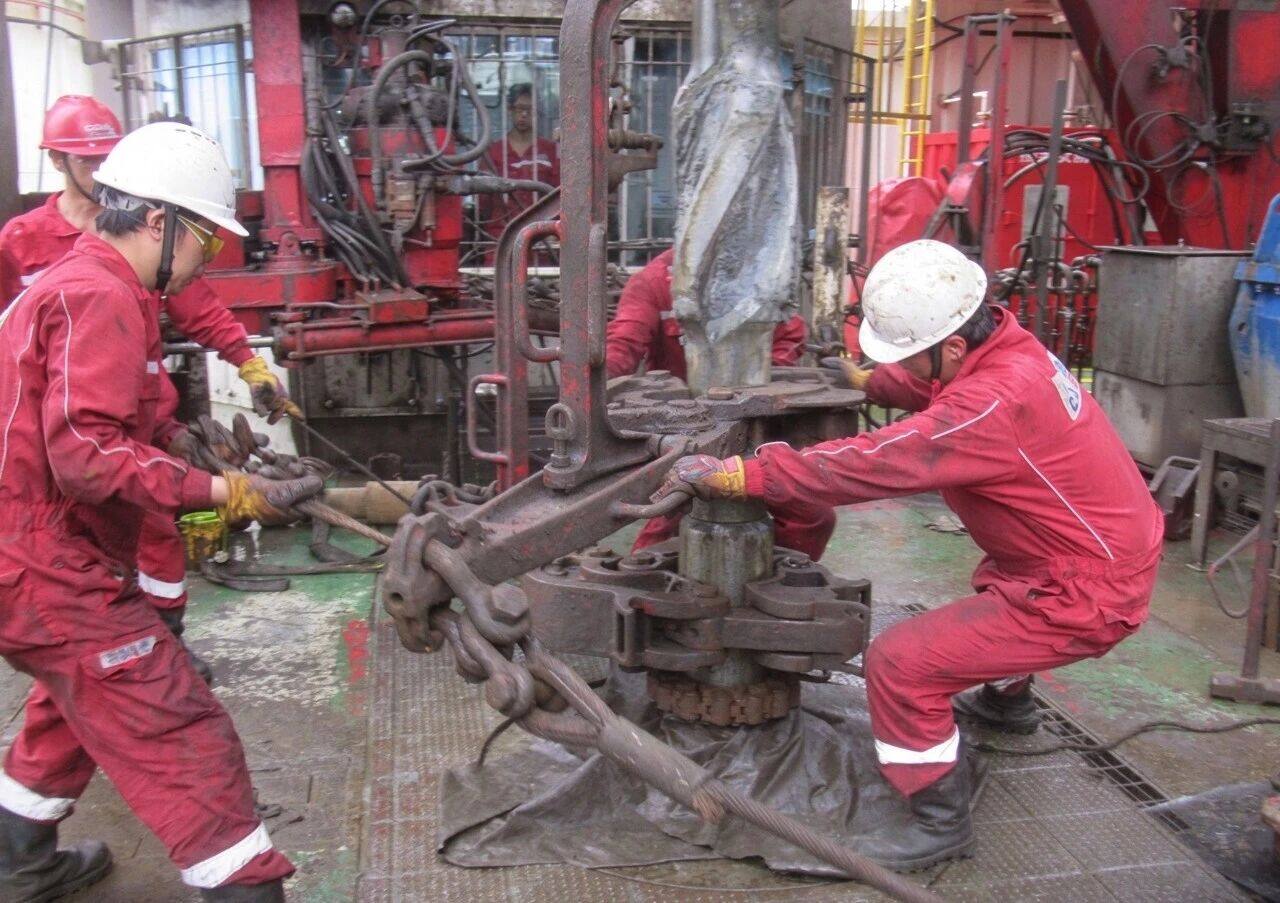
One drill rod runs the entire field
When it comes to drilling and completion, speed is more important than skill. A set of drilling tools can run the entire target well section in one go, which is called "one trip drilling" in the industry, relying on the provincial drilling cycle to speed up and reduce costs. The project has carried out a total of 105 directional well operations, of which 100 have achieved one drilling, breaking the record for single drilling in the eastern South China Sea oil field with a maximum footage of two times per trip. It has also accumulated experience in replicable operations such as deep casing window opening, large displacement wellbore purification, and self-developed completion tool matching. Keywords: East South China Sea oil fields, efficient development
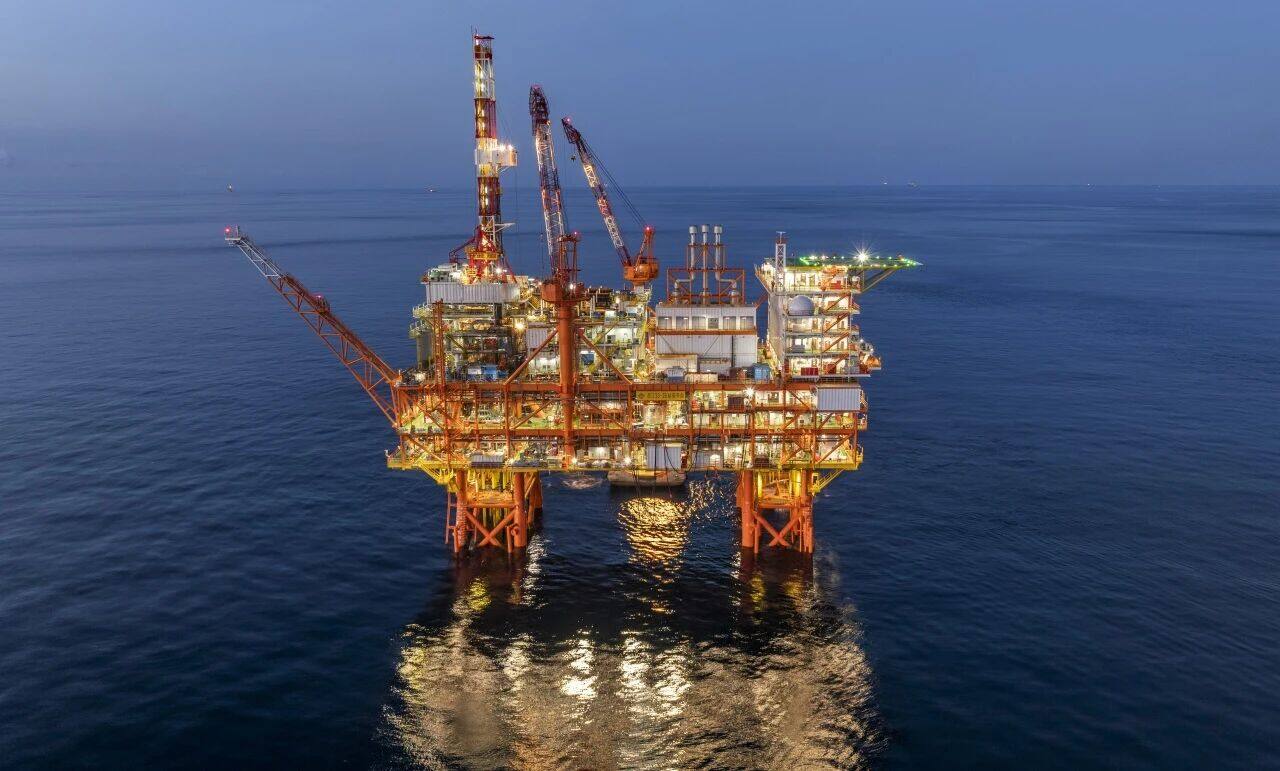
Hard bones become hard experiences
The environment in the homework area is complex, with a high proportion of high displacement wells and overlapping risks in extremely thin reservoirs. The team has implemented the integration of geological engineering into practical operations, closely linking drilling and completion with geological reservoir specialties. They have completed a total of 48 design optimization changes, implemented deep casing window opening and suspended side drilling for a total of 10 times, with a side drilling depth of over 10000 meters. They dynamically adjusted the wellbore trajectory to avoid the risk of fault layers, achieved precise control of ultra-thin reservoir boreholes, and innovated leak plugging technology to successfully plug both instances of lost circulation in one attempt. During construction, we broke two CNOOC records for the shortest drilling cycle of directional wells with tail pipes ranging from 5500 to 6000 meters and the shortest completion cycle of horizontal wells with sand control ranging from 5500 to 6000 meters. We completed a casing window opening operation at a depth of 4500 meters, implemented multiple self-developed tools on a large scale, and overcame the sand control problem of filling in deep wells with high inclination at sea up to 5000 meters. Through the combination of multiple technologies, we significantly compressed the drilling and completion cycle. The eastern oil field in the South China Sea has maintained a stable production of 20 million tons of oil and gas for four consecutive years, which is an important energy support for the Guangdong Hong Kong Macao Greater Bay Area. The Xijiang Oilfield Group is also the highest cumulative production oil field in the South China Sea. The completion of this project adds another piece of puzzle to increase reserves and production in this sea area.Editor/Min Jing
Comment

 Praise
 Collect
 Comment

 Share


Write something~