 Search


- JinkoTiger Neo 3.0 Component Special Service for Distributed Industry and Commerce in the Middle East
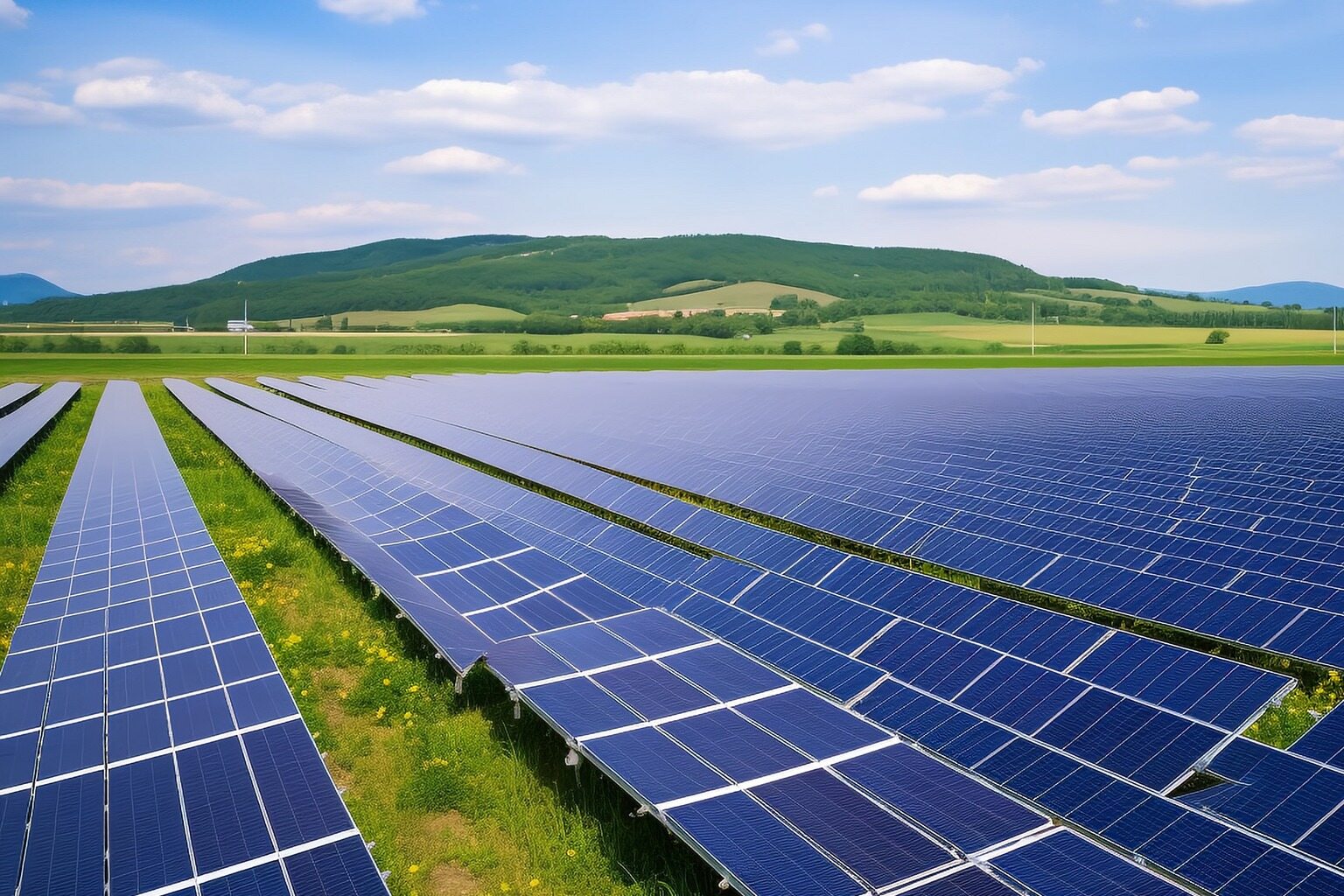
On October 27, 2026, on the roof of a commercial and industrial plant in the Middle East, the sun baked the surface of the components covered in dust, and the high temperature and dust accumulation were testing the power generation efficiency of each photovoltaic panel. On this day, JinkoSolar officially signed a 310.53MW Tiger Neo 3.0 high-efficiency module distribution agreement with core distributors in the Middle East. This batch of modules will be dedicated to serving the rapidly growing industrial and commercial distributed photovoltaic market in the Middle East. From Egypt to the United Arab Emirates, from ground power stations to commercial rooftops, JinkoSolar's photovoltaic footprint in the Middle East is expanding from centralized to distributed.
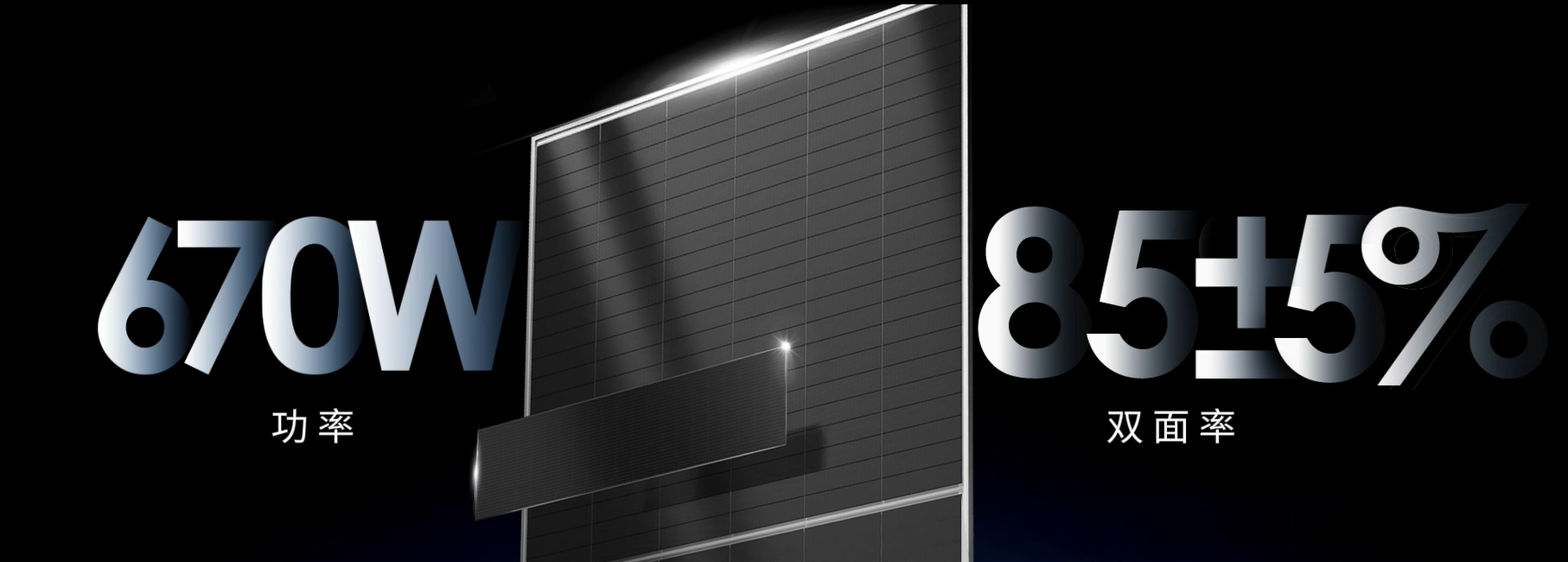
Tiger Neo 3.0 matches roof conditions
The subject matter of this distribution agreement, Tiger Neo 3.0, accurately matches the three major pain points of high temperature, dust accumulation, and limited area on the roofs of industrial and commercial buildings in the Middle East in terms of technical parameters. The roof area of the Middle East industrial and commercial sector is limited. The highest conversion efficiency of the Tiger Neo 3.0 in mass production is 24.8%, and the highest single board power is 670W. Under the same installed area, a higher single board power can increase the DC installation scale by 8% to 10%, diluting the comprehensive cost of BOS such as brackets, cables, and labor. High temperature is the main variable causing power loss in Middle Eastern components. The temperature coefficient of Tiger Neo 3.0 is minus 0.26% per degree Celsius. In summer, when the surface temperature exceeds 50 degrees Celsius for a long time, the power temperature rise and loss are lower than those of conventional products. In response to sand and dust obstruction, Tiger Neo 3.0 improves its ability to resist shadow obstruction through circuit topology optimization, with a double-sided rate of 85 ± 5%, and contributes additional power generation by utilizing the surface reflection conditions of light colored gravel in the Middle East.
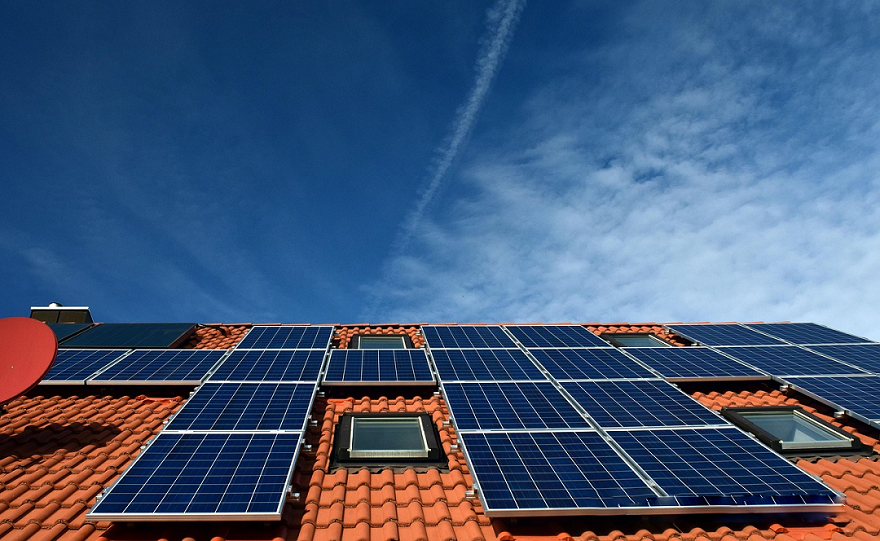
Concentrated increase in volume through existing channels
The 310.53MW distribution agreement falls within the window of synchronous heating of policies and demand for distributed photovoltaics in the Middle East's industrial and commercial sectors. Essentially, it is a concentrated increase in existing channels, rather than opening up new markets from scratch. The Middle East is one of the fastest growing regions in the world for photovoltaics. Saudi Arabia's 2030 Vision and Egypt's Industrial Sun Plan plan aim to install 1GW of photovoltaics on the roofs of approximately 7000 factories, providing clear policy benefits for industrial and commercial distribution. Jinko's distribution layout in the Middle East did not begin this month. In May 2026, Jinko signed an 89.4MW Tiger Neo 3.0 distribution agreement with an Egyptian customer and a 20.12MW order in the United Arab Emirates in March. The scale of 310.53MW this time is a concentrated increase in volume based on the existing distribution network, indicating that the acceptance of Tiger Neo 3.0 by Middle Eastern distributors is increasing in the local industrial and commercial scene. Keywords: the Belt and Road news network, enterprise industry, photovoltaic
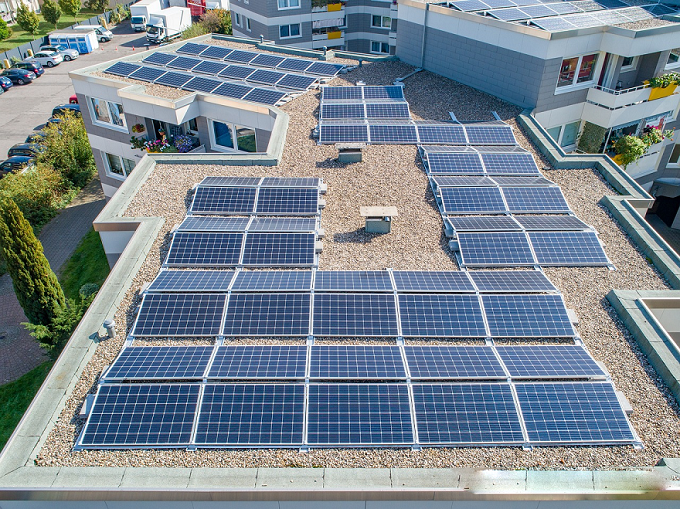
Synchronized release of supporting orders
The 310.53MW component will eventually land on the roofs of the Middle East industrial and commercial sector, inevitably leading to the procurement of industrial and commercial inverters, brackets, combiner boxes, DC cables, and monitoring systems. However, the selection and procurement of these supporting equipment are usually determined by distributors or terminal installers. Distributed industrial and commercial projects are scattered and have relatively small single site scales, requiring higher requirements for local warehousing and after-sales response capabilities. Supporting enterprises that already have warehousing or service outlets in the United Arab Emirates, Saudi Arabia, or Egypt have a relative advantage when entering the shortlist of distributors and installers. The Egyptian Industrial Sun Plan is currently the most policy deterministic supporting window, with 7000 factories and a total installed capacity of 1GW supported by rapid approval and special loans. Small and medium-sized enterprises that produce roof brackets, string inverters, and grid connected metering equipment can prioritize tracking the market in Egypt. After the implementation of the component distribution framework, the order transmission chain is clear, and the components first enter the distributor's warehouse before the supporting orders such as inverters, brackets, cables, etc. are gradually released.Editor/Gao Xue
Comment




 Praise
 Collect
 Comment

 Share


Write something~