 Search


- This marks that the country is transforming its oil and gas offshore engineering capabilities into advantages in the new energy industry
- Also provide samples for foreign investment to participate in its clean energy development
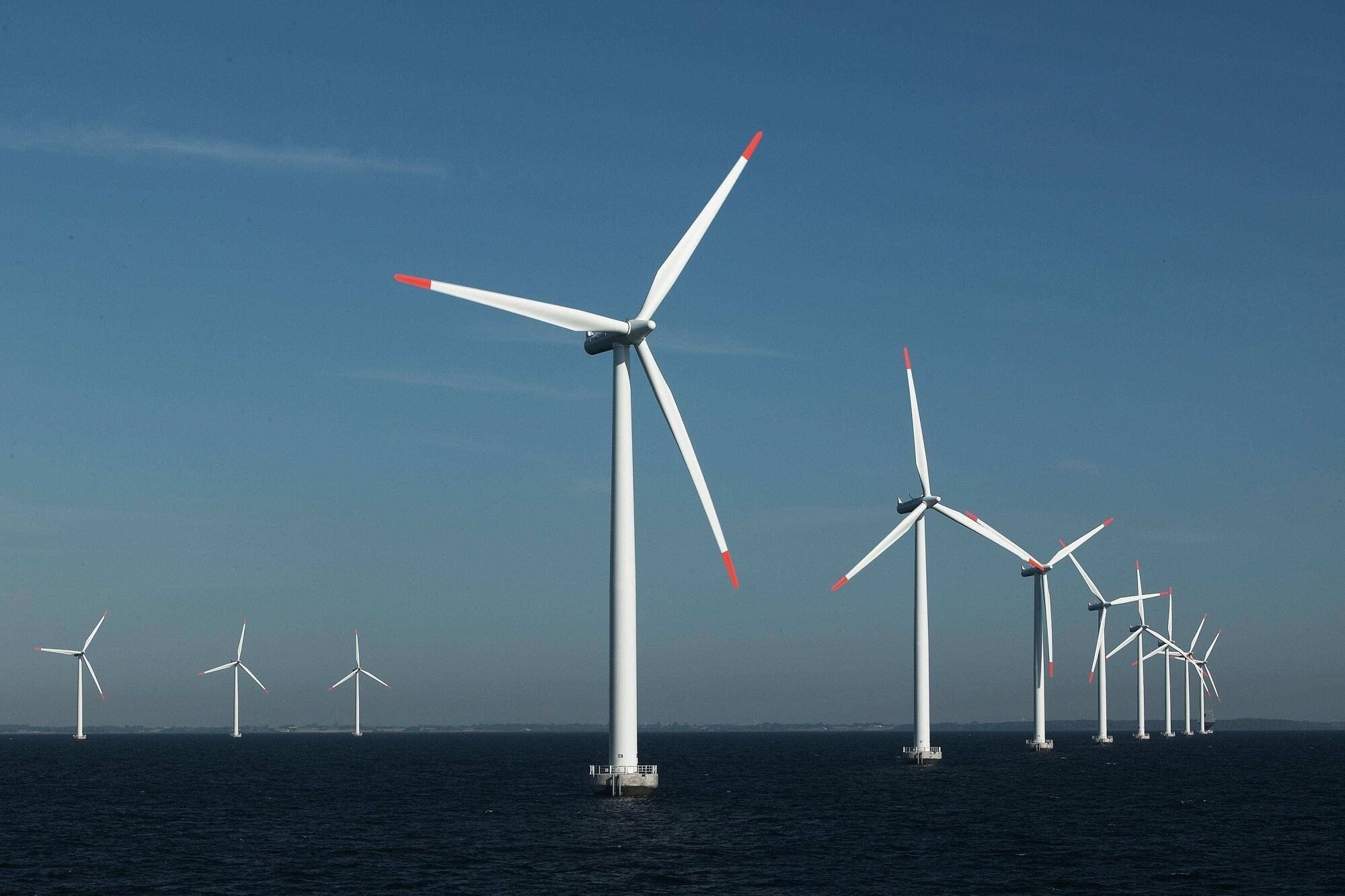
In the offshore waters of central and southern Vietnam, monsoons sweep over the sea surface year after year, and abundant wind energy sleeps under the waves for a long time. And in Copenhagen, thousands of miles away, an exchange of documents is trying to awaken this wind field.
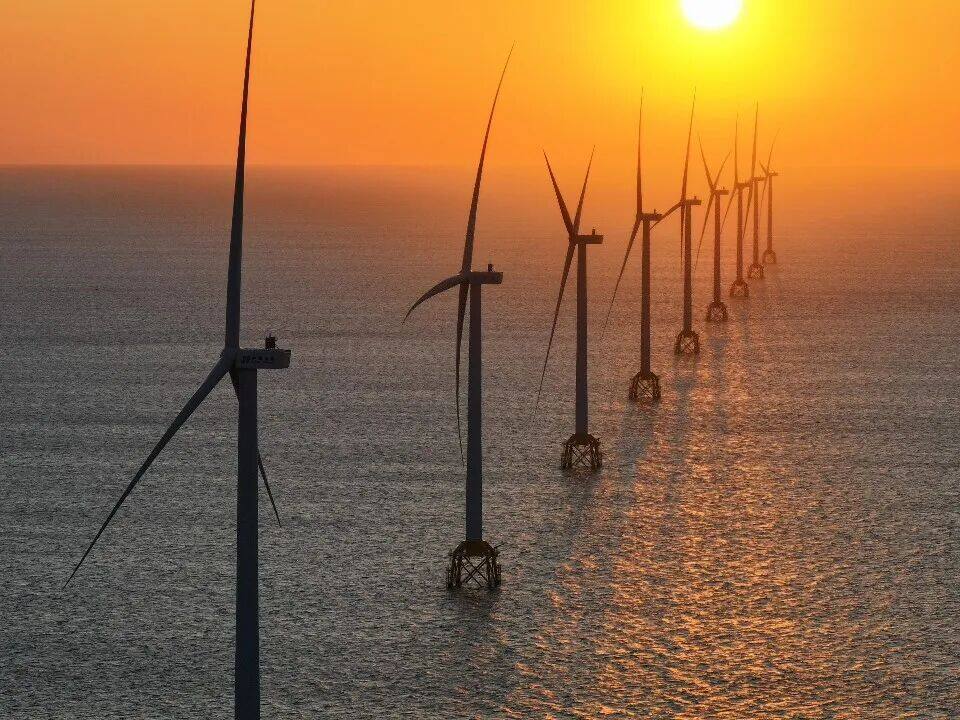
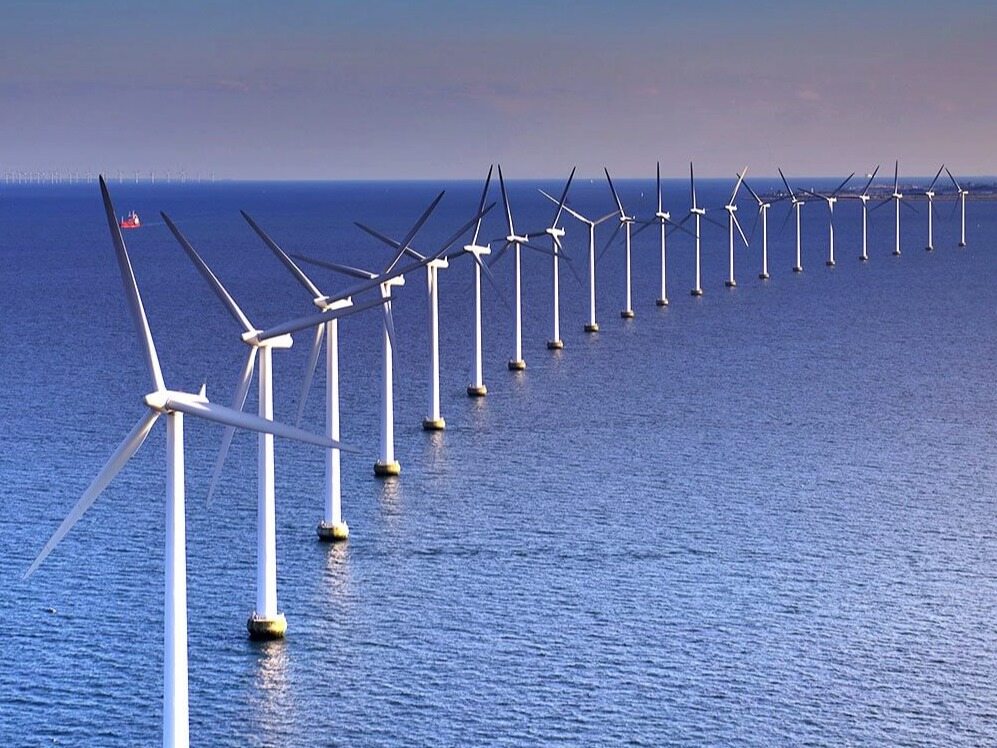
Recently, during the Vietnam Denmark Business Forum held in Copenhagen, Denmark, Vietnam's National Industry and Energy Group (Petrovietnam) signed a joint development agreement with Copenhagen Infrastructure Partners (CIP) to jointly promote the Nam Trung Bo 1 offshore wind power project in central and southern China, with a planned installed capacity of 1GW and an estimated total investment of over 4 billion US dollars.
From Memorandum to Contract Signing
This handshake was not an impromptu idea. In March 2024, both parties signed a memorandum of understanding and will continue to engage in technical exchanges and project collaboration thereafter; Sign a joint development agreement in August 2025; In January 2026, the competent department clarified the conditions for marine engineering and paved the way for on-site survey. This document was exchanged under the witness of General Secretary of the Central Committee of the Communist Party of Vietnam and President of the country, Su Lin, and King Frederick X of Denmark. Central South No.1 consists of two sub projects, 1.1 and 1.2, which have been included in the revised eighth edition of the power development plan. At present, the focus of both parties has shifted to substantive issues such as feasibility studies, financing arrangements, investment incentive mechanisms, Power Purchase Agreements (PPAs), development progress, and risk allocation.
The new direction of oil and gas giants
For Petrovietnam, this is a turnaround. This enterprise, which has long been deeply involved in oil and gas exploration and development, ocean engineering, and energy services, is attempting to transform the ocean engineering and equipment capabilities accumulated in the oil and gas era into the foundation of the offshore wind power industry. Its member unit PTSC has entered the international offshore wind power supply chain by constructing offshore substations and providing professional technical services. During the forum, it also held talks with Vestas to explore ways to increase the localization ratio of projects. In addition to Central South No.1, both sides are also promoting the La Gan offshore wind farm with a capacity of 3.5GW in Central South, with an estimated total investment of 10.5 billion US dollars. Vietnam's confidence comes from resources: the World Bank evaluates its offshore wind power technology potential to be among the top in the Asia Pacific region.keywords:Southeast Asia engineering information network
The Obstacles of Policy and Supply Chain
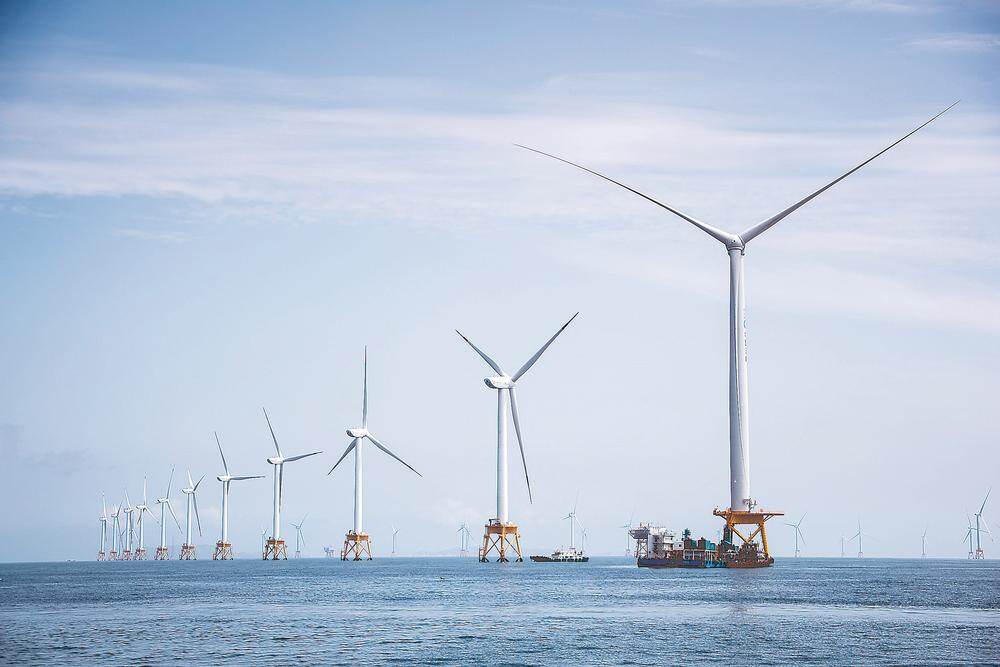
The project is still in the early development stage, and a potential investment scale of over 4 billion US dollars does not necessarily mean that the funds have been secured. The cost of a 1GW project is not limited to wind turbines, but also includes offshore foundations, offshore substations, submarine cables, transmission facilities, offshore installation, and supporting port logistics; The maximum depth of the project sea area is 140 meters, which is close to the engineering economic boundary of fixed foundations. Whether to use floating foundations has become one of the core decisions in the pre feasibility study. The external environment is also changing: PDP8 was originally scheduled to install 6GW of offshore wind power by 2030, but the revised version has postponed the grid connection schedule by 5 years. Whether we can go further in the future depends on feasibility studies, financing and power purchase mechanisms, as well as the implementation of local supply chain support one by one.Editor/Yang Meiling
Comment


 Praise
 Collect
 Comment

 Share


Write something~